
Main Courses
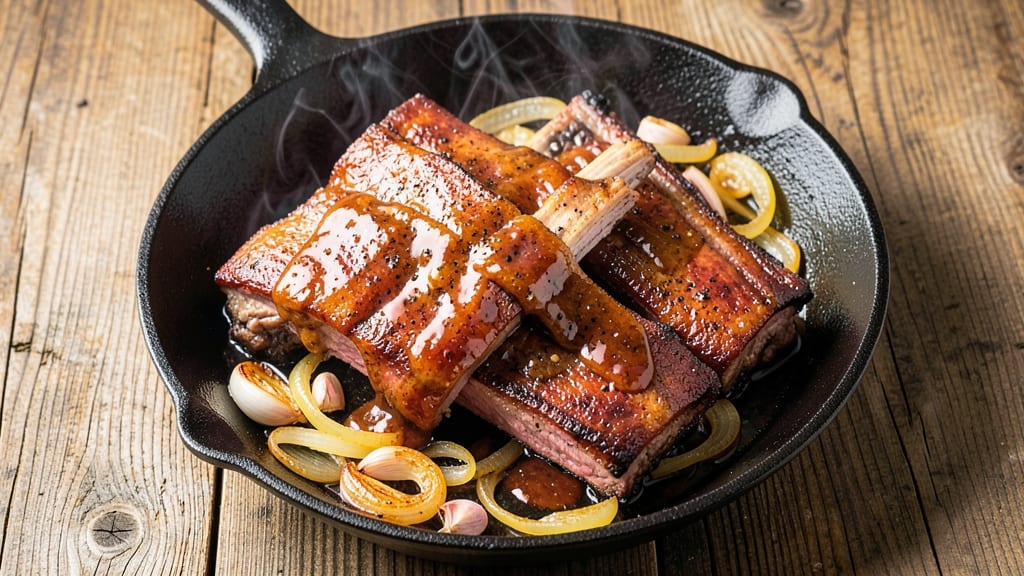
Mastering beef baby back ribs in just three hours transforms tough cuts into melt-in-your-mouth perfection with a crispy bark and tender meat. This method delivers restaurant-quality results at home using precise temperature control and a foolproof dry rub blend.
The secret lies in low-and-slow cooking—whether you smoke, grill, or oven-braise—to ensure every bite falls apart effortlessly.
The process begins with a simple yet powerful dry rub that forms a flavorful crust while keeping the meat moist inside. You'll monitor internal temperatures carefully, aiming for that ideal balance between crispy exterior and tender interior.
Resting the ribs after cooking is just as critical as the cooking itself—this step ensures clean slices and maximum juiciness when served.
By the time you're done, you'll have ribs so tender they practically fall off the bone, with a caramelized bark that adds texture and depth. This recipe is designed for confidence—no guesswork, no overcooking, just consistently delicious results every time.
The best part? These ribs pair perfectly with classic sides like tangy coleslaw or buttery cornbread.
Whether you're hosting a weekend barbecue or treating yourself to a special meal, this method delivers professional-quality ribs without the complexity. Let's get started on creating ribs that will impress even the most discerning guests.
Ingredients for beef baby back ribs
Four pounds of meaty ribs, a handful of pantry staples, and three hours to melt-in-your-mouth perfection.
| Ingredient | Amount | Notes |
|---|---|---|
| Beef Baby Back Ribs 🥩 | 4 lb | Bone-in, meaty ends preferred |
| Yellow Onion 🧅 | 1 whole | Yellow or red, sliced |
| Garlic Cloves 🧄 | 8 cloves | Peeled, minced for rub |
| Brown Sugar 🍯 | ½ cup | Packed, light brown preferred |
| Smoked Paprika 🌶️ | 2 tbsp | High-quality for depth |
| Ground Black Pepper 🌶️ | 1 ½ tbsp | Freshly cracked preferred |
| Kosher Salt 🧂 | 1 ½ tbsp | Diamond Crystal preferred |
| Ground Cumin 🌿 | 1 tbsp | Toasted for warmth |
| Mustard Powder 🍯 | 1 tsp | For subtle tang |
| Apple Cider Vinegar 🍎 | ¼ cup | For tenderizing |
| Yellow Mustard 🍯 | ¼ cup | For basting |
| Beef Broth 🍲 | ½ cup | Low-sodium preferred |
| Unsalted Butter 🧈 | ¼ cup | Cold, cubed for bark |
| Fresh Thyme Leaves 🌿 | ¼ cup | Chopped for aroma |
| Apple Juice 🍎 | ½ cup | For moisture balance |
The ribs are everything here—baby backs with meaty ends give you the best flavor and texture. Grab them from the butcher counter if possible; they'll trim the membrane and cut them for you. Look for bright red color and good marbling—Costco or Whole Foods usually have great quality. If you're buying frozen, thaw them overnight in the fridge (never at room temp). The dry rub is where the magic happens, so don't skimp on the spices—Penzeys or bulk bins at natural markets have the freshest options. Toast your cumin seeds in a dry pan for 30 seconds before grinding if you're using whole cumin.
No smoked paprika? Regular paprika plus a pinch of liquid smoke works in a pinch. Mustard powder hard to find? Dijon mustard at half the amount gives similar tang. The apple cider vinegar is non-negotiable—it tenderizes the meat while adding depth. For the mustard basting sauce, whole-grain mustard has more texture than smooth. If you're short on time, pre-made barbecue sauce (like Sweet Baby Ray's) can replace the mustard-broth mix, but you'll lose some of that restaurant-quality balance. The yellow onion can be swapped for red onion or shallots—just adjust the sweetness to taste.
Prep the rub ahead—it keeps for 2 weeks in an airtight container. The ribs themselves? 3 days max in the fridge before cooking. For the best bark, wrap the cooked ribs in foil with cold butter for 15 minutes before serving—trust me on this. Leftovers? Store in the fridge for 5 days or freeze for 3 months. Reheat in a 350°F oven for 10 minutes with a splash of apple juice to keep them moist. These ribs reheat beautifully—often better the second day once the flavors meld.
Why You'll Love This Recipe
- I’ll be real: mixing the rub takes less than 5 minutes, and honestly, the spices—especially that toasted cumin and smoked paprika—do all the work while I sip my coffee. The apple cider vinegar tenderizes the ribs in one swipe, so you’re not stuck with a dry, flavorless mess.
- One-Bowl Rub Magic: I’ll be real: mixing the rub takes less than 5 minutes, and honestly, the spices—especially that toasted cumin and smoked paprika—do all the work while I sip my coffee. The apple cider vinegar tenderizes the ribs in one swipe, so you’re not stuck with a dry, flavorless mess.
- Crispy-Sweet Perfection: That caramelized bark? It’s the star. The brown sugar and smoked paprika team up to create a deep, smoky-sweet crust that shatters with every bite, while the beef broth and butter glaze keep the meat so tender it falls apart. The mustard powder adds just enough tang to cut through the richness—trust me, it’s the secret.
- Weekend Crowd-Pleaser: Between us, these ribs are my go-to for game days, family dinners, or when friends drop by unannounced. The prep stays simple (just 30 minutes before the smoker), and the leftovers? They disappear fast. I’ve even prepped the rub a week ahead and stored it in the fridge—no one suspects how little effort went into something this impressive.
Step-by-step instructions for beef baby back ribs
Here's the method that delivers melt-in-your-mouth tenderness with a perfect bark every time.
Prepare the Dry Rub and Tenderize the Ribs
In a medium bowl, combine the 0.5 cup packed brown sugar, 2 tbsp smoked paprika, 1.5 tbsp ground black pepper, 1.5 tbsp kosher salt, 1 tbsp ground cumin, and 1 tsp mustard powder. Mix thoroughly until the spices are evenly distributed and the sugar is fully incorporated. This blend creates the perfect balance of sweetness, heat, and savory depth that defines great baby back ribs.
Pat the 4 lb beef baby back ribs dry with paper towels, removing any excess moisture from the surface. This step is crucial—wet ribs won't develop that prized crispy bark. Using the 0.25 cup apple cider vinegar, gently rub it all over the ribs, working it into the meat. This tenderizing step breaks down proteins and helps the rub adhere better. Immediately apply the dry rub mixture, pressing it firmly into every crevice and bone. Let the ribs sit at room temperature for 30 minutes while you prepare your cooking setup.
Cook the Ribs Low and Slow
Preheat your smoker or grill to 225°F using hickory or apple wood chips. Place the ribs bone-side down on the cooking grates, meat-side up. This positioning allows the fat to render down and baste the meat as it cooks. Close the lid and maintain a consistent temperature—resist the urge to check them frequently, as each peek can drop the internal temperature by 15-20°F and extend cooking time.
Cook the ribs for 2 hours, then add the 0.25 cup yellow mustard to the cooking surface. The mustard helps create a sticky bark while adding subtle tang. Continue cooking for another 1 hour, basting occasionally with the apple juice. The ribs are ready when they reach an internal temperature of 195-203°F at the bone, and the meat pulls away easily from the bones with minimal resistance. This low-and-slow process transforms tough connective tissue into silky, fall-off-the-bone texture.
Build the Crispy Bark and Glaze
Once the ribs reach the proper internal temperature, remove them from the heat and let them rest for 10 minutes. While they rest, prepare the glaze by combining the 0.5 cup beef broth, 0.25 cup unsalted butter (cubed), and 0.25 cup fresh thyme leaves in a saucepan. Heat over medium-low heat until the butter melts and the mixture simmers gently.
Brush the glaze mixture generously over the ribs, coating them completely. Return the ribs to the smoker or grill and increase the heat to 275°F for 15-20 minutes. This final step caramelizes the sugars in the rub and creates that coveted crispy bark. Watch closely—the ribs are done when the bark is deep mahogany in color and slightly glossy. The contrast between the crisp exterior and tender meat is what makes these ribs unforgettable.
Rest and Serve
Remove the ribs from the heat and let them rest for 10-15 minutes before serving. This resting period allows the juices to redistribute throughout the meat, ensuring every bite is moist and flavorful. The ribs should be served with the bark intact—cutting into them too soon will cause the juices to escape.
Slice the ribs between each bone and serve immediately. The meat should pull away cleanly, leaving the bones bare. Each bite should deliver a perfect balance of smoky, sweet, and savory flavors with that irresistible crunch from the bark. Pair with classic barbecue sides like coleslaw or baked beans for a complete meal.
Pro Tips For Making Beef Baby Back Ribs
- Bone-Side Down: DESCRIPTION: I learned this the hard way—placing ribs meat-side down first lets the fat render into the meat as it cooks, basting them naturally. Flip them after 30 minutes so the rub gets that perfect crust on both sides.
- Vinegar First: DESCRIPTION: That 0.25 cup apple cider vinegar isn’t just for flavor—it tenderizes the meat and helps the rub stick. Rub it in before applying the dry mix, and don’t skip it. Your ribs will thank you.
- Skip the Mustard Too Soon: DESCRIPTION: The recipe says to add yellow mustard after 2 hours, but I used to add it at the start. It burns before the ribs get tender—wait for the slow cook to do its magic first.
- Cold Butter for Bark: DESCRIPTION: Use the 0.25 cup unsalted butter cold and cubed in the glaze—it melts slowly, creating a richer, glossier bark. Warm butter just makes a sad, greasy mess. Trust me.
Wine and beer pairings for this recipe
Smoky Red Wine
A bold Cabernet Sauvignon from Napa Valley or a smoky Syrah from the Rhône Valley complements the ribs' deep, caramelized flavors perfectly. Look for notes of blackberry, vanilla, and tobacco in the wine—these mirror the ribs' sweet-savory profile.
Serve slightly chilled (60-65°F) to let the wine's acidity cut through the richness without overwhelming the smoky bark. 🍷
Malty Amber Ale
For beer lovers, an amber ale with caramel and biscuit notes enhances the ribs' sweetness. Try a Fat Tire or Allagash Amber—their malty sweetness balances the smokiness while adding a touch of crispness. The alcohol content (5-6% ABV) won’t overpower the dish, making it a crowd-pleaser. 🍺
Spiced Bourbon
If you prefer spirits, an aged bourbon like Buffalo Trace or Woodford Reserve adds a smoky, vanilla-rich finish. Sip it neat or on the rocks to let the bourbon’s caramel and oak notes harmonize with the ribs' bark.
The warmth of the alcohol also helps cut through the fat, cleansing your palate between bites. 🥃
Light White Wine
Surprisingly, a crisp Sauvignon Blanc from New Zealand or Viognier from California works beautifully with ribs. The wine’s citrus and floral notes contrast the smoky flavors while keeping the meal light. Chill it to 45-50°F to highlight its acidity and refresh your palate between rich bites. 🍷
Regional Beer Pairings
For regional variations, try a Texas-style brisket beer like Shiner Bock (a malty lager) or a Carolina-style Duke’s Mayhem (a hoppy IPA). The beer’s bitterness balances the ribs' sweetness, while the maltiness enhances the smoky depth. Serve the IPA slightly chilled (45°F) to preserve its hoppy freshness. 🍻
Non-Alcoholic Option
For non-drinkers, a smoky blackberry iced tea or ginger beer with a splash of apple cider vinegar mimics the ribs' flavors without alcohol. The tea’s tannins and the ginger beer’s spice complement the sweet-savory profile, while the vinegar adds a tangy brightness. 🍹
Nutrition facts
Frequently asked questions
Can I cook these ribs in the oven instead of using a smoker or grill?
Yes! Use a meat thermometer to monitor temperature. Place ribs on a rack in a roasting pan and cook at 225°F for 3 hours, then increase to 275°F for the final 15-20 minutes with the glaze. Add 1 cup of water to the pan and place a foil tent over the ribs to maintain moisture. The oven method works best with a cast-iron Dutch oven for even heat distribution.
How do I know when the ribs are done without a meat thermometer?
The ribs are ready when they reach 195-203°F at the bone, but you can test them manually. Lift a rib gently—if it pulls away from the bone with minimal resistance, they're done. Also, check for flexibility: the meat should bend slightly at the bone. The bark should be deep mahogany and slightly glossy.
Can I make the dry rub ahead of time?
Store the dry rub in an airtight container for up to 2 weeks. This gives the spices time to meld, enhancing the flavor. Just make sure to apply it fresh to the ribs before cooking for the best adhesion. The apple cider vinegar and mustard should be mixed with the rub right before applying to the meat.
What if my ribs don't have enough bark?
If the bark is too thin, try these fixes: wrap the ribs in foil with 2 tbsp of apple juice and 1 tbsp of brown sugar for 30 minutes before the final glaze step. Alternatively, increase the oven/smoker temperature to 275°F for the last 15 minutes and brush with extra glaze. The key is sugar caramelization—don't rush this step!
How do I store and reheat leftovers?
Store cooked ribs in the fridge for up to 5 days or freeze for 3 months. To reheat, wrap them in foil and bake at 350°F for 10 minutes, then brush with a little apple juice to restore moisture. The second day often tastes even better as flavors meld!