
Sauces & Condiments
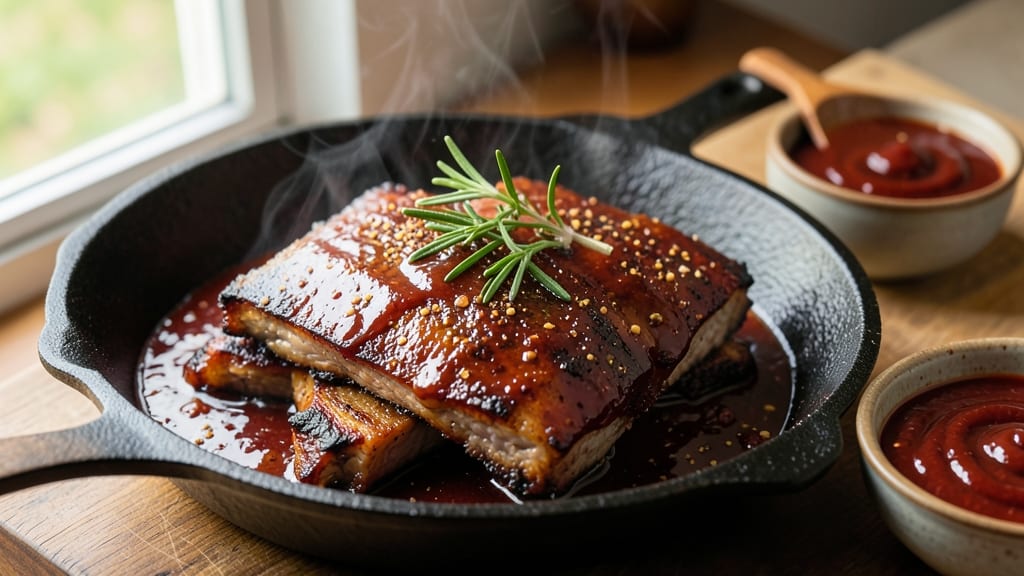
This barbecue sauce recipe for beef ribs transforms tough cuts into melt-in-your-mouth perfection with a balance of smoky depth and caramelized sweetness. I developed it after years of perfecting the art of slow-cooked ribs, where the sauce isn't just a topping—it's the soul of the dish. The secret lies in a slow reduction that concentrates flavors while maintaining that signature tangy-sweet profile.
The foundation starts with a rich tomato base, where vinegar cuts through the sweetness while molasses and brown sugar create that classic caramelized crust. A blend of spices—smoked paprika, garlic powder, and cayenne—adds layers of complexity that elevate every bite.
What sets this sauce apart is its ability to cling to ribs without overwhelming their natural smokiness, creating a perfect harmony of flavors.
What you'll end up with is a glossy, sticky glaze that caramelizes beautifully on ribs, locking in moisture and intensifying flavor with each bite. The sauce's versatility means it works equally well on chicken, pulled pork, or even as a dipping sauce.
Store it in the fridge for up to two weeks or freeze for longer shelf life, ready to transform your next cookout.
This isn't just another sauce—it's the missing piece that turns good ribs into legendary ones. The slow reduction process ensures depth, while the balanced sweetness and tang create a sauce that's as versatile as it is unforgettable. Let's get started on making yours.
Ingredients for barbecue sauce recipe for beef ribs
Eleven ingredients, one sauce that turns ribs into legendary bites.
| Ingredient | Amount | Notes |
|---|---|---|
| Ketchup 🍅 | 1 cup | High-quality, no artificial additives |
| Apple Cider Vinegar 🍏 | ½ cup | For tangy depth (not white vinegar) |
| Molasses 🍯 | ¼ cup | Unsulphured for authentic smokiness |
| Light Brown Sugar 🍚 | ½ cup | Packed firmly, not scooped |
| Smoked Paprika 🌶️ | 2 tbsp | High-quality, not cayenne blend |
| Garlic Powder 🧄 | 1 tbsp | Freshly ground preferred |
| Ground Cayenne Pepper 🔥 | ½ tsp | Adjust for heat preference |
| Onion Powder 🧅 | 1 tsp | For subtle depth |
| Black Pepper 🌶️ | ½ tsp | Freshly ground for best flavor |
| Salt 🧂 | 1 ½ tsp | Diamond Crystal preferred |
| Worcestershire Sauce 🥫 | 1 tbsp | Vegan version if needed |
The ketchup is your foundation—Heinz or Hunt's are reliable, but check for natural ingredients. Apple cider vinegar adds that signature tang, so don't swap for white vinegar (trust me, it's different). Trader Joe's has the best unsulphured molasses at a good price, and I always buy extra for other recipes. Brown sugar should be packed firmly—don't scoop it straight from the bag. For smoked paprika, Penzeys is worth the splurge if you're making this often, but the regular grocery store stuff works fine. The spices? Freshly ground garlic powder and black pepper make all the difference—if you've got a coffee grinder, toast the spices first for deeper flavor.
No ketchup? Tomato paste plus a splash of water works in a pinch, but the texture won't be identical. White vinegar in a bind? Lemon juice at half the amount keeps the tang, though it's not quite the same. Molasses too expensive? Maple syrup at the same quantity gives similar sweetness, though it lacks that smoky depth. No Worcestershire? Extra soy sauce plus a dash of liquid smoke mimics the umami punch. The cayenne is non-negotiable for heat—if you want milder sauce, cut it to a quarter teaspoon. For the onion powder, Diamond Crystal is more flavorful than Morton's, but any brand works.
This sauce gets better with time—let it reduce for at least 20 minutes, but 30-45 minutes is ideal. Store in a clean glass jar in the fridge for up to 2 weeks, or freeze for 6 months in ice cube trays for perfect portions. I always make double batches—one for ribs, one for dipping. The sauce thickens as it cools, so add a splash of water if it gets too stiff. Leftovers? Perfect for brisket, pulled pork, or even grilled chicken—just reheat gently with a splash of water.
Why You'll Love This Recipe
- Pantry Magic: I swear by this sauce because it uses what’s already in my cupboard—no fancy shopping trips. That molasses and brown sugar combo? It’s the secret to that deep, caramelized richness without extra effort.
- Smoky Sweet Fix: The smoked paprika and apple cider vinegar give it this perfect tangy-sweet balance that clings to the ribs like a hug. Honestly, it’s the kind of flavor that makes you want to lick the bowl.
- Weekend or Weeknight: Slather it on ribs for a Sunday feast or toss it in a quick skillet with frozen meat for a Tuesday night win. Between us, it’s my go-to when I don’t want to fuss but still crave that smoky-sweet satisfaction.
- Leftovers That Don’t Suck: This sauce actually tastes better the next day—yes, really. I make a double batch, store it in the fridge, and use it for sandwiches or even drizzling over baked beans. Budget-friendly? Check. Versatile? Double check.
Step-by-step instructions for smoky-sweet glaze
Here's how to blend these bold flavors into a rich, balanced sauce perfect for beef ribs.
Combine Wet Ingredients for Maximum Flavor Extraction
In a medium saucepan, whisk together the 1 cup ketchup, 0.5 cup apple cider vinegar, and 0.25 cup molasses over medium heat. I like to use a whisk here to break up any clumps in the molasses right from the start. The vinegar will help disperse the molasses completely, creating a smooth base.
Bring the mixture to a gentle simmer, then reduce heat to low and let it cook for 5 minutes. You'll notice the molasses dissolving completely and the sauce beginning to thicken slightly. This initial cooking step ensures all the flavors meld together before we add the dry ingredients. The molasses will add that deep, caramel-like richness that's essential for authentic barbecue sauce.
Incorporate Sweeteners and Spices for Depth
Add the 0.5 cup light brown sugar and stir until fully dissolved. I always use packed brown sugar here—it's more flavorful and helps create that perfect balance with the vinegar's acidity. Then add the 2 tbsp smoked paprika, 1 tbsp garlic powder, 1 tsp onion powder, 0.5 tsp ground cayenne pepper, 0.5 tsp black pepper, and 1.5 tsp salt. Stir continuously for 1-2 minutes to distribute the spices evenly.
The smoked paprika is what gives this sauce its signature depth and smokiness, while the cayenne adds just enough heat to complement the sweetness. Don't be tempted to skip the stirring—those spices need time to bloom and infuse the sauce properly. You should be able to smell that rich, smoky aroma developing as the spices warm through.
Finish with Umami and Simmer to Perfection
Pour in the 1 tbsp Worcestershire sauce and stir well. This final ingredient adds that essential umami punch that makes the sauce truly sing. Let the entire mixture simmer uncovered for 15-20 minutes over medium-low heat, stirring occasionally. You're looking for the sauce to thicken to a glossy, syrup-like consistency that coats the back of a spoon.
Here's the thing—this sauce needs to reduce significantly to develop its full flavor. If it's getting too thick before the 15 minutes are up, just add 1-2 tablespoons of water to loosen it. The sauce should coat a spoon but still be pourable. When you taste it, you should get a perfect balance of sweet, smoky, tangy, and slightly spicy flavors. If it needs more heat, add a pinch more cayenne. If it needs more sweetness, add a bit more brown sugar.
Cool and Adjust for Rib Application
Remove the sauce from heat and let it cool completely. This cooling period is crucial—it allows the flavors to fully settle and the sauce to reach its ideal consistency. Once cooled, taste again and make any final adjustments. For beef ribs, you want a sauce that's slightly thicker than what you'd use for pulled pork, as it needs to cling to the meat without making it soggy.
If the sauce is too thin after cooling, simmer it again for another 5-10 minutes to reduce further. If it's too thick, thin it with 1 teaspoon of water at a time until it reaches that perfect glaze-like consistency. The cooled sauce should be smooth, glossy, and ready to enhance those fall-off-the-bone ribs. Store any leftovers in an airtight container in the refrigerator for up to 2 weeks, or freeze for longer storage.
Pro Tips For Making Barbecue Sauce Recipe For Beef Ribs
- Simmer Slow and Low: I learned this the hard way—boiling your sauce on high heat turns it into syrup. Keep it at a gentle simmer (tiny bubbles, not rolling) for at least 20 minutes. That’s when the flavors meld and the sugar caramelizes just enough to stick to ribs without burning.
- Balance Vinegar Gradually: Apple cider vinegar is the flavor bomb here, but dump it all in first and you’ll regret it. Start with half, taste as you go, then add the rest. Too much upfront makes the sauce sharp and one-dimensional—you want that tang to shine, not dominate.
- Toast the Smoked Paprika: Skip the pre-ground stuff and toast your smoked paprika in a dry pan for 30 seconds until it smells like a campfire. It deepens the smoky flavor without bitterness. (Yes, even if you’re impatient like me—just don’t walk away.)
- Strain Out the Sugar Grit: Light brown sugar is your friend, but the coarse grains won’t dissolve and turn your sauce into a textured mess. Whisk it into warm liquid first, then strain through a fine-mesh sieve before adding the rest. Smooth sauce = happy ribs.
Perfect pairings for this dish
Rib Application Tips
Apply sauce during the last 30-45 minutes of cooking when ribs reach 195-203°F internal temperature. Brush on generously but avoid overloading—too much sauce can create steam and make ribs soggy. I use a pastry brush for even distribution, focusing on the meaty sides rather than the fat cap. 🌟
Side Dish Pairings
Serve ribs with classic cornbread for soaking up the sauce—try my recipe with jalapeño and cheddar for extra kick. Coleslaw with a tangy vinegar dressing cuts through the richness, while baked beans with smoked paprika add another layer of smoky depth.
For a lighter option, crispy smashed potatoes with garlic butter provide the perfect contrast.
Beverage Pairings
For a refreshing contrast, sweet tea with lemon slices is my go-to—its acidity balances the sauce's sweetness. A light lager like Miller Lite or Coors Banquet complements the smoky flavors without overpowering.
For something stronger, a bourbon cocktail with a splash of apple cider vinegar mirrors the sauce's tangy-sweet profile. 🍺
Sauce Versatility
This sauce isn't just for ribs—use it on pulled pork for extra stickiness or as a dipping sauce for fried chicken>. Brush it on grilled corn> with chili flakes for a smoky twist.
Even roasted vegetables> like Brussels sprouts or carrots get an instant flavor boost. The key is adjusting thickness: thinner for dipping, thicker for glazing meats.
Make-Ahead Sauce
Make a double batch and store half in the fridge for up to 2 weeks>—it actually improves with time as flavors meld. For longer storage, freeze in ice cube trays> for perfect single-use portions.
Thaw overnight in the fridge, then reheat gently with 1 teaspoon water per ¼ cup sauce> to restore consistency. I always keep a jar in my smoker cabinet for spontaneous cookouts. ❄️
Garnish Ideas
Finish ribs with a sprinkle of crushed red pepper flakes> for heat or fresh cilantro> for brightness. A drizzle of honey> adds extra sweetness, while toasted sesame seeds> give an unexpected Asian-inspired twist.
For a smoky finish, dust with extra smoked paprika> right before serving. These garnishes elevate the dish without overpowering the sauce's natural flavors.
Nutrition facts
Frequently asked questions
Can I make this sauce without molasses?
If you can't find molasses, substitute with maple syrup or honey at the same quantity. For a deeper smoky flavor, add ½ teaspoon liquid smoke to compensate. The sauce will still taste great, though molasses gives that authentic caramelized depth that's hard to replicate.
How do I adjust the heat level?
Start with the ½ teaspoon cayenne> called for, then taste as it simmers. For milder sauce, reduce to ¼ teaspoon. If you want extra heat, add ¼ teaspoon at a time until you reach your preferred level. Remember, the sauce will cool down slightly after resting, so don't overdo it initially.
What's the best way to store leftover sauce?
Transfer cooled sauce to a clean glass jar and store in the fridge for up to 2 weeks. For longer storage, freeze in ice cube trays—just thaw overnight in the fridge. When reheating, add 1 teaspoon water per ¼ cup sauce to restore consistency. The sauce actually improves with time as flavors meld!
Can I use this sauce on other meats?
This versatile sauce works beautifully on pulled pork, grilled chicken, and even roasted vegetables. For pulled pork, use it generously as a glaze during the last 30 minutes of cooking. For vegetables, thin it slightly with water to create a drizzling sauce. The key is adjusting thickness—thinner for dipping, thicker for glazing.
Why did my sauce turn out too thin?
This usually happens if you didn't reduce it long enough. Simmer uncovered for an additional 10-15 minutes to thicken. If it's still too runny, mix 1 tablespoon cornstarch with 2 tablespoons cold water, stir into the sauce, and cook for 2-3 minutes> until thickened. For next time,