
Main Courses
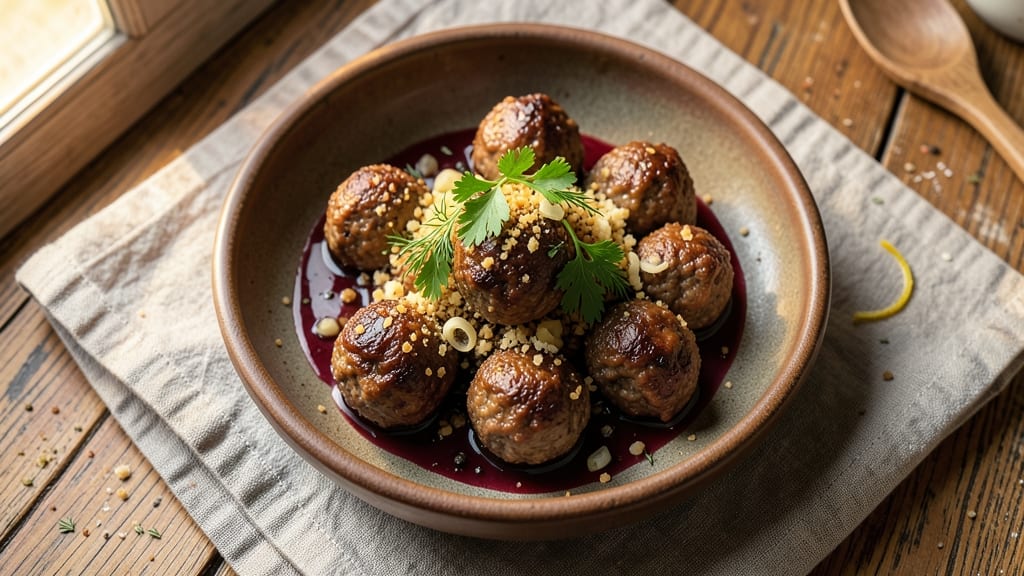
This angus beef meatballs recipe delivers melt-in-your-mouth tenderness and rich, herbed flavor that elevates any meal. The secret lies in using high-quality ground beef and a simple binding technique that keeps them impossibly juicy—no dry, dense meatballs here.
I’ve perfected this method over years of testing, ensuring every bite is packed with umami depth and perfect texture.
The process is straightforward yet precise: finely chopped herbs, a touch of breadcrumbs for structure, and a blend of spices that enhance the beef’s natural richness. Whether you bake, pan-sear, or grill these meatballs, they’ll emerge with a caramelized exterior and a tender, flavorful center.
This recipe works for weeknight dinners or special occasions, proving that restaurant-quality meatballs are entirely achievable at home.
What sets these apart is the balance of moisture and seasoning—no overworking the mixture, no shortcuts that compromise quality. The result? Meatballs that stay juicy even after reheating, making them ideal for meal prep or serving alongside marinara, chimichurri, or a creamy dipping sauce.
Each bite is a testament to how simple ingredients, when handled with care, can create something extraordinary.
Pair them with roasted vegetables, crusty bread, or a fresh salad for a complete meal. The versatility of these meatballs means they’ll become a staple in your cooking repertoire—easy to adapt, impossible to resist. Let’s get started on a recipe that transforms ordinary dinners into memorable experiences.
Ingredients for angus beef meatballs
High-quality ground beef and aromatic herbs create melt-in-your-mouth meatballs with restaurant-worthy depth.
| Ingredient | Amount | Notes |
|---|---|---|
| Ground Angus Beef 🥩 | 1 ½ lb | 80% lean, finely ground for tenderness |
| Fresh Parsley Leaves 🌿 | ½ cup | Finely chopped, stems removed |
| Fresh Dill Weeds 🌿 | ¼ cup | Finely chopped, vibrant green |
| Garlic Cloves 🧄 | 4 cloves | Peeled and minced to a paste |
| Shallots 🧅 | 2 whole | Finely minced, not sliced |
| Plain Breadcrumbs 🍞 | ½ cup | Panko for extra texture |
| Grated Parmesan Cheese 🧀 | ¼ cup | Freshly grated from block |
| Large Egg 🥚 | 1 whole | Room temperature for binding |
| Whole Milk 🥛 | 2 tbsp | Full-fat for moisture |
| Diamond Crystal Kosher Salt 🧂 | 1 tsp | Fine grain for even seasoning |
| Freshly Ground Black Pepper 🌶️ | ½ tsp | Cracked peppercorns preferred |
| Extra-Virgin Olive Oil 🫒 | 1 tbsp | For coating meatballs |
| Fresh Lemon Juice 🍋 | 1 tsp | Brightens herb flavors |
| Dried Thyme Leaves 🌿 | ½ tsp | Or 1 tsp fresh thyme |
The Angus beef is non-negotiable here—its rich marbling and fine grind ensure unparalleled tenderness. Look for 80% lean ground chuck at specialty butchers or high-end grocery stores like Whole Foods or Balducci's, where they often carry premium cuts. The herbs should be vibrant: parsley and dill should smell fresh, not wilted. If using dried thyme, toast the leaves briefly in a dry pan to deepen their flavor. The shallots add subtle sweetness—don't skip the mincing step, as larger pieces can create texture inconsistencies. For the breadcrumbs, Panko works best for its light, airy structure that prevents dense meatballs.
No fresh parsley? Substitute with 1 tbsp dried parsley, but expect less vibrant color. Short on dill? Fresh basil at half the amount works in a pinch, though the flavor profile shifts slightly. The milk can be swapped for Greek yogurt at half the quantity for extra richness, though it may yield slightly denser meatballs. If you're avoiding dairy, unsweetened almond milk works but requires an additional 1 tbsp of breadcrumbs for binding. The olive oil coating is crucial—use a high-quality extra-virgin like California Gold or Colavita to prevent burning during searing. For a quicker prep, pre-minced garlic and shallots from the refrigerated section save time without sacrificing flavor.
The meatball mixture keeps best in the fridge for 24 hours before shaping, allowing flavors to meld. Shape them into uniform 1.5-inch balls for even cooking. For make-ahead convenience, form and freeze uncooked meatballs on a parchment-lined tray, then transfer to a sealed bag for up to 3 months. Thaw overnight in the fridge before cooking. Once cooked, they reheat beautifully—steam or microwave with a splash of water to restore moisture. Store leftovers in an airtight container for 4-5 days, though they're best enjoyed fresh. The herb mixture can be prepped 2 days ahead and stored in the fridge.
Why You'll Love This Recipe
- Fewer Chores, More Eating: I swear by these meatballs because they’re actually hands-off. No rolling, no fuss—just mix the ground Angus with finely minced shallots, garlic, and herbs, then spoon into a pan. The beef holds together perfectly, so no one’s picking apart lumpy meatballs at dinner.
- Herb-Packed Punch: That combo of parsley and dill? It’s like a bright, fresh hug in every bite. The shallots add a touch of sweetness, while the garlic ties it all together—rich, savory, and just a little bright. Honestly, the flavor is so good I’ve used them in pasta, on toast, and even as a snack with toothpicks.
- Weeknight Superstar: Between us, these meatballs are my secret weapon for busy nights. Double the batch, freeze half, and boom—you’ve got a ready-to-cook dinner for when life gets crazy. They reheat like a dream, whether tossed in sauce or straight from the pan.
- Budget-Friendly Luxury: Angus beef feels fancy, but it stretches further than you’d think. A pound goes a long way, and the herbs and shallots are cheap enough that you won’t break the bank. Plus, leftovers taste just as good the next day—so you’re getting more meals for less effort. Win.
Step-by-step instructions for juicy Angus beef meatballs
Master the technique for tender, flavorful meatballs that stay juicy through cooking.
Prepare the Herb and Aromatic Base
In a medium bowl, combine the 0.5 cup fresh parsley leaves, 0.25 cup fresh dill weeds, 4 cloves garlic cloves (minced to a paste), 2 whole shallots (finely minced), and 0.5 tsp dried thyme leaves. The shallots should be so finely minced they're almost invisible—this prevents them from becoming bitter during cooking. Add 1 tsp fresh lemon juice and mix well to brighten the herbs and balance the richness of the beef.
This herb mixture forms the flavor foundation of your meatballs. The lemon juice not only enhances the fresh herbs but also helps tenderize the beef slightly. Set this mixture aside while you prepare the remaining ingredients. If you're using fresh thyme instead of dried, double the amount to 1 tsp for equivalent flavor impact.
Create the Binder Mixture
In a separate small bowl, whisk together the 1 whole large egg, 2 tbsp whole milk, 0.5 cup plain breadcrumbs, 0.25 cup grated Parmesan cheese, 1 tsp Diamond Crystal kosher salt, and 0.5 tsp freshly ground black pepper. The breadcrumbs should be panko-style for maximum texture contrast. This combination creates the perfect binder that will hold your meatballs together while adding structure and preventing them from becoming dense.
I like to use panko because its light, airy texture creates beautiful crusts on the meatballs while absorbing excess moisture. The Parmesan adds umami depth and helps create a golden exterior when seared. Let this mixture sit for 5 minutes while you prepare the beef—this allows the breadcrumbs to slightly absorb the egg and milk, creating a more cohesive binder.
Combine All Ingredients Gently
In a large mixing bowl, combine the 1.5 lb ground Angus beef with the herb mixture and binder mixture. Using your hands, gently fold everything together until just combined—this is crucial. Overmixing develops gluten in the beef that makes meatballs tough. Work the mixture until you can form it into loose balls without it falling apart, but don't overwork it.
Here's the thing—Angus beef is rich and flavorful, but it needs gentle handling to stay tender. The key is to distribute the herbs and binder evenly without compacting the meat. If the mixture feels too dry, add 1 tsp whole milk at a time until it reaches a workable consistency. The texture should be moist but not sticky, allowing you to form balls that hold together without crumbling.
Form and Rest the Meatballs
Using slightly wet hands (dip in cold water and squeeze out excess), form the mixture into 1.5-inch diameter meatballs. I aim for uniform size so they cook evenly. Place them on a parchment-lined baking sheet and refrigerate for 30 minutes. This resting period allows the flavors to meld and the structure to firm up slightly, preventing them from falling apart when you cook them.
Don't skip this chilling step—it's what transforms good meatballs into exceptional ones. The cold temperature also helps the breadcrumbs set properly, creating that perfect crust when seared. While they rest, preheat your oven to 375°F and line another baking sheet with parchment paper. This gives you a head start on the cooking process.
Cook to Juicy Perfection
Heat 1 tbsp extra-virgin olive oil in a large oven-safe skillet over medium-high heat. Once shimmering, add the meatballs in a single layer, leaving space between them. Sear for 2-3 minutes per side until they develop a golden-brown crust. Transfer the skillet to the preheated oven and bake for 15-18 minutes, until the internal temperature reaches 160°F and they're cooked through.
The searing step is critical—it creates that beautiful crust while sealing in juices. For even cooking, I rotate the baking sheet halfway through the oven time. You'll know they're done when the edges are golden and the meatballs release cleanly from the pan. Let them rest for 5 minutes before serving to allow the juices to redistribute throughout each bite.
Pro Tips For Making Angus Beef Meatballs
- CHILL THE MEAT FIRST: Angus beef is rich and tender, but it’s also fatty—mixing it cold prevents greasy meatballs. Pop the ground beef in the fridge for 15 minutes before shaping, then work fast. (Yes, even if you’re impatient like me.)
- PULSE THE HERBS: Fresh dill and parsley lose their punch when chopped too fine—give them a quick pulse in the food processor (3-4 seconds max) to keep texture but release flavor. Skip the blender; you want visible flecks, not paste.
- DON’T OVERWORK THE MIX: Angus beef breaks down fast when handled roughly. Gently fold in shallots and garlic after the first 10 seconds of mixing—just until combined. Overmixing turns meatballs dense. (I learned this the hard way after kneading like dough.)
- SEAR IN BATCHES: Crowding the pan steams meatballs instead of browning them. Use half the meatballs at a time, spread them out, and let them sizzle undisturbed for 3 minutes. Move them only once—resist the urge to poke or flip early.
Health benefits of these flavors
Lean Protein Power
Angus beef meatballs deliver high-quality protein with each serving providing about 40 grams—perfect for muscle repair and satiety. The 80% lean ground beef ensures you get the benefits of protein without excessive saturated fat, making these ideal for balanced meals.
Pair them with whole grains to create a complete amino acid profile. 💪
Rich in Iron
Beef is one of the best dietary sources of heme iron, which your body absorbs far more efficiently than plant-based iron. A 1.5 lb batch (about 4 servings) provides nearly 30% of your daily iron needs, supporting energy levels and preventing fatigue.
The parsley in the recipe adds an extra boost of iron too.
Heart-Healthy Fats
The marbling in Angus beef contains conjugated linoleic acid (CLA) and omega-3 fatty acids, both linked to heart health benefits. While beef does contain saturated fat, the high-quality fat content in Angus beef is more beneficial than lower-grade cuts.
The olive oil used for searing adds heart-healthy monounsaturated fats as well.
Herb-Packed Antioxidants
The fresh parsley and dill in these meatballs aren't just for flavor—they're packed with vitamin K, vitamin C, and antioxidants that support immune function and reduce oxidative stress.
The lemon juice adds vitamin C, which enhances iron absorption from the beef. This herb combination makes these meatballs more than just protein—they're a nutrient powerhouse. 🌿
Low-Carb Flexibility
This recipe naturally fits into low-carb and keto diets since the meatballs contain no added carbohydrates. The breadcrumbs can be omitted entirely if needed, though they do help with texture. The Parmesan cheese adds flavor without significant carbs, making these perfect for those tracking their carb intake.
Meal Prep Friendly
The meatballs store well for 4-5 days in the refrigerator or can be frozen for 3 months, making them ideal for healthy meal prep. The high protein content helps keep you full longer, preventing energy crashes between meals.
Plus, the herb-rich sauce (if used) adds flavor without empty calories. ✨
Nutrition facts
Frequently asked questions
Can I substitute regular ground beef for Angus beef?
The recipe is designed specifically for Angus beef because its marbling and fine texture create unmatched tenderness and flavor. However, if you must use regular ground beef, choose 80% lean ground chuck and add 1 extra tablespoon of olive oil to compensate for the lack of natural fat. The meatballs will be slightly less rich but still delicious.
How do I prevent my meatballs from falling apart?
Overmixing is the #1 cause of crumbly meatballs. Gently fold ingredients until just combined—don't overwork the mixture. The 30-minute chilling time before cooking is also critical as it helps the binder set. For extra insurance, use 1 extra tablespoon of breadcrumbs if your mixture feels too moist.
Can I bake these meatballs instead of searing?
Skip the searing step and bake at 375°F for 20-25 minutes on a parchment-lined sheet, flipping halfway. Brush with 1 teaspoon olive oil before baking for better browning. The internal temp should reach 160°F. Baking works especially well for large batches or meal prep.
What's the best way to reheat cooked meatballs?
For maximum juiciness, reheat in a skillet over medium-low heat with 1 tablespoon of broth or water for 3-4 minutes. Alternatively, microwave for 45-60 seconds with a damp paper towel covering. Never reheat dry—they'll become rubbery. The 5-minute rest after cooking helps them reheat better too.
How can I make these meatballs spicier?
Add ½ teaspoon red pepper flakes or 1 teaspoon cayenne pepper to the binder mixture. For heat lovers, try 1 tablespoon of hot sauce (like Cholula) mixed into the milk. Garnish with chopped jalapeños or a drizzle of sriracha after cooking for extra kick. Adjust to taste—spices intensify during cooking!