
Sauces & Condiments
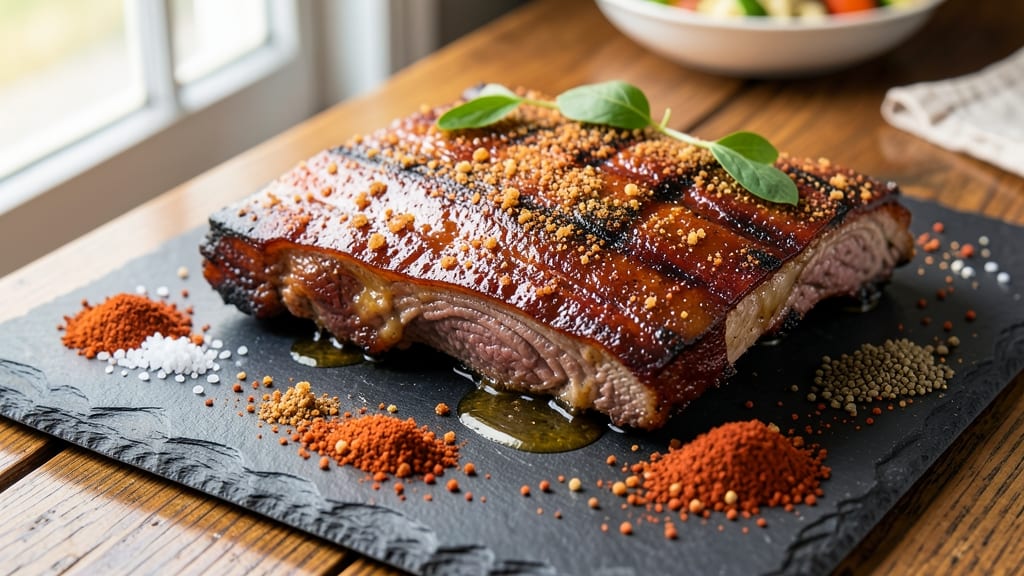
This beef back ribs oven dry rub transforms tough cuts into fall-off-the-bone tenderness with a smoky, spiced crust that rivals competition-winning techniques. The secret lies in balancing sweet, savory, and heat—just 7 simple ingredients that cling to every rib, caramelizing into a flavorful bark during cooking.
I've perfected this blend over years of slow-cooked experiments, and it never fails to deliver restaurant-quality results at home.
The magic happens in the ratio: brown sugar for caramelization, paprika for depth, and cayenne for subtle heat—all ground together into a fine, even powder that sticks perfectly.
Unlike store-bought rubs, this version uses real spices (not salt-heavy blends) to create complex layers of flavor without overwhelming the natural beef taste. The rub works equally well whether you smoke, grill, or bake your ribs.
What you'll achieve is ribs with a deeply aromatic crust that cracks when cut, revealing tender meat underneath. The spices penetrate during cooking, infusing every bite with smoky-sweet complexity. This isn't just seasoning—it's the foundation for showstopping ribs that impress even the most critical BBQ judges.
Store the dry rub in an airtight container for up to 6 months, ready to elevate any beef dish. Apply generously before cooking for maximum flavor impact. The precise measurements ensure consistent results every time—no guesswork, just guaranteed tenderness. Let's create this flavor-packed blend!
Ingredients for beef back ribs recipe oven dry rub
Seven simple spices and sugars that turn tough ribs into competition-worthy masterpieces.
| Ingredient | Amount | Notes |
|---|---|---|
| Light Brown Sugar 🍚 | ½ cup | Packed tightly for caramelization |
| Smoked Paprika 🌶️ | 2 tbsp | High-quality smoked variety |
| Ground Black Pepper 🌶️ | 1 tbsp | Freshly ground for best flavor |
| Cayenne Pepper 🔥 | 1 tsp | Adjust for desired heat level |
| Kosher Salt 🧂 | 1 ½ tbsp | Diamond Crystal preferred |
| Ground Cumin 🌿 | 1 tbsp | Toasted for deeper aroma |
| Garlic Powder 🧄 | 1 tbsp | Freshly ground preferred |
The brown sugar is non-negotiable—it's what creates that caramelized crust that cracks beautifully when cut. Muscovado or dark brown sugar adds even more depth if you've got it, but regular light brown works perfectly fine. For the paprika, Penzeys or McCormick smoked are my go-tos—they've got that authentic smokiness that store-brand versions often lack. The cumin and garlic powder should be freshly ground if possible, but pre-ground works in a pinch. I always buy spices in small quantities from Whole Foods bulk section to keep them fresh, but the regular grocery store stuff is fine as long as it's not ancient.
No smoked paprika? Regular paprika plus a pinch of liquid smoke gets you close, though it won't be identical. Running short on cayenne? Red pepper flakes at half the amount works, but you'll lose that subtle heat. The salt is crucial—don't skip it. If you're using a different brand, measure it out first since Diamond Crystal is finer than most. For a sweeter rub, add an extra tablespoon of sugar. Want more heat? Double the cayenne. This blend is flexible—adjust to your taste but keep the ratios balanced.
Store this rub in an airtight container away from light and moisture—it'll keep for 6 months if properly sealed. I use a small glass jar with a tight lid, and it lasts through multiple rib sessions. For best results, apply the rub generously (about 1.5 tablespoons per pound of ribs) and let it sit for at least 30 minutes before cooking. The longer it rests, the more flavor it develops. Double the batch—you'll want it on hand for future BBQ adventures.
Why You'll Love This Recipe
- Five-Ingredient Magic: I swear by this dry rub—just mix those five pantry staples (brown sugar, paprika, peppers, salt) and call it done. No fancy preps, no stress, just slather and bake while you scroll or sip your coffee.
- Sweet-Smoky Crunch: That caramelized crust from the brown sugar and smoked paprika? Chef’s kiss. The cayenne adds just enough heat to wake up your taste buds, while the black pepper keeps it balanced—like a hug from a campfire.
- Tailgate or Tuesday: Serve these at a backyard BBQ with zero fuss, or pull them from the oven when you’re too tired to cook. (Yes, even on a Tuesday.) They’re hearty enough for game day but simple enough for a lazy night in.
- Leftovers That Don’t Suck: Unlike other ribs, these actually get better the next day—the meat stays tender, the rub clings, and you’ll find yourself sneaking bites straight from the fridge. No sad, dry leftovers here.
Step-by-step instructions for smoky-spiced back ribs
Here's how to transform tough beef ribs into melt-in-your-mouth perfection using this bold dry rub.
Prepare the Ribs for Maximum Flavor
Start by trimming any excess fat from the ribs, leaving just a thin layer to protect the meat during cooking. I like to use a sharp boning knife for this—it gives you better control than a chef's knife. Pat the ribs completely dry with paper towels, inside and out. This drying step is crucial because moisture prevents the rub from sticking properly and creates steam that can make your bark soggy.
Place the ribs on a wire rack set over a baking sheet. This allows air to circulate underneath, preventing the meat from steaming and helping the rub develop a proper crust. Let them sit at room temperature for 30 minutes before applying the rub. This ensures even cooking and better rub adhesion.
Create the Perfect Dry Rub
In a medium bowl, combine all 0.5 cup light brown sugar, 2 tbsp smoked paprika, 1 tbsp ground black pepper, 1 tsp cayenne pepper, 1.5 tbsp kosher salt, 1 tbsp ground cumin, and 1 tbsp garlic powder. I use my fingers to break up any clumps in the brown sugar—this ensures even distribution when we apply it later.
This blend works magic because the brown sugar caramelizes during cooking, creating that beautiful crust while the smoked paprika and cumin add deep, smoky complexity. The cayenne brings just enough heat to wake up your taste buds, while the black pepper and garlic powder round out the flavor profile. Mix thoroughly until the rub has a uniform color and texture.
Coat the Ribs Thoroughly
Generously coat both sides of the ribs with the dry rub, pressing it firmly into the meat so it adheres well. I like to use my hands for this—it helps the rub penetrate the crevices and ensures even coverage. Don't be shy with the amount; you want a thick, visible layer that will develop into that coveted bark.
Here's the thing—this is where the magic happens. The rub needs direct contact with the meat to create that flavorful crust. If you're working with a large rack, you might need to make two batches of the rub. Let the coated ribs sit at room temperature for 1 hour before cooking. This resting period allows the rub to penetrate slightly and the meat to come closer to room temperature, ensuring even cooking.
Bake to Fall-Off-the-Bone Tenderness
Preheat your oven to 275°F—this lower temperature is key for achieving tender ribs without drying them out. Place the ribs on a wire rack set over a baking sheet (same setup as before) and bake for 3 hours. This long, slow cook time breaks down the connective tissue, transforming tough meat into something that practically falls apart.
After 3 hours, increase the oven temperature to 450°F and continue baking for another 20-30 minutes. This final high-heat phase creates that beautiful caramelized bark while keeping the meat tender inside. You'll know it's done when the internal temperature reaches 195-203°F and the ribs are fork-tender with a deep mahogany crust.
Rest and Serve for Maximum Juiciness
Remove the ribs from the oven and let them rest on a cutting board for 10-15 minutes before serving. This resting period is crucial—it allows the juices to redistribute throughout the meat instead of running out when you cut into them. I like to tent them loosely with foil to keep them warm during this time.
Here's what you're aiming for: ribs that have a dark, glossy bark on the outside and meat that pulls apart easily with just a gentle tug. The flavors should be complex—smoky from the paprika, sweet from the caramelized sugar, with a subtle heat from the cayenne. Serve with classic barbecue sides like coleslaw or baked beans to complement the rich, smoky flavors.
Pro Tips For Making Beef Back Ribs Recipe Oven Dry Rub
- CRANK THE HEAT: Start these ribs at 425°F—no half-measures. I used to bake them at 375°F and ended up with dry, overcooked meat by the time the crust formed. High heat in the first 30 minutes caramelizes that brown sugar fast and locks in moisture before the slow cook.
- GRIND YOUR OWN SALT: Skip pre-ground kosher salt—it clumps like a nightmare. Freshly crushed flakes stick to the ribs better and dissolve evenly into the rub. If you’re lazy, at least shake the container hard before measuring; I’ve learned this the hard way when my rub turned into a paste.
- DON’T SKIP THE REST: Let the ribs sit uncovered on a rack for 10 minutes after baking—yes, even if they look perfect. I was skeptical until I tried it: the crust stays crisp, and the meat doesn’t turn soggy when you slice. (Your future self will thank you.)
- BALANCE THE CAYENNE: Start with ½ teaspoon cayenne per pound of ribs, then taste the rub before applying. I’ve ruined batches by going overboard—now I mix it into the sugar first to mellow the heat. If you’re serving kids or sensitive eaters, halve it and adjust to taste.
Serving suggestions for this dish
Classic BBQ Sides
Serve your perfectly rubbed ribs with creamy coleslaw made from shredded cabbage, carrot, and a tangy buttermilk dressing. I love adding a pinch of cayenne to the dressing for a subtle kick that mirrors the rub's heat.
For a heartier option, try baked beans with a splash of bourbon and a sprinkle of smoked paprika—it ties beautifully into the smoky flavors of the ribs. 🥬
Another crowd-pleaser is cornbread with a touch of honey and black pepper. The sweetness balances the savory ribs, while the pepper echoes the black pepper in your dry rub. For a lighter touch, potato salad with a mustard-based dressing adds a refreshing contrast to the rich, caramelized crust.
Sauce Pairings
While the dry rub creates a bold flavor profile, a light drizzle of sauce can elevate the dish further. I recommend a smoky tomato-based sauce with just enough sweetness to complement the caramelized bark.
Brands like Sweet Baby Ray's or Stubb's work well, but for a homemade option, simmer San Marzano tomatoes, apple cider vinegar, and a touch of brown sugar for depth. 🍅
Avoid heavy, sweet sauces that can overwhelm the ribs' natural flavors. Instead, opt for a vinegar-based mop (like apple cider vinegar mixed with a pinch of salt) to baste the ribs during the last 20 minutes of cooking. This adds brightness without masking the rub's complexity.
Beverage Pairings
For a refreshing contrast, serve sweet tea with a splash of lemon juice—the acidity cuts through the richness of the ribs. A light lager like Peroni or Bud Light also works well, as its crispness balances the smoky, spiced flavors.
For something stronger, a bourbon or rye whiskey with a splash of water and ice highlights the caramelized notes in the rub. 🍺
If you prefer wine, a dry red like Cabernet Sauvignon or Zinfandel pairs beautifully with the bold flavors. The tannins in the wine complement the smoky paprika and black pepper, while the acidity keeps the palate clean.
Avoid overly oaky whites or sweet wines, as they can clash with the rub's intensity.
Presentation Tips
Slice the ribs between the bones for easy serving, arranging them on a large platter with the caramelized bark facing up. Garnish with fresh cilantro or green onions for a pop of color and freshness.
For a rustic touch, serve on a wooden board or cast-iron skillet to emphasize the BBQ theme. 🍴
Label your dry rub on a small chalkboard or card next to the ribs—it adds a professional touch and lets guests know the secret behind the incredible flavor. If serving at a gathering, pre-slice the ribs and arrange them on a slow cooker liner for easy transport and serving.
Nutrition facts
Frequently asked questions
Can I use this dry rub on other meats besides beef back ribs?
This versatile rub works beautifully on pork ribs, brisket, chicken thighs, or even steaks. The smoky-sweet balance translates well to other beef cuts like short ribs or chuck roast. For poultry, reduce the cayenne to ½ teaspoon to avoid overpowering the meat.
How do I adjust the heat level in this rub?
For milder ribs, reduce the cayenne to ½ teaspoon or omit it entirely. If you love heat, increase to 1.5 teaspoons and add ½ teaspoon of crushed red pepper flakes. Always taste the rub before applying—start with a pinch to test the spice intensity.
Why does my rub turn clumpy when I mix it?
Clumping happens when spices absorb moisture or sugar crystals form. To prevent this, store your rub in an airtight container with a silica packet (like those in coffee bags). If clumps appear, simply crush them with your fingers or a fork before applying. For extra smoothness, sift the rub through a fine-mesh strainer.
Can I make this rub without smoked paprika?
Yes! Mix 1.5 tbsp regular paprika with ½ teaspoon liquid smoke for a similar effect. Alternatively, use 1 tbsp paprika + 1 tsp chipotle powder for deeper smokiness. The flavor won't be identical, but it'll still deliver great results.
How much rub should I use per pound of ribs?
Use about 1.5 tablespoons of rub per pound of ribs for optimal flavor and crust development. For extra crispy bark, increase to 2 tablespoons per pound. Apply generously to both sides and press firmly—this ensures maximum adhesion and flavor infusion during cooking.