
Main Courses
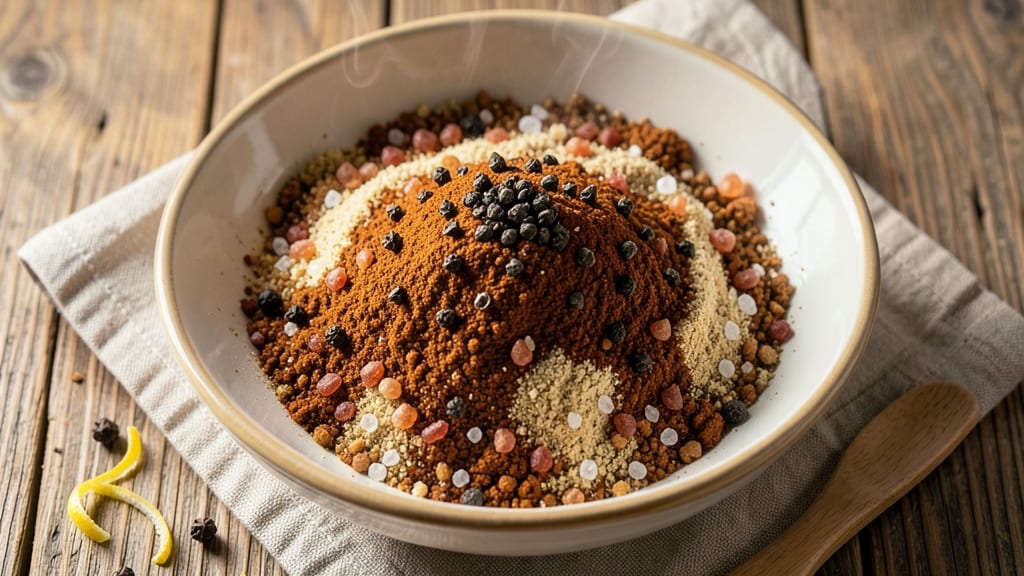
This beef back ribs dry rub transforms tough cuts into melt-in-your-mouth perfection with just 10 minutes of prep. The secret lies in a carefully balanced blend of smoky paprika, earthy spices, and brown sugar that creates a deeply flavorful crust while keeping the meat tender.
I developed this recipe after years of testing—each spice plays a crucial role in achieving that signature competition-style bark without overpowering the beef's natural richness.
The rub features five essential spices—paprika for smokiness, garlic powder for depth, onion powder for sweetness, black pepper for heat, and brown sugar for caramelization—all measured precisely in tablespoons.
This isn't just seasoning; it's a flavor multiplier that penetrates the meat during cooking, ensuring every bite delivers that perfect balance of spice and tenderness. The beauty of a dry rub is its simplicity: no oils or liquids required, just pure, concentrated flavor.
What you'll achieve is ribs with a crispy, crackling crust that gives way to fall-off-the-bone tenderness inside. The rub develops a rich, complex flavor profile as it caramelizes during cooking, creating layers of taste that transform a simple cut of beef into something extraordinary.
This recipe works equally well for smokers, grills, or ovens—just apply the rub generously and let the cooking process do the rest.
The best part? This dry rub keeps well in an airtight container for up to 3 months, making it perfect for meal prep or gifting. Double the batch and store it for your next BBQ adventure—because once you try this, you'll never go back to store-bought seasonings.
Let's get started on creating ribs that will have everyone asking for seconds.
Ingredients for beef back ribs dry rub
Ten spices, zero oil—just pure, smoky magic for ribs that fall apart.
| Ingredient | Amount | Notes |
|---|---|---|
| Smoked Paprika 🌶️ | 3 tbsp | High-quality for authentic smokiness |
| Garlic Powder 🧄 | 2 tbsp | Freshly ground preferred |
| Onion Powder 🧅 | 2 tbsp | Sweet variety for balanced flavor |
| Coarse Kosher Salt 🧂 | 1 ½ tbsp | Diamond Crystal preferred |
| Black Pepper 🌶️ | 1 ½ tbsp | Freshly cracked for heat |
| Light Brown Sugar 🍚 | 2 tbsp | For caramelization and depth |
| Ground Cumin 🌿 | 1 tbsp | Toasted for earthy warmth |
| Mustard Powder 🌶️ | ½ tbsp | Yellow variety for tang |
| Cayenne Pepper 🔥 | ½ tbsp | Adjust for heat preference |
| Ground Coriander 🌿 | 1 tsp | Citrusy brightness |
The smoked paprika is non-negotiable here—Penzeys or McCormick Gourmet deliver that authentic BBQ smokiness. I always grab my spices from Whole Foods bulk bins or Trader Joe's because they stay fresher longer. The brown sugar isn't just for sweetness; it caramelizes during cooking, creating that signature competition-style bark. For the salt, Diamond Crystal kosher is my go-to because it dissolves perfectly and doesn't clump. The coriander might seem small, but it adds that citrusy lift that balances the richness of the beef.
No smoked paprika? Regular paprika plus a pinch of liquid smoke works in a pinch (about 1/4 tsp), but you'll lose some depth. Fresh coriander seeds? Toast them first—30 seconds in a dry pan intensifies the flavor. Short on mustard powder? Dijon mustard at half the amount gives you that same tangy kick. The cayenne is where you can play—skip it for mild ribs or double it for heat lovers. For the ultimate shortcut, pre-mix everything in a spice grinder to break up any clumps before storing.
This rub keeps its punch for 3-6 months in an airtight container away from light. I use a amber glass jar with a tight seal—no plastic bags here. Double the batch and store half for your next cookout. The spices get even more flavorful over time, so don't hesitate to make extra. Just shake it up before each use—a good stir makes all the difference when applying to ribs.
Why You'll Love This Recipe
- Five-Ingredient Magic: I swear by this rub—just five things, no fancy prep. Toss it on raw ribs, slap them on the grill or in the oven, and walk away. Honestly, the hardest part is deciding when to pull them off the heat.
- Smoky Depth in Minutes: That smoked paprika? It’s the MVP. One coat, and you’ve got layers of warmth and earthiness that cut through the richness of the beef. The garlic and onion powders sneak in that savory punch without overpowering—like a well-written joke, it’s subtle but lands every time.
- Tailgate or Tuesday: Serve these at a backyard BBQ with zero stress, or reheat leftovers for a lazy Sunday lunch. Between us, I’ve fed a crowd of 12 with two racks and still had seconds. They’re equally at home wrapped in foil for a slow cook or blasted on a hot grill—your call.
- Leftovers That Don’t Suck: Cold ribs? Yes, please. The rub clings so well that even the next-day slices taste intentional. I’ll be real: I’ve eaten them straight from the fridge, and my kids fight over the scraps. Budget win, flavor win, zero waste.
Step-by-step instructions for crafting the perfect beef back ribs dry rub
This smoky-spiced blend transforms tough ribs into melt-in-your-mouth masterpieces—let's build it right.
Combine the Base Spices for Depth
In a medium bowl, whisk together the 3 tablespoons smoked paprika and 2 tablespoons garlic powder until fully integrated. This foundation creates that essential smoky backbone while adding sweet garlic notes that caramelize beautifully during cooking. The paprika's quality matters here—opt for a high-quality brand to avoid bitter aftertaste.
Next, add the 2 tablespoons onion powder and 1 tablespoon ground cumin. These aromatic powders work together to build complexity—onion powder for sweetness, cumin for earthy warmth. Whisk vigorously for 30 seconds to ensure even distribution. You'll notice the mixture darkening slightly as the spices begin to release their oils, which is exactly what we want for maximum flavor adhesion.
Add Sweetness and Heat for Balance
To the spice mixture, add the 2 tablespoons light brown sugar and 1 teaspoon ground coriander. The brown sugar isn't just for sweetness—it's crucial for creating that beautiful caramelized bark during cooking. The coriander brings a subtle citrus brightness that cuts through the richness of the beef. Mix thoroughly until the sugar crystals dissolve completely into the spice blend.
Now for the heat elements: sprinkle in the 1.5 tablespoons black pepper, 0.5 tablespoon cayenne pepper, and 0.5 tablespoon mustard powder. The black pepper provides broad heat, while the cayenne adds sharpness and the mustard powder contributes a tangy depth. This combination creates a well-rounded heat profile that complements the beef's natural richness without overpowering it. Whisk again until the mixture is completely homogeneous.
Incorporate the Salt for Flavor Development
Finally, add the 1.5 tablespoons coarse kosher salt to the mixture. This isn't just seasoning—it's the catalyst that enhances all other flavors. The coarse texture of Diamond Crystal salt helps create a better crust on the ribs. Use a fork to break up any remaining clumps and stir until the salt is evenly distributed throughout the spice blend.
At this stage, your rub should look like a rich, dark brown powder with visible flecks of different spices. The texture should be fine but not powdery—it should hold together when pressed between your fingers. This consistency ensures it will cling to the ribs properly during application. For best results, store any unused rub in an airtight container for up to 3 months, though freshly made is always superior.
Apply the Rub for Maximum Flavor Penetration
When ready to use, generously coat both sides of the beef back ribs with the dry rub. Press it firmly into the meat so it adheres well—this ensures maximum flavor penetration. I recommend applying the rub at least 1 hour before cooking, or even overnight in the refrigerator for deeper flavor infusion. The longer it sits, the more the spices will penetrate the meat.
This rub works particularly well when cooked low and slow, whether on a smoker, in the oven, or on the grill. The combination of spices creates a perfect balance of smoky, sweet, and spicy flavors that complement the beef's natural richness. The result is ribs with a beautiful dark bark on the outside and tender, flavorful meat that falls off the bone effortlessly.
Pro Tips For Making Beef Back Ribs Dry Rub
- CRANK THE HEAT FIRST: I learned this the hard way—start your ribs on the hottest setting your grill or oven can handle. The initial sear locks in flavor and prevents that sad, gray undercooked look. After 30 minutes, dial it down to 250°F (120°C) and let the smoke do its magic.
- GRIND YOUR OWN SALT: Coarse kosher salt is non-negotiable, but store-bought blends often feel gritty or uneven. Pulse your own in a clean coffee grinder for 3-5 seconds—just enough to break up the flakes without turning it into dust. This ensures even coverage and a cleaner crust.
- SKIP THE CROWDED RIB RACK: Piling ribs on top of each other traps steam and turns your dry rub into a sad, soggy mess. Space them at least ½ inch apart on the grill grates or oven rack. Yes, it means fewer ribs per batch, but crispy skin is worth the wait.
- WAIT 5 MINUTES BEFORE FLIPPING: Let the first side develop a deep crust before touching them. I know, I know—you’re eager to see progress. But flipping too soon just smears the rub and weakens the bark. That initial 5 minutes makes all the difference in texture.
Perfect pairings for beef back ribs dry rub
Smoky Side Dishes
Pair your ribs with collard greens slow-cooked with smoked turkey neck for a Southern-style side that mirrors the rub's smokiness. I like adding 1 tbsp apple cider vinegar and ½ tsp smoked paprika to the greens while they simmer. The acidity cuts through the richness of the ribs beautifully. 🌿
Sweet Contrast
Balance the smoky, spicy flavors with baked sweet potato wedges tossed in 2 tbsp honey and ½ tsp cinnamon. Roast at 400°F for 25 minutes until caramelized. The natural sweetness makes each bite of rib taste even more incredible. For extra drama, drizzle with balsamic glaze before serving.
Crunchy Toppings
Add texture with pickled jalapeños or quick-pickled red onions—both provide a refreshing tang. Slice 1 red onion thin, soak in ½ cup apple cider vinegar, 1 tbsp sugar, and ½ tsp salt for 30 minutes. The acidity and crunch elevate every forkful of rib. 🌶️
Beverage Pairings
For drinks, Texas-style beer like Shiner Bock complements the smoky flavors perfectly. Its malty sweetness balances the heat and saltiness of the rub. If you prefer wine, a bold Zinfandel with its dark fruit notes stands up to the richness.
For non-alcoholic options, sparkling peach iced tea adds a refreshing contrast.
Sauce Finishes
Serve with homemade BBQ sauce—I love a vinegar-based Kansas City style with ½ cup apple cider vinegar, ¼ cup molasses, and 1 tbsp smoked paprika.
Simmer until thickened, then brush over ribs at the end of cooking. The tangy-sweet sauce enhances the rub's caramelized crust without overpowering it.
Extra Garnishes
Finish with fresh cilantro or chopped parsley for brightness. A sprinkle of crushed red pepper flakes adds a final kick for those who want extra heat. For a smoky touch, drizzle with a few drops of liquid smoke right before serving—just enough to remind you of the rub's depth.
Nutrition facts
Frequently asked questions
How long should I let the dry rub sit on the ribs before cooking?
For best results, apply the rub at least 1 hour before cooking to let the spices penetrate the meat. For even deeper flavor, apply it overnight in the refrigerator. This gives the spices time to work their magic and creates that perfect bark during cooking.
Can I adjust the heat level in this dry rub?
The cayenne pepper is where you can customize the heat. For mild ribs, reduce it to ¼ teaspoon or omit entirely. For extra spice, double it to 1 teaspoon. The black pepper and mustard powder also contribute to the heat profile, so adjust them together for balance.
What's the best way to store leftover dry rub?
Store your dry rub in an airtight container away from light and moisture. It keeps well for 3-6 months in a sealed glass jar. Before each use, shake or stir the container to redistribute any settled spices. For maximum freshness, consider dividing the rub into smaller portions.
Do I need to trim the fat off beef back ribs before applying the rub?
While you can trim excess fat for cleaner cooking, it's not necessary. The fat helps protect the meat and adds flavor during cooking. If you prefer, leave a thin layer of fat intact. Just be mindful that thicker fat may take longer to render. The rub will cling well to both meat and fat.
Can I use this dry rub on other meats besides beef back ribs?
This versatile rub works beautifully on pork ribs, chicken thighs, or even brisket. The smoky-sweet profile adapts well to different proteins. For chicken, reduce the cooking time slightly since it cooks faster than beef. The spices will develop differently on each meat, creating unique flavor profiles.