
Sauces & Condiments
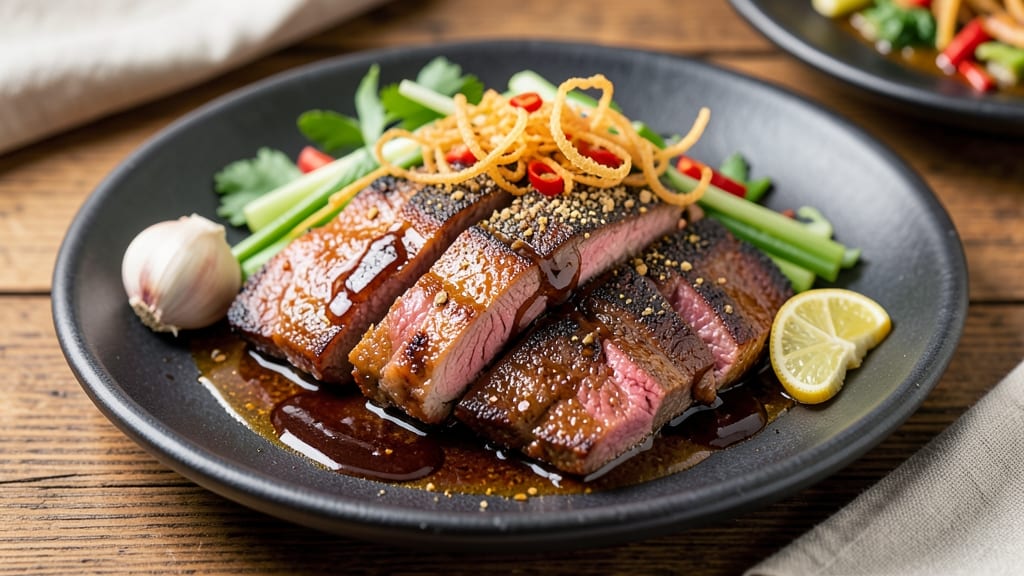
This beef BBQ marinade recipe Pinoy transforms tough cuts into melt-in-your-mouth masterpieces with a bold fusion of Filipino flavors. The secret lies in balancing soy sauce’s umami depth with cumin’s earthy warmth, creating a marinade that tenderizes while building layers of complex taste.
I developed this after years of experimenting with Filipino grilling techniques, and it’s now my go-to for anything from skewers to whole cuts.
The magic happens when you let the marinade work its way into the beef for at least 4 hours—preferably overnight—for maximum flavor penetration and tenderness. This isn’t just about seasoning; it’s about transforming simple beef into something restaurant-worthy with just 8 ingredients and 10 minutes of prep.
The combination of garlic, ginger, and vinegar creates a bright, aromatic base that pairs perfectly with the smoky char of grilling.
What makes this marinade special is its versatility—it works equally well for quick grilled steaks or slow-smoked ribs, delivering that signature Filipino tang and depth in every bite.
The soy-cumin fusion creates a flavor profile that’s both familiar and exciting, with just the right balance of sweet, salty, and smoky notes. Trust me, once you try this, your backyard BBQs will never be the same.
Best of all, this marinade keeps beautifully in the fridge for up to 2 weeks, making it perfect for meal prep or when you want to have flavor on hand for spontaneous grilling sessions.
The instructions are straightforward, and the results are consistently impressive—no advanced techniques required. Let’s get started on creating your next BBQ showstopper.
Ingredients for beef bbq marinade recipe pinoy
Eight ingredients blend Filipino boldness with smoky depth for unbeatable grilled beef flavor.
| Ingredient | Amount | Notes |
|---|---|---|
| Soy Sauce 🍶 | ½ cup | High-quality, light soy preferred |
| Ground Cumin 🌿 | 2 tbsp | Toasted for deeper flavor |
| Garlic Cloves 🧄 | 8 cloves | Freshly minced for brightness |
| Fresh Ginger 🌿 | ½ cup | Finely grated, not powdered |
| White Vinegar 🍋 | ¼ cup | Or cane vinegar for depth |
| Brown Sugar 🍚 | ¼ cup | Light or dark variety |
| Olive Oil 🫒 | ¼ cup | Extra-virgin for richness |
| Black Peppercorns 🌶️ | 1 tsp | Freshly cracked preferred |
The soy sauce is non-negotiable—Kikkoman or Silver Swan are my go-tos, but any good-quality light soy will do. Toast your cumin seeds in a dry pan for 30 seconds before grinding to wake up those flavors. Fresh ginger and garlic are essential here; powdered versions just don’t cut it. For vinegar, cane vinegar adds a subtle sweetness that works beautifully, but white vinegar is fine if that’s what you’ve got. The brown sugar isn’t just for sweetness—it helps caramelize during grilling, creating that signature Filipino stickiness.
No fresh ginger? Powdered works at half the amount, but you’ll lose some of that bright zing. Short on soy sauce? Coconut aminos in a pinch—it’s got a slightly sweeter profile but still delivers. Want more heat? Add a dash of chili flakes or sriracha to the mix. The olive oil is what helps the marinade cling to the beef, so don’t skimp—extra-virgin makes all the difference when you’re grilling. If you’re using this for smoking, you can reduce the vinegar slightly to avoid too much acidity in the final dish.
This marinade keeps for 2 weeks in the fridge in an airtight container, so make a big batch. The flavors actually improve over time as everything melds together. For best results, let the beef marinate for at least 4 hours, but overnight is ideal. If you’re prepping ahead, you can freeze portions for up to 3 months—just thaw in the fridge before using. The leftovers make an amazing stir-fry sauce too, so don’t toss any!
Why You'll Love This Recipe
- No Chopping Needed: I keep a jar of this marinade in the fridge—just grab the soy sauce, minced garlic (or pre-minced from a jar), and ginger I grate in 30 seconds. The cumin and vinegar do all the work while I’m still deciding what to cook.
- Umami Bomb: That first whiff of garlic and ginger sizzling in the pan? It’s the kind of aroma that makes you pause mid-conversation. The soy and vinegar combo turns tough beef into something so tender and rich, it tastes like a restaurant dish.
- Weeknight Hero: Slather it on steak strips for quick skewers, toss it with ground beef for burgers, or even drizzle it over stir-fried rice. Honestly, I’ve used it for everything from slow-cooked beef to a 15-minute pan-seared dinner—no excuses for boring meals.
- Budget Magic: A single batch costs pennies and stretches forever. I’ve marinated 2 pounds of beef with one jar’s worth, and the leftovers? Perfect for freezing or turning into a quick sauce for noodles. My grocery bill thanks me every time.
Step-by-step instructions for beef BBQ marinade
Here's how to blend these bold flavors into a marinade that transforms grilled beef.
Toast the Ground Cumin for Depth
Heat a dry skillet over medium heat and add the 2 tablespoons ground cumin. Toast for 1-2 minutes, stirring constantly until you can smell that warm, earthy aroma—it should look slightly darker and more aromatic than when you started. This toasting step unlocks the cumin's full potential, giving your marinade that deep, toasty complexity that sets it apart.
Let the cumin cool completely before adding it to your marinade mixture. If you add it while still hot, it can cook off the garlic and ginger flavors before they've had a chance to meld. I like to spread it on a plate and let it sit for 5 minutes to cool fully. This patience pays off in the final flavor profile.
Mince Garlic and Grate Ginger Precisely
Peel and finely mince the 8 cloves garlic using a sharp knife or garlic press. You want tiny, almost paste-like pieces that will dissolve completely into the marinade. For the ½ cup fresh ginger, use a fine grater to create a smooth, fine pulp. The goal is to maximize surface area—this ensures the flavors infuse deeply into the beef during the marinating process.
I find that grating ginger works better than mincing because it creates a smoother texture that won't clump in the marinade. If you're using a microplane, you might get even more surface area, but a fine grater works perfectly fine. Set these aside in separate bowls until ready to combine.
Whisk Together Wet Ingredients
In a large bowl, combine the ½ cup soy sauce, ¼ cup white vinegar, ¼ cup brown sugar, and ¼ cup olive oil. Whisk vigorously for 1 minute until the brown sugar dissolves completely and the mixture becomes smooth and homogeneous. You want to break up any sugar crystals that might form, as they can create an uneven marinade texture.
The vinegar helps cut through the richness of the olive oil and soy sauce, while the brown sugar adds a subtle caramelization that enhances the overall depth of flavor. This is where the marinade starts to come together—don't rush this step. The sugar needs time to fully integrate, and the vinegar should be well-distributed for proper acidity balance.
Incorporate Aromatics and Finish with Pepper
Add the toasted cumin, minced garlic, and grated ginger to the wet ingredients. Stir well to combine, then add the 1 teaspoon black peppercorns. If you have a pepper grinder, crack the peppercorns fresh for maximum aroma. The mixture should be thick but pourable—if it's too thick, add 1-2 tablespoons water to reach your desired consistency.
Taste the marinade at this point. It should be bold, with a perfect balance of salty (soy sauce), sweet (brown sugar), tangy (vinegar), and aromatic (cumin, garlic, ginger). If it needs more salt, add a pinch at a time. If it needs more sweetness, add a bit more brown sugar. This is your chance to adjust before it's too late.
Marinate the Beef for Maximum Flavor
Place your beef in a resealable plastic bag or shallow dish and pour the marinade over it, ensuring it's completely coated. For best results, marinate for at least 4 hours, but I recommend 8 hours to overnight in the refrigerator. The longer it marinates, the more the flavors penetrate the meat, resulting in a juicier, more flavorful grill.
When ready to grill, remove the beef from the marinade and let it sit at room temperature for 30 minutes before cooking. This allows the surface to sear better and prevents the marinade from boiling off too quickly. The leftover marinade can be reduced by half on the stovetop for a delicious glaze to drizzle over the finished beef.
Pro Tips For Making Beef Bbq Marinade Recipe Pinoy
- GRATE THE GINGER: DESCRIPTION: Skip the mincer—freshly grated ginger packs more punch and blends smoother. I learned this the hard way after using pre-minced ginger that tasted dull and watery. For this marinade, use about 1 tablespoon of grated ginger (peeled, of course) and let it sit in the soy sauce for at least 15 minutes—it’ll soften and release its heat.
- TOAST THE CUMIN: DESCRIPTION: Dry-toast the ground cumin in a small pan for 30 seconds until it smells nutty and aromatic. This simple step deepens its flavor and cuts through the vinegar’s sharpness. I used to skip it, and the marinade always tasted flat—like someone forgot to season it properly.
- SMASH THE GARLIC: DESCRIPTION: Peel the garlic cloves, then smash them with the flat side of your knife instead of mincing. This keeps the marinade from turning into a mushy paste and ensures even distribution. For this recipe, 4-5 cloves work perfectly—just enough to add depth without overpowering the soy and vinegar.
- MARINATE MINIMUM 4 HOURS: DESCRIPTION: Resist the urge to grill the beef right after mixing—let it soak for at least 4 hours (overnight is better). The vinegar and soy need time to tenderize the meat, and the cumin’s warmth will mellow out. I once rushed it and ended up with tough, flavorless bites—don’t make that mistake.
Regional styles of this dish
Filipino Grilling Style
In the Philippines, marinades like this are the backbone of barbecue culture, especially for dishes like isaw (grilled beef intestines) or tapa (grilled beef slices).
The key difference is using calamansi juice instead of vinegar—if you can find it, swap the white vinegar for 2 tbsp calamansi juice for that signature Filipino tang. This marinade works perfectly for skewered beef like betamax, where the flavors caramelize beautifully over charcoal. 🌶️
Okinawa-Inspired Fusion
Filipino cuisine blends seamlessly with Japanese influences, especially in Okinawa. For a fusion twist, add 1 tbsp mirin and ½ tsp grated yuzu peel to the marinade. This creates a sweeter, citrus-forward profile that pairs wonderfully with ribeye or short ribs.
The marinade works equally well for yakitori-style skewers or slow-smoked beef. I love using this version for summer grilling when I want a lighter, brighter flavor.
Pampanga-Style Sweet Heat
Pampanga, known as the culinary capital of the Philippines, takes marinades to another level with their signature sweet and smoky profile. Add 1 tbsp banana ketchup and ½ tsp annatto powder (for color) to this marinade for an authentic Pampanga touch.
This version is perfect for beef short ribs or adobo-style braising, where the sweetness balances the acidity beautifully. The annatto gives it that gorgeous orange hue too!
Balut-Inspired Umami Bomb
For a truly unique twist, add 1 tbsp fermented shrimp paste (bagoong) to the marinade. This might sound unusual, but it adds an incredible umami depth that works amazingly with tougher cuts like flank steak or beef brisket.
The fermentation process creates complex flavors that pair perfectly with the soy and cumin. If you can't find bagoong, 1 tbsp fish sauce works as a substitute. The result is a marinade that's rich, complex, and full of character. 💫
Smoked Beef Adaptation
For smoked beef like Filipino-style kare-kare (though traditionally a stew), reduce the vinegar to 2 tbsp and add 1 tbsp coconut milk to the marinade. This creates a creamier base that stands up to long smoking sessions. The coconut milk adds a subtle sweetness that complements the smoky flavors beautifully. I've used this version for beef short ribs smoked at 225°F for 6 hours, and the results are incredible—tender, flavorful, and perfect for serving with rice or in wraps.
Nutrition facts
Frequently asked questions
Can I use this marinade for chicken or pork instead of beef?
This marinade works beautifully with chicken thighs or pork chops, though you may want to reduce the marinating time to 2-4 hours for poultry to prevent over-tenderizing. For pork, 4-6 hours is ideal. The soy-cumin blend enhances all meats, but chicken benefits from slightly less acidity—consider reducing vinegar by 1 tablespoon if using for poultry.
How do I adjust this for a sugar-free version?
Replace the ¼ cup brown sugar with 2 tablespoons honey or 3 tablespoons sugar-free maple syrup for a diabetic-friendly option. For complete elimination, omit the sugar entirely and increase vinegar by 1 tablespoon to maintain balance. The marinade will be more acidic but still deeply flavorful—perfect for lean cuts like sirloin that don't need extra sweetness.
What's the best way to use leftover marinade?
Simmer the leftover marinade in a saucepan over medium-high heat for 5-7 minutes until reduced by half to create a glossy glaze. Drizzle over finished grilled beef or use as a dipping sauce for rice or spring rolls. For extra richness, whisk in 1 tablespoon butter at the end. Never reuse raw marinade that's touched uncooked meat—always reserve a portion before marinating.
Can I make this marinade without fresh ginger?
Yes! Substitute ½ cup fresh ginger with 1 tablespoon ground ginger (powdered), though the flavor will be slightly less bright. For better results, combine ½ teaspoon ground ginger with 1 teaspoon grated lemon zest to mimic the fresh ginger's citrusy depth. The marinade will still deliver that signature Filipino warmth, just with a slightly different texture profile.
Why does my beef turn out dry when using this marinade?
Over-marinating (beyond 12 hours) or using lean cuts like eye of round can cause dryness due to the acidity breaking down muscle fibers too much. For tougher cuts, marinate 4-8 hours max and pat dry before grilling. For lean meats, use ½ cup olive oil instead of ¼ cup in the marinade to add moisture. Always bring beef to room temperature before cooking to ensure even searing.