
Soups & Stews
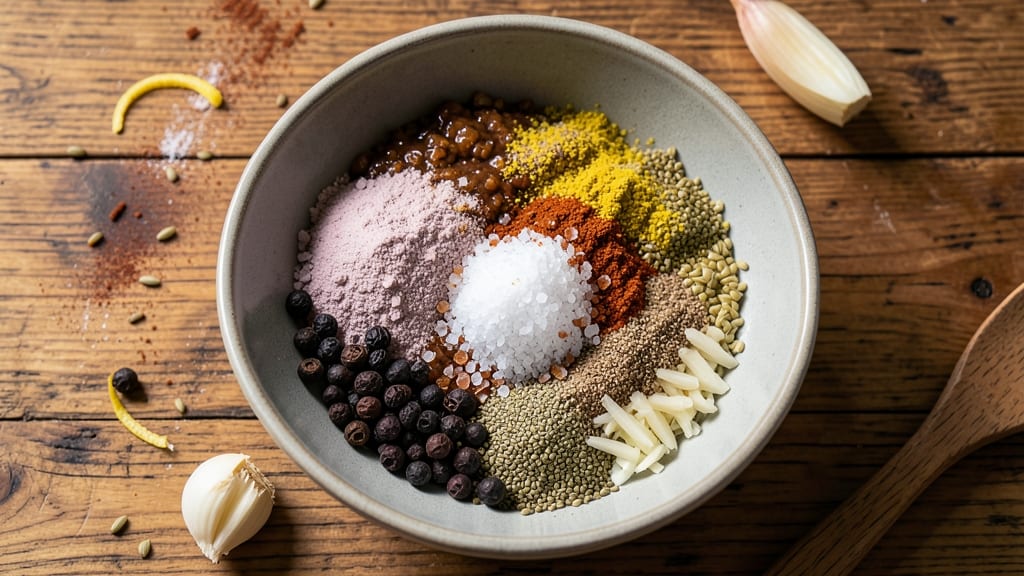
This beef bacon cure recipe transforms tough brisket into smoky, melt-off-the-bone slices—just like artisanal bacon but with deeper flavor and meaty satisfaction. The process combines precise curing (using a salt-nitrate mix) with traditional drying techniques to create bacon that's richer than pork versions, with a bold, beefy taste profile.
Safety is critical here: proper curing times and nitrate handling ensure delicious results without risk.
The magic lies in the two-phase method: first, a carefully measured cure penetrates the meat over 5-7 days, then slow drying (or smoking) develops that signature texture. Unlike pork bacon, beef requires longer curing—this isn't a weekend project, but the payoff is unmatched in flavor and texture.
We'll walk through exact measurements, fermentation stages, and drying techniques to guarantee perfect slices every time.
What you'll end up with is bacon that's tender yet firm, with a deep mahogany crust and fat that renders perfectly. The beefy richness pairs beautifully with eggs, salads, or as a standalone snack—think of it as a cross between bacon and steak, with all the smoky satisfaction.
This recipe delivers restaurant-quality results at home, with the confidence of knowing every step is science-backed and safe.
Storage is simple: vacuum-sealed bacon lasts 3 months in the fridge or 6 months frozen, making it perfect for meal prep. Whether you're a home chef or a curing enthusiast, this method transforms raw brisket into showstopping bacon that'll impress anyone who tries it.
Let's get started with the full process.
Ingredients for beef bacon cure
Precision-cured ingredients transform brisket into restaurant-quality beef bacon with bold, smoky depth.
| Ingredient | Amount | Notes |
|---|---|---|
| Beef Brisket Flat Cut 🥩 | 2 lb | Thin-cut, fat cap intact for flavor |
| Curing Salt No. 2 (Prague Powder) 🧂 | 1 tbsp | Contains 0.6% sodium nitrate |
| Kosher Salt 🧂 | ½ cup | Diamond Crystal preferred for precise measure |
| Black Peppercorns 🌶️ | 1 tbsp | Coarsely cracked for texture |
| Ground Coriander Seeds 🌿 | 1 tbsp | Freshly ground for aromatic depth |
| Ground Fennel Seeds 🌿 | 1 tsp | Toasted for enhanced sweetness |
| Granulated Garlic 🧄 | 1 tbsp | Finely minced for even distribution |
| Granulated Onion 🧅 | 1 tbsp | Finely minced for balanced flavor |
| Pure Maple Syrup 🍁 | 1 tbsp | Grade B preferred for molasses notes |
| Cider Vinegar 🍶 | 1 tbsp | White vinegar substitute acceptable |
| Mustard Powder 🌶️ | ½ tsp | Yellow or Dijon preferred |
| Smoked Paprika 🌶️ | ½ tsp | Spanish paprika for authentic flavor |
| Ice Water 💧 | 1 cup | For brine saturation |
| Butcher Paper 📄 | 1 sheet | For proper drying environment |
| Wooden Skewers 🪵 | 4 whole | For hanging during drying |
The brisket cut is non-negotiable—flat-cut with fat cap ensures proper curing penetration and rich flavor development. Local butchers or specialty meat markets carry ideal cuts, often labeled as 'bacon brisket' or 'thin-cut brisket'. For curing salt, Charlie's Cure #2 is a trusted brand among charcuterie artisans, though Prague Powder works equally well. The kosher salt should be Diamond Crystal (not Morton's) to avoid over-salting—its coarser grains measure more accurately. Freshly ground spices are essential; Penzeys Spices offers pre-ground options, but toasting whole seeds before grinding elevates flavor dramatically.
No Prague Powder? Substitute 1 tbsp curing salt no. 1 plus 1/4 tsp sodium nitrate, but handle nitrates with care. The maple syrup can be swapped for brown sugar at half the amount, though it lacks the subtle molasses notes. Vinegar shortages? Lemon juice works in a pinch, though it may slightly alter the pH balance. For the drying phase, butcher paper from The Paper Source creates the ideal humid environment—avoid plastic wrap, which traps moisture and promotes spoilage. Smoking enthusiasts can substitute the drying phase with indirect smoking at 165°F for enhanced flavor complexity.
The cured brisket requires 5-7 days in the fridge before drying, so plan ahead. Wrap tightly in plastic wrap during curing, then transfer to butcher paper for drying. Once fully dried, vacuum-sealed bacon maintains quality for 3 months refrigerated or 6 months frozen. For meal prep, slice into 1/4-inch strips and store in labeled containers—these freeze exceptionally well for quick breakfasts. The fat renders beautifully when cooked properly, delivering that coveted 'melt-off-the-bone' texture that makes this bacon so extraordinary.
Why You'll Love This Recipe
- No Fuss, Big Payoff: I swear by this cure—just rub the brisket with Prague powder, kosher salt, and crushed peppercorns, then let it rest overnight. No fancy equipment, no second-guessing. The flat cut stays tender while the edges get that addictive snap.
- Umami Bomb: That coriander seeds? They’re the secret weapon. Ground fine, they bloom into a warm, slightly citrusy depth that cuts through the saltiness. You’ll taste it in every bite—crispy, savory, and impossible to stop eating.
- Weeknight Superstar: Slice it thin for breakfast, dice it into salads, or toss it into pasta. My kids grab it straight from the fridge for lunchboxes, and I’ll admit, I’ve eaten it cold at midnight. It’s that good—and that easy to repurpose.
- Budget Magic: A single brisket flat stretches for days. Cure a big batch, store it in the fridge, and suddenly you’ve got a pantry staple that costs pennies per serving. Honestly, I’ve replaced bacon entirely with this—same satisfaction, way cheaper.
Step-by-step instructions for beef bacon cure
Transforming brisket into melt-in-your-mouth beef bacon requires precision in curing and drying.
Prepare the Cure Mixture
In a medium bowl, combine the 1 tbsp Curing Salt No. 2 (Prague Powder), 0.5 cup Kosher Salt, 1 tbsp Black Peppercorns, 1 tbsp Ground Coriander Seeds, 1 tsp Ground Fennel Seeds, 1 tbsp Granulated Garlic, 1 tbsp Granulated Onion, 0.5 tsp Mustard Powder, and 0.5 tsp Smoked Paprika. Mix thoroughly with your hands or a fork until the spices are evenly distributed.
In a separate small bowl, whisk together the 1 tbsp Pure Maple Syrup and 1 tbsp Cider Vinegar until fully combined. This liquid blend will enhance flavor penetration during the curing process. The mixture should be smooth and free of any graininess.
Create the Brine Solution
In a large mixing bowl, combine the 1 cup Ice Water with the prepared spice mixture and the maple syrup-vinegar blend. Stir vigorously for 2-3 minutes until the salt and spices fully dissolve, creating a thick, saturated brine. The texture should resemble wet sand rather than loose powder.
This brine concentration is critical—it ensures proper curing while preventing excessive moisture that could lead to spoilage. The solution should coat the back of a spoon with a thin, even layer when stirred.
Cure the Brisket Flat Cut
Place the 2 lb Beef Brisket Flat Cut in a shallow dish or zip-top bag and pour the brine solution over it. Using your hands, massage the brine into the meat, ensuring it penetrates all surfaces including the fat cap. The brisket should be completely submerged in the brine.
Cover the dish or seal the bag, then refrigerate for 5-7 days at 38-40°F. This extended curing period allows the curing salt and spices to fully penetrate the meat, transforming it into safe-to-eat beef bacon. Flip the brisket daily to ensure even curing.
Dry the Cured Brisket
After curing, remove the brisket from the brine and rinse it thoroughly under cold water to remove excess curing solution. Pat it completely dry with paper towels, then wrap it tightly in the 1 sheet Butcher Paper. This creates an ideal drying environment that prevents surface mold while allowing moisture to evaporate.
Hang the wrapped brisket using the 4 whole Wooden Skewers inserted through the thickest part of the meat. Suspend it in a cool, dry place with good air circulation—such as a well-ventilated pantry or basement—where the temperature remains between 55-65°F. Allow it to dry for 7-10 days, checking periodically for proper texture.
Verify Doneness and Store
When properly dried, the beef bacon should have a firm, leathery texture with no visible moisture on the surface. The edges should pull away slightly from the main body when gently lifted. If the surface feels tacky or the meat still appears moist, continue drying for another day or two.
Once fully dried, remove the butcher paper and cut the brisket into individual slices or strips. Store the beef bacon in an airtight container in the refrigerator for up to 3 months, or freeze for extended storage. The result should be rich, smoky-flavored beef bacon that melts beautifully when cooked.
Pro Tips For Making Beef Bacon Cure
- Trim the Fat First: Cut away the thick outer fat layer before curing—it’s the part that turns into greasy sludge instead of crispy bacon. A sharp knife and steady hand save you from a mushy, uneven cure later.
- Mix Prague Powder Dry: Sprinkle the Prague Powder directly onto the meat, then rub it in without adding liquid first. I learned this the hard way—adding water dilutes the cure and weakens the flavor punch.
- Cure Flat, Not Thick: The brisket flat should be no thicker than 1 inch after trimming. Thicker slices mean uneven curing and a dry center—like biting into a sad, undercooked center cut.
- Rest Before Slicing: Let the cured bacon sit uncovered in the fridge for 24 hours after curing. Skipping this step means the slices will stick together and cook unevenly—like gluing two pieces of meat together with fat.
Best sauces and condiments for this dish
Sweet Glaze Pairing
Finish your beef bacon with a honey-mustard glaze—simmer ¼ cup Grade B maple syrup, 2 tbsp Dijon mustard, and 1 tbsp apple cider vinegar for 3 minutes until thickened.
Brush this glaze on the bacon during the last 2 minutes of cooking to caramelize the sugars and add a tangy contrast to the beefy richness. 🍯
Smoky Chipotle Sauce
For a bold, smoky kick, blend ½ cup chipotle peppers in adobo, ¼ cup sour cream, 1 tbsp lime juice, and 1 tsp smoked paprika into a smooth sauce.
Drizzle over cooked bacon slices or use as a dipping sauce for breakfast tacos. The heat complements the beef's depth beautifully.
Spicy Brown Sugar Rub
Before cooking, coat your beef bacon slices with a brown sugar-spice rub—mix 2 tbsp dark brown sugar, 1 tsp cayenne pepper, and ½ tsp garlic powder. Pat the rub onto the bacon and sear in a cast-iron skillet for 2-3 minutes per side until crispy.
This adds a caramelized crust that pairs perfectly with eggs or avocado toast.
Creamy Garlic Aioli
Whisk together ½ cup mayonnaise, 1 roasted garlic clove, 1 tbsp lemon juice, and ½ tsp smoked salt for a velvety aioli that cuts through the bacon's richness.
Serve alongside crispy bacon slices for a restaurant-worthy breakfast or snack plate. The garlic enhances the beef's natural umami flavors.
Apple Cider Reduction
Simmer 1 cup apple cider vinegar with 2 tbsp brown sugar until reduced by half, then strain out any solids. Drizzle this tangy-sweet reduction over cooked bacon for a bright, acidic contrast. It’s especially delicious with crispy bacon slices served over arugula salads or alongside roasted vegetables.
Hot Honey Drizzle
Heat ¼ cup honey with a pinch of cayenne pepper and ½ tsp ground cinnamon** in a small saucepan until bubbly. Drizzle this warm, spiced honey over bacon slices just before serving. The sweetness and heat create a perfect balance with the smoky, beefy flavors. 🔥
Nutrition facts
Frequently asked questions
Why does beef bacon need a longer curing time than pork bacon?
Beef bacon requires 5-7 days of curing because beef muscle is denser than pork, so the curing salt and spices need extra time to fully penetrate. The longer cure also helps break down tougher connective tissues, resulting in that signature melt-off-the-bone texture. Pork bacon typically cures in just 1-3 days due to its leaner composition.
Can I substitute Prague Powder with regular table salt?
Never use regular table salt—it lacks the nitrates (like sodium nitrate) that prevent botulism and ensure safe curing. If you can't find Prague Powder, use curing salt no. 2 (also called Pink Cure) or combine 1 tbsp curing salt no. 1 with 1/4 tsp sodium nitrate. Always handle nitrates carefully with gloves and avoid inhaling the powder.
What's the best way to test if my beef bacon is fully dried?
Gently press your finger into the surface—if it springs back without leaving a dent, it's ready. Alternatively, lift an edge: if it peels away cleanly with a slight resistance, the bacon is properly dried. Tacky or sticky surfaces mean it needs more time (another 1-2 days in the drying phase). The texture should be firm yet flexible, like well-cured jerky.
How do I store homemade beef bacon to keep it from drying out?
Vacuum-seal the bacon in 1-inch slices for maximum freshness—this preserves moisture and prevents freezer burn. In the fridge, it lasts 3 months in an airtight container wrapped in butcher paper. For freezing, wrap slices individually in parchment paper before vacuum-sealing for up to 6 months. Avoid plastic wrap, which traps moisture and promotes spoilage.
Can I smoke the beef bacon instead of air-drying?
After curing, smoke the brisket at 165°F for 4-6 hours using hickory or applewood for a deeper flavor. Indirect smoking prevents burning while adding smokiness. For best results, combine both methods: air-dry for 3-4 days first, then smoke for 2-3 hours to develop that classic char. The smoke infuses the fat beautifully, enhancing the beefy richness.