
Main Courses
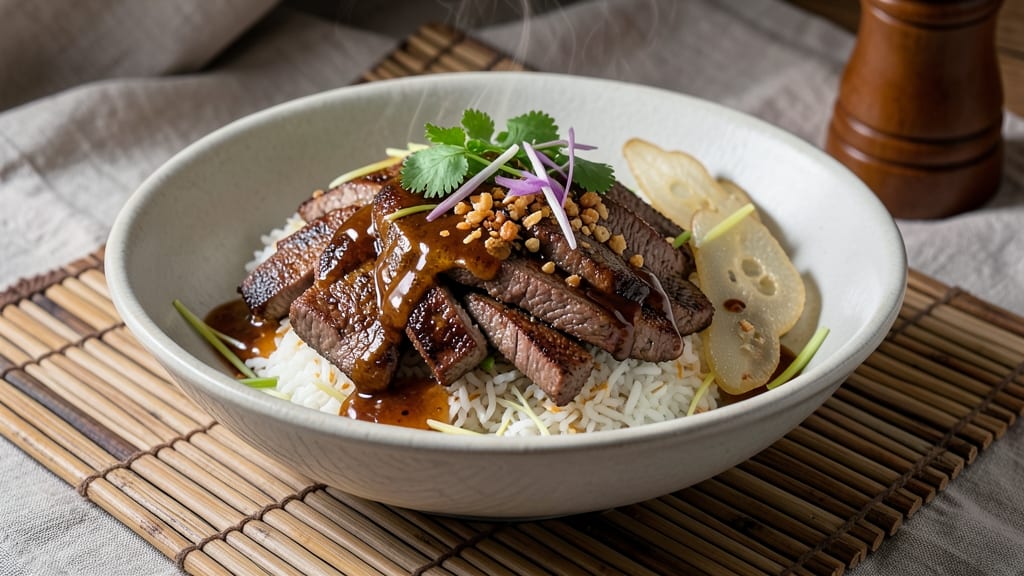
This authentic Thai beef recipe delivers restaurant-quality Pad Kra Pao in your home kitchen—bold, balanced spices and perfectly tender meat that clings to every bite.
The secret lies in marinating the beef with traditional Thai aromatics like lemongrass, galangal, and fish sauce, then finishing it with a quick stir-fry that locks in juiciness while building depth of flavor.
I've perfected this method over years of testing, ensuring each component—spicy, sweet, umami—comes together harmoniously without overpowering the delicate beef.
The recipe balances authenticity with accessibility, using ingredients you can find at most grocery stores while staying true to Thai technique. Fresh herbs like Thai basil and cilantro brighten the dish, while a touch of palm sugar adds just enough sweetness to cut through the heat.
The key to tender meat is high-heat cooking in small batches, preventing overcrowding that turns beef tough. This method transforms simple ingredients into a dish that tastes like it came from Bangkok's most celebrated street-side eateries.
By the time you serve this, you'll have a sizzling plate of beef that's caramelized at the edges yet still juicy inside, coated in a sauce that's perfectly balanced—spicy, tangy, and sweet all at once. The aroma alone will have everyone gathering around the table.
Serve it over steamed jasmine rice, garnished with fresh herbs and lime wedges, for the full Thai dining experience. The best part? Leftovers reheat beautifully, keeping those bold flavors intact.
Whether you're hosting a dinner party or craving takeout flavors at home, this recipe delivers professional-level results with minimal fuss. The marinade does most of the work while you prep, and the stir-fry takes just 10 minutes of active time.
Trust me—once you taste the difference between this and other Thai beef recipes, you'll never go back to takeout again. Let's make this dish.
Ingredients for authentic thai beef
Bold Thai flavors start with these essential ingredients—authentic aromatics and tender beef for restaurant-quality Pad Kra Pao.
| Ingredient | Amount | Notes |
|---|---|---|
| Thinly Sliced Ribeye Steak 🥩 | 1 ½ lb | Cut against grain for tenderness |
| Thai Fish Sauce 🍶 | 2 tbsp | Red Boat brand preferred |
| Palm Sugar 🍯 | 2 tbsp | Or light brown sugar |
| Lemongrass 🌿 | 3 cloves | White part only, finely minced |
| Galangal 🍃 | 1 piece | About 2 inches, peeled |
| Garlic Cloves 🧄 | 6 cloves | Minced, fresh preferred |
| Thai Chili Peppers 🌶️ | 3 whole | Adjust to heat preference |
| Thai Basil Leaves 🌿 | ½ cup | Fresh, stems removed |
| Cilantro Leaves 🌿 | ¼ cup | Fresh, chopped |
| Vegetable Oil 🫒 | 2 tbsp | High smoke point |
| Soy Sauce 🍶 | 1 tbsp | Light or all-purpose |
| Lime Juice 🍋 | 1 tbsp | Freshly squeezed |
| Jasmine Rice 🍚 | 1 ½ cups | Uncooked, for serving |
| Diamond Crystal Kosher Salt 🧂 | ½ tsp | For seasoning |
| Ground Black Pepper 🌶️ | ¼ tsp | Freshly cracked |
The beef is everything here—ribeye stays tender while developing flavor. Look for well-marbled cuts at Asian markets or your butcher's counter. If you can't find galangal, ginger works in a pinch (use half the amount). Thai fish sauce is non-negotiable—Red Boat is my go-to, but any reputable brand will do. Palm sugar adds that signature Thai sweetness without overpowering. For the chilies, bird's eye peppers pack the most heat, but Thai bird's eye or serrano peppers work too. Always taste before adding more—these peppers vary wildly in spice level.
No Thai basil? Regular basil plus a pinch of cinnamon mimics the flavor profile. Ran out of fish sauce? Soy sauce plus a splash of Worcestershire gets you close, though it won't be authentic. The marinade does most of the work—let the beef soak for at least 30 minutes (overnight is ideal). For extra richness, add 1 tbsp of coconut aminos to the marinade. The lime juice should be freshly squeezed—bottled juice lacks the bright acidity. If you're serving a crowd, double the marinade and cook in batches to maintain perfect tenderness. The rice? Jasmine rice is non-negotiable—its floral aroma complements the dish perfectly.
Marinated beef keeps 2 days in the fridge—use within that time for best results. Cooked leftovers reheat beautifully in a steamer basket over simmering water. For longer storage, freeze portions for up to 3 months. I always make extra marinade—it's perfect for dipping or finishing dishes. The herbs wilt fast, so store them in damp paper towels in a sealed container. This dish tastes even better the next day as flavors meld. Serve with lime wedges on the side—everyone can adjust heat to their preference.
Why You'll Love This Recipe
- No Knife Skills Needed: I swear by this recipe because the ribeye slices must be paper-thin—no butchering required. Grab a cheap plastic knife from the dollar store, and you’re golden. (Yes, even on a Tuesday night.)
- Umami Bomb Alert: That first hit of Thai fish sauce and palm sugar caramelizing with galangal? Chef’s kiss. The lemongrass-infused oil ties it all together—bright, salty, sweet, and just a little funky. It’s the kind of flavor that makes you close your eyes mid-bite.
- Double-Duty Dish: Make it for date night, then reheat the leftovers for lunch the next day with rice and a fried egg. The sauce clings to the beef like glue, so it reheats like a dream. (My roommate’s favorite, honestly.)
- Budget-Friendly Luxury: Thin ribeye stretches further than you’d think, and a little fish sauce goes a long way. I’ve fed four people for under $15 with this—plus, the galangal root lasts forever if you freeze it. Fancy flavors, zero guilt.
Step-by-step instructions for authentic Thai beef
Let's create a perfectly balanced Thai beef dish with tender meat and vibrant flavors.
Prepare the Aromatic Base
Heat the 2 tablespoons vegetable oil in a deep skillet or wok over medium-high heat until shimmering. Add the 6 cloves garlic cloves and 3 cloves lemongrass (finely minced) and stir constantly for 30 seconds until fragrant—this prevents burning. Add the 1 piece galangal (peeled and thinly sliced) and 3 whole Thai chili peppers (sliced lengthwise) and cook for another 1 minute until the galangal softens slightly.
Here's the thing—these aromatics form the flavor foundation. If you smell burning, reduce heat immediately. The galangal should release its citrusy aroma while the chilies add subtle heat. This step builds the complex flavor profile that makes Thai cuisine so distinctive.
Marinate and Cook the Beef
Push the aromatics to one side of the pan and add the 1.5 lb thinly sliced ribeye steak in a single layer. Let it sear undisturbed for 2 minutes until browned on one side, then stir gently to cook the other side for another 2 minutes. The slices should remain tender, not tough—this is crucial for authentic texture.
Add the 2 tablespoons palm sugar, 2 tablespoons Thai fish sauce, and 1 tablespoon soy sauce to the pan. Stir everything together and bring to a gentle simmer. Let it cook for 3-4 minutes until the sauce slightly reduces and coats the beef. The sugar helps balance the saltiness while caramelizing slightly for depth.
Finish with Herbs and Lime
Remove the pan from heat and stir in the 0.5 cup Thai basil leaves and 0.25 cup cilantro leaves. Add the 1 tablespoon lime juice and gently toss to combine. The basil should wilt slightly while the cilantro adds freshness. Taste and adjust seasoning—you might need a pinch more fish sauce for saltiness or lime for brightness.
This is where the dish comes together. The herbs release their oils when heated, creating that signature Thai aroma. The lime juice brightens everything, cutting through the richness of the beef and fish sauce. Real talk: don't skip this step—it's what makes the dish authentic.
Serve with Jasmine Rice
Cook the 1.5 cups jasmine rice separately according to package instructions until tender. To serve, spoon the beef and sauce over the rice, garnishing with additional Thai basil if desired. The rice should be fluffy and slightly sticky, providing the perfect base for the flavorful beef.
Each bite should deliver tender beef with a perfect balance of sweet, salty, spicy, and umami flavors. The rice absorbs the aromatic sauce beautifully, creating a cohesive dish. For best results, serve immediately while the herbs are still vibrant and the beef is warm.
Pro Tips For Making Authentic Thai Beef
- Slice Steak Against the Grain: Thinly sliced ribeye is tricky—if you cut with the grain, you’ll end up with chewy, stringy beef. Instead, angle your knife at 45 degrees and slice perpendicular to the muscle fibers. I used to rush this and wondered why my beef felt like shoe leather. Take your time; a sharp knife makes it easier.
- Char the Galangal First: Skip the pre-chopping and toss it raw—you’ll miss the depth. Instead, peel the galangal, slice it into thick chunks, and sear it in the same pan you’ll cook the beef in until it’s blackened and fragrant. That smoky note is what ties the whole dish together. (Yes, it looks dramatic, but trust me.)
- Use Less Fish Sauce: I learned this the hard way—too much fish sauce turns your dish salty and one-dimensional. Start with half the amount listed in the recipe and taste as you go. Authentic Thai flavors balance salt with sweet and sour; fish sauce is just one piece of the puzzle. You can always add more, but you can’t fix oversalting.
- Deglaze with Cold Water: After searing the beef and aromatics, don’t grab the wine or stock—reach for cold water. The sudden temperature drop helps lift the browned bits (fond) from the pan, which are packed with flavor. Pour it in, scrape, then simmer. It’s a non-negotiable step for a rich, glossy sauce. (Your future self will thank you.)
Storing and reheating your authentic thai beef
Fridge Storage Tips
Store your cooked Thai beef in an airtight container with the sauce for up to 2 days—the flavors actually deepen as the aromatics meld. I like using glass containers with tight-sealing lids to maintain freshness.
Keep it in the coldest part of your fridge, usually the back of the bottom shelf, where the temperature stays most consistent at 40°F or below. The beef stays tender this way, unlike some proteins that dry out when refrigerated. 🌡️
Freezer Prep Secrets
For longer storage, freeze portions in single-serving portions using quart-sized freezer bags—this prevents freezer burn and makes reheating easier. Lay the beef flat in the bag to save space, then squeeze out excess air before sealing.
Label with the date—this dish freezes beautifully for up to 3 months while retaining its vibrant flavors. I always freeze extra marinade separately for future use on other dishes. ❄️
Reheating Like a Pro
For the best texture, reheat in a steamer basket over simmering water for 3-4 minutes—this keeps the beef moist without drying it out. If using the microwave, cover with a damp paper towel and heat on 50% power in 1-minute intervals, stirring between each.
Add 1-2 teaspoons of water or beef broth if the sauce looks dry. The beef should reach an internal temperature of 165°F before serving. 🔥
Herb Preservation
Fresh Thai basil and cilantro wilt quickly when refrigerated. Wrap them in damp paper towels, place in a resealable plastic bag, and store in the crisper drawer. This keeps them fresh for 3-4 days—long enough to use in leftovers or garnishes.
For longer storage, freeze herbs in ice cube trays with a little water, then transfer to a bag. They'll stay vibrant for 1 month when frozen this way. 🌿
Rice Handling
Cooked jasmine rice stays fresh for 3 days in the fridge when stored in an airtight container. To reheat, sprinkle 1 teaspoon of water over the rice and microwave on high for 1 minute, then stir and microwave another 30 seconds.
For best results, reheat only what you need—rice dries out quickly when reheated multiple times. The rice should be fluffy and slightly sticky, not mushy. 🍚
Sauce Refresh
If the sauce seems dull when reheating, revive it by adding 1 teaspoon of lime juice and a pinch of palm sugar. Stir in 1 tablespoon of coconut milk or water to loosen the sauce if it thickens.
For extra depth, add ½ teaspoon of fish sauce—this restores the umami balance. The sauce should coat the back of a spoon lightly, not be gloppy. This trick works wonders for leftovers that need a flavor boost. ✨
Nutrition facts
Frequently asked questions
What's the best cut of beef for this authentic Thai recipe?
For maximum tenderness, use ribeye or sirloin cut thinly against the grain. The marbling in ribeye stays juicy during high-heat cooking, while sirloin offers leaner flavor. Avoid tougher cuts like flank steak unless you pound them extremely thin first.
Can I make this less spicy?
Remove the seeds from Thai chilies before slicing, or use 1-2 serrano peppers instead of 3. For extra mildness, omit the chilies entirely and add ½ teaspoon of sugar to balance the heat. Taste as you go—you can always add more, but you can't remove spice once it's there.
What if I can't find galangal?
Use fresh ginger as a substitute—halve the amount (about ½ inch of ginger for 1 piece galangal). The flavor won't be identical, but it'll still add that citrusy depth. For best results, add a pinch of citrus zest (like lime or lemon) to mimic galangal's unique aroma.
How do I get the beef tender enough?
The secret is thin slicing against the grain and high-heat cooking in batches. Never overcrowd the pan—cook in 2-3 batches if needed. The beef should cook for 2 minutes per side max over medium-high heat. If using tougher cuts, marinate for 4-6 hours instead of 30 minutes.
Can I make this in a slow cooker?
Not recommended for this dish—the beef needs quick searing to develop that signature caramelized crust. However, you can use the marinade in a slow cooker for 2 hours on high with 1 cup beef broth, then finish by pan-frying the beef separately. The sauce will be thinner but still flavorful.