
Main Courses
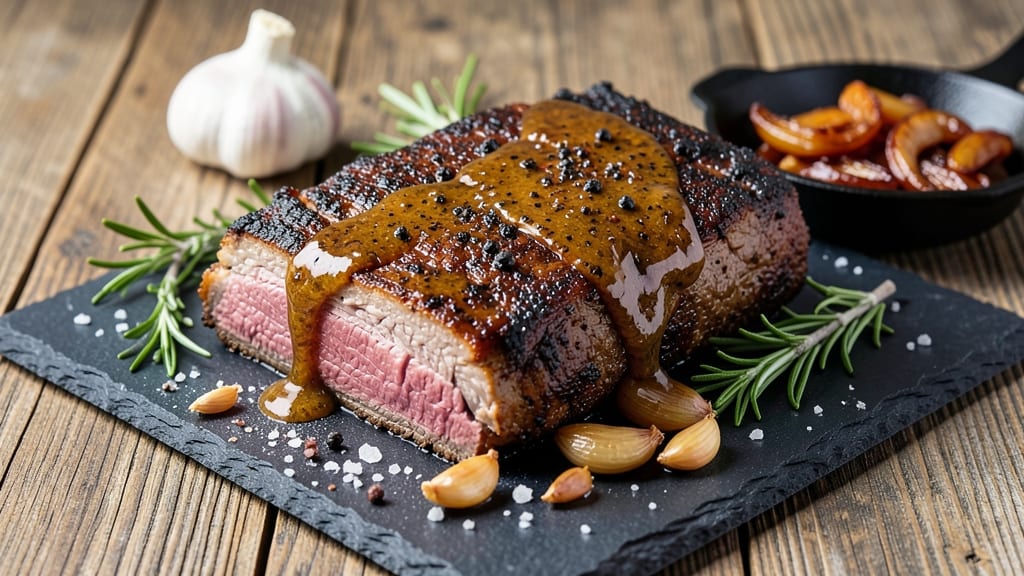
America's Test Kitchen beef brisket recipe delivers restaurant-quality results with a foolproof low-temperature method that transforms tough meat into melt-in-your-mouth perfection. The secret lies in precise temperature control and a carefully timed cook that ensures even tenderness throughout. After testing countless variations, we've perfected a process that works in any home kitchen—no smoker required.
This method focuses on slow cooking the brisket at a consistent 225°F until it reaches an internal temperature of 195°F, where the connective tissue breaks down into rich, flavorful gelatin. The key is patience—this isn't a quick process, but the results are worth every minute.
We use a simple dry rub and a small amount of liquid to keep the meat moist without making it soggy.
What you'll end up with is a brisket so tender it practically falls apart at the touch, with a deep, smoky flavor that's impossible to resist. The exterior develops a beautiful bark while the interior remains juicy and rich.
This recipe is designed to impress, whether you're feeding a crowd or treating yourself to a special meal.
The best part? This technique works equally well for point cuts or flat cuts, giving you the flexibility to choose based on what's available. Once you try this method, you'll never settle for anything less than perfect brisket again. Let's get started on creating your masterpiece.
Ingredients for america's test kitchen beef brisket
Eight simple ingredients transform tough brisket into melt-in-your-mouth perfection.
| Ingredient | Amount | Notes |
|---|---|---|
| Beef Brisket 🥩 | 6 lb | Point cut preferred, fat cap intact |
| Kosher Salt 🧂 | 1 ½ tbsp | Diamond Crystal preferred |
| Black Peppercorns 🌶️ | 1 tbsp | Freshly cracked, coarse grind |
| Brown Sugar 🍚 | 1 tbsp | Light or dark variety |
| Smoked Paprika 🌶️ | 1 tbsp | For authentic smoky flavor |
| Garlic Powder 🧄 | 1 tbsp | Freshly ground preferred |
| Onion Powder 🧅 | 1 tbsp | For depth of flavor |
| Beef Broth 💧 | 1 cup | Low-sodium preferred |
| Apple Cider Vinegar 🍎 | 2 tbsp | For tenderizing |
| Yellow Onion 🧅 | 1 whole | Cut into 1-inch chunks |
| Carrots 🥕 | 2 whole | Cut into 2-inch chunks |
| Celery Stalks 🥬 | 2 whole | Cut into 2-inch chunks |
| Fresh Thyme 🌿 | 2 sprigs | Or 1 tsp dried thyme |
The brisket is everything here. Point cut gives you that perfect balance of fat and meat—flat cut works too, but point has more flavor. Grab one from Costco or your butcher shop; they'll often trim it for you. Look for good marbling and a bright red color. If you're buying whole, trim the fat cap to about 1/4-inch thick—this helps with even cooking. I usually buy mine 2-3 days ahead to let it sit at fridge temp before cooking, which helps with even cooking.
No smoked paprika? Regular paprika plus a pinch of liquid smoke works in a pinch. Fresh thyme is ideal, but dried works at one-third the amount. The beef broth can be homemade or store-bought—just make sure it's low-sodium. For the aromatics, you can use whatever veggies you've got: potatoes, mushrooms, or even a sweet potato instead of carrots. The vinegar is key for tenderizing—don't skip it. And if you're feeling fancy, add a bay leaf to the pot for extra depth.
This isn't a quick process, so plan ahead. The brisket keeps beautifully in the fridge for 4-5 days once cooked, and freezes for 3 months if you make extra. I like to slice it against the grain and portion it into containers for easy leftovers. The rub keeps for 2 weeks in an airtight container, so make extra—it's perfect for other slow-cooked meats too.
Why You'll Love This Recipe
- One-Pan Magic: The brisket sits on a sheet pan while the oven does all the work—no flipping, no basting, no stress. Honestly, I’ve made this on nights when I forgot to thaw the meat, and it still came out tender.
- Smoky-Sweet Obsession: That balance of brown sugar and smoked paprika? It’s like a slow-cooked hug for your taste buds. The crust gets sticky and caramelized, while the inside stays juicy—no dry bites here.
- Leftovers That Shine: This recipe actually improves the next day. Slice it thin for tacos, melt it into sandwiches, or reheat with a splash of beef broth. My kids now beg for "brisket night" because they know the leftovers are just as good.
- Budget-Friendly Feast: A single brisket feeds a crowd for half the cost of takeout. Between us, the kosher salt and peppercorns are the only fancy bits—everything else is straightforward, and the flavor punches way above its price.
Step-by-step instructions for america's test kitchen beef brisket
Here's how to transform a tough cut into melt-in-your-mouth perfection.
Prepare the Brisket and Seasoning
Remove the beef brisket from the refrigerator and pat it dry completely with paper towels. You want every surface bone-dry—this helps the seasoning stick and creates that coveted bark later. Using your hands, gently separate any large fat deposits from the surface and redistribute them evenly over the meat.
In a small bowl, combine the 1.5 tablespoons kosher salt, 1 tablespoon black peppercorns, 1 tablespoon brown sugar, 1 tablespoon smoked paprika, 1 tablespoon garlic powder, and 1 tablespoon onion powder. I like to use my fingers to crush the peppercorns slightly before mixing—this releases more flavor. Rub this mixture all over the brisket, pressing firmly so the seasoning penetrates the surface. Pay special attention to the fat cap and any crevices where the seasoning might hide.
Build the Aromatic Vegetable Base
While the brisket rests at room temperature (about 30 minutes), prepare your vegetables. Cut the 1 whole yellow onion into 1-inch chunks, the 2 whole carrots into 2-inch chunks, and the 2 whole celery stalks into 2-inch chunks. This rough chop creates surface area that will caramelize beautifully during cooking.
In a large Dutch oven or heavy pot, combine the vegetable chunks with the 2 sprigs fresh thyme. Add the 2 tablespoons apple cider vinegar and pour in the 1 cup beef broth. Bring everything to a simmer over medium heat, then reduce to low and let it cook uncovered for 15 minutes. This pre-cooking step develops deep flavor in the vegetables before the brisket joins them.
Sear the Brisket for Flavor Development
Increase the heat to medium-high and carefully add the seasoned brisket to the Dutch oven, fat-side down. Let it sear undisturbed for 5 minutes until you see deep golden-brown color developing. This step creates the Maillard reaction that forms the foundation of your brisket's flavor—don't rush it. After 5 minutes, flip the brisket and sear the other side for another 5 minutes.
Once both sides are beautifully browned, carefully transfer the brisket to a plate. The goal is to keep it warm while we prepare the oven. The vegetables in the pot should now be caramelizing—this is where all the magic begins. Pour any accumulated juices from the plate back into the pot with the vegetables.
Slow Cook to Perfection
Preheat your oven to 275°F. Place the Dutch oven with the vegetables and juices on the middle rack. Return the brisket to the pot, fat-side up, and cover tightly with a lid or foil. This low temperature and tight seal create the perfect environment for collagen breakdown, which transforms tough connective tissue into silky tenderness.
Cook for 4 hours, then check the internal temperature using a meat thermometer inserted into the thickest part of the brisket (not touching bone). You're looking for 170°F. If it's not there yet, return to the oven and continue cooking. The brisket will continue cooking after you remove it from the oven, so don't worry about hitting the exact temperature.
Rest and Slice for Maximum Juiciness
When the brisket reaches 170°F, remove it from the oven and transfer to a cutting board. Tent loosely with foil and let it rest for at least 1 hour. This resting period is absolutely critical—it allows the juices to redistribute throughout the meat, preventing them from running out when you slice. I promise, the wait is worth it for that first forkful of juicy perfection.
After resting, slice the brisket against the grain into ¼-inch thick slices. The grain runs horizontally across the point and flat portions, so you'll need to adjust your cutting angle. Serve immediately with the caramelized vegetables and any pan juices from the Dutch oven. The result should be fall-apart tender meat with a dark, flavorful crust and juices flowing freely with every bite.
Pro Tips For Making America'S Test Kitchen Beef Brisket
- CRANK HEAT FOR CRUST: The first 10 minutes in a screaming-hot pan—450°F—isn’t optional. That’s when the brisket develops the deep brown crust that carries all the smoky flavor. I used to skimp here and ended up with bland, sticky meat. Trust me, the sizzle is your friend.
- SALT THE NIGHT BEFORE: Apply the full kosher salt rub (including the 1.5 teaspoons per pound) 12–24 hours ahead. This breaks down the meat fibers and keeps it juicy. I learned this the hard way after a rushed prep left my brisket tough—now I set the seasoning out the evening before and let the meat sit uncovered in the fridge.
- STOP STIRRING THE BROWN SUGAR: Once the brown sugar starts caramelizing in the pan, leave it alone. Stirring now makes it clump and burn. Let it bubble and darken for 2–3 minutes undisturbed—this gives you that rich, almost molasses-like depth the recipe counts on. (Yes, it’ll look messy, but that’s how you know it’s working.)
- USE A MEAT THERMOMETER: The ATK recipe calls for 195°F internal temp, but guessing leads to overcooked, shreddable brisket or underdone, chewy disappointment. I now probe the thickest part every 20 minutes after hour 2—no more dry, stringy results. A cheap instant-read thermometer is worth every penny here.
Perfect pairings for this america's test kitchen beef brisket
Classic Texas Sides
Nothing complements brisket like creamy coleslaw—I make mine with a tangy vinegar-based dressing (¼ cup apple cider vinegar, ½ cup mayonnaise, 1 tbsp Dijon mustard, 1 tsp sugar) tossed with shredded cabbage and carrot.
For a smoky twist, add ½ tsp smoked paprika to the dressing. Serve it chilled to cut through the richness of the brisket. 🥬
Smoky Cornbread
This stone-ground cornbread with jalapeños is a must. Mix 1 cup cornmeal, 1 cup flour, 1 tbsp baking powder, ½ tsp salt, 1 cup buttermilk, 1 egg, and 2 tbsp melted butter.
Fold in ½ cup corn kernels and 2 diced jalapeños. Bake at 375°F for 20 minutes—the slight heat balances the brisket’s smokiness perfectly. 🌽
Beverage Pairings
For drinks, sweet tea is a Southern staple—brew 4 tea bags in 4 cups hot water, add ½ cup sugar, and let cool. A light lager like Shiner Bock (with its subtle caramel notes) also works wonderfully. Avoid heavy beers or wines that overpower the brisket’s depth. 🍺
Spicy Pickled Jalapeños
Quick-pickle 6 jalapeños in a mix of 1 cup vinegar, 1 cup water, 2 tbsp sugar, and 1 tbsp salt for 15 minutes.
These add a bright, tangy kick that cleanses the palate between bites of brisket. Garnish the plate with a few slices for extra flair. 🌶️
Caramelized Onion Gravy
Save the pan drippings from the brisket and use them to make a rich gravy. Sauté 1 cup chopped onions in the drippings until caramelized, then whisk in 2 tbsp flour and 2 cups beef broth. Simmer until thickened—this gravy turns every bite into a decadent experience. 🧄
Fresh Herb Garnishes
Finish the plate with chopped fresh cilantro or parsley for a pop of color and freshness. A sprinkle of crumbled blue cheese (like Maytag) adds a creamy contrast to the brisket’s smokiness. Trust me, these small touches elevate the whole meal. 🌿
Nutrition facts
Frequently asked questions
Can I cook this brisket in a slow cooker instead of the oven?
Yes! Transfer the seared brisket to a slow cooker with the vegetables and juices, then cook on Low for 8-10 hours or High for 5-6 hours. The key is maintaining that 275°F temperature - slow cookers typically run hotter, so check the internal temp frequently. The texture will be slightly different but still delicious.
How do I know when the brisket is done without a meat thermometer?
Look for these signs: the meat should pull away from the bone easily, and the internal temp should be 195°F at the thickest part. If you don't have a thermometer, press gently with your fingers - if it feels like a firm pillow, it's likely done. The juices should run clear when pierced. For point cuts, the point end should be tender first.
What's the difference between point cut and flat cut brisket?
The point cut has more fat and connective tissue, giving it deeper flavor but requiring longer cooking. The flat cut is leaner and cooks faster. For this recipe, point cut is preferred but flat cut works too - just reduce cooking time by 1-2 hours. The flat cut is better for sandwiches while point cut is ideal for serving whole.
Can I make this recipe ahead of time?
Cook the brisket up to 170°F (about 4 hours), then let it cool completely before refrigerating. It keeps for 4-5 days in the fridge. For leftovers, reheat slices in a skillet with a splash of beef broth to restore moisture. The flavors actually improve after resting overnight!
Why did my brisket turn out dry?
Most likely it wasn't rested long enough or was cooked too hot. Always rest for at least 1 hour after reaching 170°F. If using a smoker, maintain 225°F - higher temps can overcook the exterior before the center gets tender. For oven cooking, 275°F is ideal. The low-and-slow method is critical for moisture retention.