
Sauces & Condiments
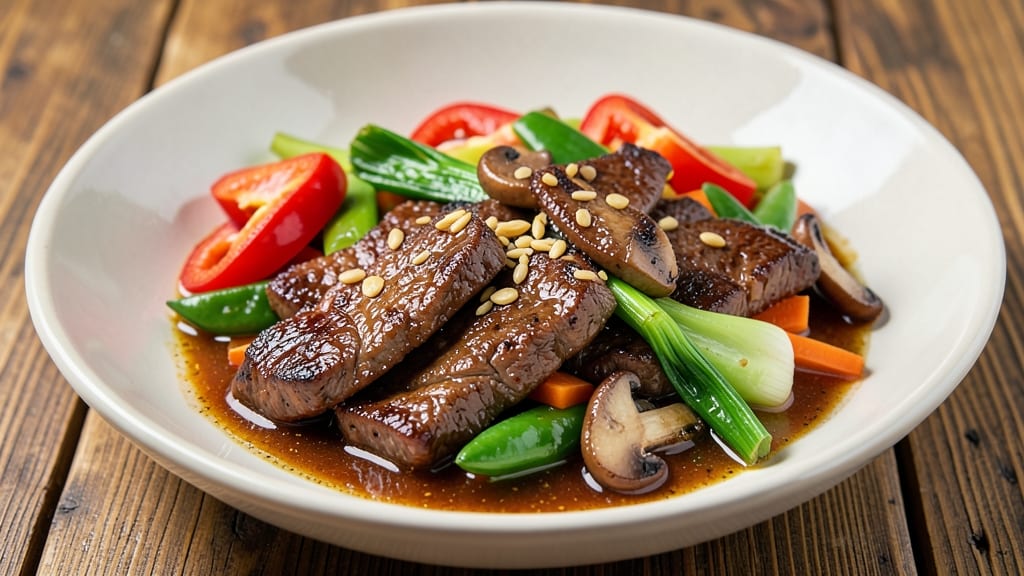
This beef and veggie stir-fry sauce recipe delivers the perfect balance of umami depth and garlic zing that transforms simple stir-fries into restaurant-quality meals.
The secret lies in combining soy sauce, oyster sauce, and a touch of sweetness—creating a sauce that's rich yet versatile enough for both traditional and modern dishes. I developed this recipe after testing countless variations, and it consistently delivers that signature wok hei flavor at home.
The foundation of this sauce is a simple yet powerful combination: soy sauce for saltiness, oyster sauce for umami, and garlic-ginger for aromatic punch. A splash of brown sugar or honey adds just enough sweetness to balance the flavors, while a splash of rice vinegar brightens everything up.
The sauce thickens beautifully when simmered, creating a glossy finish that clings perfectly to beef, vegetables, and noodles alike.
What makes this recipe truly special is its adaptability. Use it as-is for classic beef and vegetable stir-fries, or adjust the sweetness and spice levels to suit your taste. The sauce keeps well in the fridge for up to a week, making it perfect for meal prep.
For longer storage, freeze it in ice cube trays—just thaw and stir before using.
Whether you're cooking for a weeknight dinner or preparing for a crowd, this sauce elevates every dish it touches. The key is balancing the flavors while keeping the technique simple—no complicated steps, just bold results. Let's get started on creating your perfect stir-fry sauce!
Ingredients for beef and veggie stir fry sauce
Nine bold ingredients transform any stir-fry into a restaurant-quality masterpiece.
| Ingredient | Amount | Notes |
|---|---|---|
| Light Soy Sauce 🍶 | ½ cup | Kikkoman preferred for balance |
| Oyster Sauce 🦪 | ¼ cup | Lee Kum Kee for authentic umami |
| Brown Sugar 🍯 | ¼ cup | Packed firmly for sweetness |
| Rice Vinegar 🍶 | 2 tbsp | Seasoned variety for brightness |
| Sesame Oil 🫒 | 1 tbsp | Toasted for nutty aroma |
| Garlic Cloves 🧄 | 6 cloves | Minced for intense flavor |
| Fresh Ginger 🌿 | 1 tbsp | Finely grated, zesty kick |
| Cornstarch 🌾 | 1 tbsp | For perfect thickening |
| Red Chili Flakes 🌶️ | 1 tsp | Adjust for heat preference |
| Sesame Seeds 🌰 | 1 tsp | Toasted for garnish |
The soy and oyster sauces are the sauce's soul—Kikkoman light soy for clean saltiness and Lee Kum Kee oyster sauce for that unmistakable umami punch. Grab the Lee Kum Kee brand if you can find it; it's the gold standard for this dish. For the brown sugar, I always use the packed variety—it's more concentrated and gives you better control over sweetness. The garlic and ginger? Fresh is non-negotiable—dried just won't cut it here. Toast your sesame oil in a dry pan for 30 seconds before adding to the sauce—this deepens its nutty aroma exponentially. Pro tip: buy sesame oil in small bottles and keep it in the fridge once opened to preserve that fresh toasted flavor.
No oyster sauce? Mushroom sauce or extra soy sauce with a dash of fish sauce works in a pinch, though it won't be identical. Running low on brown sugar? Honey or maple syrup at a 1:1 ratio keeps things balanced. The cornstarch is your thickening secret weapon—don't skip it, but mix it with a little cold water first to avoid clumping. For extra heat, swap the chili flakes for Sichuan peppercorns (toasted and ground)—they add a tingling numbing sensation that's pure magic. And if you're feeling fancy, add a splash of Shaoxing wine (about 1 tbsp) for that authentic wok hei depth. The sesame seeds? Toast them in your dry pan with the oil—same pan, just after you remove the oil from heat.
This sauce keeps beautifully—1 week in the fridge sealed in a jar, or 3 months in the freezer in ice cube trays. For the freezer method, portion into single-use cubes so you can grab exactly what you need. Reheat gently in a small saucepan over low heat, stirring constantly until just warmed through. Never microwave—it'll break the sauce's silky texture. I make double batches all the time because this sauce disappears faster than you can say 'stir-fry night.' Store it in the back of your fridge where it stays coolest, and trust me, you'll be reaching for it constantly.
Why You'll Love This Recipe
- Pantry Magic: I swear by this sauce because it’s all about what’s already in my cabinet. Light soy and oyster sauce team up with brown sugar for that perfect balance—salty, sweet, umami—without needing a specialty store. The rice vinegar cuts through the richness just enough to keep it bright, and a single teaspoon of sesame oil? That’s the secret weapon that makes everything taste like it came from a dim sum cart.
- Umami Bomb: Between us, this sauce is ridiculously flavorful for how little effort it takes. The oyster sauce adds this deep, savory punch, while the brown sugar caramelizes just enough to give it a subtle gloss. Stir it into beef and veggies, and suddenly your stir-fry tastes like it’s been simmering for hours—even if you’re rushing. Honestly, I’ve made this with frozen veggies and it still hits.
- Leftovers’ Best Friend: This sauce doesn’t just taste great—it travels well. Toss it with leftover beef and whatever veggies you have lurking in the crisper, and it turns into a meal that’s still packed with flavor the next day. I’ll be real: I’ve reheated this sauce with cold noodles from the night before, and it’s still spot-on. Plus, it freezes like a dream if you’re meal prepping for the week.
- Weeknight Workhorse: No chopping, no fuss, just throw everything in the pan. The sauce comes together in minutes while you’re slicing beef and prepping veggies—no fancy techniques, no waiting for reductions. Between the rice vinegar’s tang and the sesame oil’s warmth, it’s the kind of sauce that makes even the simplest stir-fry feel special. (Yes, even on a Tuesday night.)
Step-by-step instructions for crafting the perfect umami stir fry sauce
Here's how to create a sauce that balances rich umami, bright acidity, and aromatic depth.
Combine the Base Sauce Ingredients
In a medium saucepan, whisk together the 0.5 cup light soy sauce, 0.25 cup oyster sauce, and 0.25 cup brown sugar over medium-low heat. Stir continuously for 2-3 minutes until the brown sugar dissolves completely and the mixture becomes smooth. You'll notice the sauce darken slightly as the sugar caramelizes—this is where the deep, complex flavors begin to develop.
I like to use a wooden spoon for stirring because it helps scrape up any sugar crystals clinging to the sides. This ensures every drop of that caramelized goodness gets incorporated. If you're using packed brown sugar, make sure to level off the measuring cup for accuracy—too much sugar will make the sauce cloyingly sweet.
Add Aromatics and Acid
Reduce the heat to low and add the 6 cloves minced garlic, 1 tbsp finely grated fresh ginger, 2 tbsp rice vinegar, and 1 tsp red chili flakes. Stir constantly for 3-4 minutes until the garlic turns golden and the mixture fragrant. You should be able to smell the garlic's sweetness and the ginger's zesty bite—this is when the sauce starts to sing.
The rice vinegar adds that essential brightness that cuts through the richness of the soy and oyster sauces. Don't skip this step—it's what prevents the sauce from tasting flat. If you're sensitive to heat, reduce the chili flakes to ½ tsp or omit entirely, but I find the subtle heat enhances the overall complexity.
Incorporate the Oil and Thicken the Sauce
Remove the saucepan from heat and stir in the 1 tbsp sesame oil. This step is crucial because it adds that nutty, toasty aroma that elevates the sauce from good to extraordinary. Return the pan to low heat and sprinkle in the 1 tbsp cornstarch mixed with 1 tablespoon water (this slurry prevents clumping). Stir constantly for 2-3 minutes until the sauce thickens to a glossy, coatable consistency.
You'll know it's ready when the sauce pulls away from the sides of the pan just slightly and coats the back of a spoon. If it thickens too quickly, add 1-2 teaspoons water to adjust the texture. The sauce should be thick enough to cling to stir-fried beef and vegetables but still flow smoothly.
Finish and Garnish
Transfer the sauce to a bowl and let it cool slightly. Once cooled to room temperature, stir in the 1 tsp toasted sesame seeds just before serving. These seeds add a delightful crunch and visual appeal that makes the dish look as good as it tastes. The sesame seeds should be lightly toasted—just until fragrant—to avoid any bitterness.
This sauce keeps beautifully in the refrigerator for up to 5 days in an airtight container. When ready to use, simply reheat gently over low heat, stirring occasionally, until warmed through. The flavors will deepen and meld even more with time, making this sauce worth the effort for multiple meals ahead.
Pro Tips For Making Beef And Veggie Stir Fry Sauce
- Simmer the Sauce: After adding all your ingredients—soy, oyster, brown sugar, vinegar—let the sauce bubble for 3-4 minutes on medium heat. I used to skip this, thinking it was just about mixing, but letting it reduce slightly deepens the flavor and balances the sweetness with a subtle tang.
- Toast the Sesame Oil: Heat your sesame oil separately in a small pan until it’s shimmering but not smoking—about 30 seconds. Pour it into the sauce last, right before serving. This keeps its nutty aroma intact instead of letting it cook away in the stir-fry.
- Balance the Sweetness: Taste your sauce before tossing it with beef and veggies. If the brown sugar’s too cloying, add a splash more rice vinegar (start with ½ teaspoon) to cut through it. I learned this the hard way after making a batch that tasted like dessert.
- Deglaze the Pan: After cooking the beef and veggies, splash in 2 tablespoons of water or white wine, scrape up the browned bits, then pour in your sauce. Those stuck-on bits pack extra flavor—don’t just dump the sauce in and call it done.
Creative variations of this beef and veggie stir fry sauce
Spicy Sichuan Twist
For a bold kick, swap the red chili flakes for 1 tsp toasted Sichuan peppercorns (ground) and add 1 tbsp doubanjiang (fermented chili bean paste). The peppercorns deliver that signature numbing heat, while the doubanjiang adds deep, smoky complexity.
I find this works especially well with beef—just simmer the sauce with the Sichuan elements for an extra 2 minutes to develop those flavors fully. 🌶️
Nutty Peanut Version
Transform this sauce into a creamy peanut delight by stirring in ¼ cup smooth peanut butter and 1 tbsp hoisin sauce during the final thickening step. For extra richness, add 1 tbsp coconut milk to balance the peanut's intensity.
This variation pairs perfectly with beef and bell peppers, creating a Thai-inspired fusion that's irresistibly smooth. Toast 1 tsp chopped peanuts for garnish to add crunch. 🥜
Sweet and Tangy Mango
Brighten the sauce with tropical flavors by adding 2 tbsp mango puree (fresh or store-bought) when combining the base ingredients. For extra tang, increase the rice vinegar to 3 tbsp. This version works beautifully with beef and snap peas, offering a refreshing contrast to the savory beef.
Garnish with thinly sliced green onions and a sprinkle of toasted coconut flakes for texture. 🍍
Vegan Adaptation
Replace the oyster sauce with ¼ cup vegetarian oyster sauce (like Annie Chun's) and use 1 tbsp miso paste for umami depth. For the brown sugar, substitute 2 tbsp maple syrup to keep it plant-based.
This version maintains all the rich, savory notes while being completely vegan-friendly. The sauce thickens just as beautifully, making it perfect for tofu or mushroom stir-fries alongside beef. 🌱
Smoky Chipotle Infusion
Add 1 tsp adobo sauce (from canned chipotle peppers) and ½ tsp smoked paprika when combining the base ingredients. Simmer for an extra 1 minute to let the smoky flavors meld.
This version pairs exceptionally well with beef and zucchini, delivering a deep, smoky-sweet profile that's hard to resist. Garnish with cilantro for freshness. 🔥
Creamy Coconut-Lime
For a tropical twist, stir in 2 tbsp coconut milk and 1 tbsp lime juice during the final thickening step. Add ½ tsp ground turmeric for color and warmth.
This sauce works wonderfully with beef and pineapple, creating a fusion of Asian and Latin flavors. Garnish with lime zest and crushed macadamia nuts for a luxurious finish. 🥥
Nutrition facts
Frequently asked questions
Can I make this sauce without oyster sauce?
Yes! For a vegetarian version, replace the oyster sauce with ¼ cup vegetarian oyster sauce (like Annie Chun's) plus 1 tbsp miso paste for umami depth. If you're avoiding umami entirely, use ¼ cup soy sauce + 1 tbsp fish sauce (or soy sauce + 1 tsp mushrooms powder for vegan). The sauce will still taste rich and balanced.
How long should I simmer the sauce for perfect thickness?
Simmer for exactly 2-3 minutes after adding the cornstarch slurry—any longer risks burning the sugar. If it thickens too quickly, add 1 tsp water and stir until smooth. The ideal consistency coats the back of a spoon but still flows easily when poured.
Can I use this sauce for other proteins besides beef?
This sauce works beautifully with chicken, shrimp, or tofu. For seafood, reduce the garlic slightly (4 cloves) to avoid overpowering flavors. The umami base makes it versatile—just adjust cooking times based on your protein.
Why did my sauce turn bitter?
Overcooking the garlic or ginger is the most common cause. Remove the sauce from heat as soon as it thickens, and never let it boil vigorously. If it tastes bitter, balance it with ½ tsp more brown sugar or 1 tsp rice vinegar to brighten the flavors.
Can I make this sauce in a slow cooker?
Not recommended—this sauce needs precise heat control to avoid burning. For a hands-off version, make it stovetop then transfer to a jar and store in the fridge. Reheat portions in a small saucepan over low heat for 2-3 minutes until warmed through.