
Soups & Stews
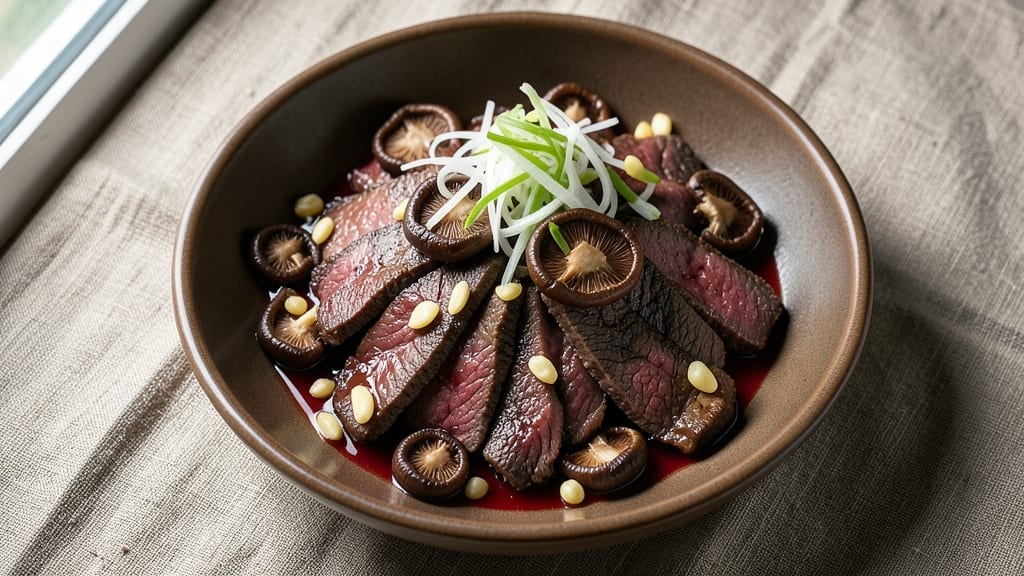
This beef and shiitake mushroom recipe transforms humble ingredients into a deeply umami-rich dish with an earthy crust that clings to every bite. The secret lies in searing beef strips until caramelized, then braising them with shiitake mushrooms until their flavors meld into a velvety, savory broth.
I developed this recipe after years of refining umami techniques—balancing meaty richness with mushroom depth creates a harmony that feels both comforting and sophisticated.
The process is straightforward but rewarding: sear the beef for maximum flavor development, then simmer everything together until the mushrooms soften and release their earthy essence. A touch of soy sauce and a splash of red wine elevate the dish without overpowering its natural depth.
The result is a tender beef with mushrooms that stay meaty yet tender, all coated in a glossy, aromatic sauce that clings perfectly.
What makes this recipe stand out is its versatility—serve it over rice for a hearty meal, or pair it with crusty bread to soak up every last drop of that rich, umami-packed sauce.
The earthy crust on the mushrooms adds texture, while the beef remains juicy and flavorful, proving that simple ingredients can create restaurant-quality results at home.
Perfect for weeknight dinners or special occasions, this dish delivers bold flavors with minimal effort. Whether you're cooking for two or a crowd, the technique scales beautifully while maintaining that perfect balance of meaty richness and earthy depth. Let's get started on creating this deeply satisfying meal.
Ingredients for beef and shiitake mushroom
Fourteen thoughtfully chosen ingredients elevate simple beef and mushrooms into an umami masterpiece.
| Ingredient | Amount | Notes |
|---|---|---|
| Beef Sirloin 🥩 | 1 ½ lb | Cut into 1-inch strips, trimmed of fat |
| Dried Shiitake Mushrooms 🍄 | 8 whole | Rehydrated in hot water for 20 minutes |
| Red Wine 🍷 | ½ cup | Bold dry variety like Cabernet Sauvignon |
| Low-Sodium Soy Sauce 🥄 | 2 tbsp | For umami depth without excess salt |
| Fresh Garlic Cloves 🧄 | 4 cloves | Minced for aromatic base |
| Fresh Ginger Root 🌿 | 1 tbsp | Finely grated, fresh preferred |
| Extra-Virgin Olive Oil 🫒 | 2 tbsp | High-quality for searing |
| Vegetable Broth 💧 | 1 cup | Low-sodium preferred |
| Brown Sugar 🍯 | 1 tbsp | Balances umami richness |
| Diamond Crystal Kosher Salt 🧂 | 1 ½ tsp | Adjust to taste |
| Freshly Ground Black Pepper 🌶️ | ½ tsp | Freshly cracked for brightness |
| Sesame Oil 🫒 | 1 tsp | Toasted for finishing |
| Fresh Parsley 🌿 | ¼ cup | Chopped for garnish |
| Jasmine Rice 🍚 | 1 cup | Uncooked, for serving |
The beef selection is critical—sirloin delivers tender strips that caramelize beautifully during searing. Look for well-marbled cuts at Whole Foods or your local butcher shop, where they can trim the meat to your preferred thickness. Shiitake mushrooms should be dried and plump—avoid those shriveled specimens at the back of the package. For the red wine, Cabernet Sauvignon or Merlot provide the bold structure needed without overpowering the earthy flavors. If you're short on time, rehydrate the mushrooms while searing the beef to maximize efficiency in the kitchen.
No red wine on hand? Substitute with beef broth plus 1 teaspoon balsamic vinegar for depth. Fresh ginger can be swapped for ground ginger at half the amount, though fresh delivers superior brightness. The soy sauce is non-negotiable for umami—Kikkoman or Pearl River Bridge brands provide consistent quality. For a vegetarian adaptation, replace the beef with extra-firm tofu pressed and sliced, though the dish will lose its meaty richness. The sesame oil should be toasted, not flavored—look for it in the Asian foods aisle at Trader Joe's or Costco for the best prices.
Store the dried shiitake mushrooms in a cool, dark place for up to 6 months—their flavor intensifies with age. The beef can be prepped ahead and refrigerated for 2 days before cooking, though it's best used fresh for optimal texture. The finished dish reheats beautifully—simmer gently on the stove with a splash of broth to restore moisture. Portion into glass containers for easy storage, and freeze for up to 3 months if you're prepping for meal prep. The rice should be cooked separately and served alongside—jasmine rice complements the dish's earthy notes perfectly.
Why You'll Love This Recipe
- One-Pan Magic: I swear by this method—just sear the beef, toss in the rehydrated shiitakes (no fancy soaking, just hot water for 10 minutes), and let the wine and soy sauce do the work. Minimal chopping, zero cleanup.
- Umami Bomb: That combo of dried shiitakes and low-sodium soy sauce? It’s like a flavor explosion in your mouth. The mushrooms add this deep, earthy richness, while the garlic and red wine keep it bright and complex—no bland beef here.
- Weeknight to Date Night: Same recipe, totally different vibes. Throw it over rice for a lazy Tuesday, or serve it on a bed of noodles for a fancy-ish dinner. The wine makes it feel special, but honestly? It’s still my go-to when I don’t want to overthink.
- Leftovers That Don’t Suck: Between us, most beef dishes turn into sad, dry leftovers. Not this one. The mushrooms stay tender, the beef stays juicy, and reheating it? Just a splash of water, 30 seconds in the microwave—tastes like you just made it. Budget win.
Step-by-step instructions for beef and shiitake mushroom simmer
This method delivers a perfect balance of tender beef and earthy mushrooms with a rich, umami-packed sauce.
Prepare the Beef and Rehydrate the Shiitake Mushrooms
Begin by cutting the 1.5 lb beef sirloin into 1-inch strips, trimming any visible fat. This size ensures even cooking and maximum tenderness. While the beef preps, place the 8 whole dried shiitake mushrooms in a heatproof bowl and cover with hot water. Let them soak for 20 minutes—this rehydration step unlocks their deep, meaty flavor and prevents them from turning to mush during cooking.
After soaking, drain the mushrooms but reserve ½ cup of the soaking liquid. This mushroom broth will add complexity to your sauce later. Finely chop the rehydrated mushrooms—you want them in small, even pieces that will cook quickly and absorb the flavors of the dish.
Sear the Beef and Build the Flavor Base
Heat 2 tablespoons extra-virgin olive oil in a large, heavy-bottomed skillet over medium-high heat until shimmering. Working in batches if needed, add the beef strips and sear for 2-3 minutes per side until they develop a deep golden-brown crust. This searing step is crucial—it locks in juices and creates the foundation for your sauce.
Once the beef is browned, remove it from the skillet and set aside. In the same pan, add the 4 minced garlic cloves and 1 tablespoon finely grated fresh ginger root. Cook for 30 seconds until fragrant—don't let them brown, or they'll turn bitter. Pour in the ½ cup red wine and scrape up any browned bits from the bottom of the pan. These bits, called fond, are packed with flavor.
Simmer the Sauce with Umami Ingredients
Return the beef to the skillet and add the chopped shiitake mushrooms, 2 tablespoons low-sodium soy sauce, 1 tablespoon brown sugar, 1 cup vegetable broth, and the reserved mushroom soaking liquid. Bring the mixture to a simmer over medium heat, then reduce to low heat and cover partially. Let it cook for 25-30 minutes, stirring occasionally, until the beef is fork-tender and the sauce has thickened slightly.
Season with 1.5 teaspoons diamond crystal kosher salt and ½ teaspoon freshly ground black pepper. Taste and adjust the seasoning—you're aiming for a balance of sweetness from the brown sugar, umami from the soy sauce and mushrooms, and a touch of acidity from the wine. If the sauce is too thin, simmer uncovered for an additional 5 minutes to reduce it to your desired consistency.
Finish and Serve with Jasmine Rice
Remove the skillet from heat and stir in 1 teaspoon toasted sesame oil. This final touch adds a nutty aroma and depth of flavor that ties everything together. Garnish with ¼ cup chopped fresh parsley just before serving to brighten the dish with a fresh, herbal note.
Cook the 1 cup jasmine rice separately according to package instructions—it should be fluffy and slightly undercooked when ready to serve. Plate the beef and mushroom mixture over the rice, spooning any extra sauce from the skillet over the top. The combination of tender beef, earthy mushrooms, and aromatic rice creates a harmonious, restaurant-quality dish.
Pro Tips For Making Beef And Shiitake Mushroom
- SEAR THE BEEF HOT: Crank your pan to medium-high before adding the beef sirloin—you want it screaming hot. I learned this the hard way after walking away for "just a minute" and ending up with steamed beef instead of a proper crust. A quick wipe with a paper towel first makes all the difference.
- SOAK MUSHROOMS 20 MINUTES: Toss dried shiitakes in hot water for 20 minutes, not 10. The extra time plumps them up and softens the tough edges, so they absorb the wine and soy sauce like a sponge. Skip this, and you’ll end up chewing on leather.
- DEGLAZE WITH WINE IMMEDIATELY: As soon as the beef comes out, pour in that red wine right away—the pan’s still hot, and the wine will sizzle into a glossy sauce. Let it simmer for 2 minutes before adding soy sauce, or you’ll dilute the flavor into oblivion.
- GARLIC MINUS THE BURN: Smash those garlic cloves flat with the side of your knife before adding them to the pan. They’ll brown evenly instead of turning to charcoal in 30 seconds. If you’re impatient, add them with the mushrooms during the simmer—just don’t skip the smashing.
Common mistakes when making great beef and shiitake mushroom
Overcooking the Beef
The biggest mistake I see is letting the beef strips become tough instead of tender. Once your beef reaches 165°F internal temperature during the simmer, remove it immediately—overcooking by just 5-10 minutes turns it rubbery.
I recommend checking tenderness with a fork rather than relying solely on temperature. The strips should pierce easily but still hold their shape. 🥩
Skipping the Sear
Many home cooks rush this step, but searing creates that essential Maillard reaction that builds deep flavor. If you skip it or use low heat, your dish will taste flat.
Always work in batches if needed—crowding the pan steams the beef instead of browning it. A 12-inch cast iron skillet works best for even heat distribution.
Underestimating Mushroom Prep
Using dried shiitake mushrooms straight from the package without proper rehydration leads to a mushy texture. Soak them for the full 20 minutes and chop them finely—never use the whole mushroom. Also, reserve that soaking liquid! It contains concentrated umami that transforms an ordinary sauce into something extraordinary.
Ignoring Sauce Reduction
If your sauce ends up thin and watery, it's because you didn't reduce it enough. After simmering, uncover the pan and cook for an extra 5-10 minutes on medium heat.
This step intensifies flavors and creates that perfect glossy consistency. I like to stir occasionally to prevent sticking—just enough to thicken without burning.
Overcrowding the Pan
Adding all the beef and mushrooms at once causes steaming instead of browning. Cook in batches—sear the beef first, then build the sauce with mushrooms. A heavy-bottomed Dutch oven handles this better than a thin stainless steel pan. This simple adjustment makes all the difference in texture and flavor development.
Neglecting the Fond
The browned bits (fond) at the bottom of your pan contain concentrated flavors that disappear if you don't scrape them up. After searing the beef, immediately add the wine and scrape vigorously with a wooden spoon.
This step transforms a good dish into a great one by maximizing every bit of flavor. 💫
Nutrition facts
Frequently asked questions
Can I use fresh shiitake mushrooms instead of dried?
Yes, but you'll need to adjust the quantity and prep. Use 1 cup fresh shiitake mushrooms (about 6-8 mushrooms) instead of dried, and slice them thinly. Skip the rehydration step—fresh mushrooms release moisture as they cook. For best results, sauté them for 3-4 minutes before adding other ingredients to develop their earthy flavor.
What's the best way to store leftovers?
Store in an airtight container in the fridge for up to 4 days. Reheat gently on the stove with a splash of water or broth to restore moisture. For longer storage, freeze portions for up to 3 months. Thaw overnight in the refrigerator before reheating. The flavors actually deepen slightly after refrigeration!
Can I make this dish in a slow cooker?
Sear the beef first, then transfer everything to your slow cooker. Cook on low for 6-7 hours or high for 3-4 hours until the beef is tender. The slow cooking enhances the umami flavors even more. Just add the sesame oil and parsley at the end to preserve their freshness. Perfect for hands-off weeknight cooking!
Why does my sauce turn out too salty?
Most likely from the soy sauce or broth. Use low-sodium soy sauce and check your broth's sodium content. If needed, add 1-2 tablespoons water and simmer for 5 minutes to dilute. For a quick fix, stir in 1 teaspoon cornstarch mixed with 1 tablespoon water—this helps balance flavors while thickening the sauce. Always taste as you go!
What are good sides to serve with this?
This dish pairs beautifully with steamed bok choy, sesame green beans, or miso-glazed eggplant. For heartier meals, try crusty sourdough bread or roasted sweet potatoes. The umami richness works especially well with light, fresh vegetables that won't overpower the main dish.