
Soups & Stews
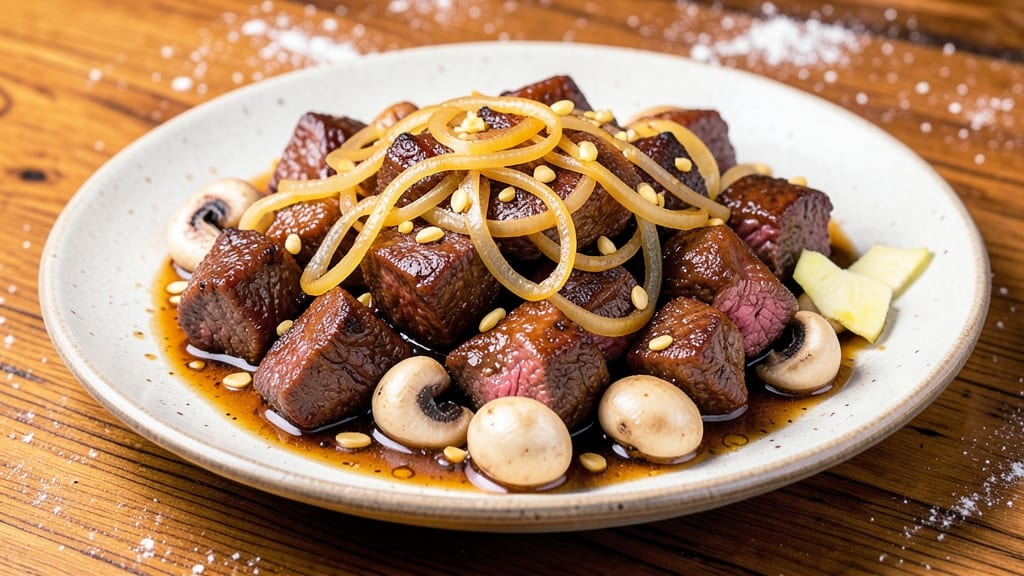
This one-pot beef and mushroom Panlasang Pinoy recipe delivers restaurant-quality Filipino flavors in a single, aromatic dish that’s perfect for weeknight dinners or family gatherings. The secret lies in balancing soy sauce, ginger, and mushrooms for a deep, umami-rich sauce that coats tender beef chunks. I’ve tested this recipe countless times—it’s the one that finally convinced even the pickiest eaters to try Filipino comfort food.
The beauty of this dish is its simplicity: just one pot, minimal prep, and a flavor profile that builds with every simmer. Searing the beef first locks in juices, while mushrooms release their earthy essence into the sauce.
The soy-ginger base creates a perfect harmony of salty, sweet, and tangy notes that define classic Filipino dishes. This isn’t just a stew—it’s a flavor explosion in every bite.
By the time you’re done, you’ll have a steaming pot of tender beef, velvety mushrooms, and a sauce so rich it practically melts into the rice. The aroma alone will have everyone at the table asking for seconds.
Serve it over steamed rice with a side of atchara or garlic fried rice for the full Filipino spread. Let’s make this dish!
The best part? Leftovers taste even better the next day as the flavors deepen. This recipe is your shortcut to homemade Filipino comfort food that rivals your favorite restaurant’s version. Here’s how to make it—one-pot, foolproof, and packed with flavor.
Ingredients for beef and mushroom recipe panlasang pinoy
One-pot magic with beef, mushrooms, and bold Filipino flavors—just 15 ingredients for a restaurant-worthy dish.
| Ingredient | Amount | Notes |
|---|---|---|
| Beef Chuck Roast 🥩 | 1 ½ lb | Cut into 1-inch cubes |
| White Button Mushrooms 🍄 | 16 oz | Whole or halved |
| Yellow Onion 🧅 | 1 whole | Thinly sliced |
| Garlic Cloves 🧄 | 6 cloves | Minced for depth |
| Fresh Ginger 🌿 | 2 tbsp | Grated, not powdered |
| Soy Sauce 🍶 | ½ cup | Light or all-purpose |
| Calamansi or Lemon Juice 🍋 | 2 tbsp | Calamansi preferred |
| Tomato Paste 🍅 | 2 tbsp | Smooth, not chunky |
| Olive Oil 🫒 | 2 tbsp | For searing beef |
| Vegetable Oil 🫒 | 1 tbsp | For sautéing mushrooms |
| Salt 🧂 | 1 ½ tsp | Kosher or sea salt |
| Black Pepper 🌶️ | ½ tsp | Freshly ground |
| Sugar 🍚 | 1 tbsp | Balances flavors |
| Bay Leaves 🌿 | 2 whole | For aromatic depth |
| Water 💧 | 1 ½ cups | For simmering |
The beef is everything here—chuck roast gives that melt-in-your-mouth texture, but sirloin works in a pinch. Look for good marbling at Costco or your local butcher if you want to splurge. Mushrooms? White buttons are classic**, but cremini or oyster add extra depth. Fresh ginger is non-negotiable—powdered won’t cut it. Grab a small piece, grate it fresh, and you’ll taste the difference. The soy sauce should be light, not dark—Kikkoman works everywhere**, but Filipino brands like Silver Swan take it to the next level.
No calamansi? Lemon juice works—just double the amount. Running low on tomato paste? Crushed tomatoes at half the quantity will save you. The sugar might seem odd, but it balances the soy sauce beautifully—brown sugar adds caramel notes, but white works fine. Fresh bay leaves are ideal, but dried at one-third the amount gets you close. For extra umami, add a dash of fish sauce (if not vegetarian). The onions and garlic? No shortcuts here—they’re the flavor base. Slice the onion thin, mince the garlic fine, and let them caramelize.
This dish tastes even better the next day—flavors meld like crazy—so make extra. Store in an airtight container in the fridge for 4-5 days or freeze portions for 3 months. The sauce thickens as it cools, so add a splash of water when reheating. Serve over steamed rice—jasmine or long-grain—and watch it disappear. Leftovers? Perfect for lunches or even better the second night.
Why You'll Love This Recipe
- One-Pot Magic: I swear by this recipe because it’s actually one-pan—no skillet-to-pot transfers, no extra bowls. Just sear the beef and mushrooms together, toss in the onions and ginger, and let the garlic work its savory spell. My counter stays cleaner than my kitchen after a family dinner.
- Umami Bomb: The combo of beef chuck and mushrooms? Chef’s kiss. The chuck stays tender while the mushrooms soak up all the garlic-ginger-onion goodness, creating this deep, meaty richness that’s somehow still light. It’s the kind of flavor that makes you pause mid-bite and think, “Wait, how is this so good?”
- Leftovers That Win: Between us, this dish begs for seconds—and then thirds. I make a big batch on Sundays, and by Wednesday, it’s still the star of my lunchbox. The beef stays juicy when reheated (key: low heat, lid on), and the mushrooms? They turn into crispy little gold nuggets. My kids actually ask for it.
- Budget-Friendly Powerhouse: Here’s what sold me—this feeds four for under $15, and the beef chuck stretches just right without tasting cheap. Plus, mushrooms and onions are the pantry’s unsung heroes: cheap, shelf-stable, and always up for flavor duty. It’s my go-to when I need a hearty meal that doesn’t break the bank.
Step-by-step instructions for beef and mushroom Panlasang Pinoy
This one-pot wonder delivers deep umami flavors and tender beef in under an hour.
Sear the Beef for Maximum Flavor
Heat the 2 tablespoons olive oil in a large Dutch oven over medium-high heat until shimmering. Working in batches if needed, add the 1.5 pounds beef chuck roast cut into 1-inch cubes, spreading them out in a single layer. Let them sear undisturbed for 3-4 minutes until deeply browned on all sides.
This crucial step develops the rich, caramelized crust that forms the flavor foundation. Don't crowd the pan—if you need to work in batches, return all seared beef to the pot after each batch. Once all pieces are golden brown, remove them to a plate and set aside temporarily.
Build the Aromatic Base
In the same Dutch oven, add the 1 tablespoon vegetable oil and reduce heat to medium. Add the 1 whole yellow onion sliced thinly and cook for 4-5 minutes until softened and translucent. Add the 6 cloves minced garlic and 2 tablespoons grated fresh ginger, stirring constantly for 30 seconds until fragrant.
Here's where the magic begins—the garlic and ginger should sizzle gently without burning. If they darken too quickly, reduce heat slightly. The aromatic compounds released at this stage create the complex flavor profile that makes this dish so special.
Develop the Sauce Foundation
Add the 2 tablespoons tomato paste and stir to coat the onions and garlic for 1 minute until it darkens slightly. Pour in the 0.5 cup soy sauce and 1.5 cups water, scraping up any browned bits from the bottom of the pot. Add the 2 whole bay leaves, 1.5 teaspoons salt, 0.5 teaspoon black pepper, and 1 tablespoon sugar, stirring to combine.
The sugar here isn't just for sweetness—it helps balance the acidity from the calamansi and enhances the caramelization of the tomato paste. Let the mixture simmer gently for 5 minutes until slightly thickened. This pre-cooking step ensures your sauce won't be watery when everything comes together.
Simmer the Beef and Mushrooms
Return the seared beef to the pot along with any accumulated juices. Add the 16 ounces white button mushrooms (whole or halved) and the 2 tablespoons calamansi or lemon juice. Bring to a gentle simmer, then reduce heat to low, cover partially, and let cook for 45-50 minutes, stirring occasionally.
You want the beef to become fork-tender while the mushrooms absorb all that incredible sauce. The mushrooms should be tender but still hold their shape—don't overcook them or they'll turn mushy. The sauce should reduce to a thick, glossy consistency that coats the back of a spoon.
Finish and Adjust Seasoning
Once the beef is fork-tender (it should pull apart easily), remove the bay leaves and give the dish a final taste. If needed, adjust seasoning—add a splash more soy sauce for saltiness, or a bit more calamansi juice for acidity. The sauce should be rich, slightly thick, and perfectly balanced between savory, sweet, and tangy.
Serve immediately over steamed rice, letting that first bite of tender beef and umami-packed sauce soak into every grain. The one-pot magic means minimal cleanup and maximum flavor—this dish delivers restaurant-quality results with simple technique.
Pro Tips For Making Beef And Mushroom Recipe Panlasang Pinoy
- SEAR THE BEEF FIRST: After burning through two batches where the beef stayed gray, I learned to sear the chuck roast in 2-inch chunks until deep brown—no rushing—before adding any liquid. The Maillard reaction kicks in fast, and that crust locks in flavor when the soy, vinegar, and tomato sauce later simmer in.
- SLICE MUSHROOMS THIN: Thick mushroom pieces turn to mush in the long braise. Cut them paper-thin (almost like rice) so they soften evenly without turning to paste. I used to skip this, and the texture always felt off—like chewing wet cardboard.
- DEGLAZE WITH SOY SAUCE: Don’t just splash water after searing. Use 2 tablespoons of soy sauce right away to scrape up the browned bits—this adds umami depth the recipe actually needs. I was skeptical until I tried it; the flavor is richer and less one-dimensional.
- LOW-SIMMER THE GINGER: Grate fresh ginger fine, but don’t let it boil hard—it turns bitter fast. Once the sauce thickens, drop the heat to a gentle simmer and cover partially. My grandmother swore by this, and she was right: the ginger stays bright and aromatic, not medicinal.
Regional styles of this beef and mushroom recipe panlasang pinoy
Classic Filipino Guisado Style
This dish draws heavy inspiration from Filipino guisado, where beef and vegetables are slow-cooked in a rich, aromatic sauce. The key difference here is the addition of mushrooms, which bring an earthy depth that complements the beef perfectly.
Traditional guisado often uses potatoes or green beans, but mushrooms elevate this version with their meaty texture and umami punch. I’ve kept the core technique—searing the beef first—which is essential for that deep, caramelized flavor base that defines Filipino comfort food. 🍲
Bicol-Style Adaptation
For a Bicolano twist, add ½ cup coconut milk at the end of cooking and simmer for 5 minutes to create a creamy, slightly sweet sauce. This regional variation from the Bicol region replaces the calamansi with 1 tablespoon bagoong (fermented shrimp paste) for a funky, salty depth.
The mushrooms absorb the coconut milk beautifully, creating a velvety texture. Serve with steamed rice and chili sauce for the full Bicol experience. 🥥
Cebuano-Style Soy-Ginger Fusion
In Cebu, this dish would lean even more heavily on soy sauce and ginger, with an extra 1 tablespoon of grated ginger and 1 tablespoon of fish sauce for umami bomb intensity.
Cebuanos often add sliced bell peppers (red or green) to the pot during the final 10 minutes of cooking for a touch of sweetness and crunch. The mushrooms here act as a natural thickener, reducing the sauce to a glossy, clingy consistency that clings to every bite of beef. 🌶️
Modern Filipino Fusion
For a contemporary take, swap the soy sauce for ½ cup light soy sauce and ½ cup oyster sauce to deepen the umami without overpowering the dish.
Add 1 tablespoon of sesame oil at the very end for a nutty aroma, and garnish with sliced green onions and sesame seeds for texture. This version keeps the Panlasang Pinoy soul but adds a fusion twist that appeals to modern palates.
The mushrooms become the star here, absorbing all the complex flavors. 💛
Visayan-Style Spicy Kick
In the Visayas region, this dish often includes sili (chili peppers) for heat. Add 1-2 sliced Thai chilies with the onions and cook until fragrant. For extra spice, stir in 1 tablespoon of chili flakes during the final 5 minutes of simmering.
The mushrooms help balance the heat with their earthy notes, while the beef’s richness rounds out the dish. Serve with sinigang (sour soup) on the side to cut through the richness. 🔥
Luzon vs. Mindanao Variations
Luzon-style versions (like this one) focus on soy, ginger, and mushrooms, while Mindanao adaptations might include turmeric or curry powder for warmth. For a Mindanao twist, add ½ teaspoon turmeric with the spices and 1 tablespoon of coconut cream at the end. The mushrooms in Mindanao versions often get lightly charred before adding to the pot for a smoky depth. Both styles keep the beef as the centerpiece but offer completely different flavor journeys. 🗺️
Nutrition facts
Frequently asked questions
Can I use ground beef instead of beef chuck roast?
Ground beef works but will have a different texture—it’ll cook much faster (20-25 minutes instead of 45-50 minutes) and may turn out slightly dry. For best results, use 80/20 ground chuck and add 2 tablespoons cornstarch mixed with water to thicken the sauce. The mushrooms will still absorb all the flavors beautifully!
What if I don’t have calamansi? Can I substitute?
Use lemon juice (double the amount) or lime juice for brightness. For a deeper Filipino flavor, try 1 tablespoon vinegar (cane or white) plus ½ teaspoon sugar to mimic calamansi’s tangy-sweet balance. The dish will still taste amazing—just slightly less complex.
How do I prevent the mushrooms from turning mushy?
Cook them for only 10-15 minutes after adding to the pot—they’ll absorb the sauce perfectly while staying firm. For extra texture, sauté the mushrooms separately in oil for 3-4 minutes before adding them to the beef mixture. This creates a nice contrast between tender beef and slightly crispy mushrooms!
Can I make this dish in an Instant Pot?
Yes! Sear the beef first, then sauté onions/garlic as directed. Add all remaining ingredients (including 1 cup water) and cook on high pressure for 20 minutes. Let pressure release naturally for 10 minutes, then finish with calamansi juice. The sauce will be slightly thinner—reduce it uncovered on the stove for 5-10 minutes to thicken.
What’s the secret to making this taste more authentic?
Use Filipino soy sauce (like Silver Swan) instead of regular soy, and add 1 tablespoon fish sauce for umami depth. For extra authenticity, include 1-2 slices of siling labuyo (Thai chili) with the onions. The key is balancing saltiness, acidity, and heat**—Filipino cooking thrives on these three elements working together!