
Main Courses
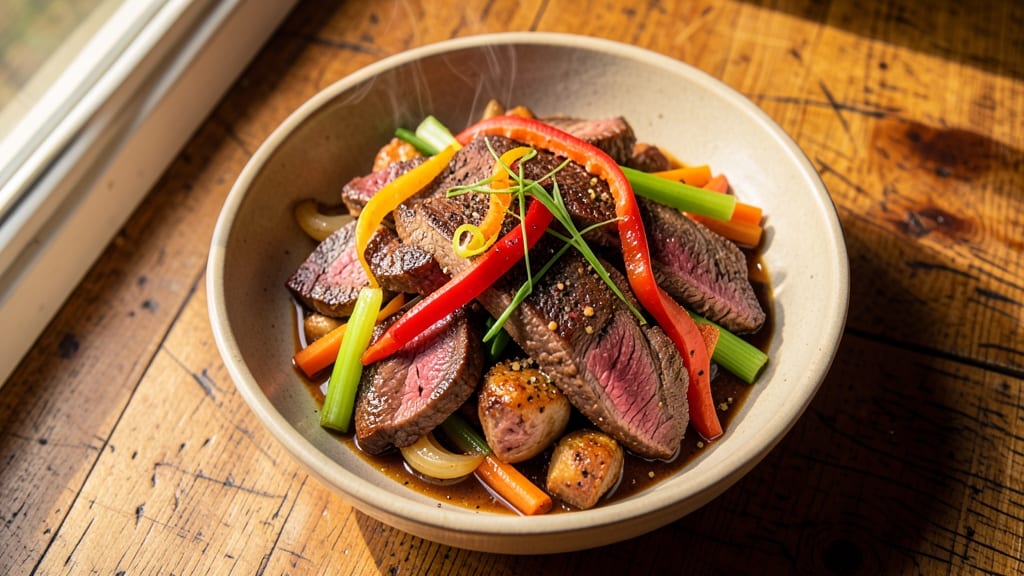
This beef and pork chop suey recipe delivers the smoky-wok aroma and bold flavors of a classic Chinese-American dish, elevated with a crispy tortilla crunch topping. The secret lies in achieving wok hei—that signature smoky char—while balancing sweet, salty, and umami notes in the sauce.
I've perfected this technique over years of wok cooking, ensuring the beef stays tender while the pork develops a caramelized crust.
The foundation of great chop suey is proper prep: thinly sliced beef and pork, fresh vegetables, and a sauce that marries soy, oyster, and brown sugar for depth.
We'll build the dish in stages—first searing the meat, then stir-frying the vegetables, and finally combining everything with the sauce for maximum flavor absorption. The tortilla strips add a satisfying crunch that cuts through the richness.
What you'll end up with is a restaurant-quality chop suey that's packed with texture and flavor—tender beef, slightly charred pork, crisp-tender vegetables, and a glossy sauce that clings to every bite. The tortilla crunch adds an unexpected but delightful contrast that makes this dish stand out from traditional versions.
Serve this over steamed jasmine rice or alongside egg rolls for a complete meal. The recipe scales beautifully, making it perfect for family dinners or gatherings. Let's get cooking—this chop suey is a game-changer for weeknight meals.
Ingredients for beef and pork chop suey
Thinly sliced meats, fresh vegetables, and aromatic sauces create this restaurant-quality wok dish.
| Ingredient | Amount | Notes |
|---|---|---|
| Flank Steak 🥩 | 1 lb | Thinly sliced against grain |
| Pork Shoulder 🐷 | 1 lb | Thinly sliced, fat cap removed |
| Yellow Onion 🧅 | 1 large | Thinly sliced, white and yellow parts |
| Carrots 🥕 | 3 medium | Julienned into matchsticks |
| Celery Stalks 🧆 | 3 whole | Thinly sliced on diagonal |
| Garlic Cloves 🧄 | 6 cloves | Minced, skin-on preferred |
| Fresh Ginger Root 🌿 | 2 tbsp | Finely grated, skin-on |
| Cornstarch 🌾 | 2 tbsp | For velveting meat |
| Light Soy Sauce 🥄 | ½ cup | Kikkoman preferred |
| Dark Soy Sauce 🥄 | 1 tbsp | For color depth |
| Oyster Sauce 🍜 | 3 tbsp | Lee Kum Kee brand |
| Brown Sugar 🍯 | 2 tbsp | Packed firmly |
| Sesame Oil 🫒 | 1 tbsp | Toasted, for aroma |
| Vegetable Oil 🫒 | ½ cup | High smoke point |
| Flour Tortillas 🌯 | 6 whole | Cut into thin strips |
| Green Onion 🧅 | 1 whole | Thinly sliced, white and green |
| Salt 🧂 | 1 ½ tsp | Diamond Crystal preferred |
| Black Pepper 🌶️ | ½ tsp | Freshly cracked |
The quality of your protein makes all the difference here. Flank steak and pork shoulder are ideal—they slice thinly and develop that signature wok char. Look for well-marbled cuts at Whole Foods or your local butcher. If you can't find pork shoulder, pork loin works too, but trim excess fat. The vegetables should be fresh: carrots and celery with crisp texture, onions with no browning. For the garlic and ginger, organic is worth it—you'll be using the skins, so avoid anything with dirt or blemishes. Prep everything uniformly: julienne the carrots, slice the celery on the diagonal, and mince the garlic finely for even cooking.
No oyster sauce? Soy sauce plus a splash of fish sauce mimics the umami depth, though it won't be identical. Running out of brown sugar? White sugar plus a pinch of molasses works in a pinch. The cornstarch is non-negotiable for velveting the meat—it keeps it tender despite high-heat searing. For the tortilla strips, burrito-sized flour tortillas hold up best to frying. If you're avoiding gluten, rice paper wrappers can be used, though they'll be more delicate. The sesame oil should be toasted—look for bottles labeled 'toasted' at Asian markets—it adds a nutty aroma that regular sesame oil lacks. And trust me on the high-smoke-point vegetable oil: Avocado or refined peanut oil are your best bets.
This dish reheats beautifully—3-4 days in the fridge or 3 months frozen. For maximum crispiness, store the tortilla strips separately and fry fresh before serving. The sauce can be made ahead and reheated gently on the stove. To freeze, portion into airtight containers with a thin layer of oil on top to preserve moisture. When reheating, add a splash of water to prevent drying. The vegetables will soften slightly, but the meat stays tender. For serving, jasmine rice cooked in broth elevates the dish—it absorbs the sauce beautifully while keeping the chop suey's integrity intact.
Why You'll Love This Recipe
- One-Pan Magic: I swear by this recipe when I’m too tired to wash a million dishes—just slice the flank steak and pork shoulder thin, toss them with onions, carrots, and celery, and let the wok do the work. That crispy sear on the meat? Zero extra effort, all flavor.
- Meat Love Combo: The flank steak stays tender while the pork shoulder adds that deep, savory richness—like a hug in a bowl. Honestly, I could eat it plain with rice, no sauce needed, but the soy-ginger glaze? That’s where it becomes dangerously good.
- Meal Prep MVP: Double the batch and freeze half—thaw it for a lazy Tuesday or toss it into noodles later. My freezer’s always stocked with this because it reheats like a dream and still tastes fresh, even after three days.
- Budget Stretch: Pork shoulder and flank steak are affordable cuts that feed a crowd without breaking the bank. Between us, I’ve made this for 10 people for under $30, and everyone leaves happy (and with seconds). That’s a win.
Step-by-step instructions for beef and pork chop suey
Master this wok technique for perfectly seared proteins and a harmonious blend of textures.
Velvet the Meats for Silky Tenderness
In a large mixing bowl, combine the 1 lb Flank Steak and 1 lb Pork Shoulder with the 2 tbsp Cornstarch, 1.5 tsp Salt, and 0.5 tsp Black Pepper. Using clean hands, massage the mixture until every piece is evenly coated and the cornstarch adheres completely. This step creates a protective barrier that prevents the meat from drying out during the high-heat searing.
Let the marinated meats rest at room temperature for 15 minutes while you prepare the remaining ingredients. The cornstarch will begin to absorb moisture, creating a velvety texture that's characteristic of authentic chop suey. Don't skip this resting period—it ensures even cooking and maximum tenderness when we sear the meat later.
Build the Aromatic Base
Heat 0.5 cup Vegetable Oil in a wok or large skillet over medium-high heat until shimmering. Add the 1 large Yellow Onion (sliced), 3 medium Carrots (julienned), and 3 whole Celery Stalks (diagonally sliced) all at once. Stir-fry for 3-4 minutes until the vegetables begin to soften and develop a slight char on the edges—this is where the deep, caramelized flavors develop.
Add the 6 cloves Garlic Cloves (minced, skin-on) and 2 tbsp Fresh Ginger Root (finely grated) to the wok. Cook for an additional 1-2 minutes until the garlic turns golden and the ginger releases its aromatic oils. The combination of garlic and ginger should fill your kitchen with an intoxicating fragrance—this is your signal that the base is properly developed. Remove the vegetable mixture and set aside temporarily.
Sear the Meats to Perfection
Working in batches to avoid overcrowding, add the marinated meats to the same wok over high heat. Sear for 2-3 minutes per side until the exterior develops a deep mahogany crust and the internal temperature reaches 145°F for pork and 135°F for beef. The high heat is crucial here—it creates that signature wok-seared texture while keeping the interior juicy.
As the meats cook, you'll notice the cornstarch coating caramelizing into a glossy sheen. This is exactly what we want—it creates both texture and flavor. Remove the seared meats and set them aside with the vegetables. Here's the thing—don't clean your wok yet. Those precious browned bits are packed with flavor that will form the foundation of our sauce.
Create the Signature Sauce
Return the wok to medium heat and add 1 tbsp Sesame Oil, swirling to coat the bottom. Pour in 0.5 cup Light Soy Sauce, 1 tbsp Dark Soy Sauce, 3 tbsp Oyster Sauce, and 2 tbsp Brown Sugar. Stir vigorously to scrape up all the browned bits from the wok—this is called deglazing, and it's where 50% of your flavor comes from.
Bring the sauce to a gentle simmer and cook for 2-3 minutes until it thickens slightly and coats the back of a spoon. The dark soy sauce will give the sauce its characteristic deep color, while the brown sugar adds just enough sweetness to balance the savory elements. Taste and adjust seasoning with additional salt if needed—this sauce should be rich but not overpowering.
Combine and Finish with Crunch
Return all the meats and vegetables to the wok, tossing gently to coat everything in the sauce. Cook for an additional 1-2 minutes just to heat through and allow the flavors to meld. The meats should be fully coated in that glossy, caramelized sauce while maintaining their tenderness.
In a separate dry skillet over high heat, toast the 6 whole Flour Tortillas (cut into thin strips) until they develop a deep golden brown color and crisp up—about 1-2 minutes per batch. This creates the signature crunch that contrasts beautifully with the silky meats and vegetables. Divide the chop suey among serving plates, garnish with 1 whole Green Onion (thinly sliced), and serve immediately with the crispy tortilla strips on top.
Pro Tips For Making Beef And Pork Chop Suey
- Slice Thin, Cook Fast: Flank steak and pork shoulder need quick, high-heat searing to stay tender—aim for ¼-inch slices or thinner. If they sit too long in the wok, they’ll turn chewy, and no one wants rubbery chop suey.
- Salt the Meat First: Season the flank steak and pork shoulder with salt at least 30 minutes before cooking—this breaks down fibers and keeps them juicy. I used to skip this and ended up with dry meat, no matter how much soy sauce I added.
- Don’t Overcrowd the Wok: Push the meat to the sides and let it sear in batches—crowding steams instead of browns, and that’s when things get soggy. A hot wok needs space to work its magic, and chop suey relies on that caramelized crust.
- Save Time with Pre-Cut Veggies: Buy pre-sliced onions, carrots, and celery stalks (or use a mandoline) to shave 15 minutes off prep. You’ll still need to stir-fry them fast, but at least you’re not dicing for an hour like I did my first time.
Storing and reheating this beef and pork chop suey
Fridge Storage
Store your chop suey in an airtight container with a tight-fitting lid for up to 3 days in the refrigerator. The tortilla strips should be kept separate in a paper towel-lined container to maintain their crispiness.
I like using glass Pyrex containers because they allow me to reheat the dish directly in the microwave without worrying about plastic leaching flavors. 💫
Let the chop suey cool completely before refrigerating—this prevents condensation from making the tortilla strips soggy. If you're storing leftovers, divide them into single-serving portions so you can reheat just what you need without dealing with a whole container of food.
Freezer Prep
For long-term storage, freeze your chop suey for up to 3 months in ziplock freezer bags or airtight glass containers. I recommend portioning into quart-sized bags with a thin layer of oil on top to preserve moisture and prevent freezer burn.
Label each bag with the date so you can track freshness. 🧊
To freeze the tortilla strips separately, lay them flat on a parchment-lined tray and freeze solid before transferring to a bag. This prevents them from sticking together and makes it easier to crisp them up fresh when you're ready to serve.
When reheating from frozen, add an extra 1-2 minutes to ensure everything is heated through evenly.
Reheating Methods
For the best texture, reheat your chop suey in a wok or skillet over medium heat with 1-2 tablespoons of water or vegetable oil to prevent sticking. Stir frequently for 3-5 minutes until everything is heated through to 165°F.
This method helps restore some of the wok-seared texture that can be lost during storage. 🔥
If you're short on time, the microwave works too—cover with a damp paper towel and heat on 70% power for 2-3 minutes, stirring halfway through. For crispy tortilla strips, toast them fresh in a dry skillet over high heat for 1-2 minutes until golden brown.
This quick step makes a world of difference in presentation and texture.
Sauce Refresh
The sauce can dry out slightly after storage, so I always add a splash of water or vegetable broth when reheating to restore its glossy consistency. If the sauce seems too thick, thin it with 1 teaspoon of soy sauce to bring back that signature umami flavor.
Taste as you go—sometimes a pinch of sugar helps balance any sourness that develops during storage. ✨
Pro tip: If you're reheating from frozen, let the chop suey thaw in the fridge overnight first. This gives the sauce time to redistribute evenly, preventing any hot or cold spots. And remember—always reheat the tortilla strips separately to maintain that perfect crunch.
Nutrition facts
Frequently asked questions
Can I substitute chicken or shrimp for the beef and pork?
Chicken breast or thigh works beautifully—slice it thinly against the grain for tenderness. For shrimp, use 1 lb large shrimp (peeled and deveined) and skip the cornstarch velveting. The cooking time will be shorter (2 minutes per side), but the principle remains: high heat and quick searing. Just reduce the soy sauce slightly (by 1 tbsp) since shrimp absorbs flavors differently.
What's the secret to getting that perfect wok hei flavor?
It's all about the heat and timing! Use a carbon steel or cast iron wok on the highest heat your stove can handle. Work in small batches to avoid steaming the food—crowding kills the smoky char. Deglaze with 1 tbsp Shaoxing wine (or dry sherry) after searing the meats to capture those flavorful browned bits. The key is high, direct heat for 30-60 seconds per ingredient before moving it aside.
Can I make this dish ahead of time for a party?
Yes, but strategically! Prepare everything up to the sauce stage, then refrigerate the cooked components separately. When ready to serve, reheat the meats and vegetables separately in the wok with 1 tbsp oil, then combine with fresh sauce. Keep the tortilla strips in a dry container and crisp them fresh in a skillet. This ensures maximum texture contrast—silky meats with crispy topping—when serving.
How do I adjust the spice level for sensitive eaters?
Remove the seeds from the green onions and reduce the black pepper to ¼ tsp. For extra mildness, replace half the dark soy sauce with light soy sauce—it's less intense. If you want to add heat later, toss in ½ tsp chili flakes or a drizzle of sriracha when serving. The tortilla strips can also be lightly seasoned with ½ tsp smoked paprika for subtle warmth without overpowering.
What's the best way to serve this chop suey?
Traditional Cantonese-style chop suey is served directly from the wok at the table, but for home cooking, plate it with jasmine rice or steamed egg rolls on the side. For presentation, mound the chop suey in the center of the plate, drizzle with extra sauce, and scatter the crispy tortilla strips on top. Garnish with extra green onions and a sprinkle of toasted sesame seeds for color contrast. Serve with chow mein noodles for a fusion twist!