
Soups & Stews
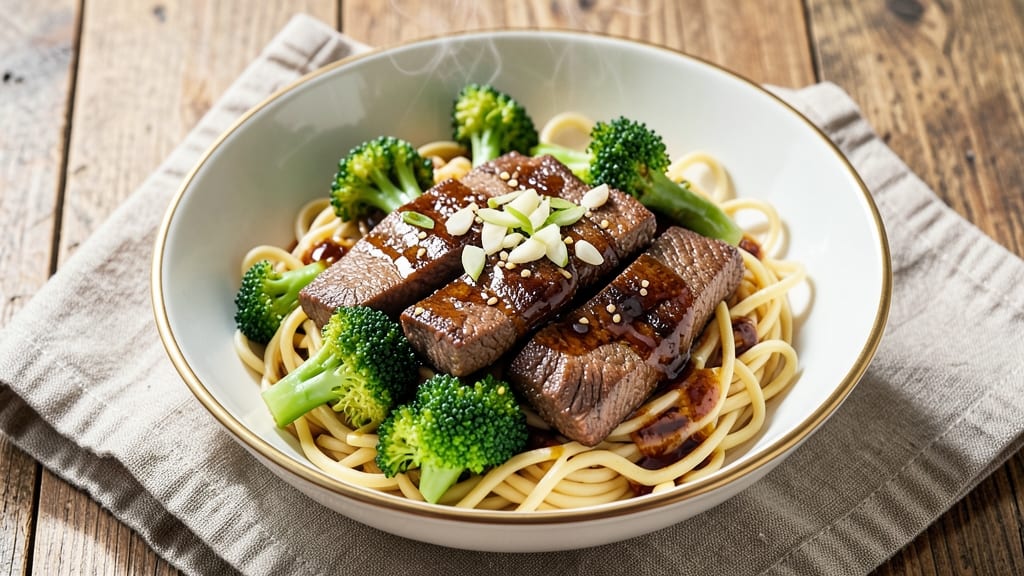
This beef and broccoli chow mein recipe delivers the perfect balance of tender beef, crisp-tender broccoli, and a savory soy-ginger glaze that sticks to every noodle. The secret lies in high-heat stir-frying to lock in that signature wok crunch, while the sauce simmers just long enough to develop deep umami without overpowering the fresh ingredients. I developed this version after years of testing—it's the one that finally convinced even my pickiest eaters to go back for seconds.
What sets this recipe apart is the two-stage cooking process: first searing the beef until deeply browned for maximum flavor, then tossing everything together at the last minute to preserve that essential crunch.
The homemade sauce—just soy sauce, ginger, garlic, and a touch of brown sugar—cuts through the richness while adding layers of complexity. It's a technique I learned from watching my grandmother stir-fry, but adapted for home kitchens with standard equipment.
By the time you plate it, you'll have perfectly al dente noodles coated in that glossy, aromatic sauce, tender beef slices, and bright green broccoli florets that stay crisp-tender.
The sauce clings to everything without making it soggy, and the ginger adds just the right amount of warmth to balance the salty-sweet profile. This is the kind of dish that transforms a simple weeknight dinner into something that feels special—without requiring any special skills.
The best part? It scales effortlessly for a crowd or makes enough leftovers for quick lunches. Whether you're using traditional wheat noodles or gluten-free alternatives, this recipe delivers that authentic chow mein experience. Let's get started—your taste buds will thank you.
Ingredients for beef and broccoli chow mein
Fourteen ingredients for the perfect balance of tender beef, crisp broccoli, and aromatic soy-ginger sauce.
| Ingredient | Amount | Notes |
|---|---|---|
| Flank Steak 🥩 | 1 lb | Thinly sliced against grain |
| Broccoli Florets 🥦 | 4 cups | Fresh, cut into bite-sized pieces |
| Egg Noodles 🍜 | 8 oz | Fresh or dried, al dente cooked |
| Soy Sauce 🍶 | ½ cup | High-quality, preferably Asian brand |
| Fresh Ginger 🌿 | 2 tbsp | Grated, aromatic variety |
| Garlic Cloves 🧄 | 4 cloves | Minced, fresh preferred |
| Brown Sugar 🍚 | 2 tbsp | Light or dark variety |
| Sesame Oil 🫒 | 1 tbsp | Toasted, for aroma |
| Vegetable Oil 🫒 | 2 tbsp | High smoke point |
| Green Onions 🧅 | 3 whole | Thinly sliced, for garnish |
| Sesame Seeds 🌱 | 1 tbsp | Toasted, for crunch |
| Salt 🧂 | 1 tsp | Kosher or sea salt |
| Black Pepper 🌶️ | ½ tsp | Freshly ground |
| Cornstarch 🌾 | 1 tbsp | For velveting beef |
The flank steak is non-negotiable for this recipe—it's lean enough to cook quickly but still tender when sliced thin. Look for grass-fed options if possible, as they tend to have better marbling. Costco or Whole Foods often carry high-quality cuts, but your local butcher can slice it paper-thin against the grain if you ask nicely. For the broccoli, bright green florets are key—avoid anything yellowing or rubbery. Fresh ginger and garlic are worth the splurge here; Penzeys or local Asian markets usually have the freshest roots. If you're short on time, pre-minced garlic works, but fresh is always better for that bright flavor.
No soy sauce? Coconut aminos or tamari will work in a pinch, though the flavor won't be identical. Substituting brown sugar? Maple syrup or agave adds moisture but lacks the caramel depth. For the noodles, rice noodles or gluten-free options can replace egg noodles if needed—just adjust cooking time. The cornstarch is crucial for velveting the beef; if you don't have it, arrowroot powder works too. Sesame oil can be swapped for neutral oil plus a pinch of toasted sesame seeds** for garnish, but don't skip it entirely—it's what gives that signature aroma.
Store prepped beef and sauce separately in the fridge for up to 2 days—reheat gently to preserve texture. Broccoli stays crispest if blanched just before serving. For leftovers, freeze in single portions** for quick lunches; it reheats beautifully. The noodles are best fresh but can be parboiled ahead and stored in cold water to prevent sticking. Garnishes like green onions and sesame seeds keep best in the freezer for up to 3 months** if sealed tightly.
Why You'll Love This Recipe
- One-Pan Magic: I swear by this recipe when I’m too tired to scrub a million dishes. Sear the flank steak in the same pan where the broccoli and noodles later dance—just toss in the sauce, stir, and boom. The ginger and soy sauce cling to every bite, and the pan’s already half-clean by the time you’re done.
- Umami Bomb: That first bite of tender, caramelized flank steak cutting through crisp-tender broccoli? Chef’s kiss. The soy sauce and ginger create this perfect balance—salty, bright, and just a little funky. Honestly, it’s the kind of flavor that makes me forget I’m eating something simple.
- Lunchbox Hero: Between us, this is my go-to for meal prep. Cook a big batch, portion it into containers, and you’ve got a week’s worth of lunches that taste fresh, not sad. The noodles stay al dente, the beef stays juicy, and even my picky coworker asks for seconds.
- Budget Power Move: Flank steak stretches farther than you’d think when sliced thin, and broccoli’s one of the most affordable veggies out there. A single pan of this feeds four for under $15, and leftovers reheat like a dream—no sad, dry noodles here. My wallet and I both approve.
Step-by-step instructions for beef and broccoli chow mein
Here's how to create a restaurant-quality stir-fry with tender beef and crisp-tender broccoli.
Prepare the Flank Steak for Perfect Texture
Slice the 1 lb flank steak thinly against the grain into ¼-inch strips. This ensures tender bites that cook quickly in the hot wok. Transfer the sliced steak to a bowl and add the 1 tbsp cornstarch, ½ tsp black pepper, and 1 tsp salt. Toss gently but thoroughly to coat each piece evenly with the cornstarch mixture - this creates that signature velvety texture.
Let the steak marinate for 15-20 minutes at room temperature. I like to cover it loosely with plastic wrap to prevent drying. The cornstarch will begin to break down slightly, creating a perfect crust when seared. This step is crucial - if you skip it, your beef will be tough instead of tender.
Cook the Egg Noodles Al Dente
Cook the 8 oz egg noodles in boiling salted water according to package instructions until al dente - about 2-3 minutes less than recommended. Drain immediately and toss with 1 tbsp sesame oil to prevent sticking. The noodles should be hot but still slightly firm when you bite them.
Here's the thing - overcooked noodles become mushy in stir-fries. I always test one noodle by biting it - if it's perfectly firm with a slight chew, it's ready. Transfer the noodles to a large bowl and set aside, keeping them warm.
Build the Soy-Ginger Glaze
In a small bowl, whisk together the ½ cup soy sauce, 2 tbsp brown sugar, 2 tbsp fresh ginger, and 4 cloves minced garlic. Let this mixture sit for 5 minutes to allow the flavors to meld. This is your flavor base - the sweet-savory balance that makes chow mein special.
While the marinade develops, heat 1 tbsp vegetable oil in a wok or large skillet over high heat until shimmering. Add the broccoli florets and stir-fry for 2-3 minutes until just tender-crisp. Remove and set aside - you want them bright green with a slight bite, not mushy.
Sear the Beef and Combine Ingredients
Add the remaining 1 tbsp vegetable oil to the wok and increase heat to maximum. Working in batches if needed, add the cornstarch-coated steak strips and sear for 1-2 minutes until deep golden brown on all sides. The cornstarch creates a beautiful crust while keeping the interior tender.
Return the broccoli to the wok along with the cooked noodles. Pour the soy-ginger marinade over everything and toss vigorously for 1-2 minutes until everything is evenly coated. The sauce should cling to the noodles and beef, creating that glossy finish we want.
Finish with Aromatics and Garnish
Reduce heat to medium and stir in the 1 tbsp sesame oil and 3 whole green onions, sliced thinly. The sesame oil adds that nutty aroma that takes the dish to another level. Taste and adjust seasoning if needed - you might want to add a splash more soy sauce for saltiness or a touch more brown sugar for sweetness.
Transfer to serving plates immediately and garnish with 1 tbsp toasted sesame seeds. The contrast of textures - crispy seeds against tender beef and chewy noodles - makes this dish truly special. Serve while hot for that perfect stir-fry experience.
Pro Tips For Making Beef And Broccoli Chow Mein
- Slice Thin, Cook Fast: Flank steak’s tough when thick—cut it against the grain into ¼-inch strips, then sear in a screaming-hot wok for 30 seconds max. I used to overcook it trying to "get it done," but high heat and quick timing keep it tender. (Yes, even if you're impatient like me.)
- Blanch Broccoli First: Toss florets in boiling water for 30 seconds before stir-frying—this stops the bitterness and ensures they stay bright green. I learned this the hard way after serving sad, limp broccoli that tasted like regret. Drain well and pat dry so they sizzle, not steam.
- Use Two Soy Sauces: Swap half your regular soy for light soy sauce (or sub with a splash of mirin) in the sauce—it adds depth without overpowering. I was skeptical until I tried it; the flavor’s brighter, less salty, and actually lets the ginger shine. (Your future self will notice.)
- Salt the Noodles Wrong: Skip salting the cooked noodles—toss them in the wok dry with a splash of oil first, then add the sauce. This keeps them from turning mushy and lets them absorb the sauce evenly. (Does it look weird? Yes. Does it work? Every single time.)
Serving suggestions for this recipe
Plating Like a Pro
For maximum visual appeal, serve your beef and broccoli chow mein in a wide, shallow bowl—this lets everyone see the colorful components. I like to arrange the noodles first as a base, then scatter the beef slices and broccoli florets on top in a sunburst pattern for balance.
The glossy sauce will naturally pool around the edges, creating that restaurant-quality look. 🍜
Garnish Game-Changers
Toasted sesame seeds and sliced green onions aren’t just for looks—they add texture and freshness. Sprinkle the seeds in a light, even layer over the entire dish, then scatter the onions in parallel lines for visual contrast.
For extra flair, drizzle a few drops of chili oil along the edges or add crushed red pepper flakes for heat lovers.
Sauce Control Tips
The sauce should coat everything but not drown it. If your chow mein looks too wet, transfer it to a colander for 30 seconds to let excess sauce drain. For a drier texture, toss the noodles with 1 tsp extra cornstarch before combining.
If the sauce is too thin, simmer it for 1-2 minutes to reduce—just don’t overcook or it’ll turn gloopy. 💫
Family-Style Serving
For sharing, serve in a large wok or cast-iron skillet at the center of the table. Provide small bowls of extra sauce on the side so everyone can adjust to taste. Add steamed dumplings or spring rolls as a side to soak up any leftover sauce—it’s a crowd-pleaser at gatherings.
Use chopsticks or forks (no judgment here!) and encourage mixing everything together for the best flavor experience.
Leftovers Reinvented
Turn leftover chow mein into stir-fry fried rice the next day—just chop everything into smaller pieces and scramble with a beaten egg.
For a quick lunch, roll portions into hand rolls with a tortilla or lettuce wrap, drizzle with extra sauce, and add a sprinkle of crushed peanuts for crunch. Store leftovers in an airtight container for up to 3 days—the flavors only get better with time! ⏰
Nutrition facts
Frequently asked questions
Can I use ground beef instead of flank steak?
While ground beef works in a pinch, it won't give you that signature tender texture. For authentic results, stick with flank steak sliced thinly against the grain. If you must use ground beef, look for lean 80/20 ground chuck and cook it until just done to avoid dryness. The texture will be different but still delicious!
How do I keep the broccoli crisp-tender?
The secret is cooking it just 2-3 minutes before removing it from the wok. Overcooking turns broccoli mushy. For extra crunch, blanch the florets in boiling water for 30 seconds first, then drain and pat dry completely before stir-frying. This jump-starts the cooking process and helps maintain that bright green color.
What if I don't have a wok?
No problem! A large cast-iron skillet or deep non-stick pan works perfectly. The key is using high heat and keeping your ingredients moving constantly. If your pan isn't wide enough, cook in batches to avoid crowding, which steams instead of sears the food. A wok just gives you more surface area for that signature stir-fry crunch.
Can I make this gluten-free?
Swap the egg noodles for rice noodles or gluten-free tamari noodles, and use tamari or coconut aminos instead of soy sauce. The recipe remains the same otherwise. For extra flavor, add 1 tsp gluten-free oyster sauce to the marinade. Just be sure to check all labels for hidden gluten in ingredients like sesame oil or cornstarch.
Why did my beef turn out tough?
Most likely, you didn't slice against the grain or missed the cornstarch coating. Flank steak must be sliced perpendicular to the muscle fibers for tenderness. Also,