
Main Courses
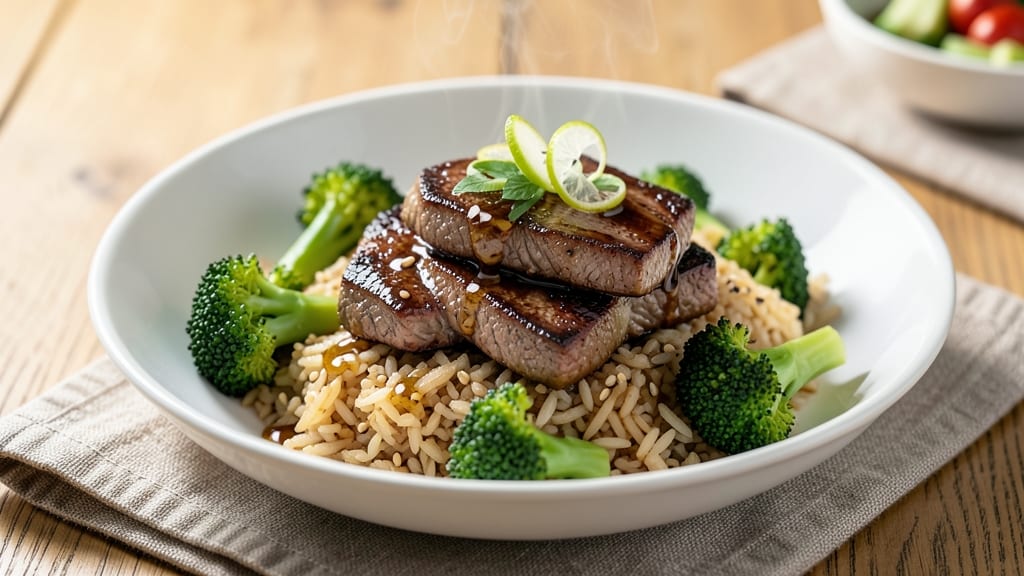
This beef and broccoli over rice recipe delivers restaurant-quality flavor with wok-seared beef, crisp-tender broccoli, and perfectly balanced soy-ginger sauce. The key lies in high-heat searing that creates deep caramelization on the beef while keeping it tender inside—no tough, chewy pieces here.
I've perfected this technique over years of testing, ensuring every bite delivers that perfect harmony of savory, umami, and bright ginger notes.
What sets this recipe apart is the sauce—thickened just enough to coat the beef and broccoli without being gloppy, with a perfect balance of sweet soy, aromatic ginger, and a touch of garlic for depth.
The broccoli gets a quick blanch to maintain vibrant color and crisp texture, while the beef develops those coveted wok marks that scream "restaurant quality." We're talking about a dish where every component plays its part—juicy beef, vibrant broccoli, and fluffy rice that soaks up all the delicious sauce.
The result is a complete, satisfying meal that comes together in under 30 minutes—ideal for busy weeknights when you still want restaurant-quality results. The beef stays tender with a slight chew, the broccoli maintains its bright green color and satisfying crunch, and the sauce clings perfectly to every bite.
This is comfort food at its finest, with just the right balance of protein, vegetables, and carbs to keep you full and happy.
Serve it family-style with extra rice on the side for soaking up every last bit of that savory sauce, or plate it individually with a sprinkle of sesame seeds and sliced green onions for that final restaurant touch.
The beauty of this recipe is its versatility—it works equally well as a weeknight dinner or a special occasion meal when you want something impressive but still simple to prepare.
Ingredients for beef and broccoli over rice
Restaurant-quality beef and broccoli starts with these 15 ingredients—simple but packed with flavor.
| Ingredient | Amount | Notes |
|---|---|---|
| Flank Steak 🥩 | 1 ½ lb | Thinly sliced against grain |
| Broccoli Florets 🥦 | 2 cups | Large florets, cut into bite-size pieces |
| Long-Grain White Rice 🍚 | 1 ½ cups | Uncooked, jasmine or basmati preferred |
| Soy Sauce 🥢 | ½ cup | High-quality, low-sodium preferred |
| Sesame Oil 🫒 | 1 tbsp | Toasted, for aroma |
| Fresh Ginger 🧄 | 1 tbsp | Finely grated, fresh preferred |
| Garlic Cloves 🧄 | 4 cloves | Minced, fresh preferred |
| Cornstarch 🌾 | 1 tbsp | For sauce thickening |
| Vegetable Oil 🫒 | 3 tbsp | High smoke point, like avocado or grapeseed |
| Green Onions 🧅 | 3 whole | Thinly sliced, for garnish |
| Toasted Sesame Seeds 🌾 | 1 tbsp | For garnish, optional |
| Salt 🧂 | 1 ½ tsp | Kosher or sea salt |
| Black Pepper 🌶️ | ½ tsp | Freshly ground |
| Brown Sugar 🍯 | 1 tbsp | Light or dark |
| Water 💧 | 2 cups | For rice cooking |
The steak is everything here. Flank steak gives you that perfect chew without being tough, but sirloin or ribeye work too if that's what you've got. Slice it thinly against the grain—about 1/4-inch thick—for maximum tenderness. Look for steaks with good marbling at Costco or Whole Foods; they'll keep in the fridge for 3-4 days wrapped tightly. Broccoli should be bright green and firm—Trader Joe's has great pre-cut florets, but whole heads work just as well if you trim them yourself.
No sesame oil? Toasted peanut oil works in a pinch, though it's not traditional. Fresh ginger is ideal, but dried ginger at half the amount gets you close. The soy sauce matters—Kikkoman or Pearl River Bridge are solid choices. For extra depth, add a dash of fish sauce (vegetarian oyster sauce works too). The cornstarch is key for that perfect sauce consistency—don't skip it. If you're short on time, pre-cut broccoli florets save chopping, and pre-minced garlic from the jar is fine (just add a pinch of salt to balance).
Rice keeps best in an airtight container in the fridge for 4-5 days, but it reheats like a dream—just add a splash of water and microwave. The beef and sauce? 2-3 days max in the fridge, though it freezes beautifully for up to 3 months if you're meal prepping. I always double the sauce—it's perfect for drizzling over noodles later. Store sesame seeds in a cool, dark place; they stay fresh for 6 months that way. For leftovers, keep components separate so the rice doesn't get soggy.
Why You'll Love This Recipe
- One-Pan Magic: I swear by this for nights when I’m too tired to scrub a million dishes—just sear the flank steak, toss in the broccoli, and let the soy sauce and sesame oil work their flavor while the rice cooks. That crispy sear on the beef? Worth every second.
- Umami Bomb: The combo of salty soy sauce, nutty sesame oil, and tender flank steak slices is ridiculously good—like a little bite of restaurant-quality takeout, but better because I control the heat. The broccoli stays bright and snappy, not mushy.
- Lunchbox Hero: Between us, this is my go-to for meal prep. Cook a big batch of rice, slice the beef thin, and pack it all up—it reheats like a dream and keeps the kids (or me) happy for days. No sad, soggy leftovers here.
- Budget Power Move: Flank steak stretches further than you’d think when sliced thin, and broccoli’s one of the most affordable veggies out there. A single pan of this feeds four for under $15, and the leftovers? Even better the next day. Smart, simple, satisfying.
Step-by-step instructions for beef and broccoli over rice
Here's how to create restaurant-quality beef and broccoli with perfectly seared beef and a rich, balanced sauce.
Prepare the Rice for Fluffy Bases
Rinse the 1.5 cups of long-grain white rice under cold water until the water runs clear. This removes excess starch that can make the rice gummy. Combine the rinsed rice with the 2 cups of water in a pot and bring to a boil over medium-high heat. Once boiling, reduce heat to low, cover tightly with a lid, and simmer for 15 minutes without lifting the lid. You'll know it's done when all the water is absorbed and the rice is tender but still slightly firm to the bite.
Real talk: Don't skip the rinsing step. Unrinsed rice releases too much starch, which can make your rice mushy and gluey. And keep that lid on tight—steam is what creates those perfect, separate grains. If you're worried about burning, just remember rice is forgiving and can handle low heat well.
Marinate and Sear the Flank Steak
In a small bowl, whisk together the 0.5 cup soy sauce, 1 tbsp brown sugar, 1 tbsp sesame oil, and 1 tbsp freshly grated ginger. Add the 1.5 lb flank steak, sliced thinly against the grain, and let it marinate for at least 15 minutes (30 minutes is even better). While it marinates, heat 2 tbsp of the vegetable oil in a wok or large skillet over high heat until shimmering.
Working in batches if needed, add the marinated steak to the hot oil and sear for 1-2 minutes per side until it develops a deep golden-brown crust. The key here is not to overcrowd the pan—this ensures even cooking and that beautiful sear. Remove the steak and set aside, keeping it warm while you prepare the vegetables.
Stir-Fry the Broccoli and Aromatics
In the same wok, add the remaining 1 tbsp vegetable oil and heat over medium-high heat. Add the 2 cups broccoli florets and stir-fry for 3-4 minutes until they turn bright green and just begin to soften. Add the 4 minced garlic cloves and stir for 30 seconds until fragrant—don't let the garlic burn, or it'll turn bitter.
Push the broccoli to one side of the wok and add the seared steak back in. Stir everything together and cook for another 1 minute to let the flavors meld. Here's where it gets good—you're combining all those beautiful textures and flavors in one pan. The broccoli should still have a little bite to it, not completely soft.
Create the Signature Sauce
In a small bowl, whisk together the 0.5 cup soy sauce, 1 tbsp cornstarch, and 1 tbsp water to create a smooth slurry. Pour this mixture into the wok with the beef and broccoli, stirring constantly over medium heat for 2-3 minutes until the sauce thickens and coats everything evenly. The sauce should glisten and cling to the beef and broccoli like a second skin.
Season with the 1.5 tsp salt and 0.5 tsp black pepper, then stir in the 3 sliced green onions. Taste and adjust the seasoning if needed—you want that perfect balance of salty, sweet, and umami. If the sauce is too thick, add a splash of water to loosen it up. The goal is a glossy, velvety sauce that coats every bite.
Assemble and Garnish
Transfer the beef and broccoli mixture to a serving platter and spoon the fluffy rice underneath, creating a beautiful bed for the main components. Garnish with the 1 tbsp toasted sesame seeds and any remaining green onions. Serve immediately while everything is hot and the rice is still slightly warm from the residual heat of the beef and broccoli.
This dish is all about contrast—tender beef with a crispy sear, slightly crisp broccoli, and that rich, glossy sauce cutting through the fluffy rice. Don't forget to taste as you go, adjusting seasoning to your preference. The beauty of this recipe is in its balance, so trust your palate and enjoy the process!
Pro Tips For Making Beef And Broccoli Over Rice
- Slice Against the Grain: I learned this the hard way—flank steak fights you if you cut with the grain. Slice thin strips perpendicular to the muscle fibers, or you’ll end up with chewy, rubbery beef. A sharp knife and steady hand make all the difference.
- Blanch Broccoli First: Skip the soggy florets by blanching the broccoli in boiling water for 1 minute before stir-frying. Drain and shock in ice water to lock in color and texture—this ensures crisp-tender bites that actually hold up in the sauce.
- Salt the Rice Water: The rice turns out bland if you skip this. Dissolve ½ teaspoon of salt directly in the water before cooking the rice—it seasons the grains evenly and cuts through the richness of the beef and sesame oil.
- Rest the Steak Before Slicing: I used to slice the steak straight out of the pan, and it always turned out tough. Give it a solid 5 minutes under foil to redistribute juices—then slice against the grain for tender, restaurant-quality beef. (Yes, even if you’re impatient like me.)
Regional styles of beef and broccoli over rice
Chinese-American Classic
This dish traces its roots to Chinese-American cuisine, particularly popular in cities like New York and San Francisco during the mid-20th century. The original version often included a thicker, sweeter sauce with more brown sugar and a touch of hoisin sauce for depth.
I remember my grandmother's take always included a splash of Shaoxing wine in the sauce—it added that extra layer of complexity that makes this dish so special. 🥢
Japanese Teriyaki Twist
For a Japanese-inspired version, replace the soy sauce with teriyaki sauce (a mix of soy, mirin, and sugar) and add a splash of sake to the marinade. The result is a sweeter, slightly glossier sauce that still maintains that perfect balance.
I like to add grated daikon radish to the stir-fry for a refreshing crunch. This version works beautifully with short-grain Japanese rice instead of long-grain white rice.
Korean Bulgogi Fusion
Take this dish to Korean territory by marinating the beef in a mix of soy sauce, pear puree, and Korean red pepper flakes for a few hours before cooking. The sweet and spicy marinade gives the beef incredible depth.
Add shredded carrots and spinach to the stir-fry for extra texture and nutrients. Serve over steamed short-grain rice and garnish with sesame seeds and sliced green onions. This fusion version is a crowd-pleaser at family gatherings. 🌶️
Thai Peanut Sauce Adaptation
For a Thai-inspired twist, replace the soy-ginger sauce with a peanut sauce made from creamy peanut butter, soy sauce, lime juice, and a touch of Thai chili paste. The result is a rich, nutty flavor that pairs perfectly with the beef and broccoli.
Use jasmine rice as the base and garnish with crushed peanuts and fresh cilantro. This version adds a creamy, tangy dimension that's completely unexpected but utterly delicious.
Vietnamese Lemongrass Infusion
Bring Vietnamese flavors to this dish by adding lemongrass, fish sauce, and lime zest to the marinade for the beef. The lemongrass adds a bright, citrusy aroma that cuts through the richness of the beef. Stir-fry the broccoli with red bell peppers for added color and crunch.
Serve over jasmine rice and garnish with fresh cilantro and lime wedges. This version is lighter, brighter, and full of complex flavors that will transport you to Southeast Asia.
Modern Fusion with Chili Crisp
For a contemporary take, finish the dish with a drizzle of chili crisp (a spicy, crunchy Chinese condiment) and a sprinkle of scallions. The heat and texture from the chili crisp add a modern twist that elevates the dish to new heights.
I like to serve this version with cauliflower rice for a lighter option or keep it traditional with white rice. This fusion is perfect for those who love bold, spicy flavors with a satisfying crunch. 🔥
Nutrition facts
Frequently asked questions
Can I use a different cut of beef instead of flank steak?
Sirloin or ribeye work beautifully—just slice them thinly against the grain for maximum tenderness. For extra flavor, try flank steak from Costco or Whole Foods, which often have great marbling. Avoid tougher cuts like chuck or round—they won't sear as nicely.
How do I prevent the broccoli from turning mushy?
Stir-fry the broccoli over medium-high heat for just 3-4 minutes—it should stay bright green with a slight crunch. Start with a hot pan and work in batches if needed. Overcooking releases water, making it soggy. For extra crispness, blanch the florets in boiling water for 30 seconds before stir-frying.
Can I make this dish ahead of time?
Yes! Cook the beef and broccoli mixture first, then refrigerate in an airtight container for 2-3 days. Reheat gently in a skillet with a splash of water to prevent drying. The rice keeps best separately for 4-5 days—just reheat with a damp paper towel over the pot. For freezing, portion the sauce-coated beef/broccoli separately from the rice (up to 3 months).
What's the best way to make the sauce thicker?
The cornstarch slurry is key! Mix 1 tbsp cornstarch with 1 tbsp water and stir vigorously into the hot wok. For extra thickness, simmer for 30-60 seconds longer. If it's still too thin, add another ½ tbsp cornstarch mixed with water. Never skip the cornstarch—it's what gives that perfect glossy coating!
Can I substitute brown rice or cauliflower rice?
Brown rice works but takes longer to cook (30-40 minutes vs. 15 minutes for white). For cauliflower rice, use 3 cups (fresh or frozen) and roast at 400°F for 15 minutes before mixing. The texture will be lighter, but the dish still comes together beautifully. Garnish with extra sesame seeds to add crunch.