
Main Courses
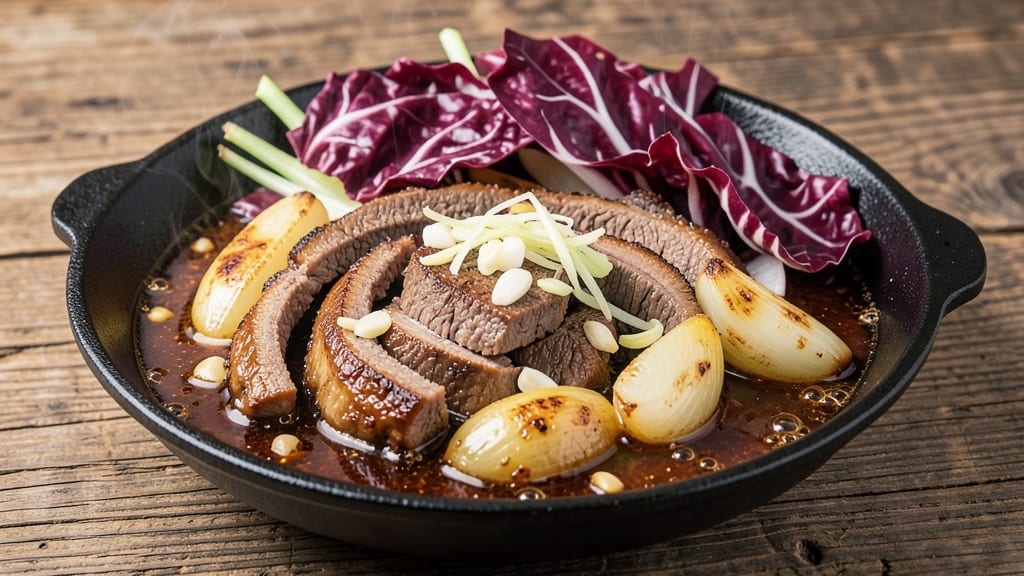
This beef and cabbage hot pot recipe delivers restaurant-quality depth in a single pot, transforming simple ingredients into a savory, comforting meal. 🔥 The secret lies in building rich broth from scratch—whether you choose a traditional soy-based version or a lighter vegetable stock—while tenderizing beef and cabbage through slow simmering.
What starts as a humble one-pot meal becomes a flavor-packed experience with layers of umami and aromatic spices.
The beauty of this recipe is its versatility—adapt it to Chinese, Korean, or Japanese hot pot styles by adjusting the broth base and seasonings.
I recommend using chuck roast for beef, as it stays tender and absorbs flavors beautifully, while green cabbage adds satisfying crunch that softens just enough during simmering. The process is straightforward: brown the beef, build the broth, and let everything meld together for 45 minutes of hands-off cooking.
By the end, you'll have a steaming pot of tender beef, perfectly softened cabbage, and aromatic broth that invites seconds. The simplicity of the ingredients—beef, cabbage, aromatics, and broth—makes this dish approachable, while the depth of flavor ensures it feels special.
Serve with steamed dumplings or rice noodles to soak up every last drop of that savory broth.
This hot pot isn't just a meal—it's an experience that brings warmth and comfort to any table. Whether you're cooking for a family dinner or a cozy night in, the one-pot method ensures minimal cleanup while delivering maximum flavor. Let's get started on creating this hearty, satisfying dish.
Ingredients for beef and cabbage hot pot
One-pot simplicity meets restaurant-quality depth with these 15 essential ingredients.
| Ingredient | Amount | Notes |
|---|---|---|
| Chuck Roast 🥩 | 1 ½ lb | Cut into 1.5-inch cubes |
| Green Cabbage 🥬 | 1 whole | Cut into wedges, core removed |
| Yellow Onion 🧅 | 1 whole | Thinly sliced for aromatic base |
| Garlic Cloves 🧄 | 6 cloves | Minced for depth of flavor |
| Fresh Ginger 🌿 | 2 tbsp | Grated, for aromatic complexity |
| Soy Sauce 🍶 | ½ cup | High-quality for umami depth |
| Dry Sherry 🍷 | ¼ cup | Substitute with dry white wine |
| Vegetable Oil 🫒 | 2 tbsp | For searing beef |
| Water 💧 | 4 cups | For broth base |
| Dried Shiitake Mushrooms 🍄 | 4 whole | Rehydrated for earthy notes |
| Star Anise 🌟 | 1 whole | For aromatic complexity |
| Cinnamon Stick 🌿 | 1 whole | For subtle warmth |
| Bay Leaf 🍃 | 2 whole | For aromatic depth |
| Salt 🧂 | 1 ½ tsp | Diamond Crystal preferred |
| Black Pepper 🌶️ | 1 tsp | Freshly ground for heat |
The chuck roast is non-negotiable for this dish—its marbling ensures tender, flavorful beef that absorbs the broth beautifully. Costco or Whole Foods typically carry high-quality chuck roasts, but any well-marbled cut will work. For the cabbage, opt for green varieties like Savoy for extra texture, though standard green cabbage delivers satisfying results. Fresh ginger and shiitake mushrooms are worth seeking out at Asian markets or specialty grocery stores, as they elevate the dish's aromatic complexity. The soy sauce should be high-quality, like Kikkoman or Lee Kum Kee, to avoid any off-flavors that can ruin the delicate balance of flavors in this one-pot wonder.
No sherry on hand? Dry white wine or additional soy sauce works perfectly—just reduce the wine by half if using as a substitute. Dried shiitake mushrooms can be rehydrated in hot water, but don't drain them completely—reserve that mushroom water for extra depth in the broth. If you're avoiding alcohol entirely, vegetable broth with a splash of balsamic vinegar mimics the acidity and richness. For the aromatics, fresh ginger is ideal, but powdered ginger at half the amount works in a pinch. The star anise, cinnamon, and bay leaf are all about building layers of warmth—remove them after 20 minutes of simmering to avoid bitterness, but don't skip them entirely.
This dish reheats beautifully—often better the next day as flavors meld further. Store leftovers in an airtight container for up to 4 days in the fridge, or freeze for 3 months by portioning into individual containers. For maximum convenience, prep the aromatics and broth base ahead of time and store them separately. The cabbage can be prepped and refrigerated for 2 days before cooking, though it's best used fresh for optimal crunch. Double the recipe if you're feeding a crowd—this hot pot scales effortlessly and tastes even better when shared.
Why You'll Love This Recipe
- One-Pot Magic: I swear by this for lazy nights—just toss everything in one pot, walk away, and come back to tender beef and cabbage that practically melts in your mouth. The chuck roast breaks down into rich, juicy shreds while the cabbage softens just enough to soak up all the flavor.
- Garlic-Ginger Bomb: That sizzle when you fry the onions, garlic, and ginger? Pure satisfaction. The fresh ginger adds a bright kick, while the garlic deepens into something almost caramelized—like a warm hug for your taste buds. Honestly, I’ll skip dinner just to smell that pot simmering.
- Leftovers That Don’t Suck: Between us, most beef and veggie leftovers taste sad. Not this. The flavors actually improve the next day—more concentrated, richer, and perfect for quick stir-fries or sandwiches. I’ve reheated this for lunch three times without a single complaint (even from my picky teenager).
- Budget Meal, Big Impact: A chuck roast stretches for days, and cabbage is dirt cheap—this feeds four for under $15. I’ll be real: it’s my go-to when I’m trying to stretch a paycheck, but somehow it still feels special. The onions caramelize into sweetness, and the beef stays juicy without needing fancy cuts.
Step-by-step instructions for beef and cabbage hot pot
This one-pot wonder delivers deep umami flavor through layered aromatics and slow simmering.
🔥 Step 1: Sear the Chuck Roast for Rich Flavor
Heat the 2 tablespoons vegetable oil in a large Dutch oven over medium-high heat until shimmering. Add the 1.5 lb chuck roast cut into 1.5-inch cubes, working in batches if needed to avoid crowding. Sear each piece for 2-3 minutes per side until deeply browned—this creates the Maillard reaction that forms the foundation of our flavor.
Real talk: Don't rush this step. You'll know it's ready when the beef releases easily from the pan and develops a caramelized crust. Transfer the seared beef to a plate and set aside. If the oil starts smoking excessively, reduce heat slightly but maintain that golden sear.
👨🍳 Step 2: Build the Aromatic Base
In the same Dutch oven, add the thinly sliced yellow onion and cook for 3-4 minutes until softened and lightly golden. Stir in the minced garlic cloves and grated fresh ginger, cooking for 30 seconds until fragrant—this prevents the garlic from burning while releasing its full flavor profile.
Add the 4 whole dried shiitake mushrooms (no need to rehydrate first—they'll absorb moisture as we cook), 1 whole star anise, 1 whole cinnamon stick, and 2 whole bay leaves. Pour in the 0.25 cup dry sherry and let it simmer for 1 minute to cook off the alcohol. This aromatic bundle will infuse the entire pot with complex, earthy notes.
🍳 Step 3: Simmer the Beef in Flavorful Broth
Return the seared beef to the pot. Add the 4 cups water, 0.5 cup soy sauce, 1.5 teaspoons salt, and 1 teaspoon black pepper. Bring to a gentle boil, then reduce heat to low and cover partially. Simmer for 1 hour 30 minutes, stirring occasionally, until the beef is fork-tender and shreds easily.
Here's the thing—this long simmer transforms tough chuck roast into melt-in-your-mouth beef. You'll notice the broth gradually darkens and develops a rich, savory depth. If it reduces too much before the beef is tender, add ½ cup water at the 45-minute mark to maintain proper moisture.
🥘 Step 4: Add Vegetables for Perfect Texture
When the beef is nearly tender, add the green cabbage wedges (core removed) to the pot. The cabbage should cook for 20-25 minutes until tender-crisp—bright green with just a slight bite. The timing is crucial: you want it to soften but retain its structure so it doesn't turn mushy.
I like to add the cabbage in the final stages because it cooks quickly and absorbs all that beautiful beef broth. Stir gently to distribute the vegetables evenly throughout the pot. The cabbage should float just below the surface, allowing it to steam in the flavorful liquid.
⏰ Step 5: Finish and Serve with Savory Depth
Once the cabbage reaches perfect tenderness, discard the star anise, cinnamon stick, and bay leaves. Taste the broth and adjust seasoning if needed—you might want to add a splash more soy sauce or a pinch of salt to balance the flavors. Let the hot pot sit off heat for 5 minutes to allow the juices to redistribute throughout the beef and cabbage.
Serve family-style directly from the Dutch oven, letting everyone scoop their portion. The result should be tender beef that practically falls apart, cabbage with just the right texture, and a deeply flavorful broth that coats every bite. This one-pot method captures all the savory depth while keeping cleanup to a minimum—exactly as promised.
Pro Tips For Making Beef And Cabbage Hot Pot
- Sear the Chuck Roast First: I learned this the hard way—skipping the sear means flavor hiding in the broth. Heat your pot until smoking, pat the chuck dry, and get it golden-brown on all sides before adding anything else. That crust locks in juices and builds depth that simmering alone can’t match.
- Cut Cabbage into Wedges: Whole cabbage heads take forever to soften, and you’ll end up with mushy edges. Quarter the head, then slice each quarter into ½-inch wedges—keeps them intact while cooking faster and looking better. No one wants to eat a sad, limp cabbage pile.
- Salt the Ginger Generously: Fresh ginger’s sharp bite needs balance, but most recipes underestimate how much salt it needs. Toss those sliced ginger pieces with ½ teaspoon of salt before adding them to the pot—it mellows the heat and makes the flavor sing. Trust me, your hot pot will taste more refined.
- Start with High Heat, Then Simmer Low: After burning three batches, I finally figured out: rush the simmer, and the onions and garlic burn before the beef tenderizes. Get the pot screaming hot for 2 minutes to blister the aromatics, then drop to a gentle simmer. The beef will fall apart without sacrificing flavor.
Health benefits of these flavors
Protein Powerhouse
This beef and cabbage hot pot packs a serious protein punch with 1.5 lbs of chuck roast, delivering about 50 grams of protein per serving. That's nearly the entire recommended daily intake for adults, making it perfect for muscle repair, immune support, and keeping you full for hours.
The slow simmering process actually increases protein bioavailability, so your body absorbs more of those essential amino acids. 💪
Fiber-Rich Vegetable Boost
The green cabbage adds 4 grams of fiber per serving, supporting digestion and gut health. Cabbage is particularly rich in insoluble fiber that promotes regularity and helps maintain healthy cholesterol levels.
The slight crunch we aim for in this recipe actually preserves more fiber content compared to overcooked cabbage dishes.
Umami Flavor Complex
The combination of soy sauce, shiitake mushrooms, and star anise creates a powerful umami profile that enhances digestion. Umami compounds like glutamates stimulate digestive juices, making this hot pot easier on your stomach than many heavy meals.
The ginger and garlic in the aromatic base also aid digestion and may help reduce bloating.
Low-Calorie Comfort Food
At just 350 calories per serving, this hot pot delivers satisfying comfort without the guilt. The high protein and fiber content keeps you full while the broth-based preparation helps control portion sizes naturally. It's the perfect balance of hearty flavors and nutritional benefits for a weeknight dinner.
Rich in Essential Minerals
The beef provides iron and zinc for energy and immune function, while the cabbage contributes vitamin C and potassium. The combination creates a mineral synergy that enhances nutrient absorption. The soy sauce adds trace minerals like manganese, completing this nutrient-dense package in every bite. ✨
Hydration Support
The broth base helps maintain hydration levels, especially with the addition of water and vegetable components. The electrolytes from the beef and aromatics make this hot pot particularly refreshing after physical activity or on hot days. It's a comforting meal that actually supports your body's hydration needs.
Nutrition facts
Frequently asked questions
Can I use a different cut of beef instead of chuck roast?
While chuck roast is ideal for its marbling and tenderness, you can substitute with brisket or stew meat for similar results. Avoid lean cuts like sirloin—they won't stay tender during the long simmer. If using a leaner cut, increase the cooking time by 15-20 minutes to ensure proper tenderness. For extra flavor, consider adding 1 tablespoon of beef bouillon powder to the broth base.
How do I adjust this recipe for a vegetarian version?
Replace the beef with 1.5 lbs of extra-firm tofu or chickpeas for protein. Use vegetable broth instead of water, and add 1 tablespoon of miso paste for umami depth. For texture, include 2 cups of mushrooms (shiitake or cremini) and ½ cup of lentils. The cabbage and aromatics remain the same, creating a hearty plant-based hot pot with similar comforting flavors.
Why does my cabbage turn mushy instead of tender-crisp?
Overcooking is the most common cause—cabbage should cook for only 20-25 minutes after the beef is tender. To prevent mushiness, add the cabbage when the beef has 15 minutes of cooking left. Also, avoid stirring too frequently, as this breaks down the cabbage fibers. For extra crunch, add the cabbage in the final 10 minutes of cooking, but this may require adjusting other ingredients' timing.
Can I make this hot pot in a slow cooker?
Yes! Brown the beef in a skillet first, then transfer it to the slow cooker with all other ingredients. Cook on low for 6-7 hours or high for 3-4 hours. The slow cooker's gentle heat will tenderize the beef perfectly. Add the cabbage in the last 30 minutes to maintain its texture. The broth may be thinner than stovetop, so reduce it slightly by simmering uncovered for 10 minutes before serving.
What are the best sides to serve with this hot pot?
This hearty dish pairs perfectly with steamed rice or rice noodles to soak up the flavorful broth. For extra texture, add pan-fried dumplings or crispy spring rolls. A simple green salad with sesame dressing cuts through the richness, while pickled vegetables add a tangy contrast. The key is balancing the meal with lighter, fresh components to complement the rich hot pot.