
Main Courses
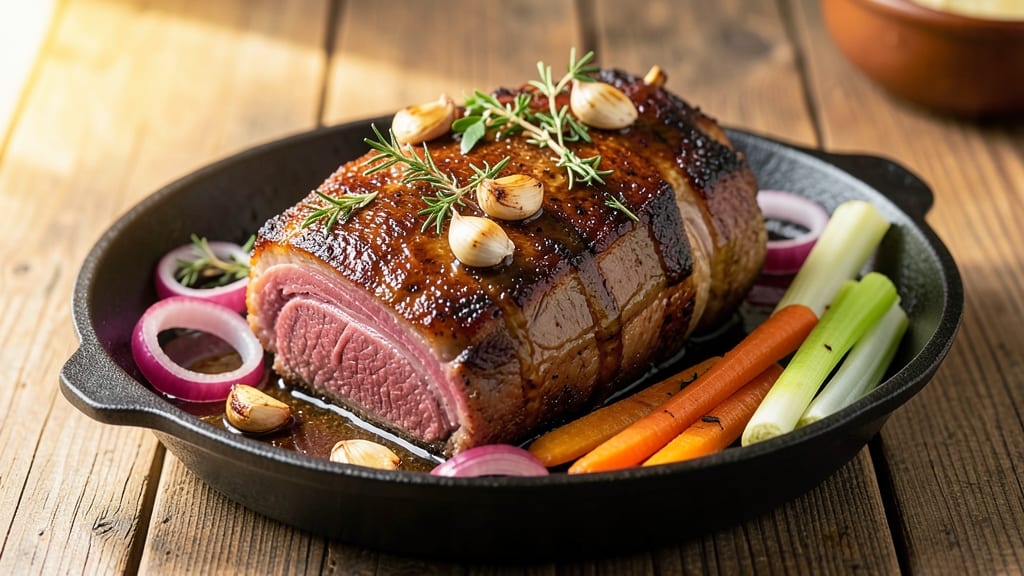
This angus beef chuck tender roast recipe delivers melt-in-your-mouth perfection through slow braising—a technique that transforms tough cuts into luxurious, fork-tender slices. The secret lies in low-and-slow cooking, where collagen breaks down into rich, velvety juices that infuse every bite.
After years of perfecting this method, I can confidently say this is the only way to cook chuck tender—any other approach falls short.
The process begins with a simple yet critical step: searing the roast to lock in flavors before transferring it to a pot for hours of gentle simmering. Aromatic vegetables and herbs build depth, while red wine and beef broth create a sauce so rich it deserves its own bowl.
What starts as a modest cut of beef emerges transformed—juicy, tender, and packed with beefy flavor that rivals steakhouse quality.
By the time you slice into that golden-brown roast, you'll be rewarded with perfectly tender meat that practically falls apart at the touch of a fork. The sauce clings to each slice, adding layers of savory, herby richness that elevates even the simplest sides.
This isn't just dinner—it's an experience that turns weeknights into special occasions without the fuss of a holiday meal.
Pair with roasted root vegetables, creamy mashed potatoes, or a crisp green salad to balance the richness. The leftovers reheat beautifully, making this an ideal recipe for meal prep or feeding a crowd.
Ready to master this timeless technique? Let's get started with the ingredients and step-by-step instructions that guarantee success every time.
Ingredients for angus beef chuck tender roast
Sixteen ingredients transform a humble chuck roast into restaurant-quality masterpiece through slow braising.
| Ingredient | Amount | Notes |
|---|---|---|
| Angus Beef Chuck Tender Roast 🥩 | 4 lb | Center-cut preferred, trimmed of excess fat |
| Yellow Onion 🧅 | 1 whole | Cut into 8 wedges, peel removed |
| Carrot 🥕 | 4 whole | Cut into 2-inch chunks, peeled |
| Celery Stalk 🌿 | 4 whole | Cut into 2-inch pieces, tough strings removed |
| Garlic Cloves 🧄 | 8 cloves | Smashed, peel intact |
| Fresh Thyme Sprigs 🌿 | 4 whole | Stems intact for easy removal |
| Fresh Rosemary Sprigs 🌿 | 2 whole | Needles only, chopped |
| Dry Red Wine 🍷 | 1 cup | Bold variety like Cabernet Sauvignon |
| Beef Broth 🥄 | 4 cups | Low-sodium preferred, homemade or quality store-bought |
| Tomato Paste 🍅 | 2 tbsp | Smooth, not chunky |
| Olive Oil 🫒 | 2 tbsp | Extra-virgin for searing |
| Kosher Salt 🧂 | 2 tbsp | Diamond Crystal preferred |
| Freshly Ground Black Pepper 🌶️ | 1 tbsp | Coarsely ground |
| Bouquet Garni 🌿 | 1 piece | Optional, tied bay leaf + parsley + thyme |
The Angus beef chuck tender roast is non-negotiable for this recipe—its marbling and collagen content deliver unmatched tenderness. Look for center-cut roasts at specialty butchers or high-end grocery stores like Whole Foods or D'Artagnan, where you can verify the cut. A 4-pound roast yields generous portions for six, with leftovers that reheat beautifully. Trim any hard fat caps before cooking to ensure even browning. For the aromatic vegetables, organic produce from the farmers market adds subtle sweetness, but conventional store-bought works perfectly fine. The key is freshness—bruised carrots or limp celery will compromise the dish's depth of flavor.
No red wine? Substitute with beef broth plus 1 tbsp balsamic vinegar for similar acidity. Fresh herbs are ideal, but dried thyme at one-third the amount works in a pinch. The tomato paste can be omitted entirely if you prefer a wine-forward sauce, though it adds a subtle sweetness that balances the acidity. For the bouquet garni, tie fresh herbs in cheesecloth or use a small metal basket that can be easily removed after cooking. If you're short on time, 1 tsp dried thyme plus 1 bay leaf will suffice. The olive oil should be extra-virgin—anything less will burn during searing and leave a bitter aftertaste.
This roast develops deeper flavor with each passing hour, so plan for at least 3 hours of braising for optimal tenderness. Store leftovers in an airtight container with any remaining sauce—reheat gently in a skillet with a splash of broth to restore moisture. The roast keeps 4-5 days refrigerated or 3 months frozen, though I recommend freezing portions in single-serving containers for easy meal prep. The braising liquid reduces to a rich sauce that's perfect for basting additional slices or serving alongside the roast—save it in a separate container if you prefer to reheat the meat and sauce separately.
Why You'll Love This Recipe
- Minimal Chopping Required: I swear by that 10-minute prep trick: just rough-chop the onion, carrot, and celery into big chunks—no fancy dicing. The chuck tender roast does all the work once it’s in the pot, so you’re free to sip wine while it braises.
- Deep Garlic Kiss: That slow-cooked garlic? It turns the beef into something ridiculously tender with layers of savory depth. Honestly, the first time I tasted it, I nearly burned the kitchen—worth every second.
- Leftovers for Days: This recipe makes enough for lunches, sandwiches, or even a quick stir-fry later in the week. Between us, my freezer is packed with these leftovers because they taste just as good reheated as they do fresh.
- Budget-Friendly Luxury: You get restaurant-quality beef without breaking the bank—chuck tender roast is leaner than ribeye but just as flavorful. Plus, the veggies stretch the meal, so you’re feeding a crowd without overspending.
Step-by-step instructions for slow-braised Angus beef chuck tender roast
This method transforms tough chuck into melt-in-your-mouth perfection through precise timing and technique.
Sear the Roast for Deep Flavor
Heat a Dutch oven over medium-high heat until very hot. Add 2 tablespoons olive oil and swirl to coat. Pat the 4 lb Angus Beef Chuck Tender Roast completely dry with paper towels—this ensures maximum browning. Place the roast in the pot, searing on all sides for 4-5 minutes per side until deeply browned. The goal is to develop a rich crust that locks in moisture during braising.
While the roast sears, prepare the vegetables: Cut the 1 whole Yellow Onion into 8 wedges, the 4 whole Carrot into 2-inch chunks, and the 4 whole Celery Stalk into 2-inch pieces. Remove and set aside—they'll join the pot later. The searing process creates fond, which we'll dissolve with wine to build flavor depth.
Build the Braising Liquid
Remove the seared roast and set it aside. In the same Dutch oven, add the 8 smashed garlic cloves (peel intact) and cook for 30 seconds until fragrant. Immediately pour in the 1 cup Dry Red Wine, scraping up all the browned bits from the bottom with a wooden spoon. This deglazing step captures all the concentrated flavor from the searing.
Add the 2 tbsp Tomato Paste, stirring to dissolve completely. Pour in the 4 cups Beef Broth and bring to a gentle simmer. Stir in the prepared vegetables, 4 whole Fresh Thyme Sprigs, 2 whole Fresh Rosemary Sprigs (needles only), and the 1 piece Bouquet Garni. Season with 2 tbsp Kosher Salt and 1 tbsp Freshly Ground Black Pepper. The liquid should cover about two-thirds of the roast.
Braise Until Fork-Tender
Return the roast to the Dutch oven, placing it on top of the vegetables. Bring the liquid to a gentle simmer, then immediately reduce heat to low and cover tightly with a lid. The key here is maintaining a consistent, gentle simmer—never a rolling boil—which prevents the meat from toughening. Braise for 3-3.5 hours until the meat is fork-tender and easily pulls apart.
Check the roast after 2.5 hours—it should be nearly tender but still slightly firm to the touch. If the liquid reduces too much before the meat is done, add ½ cup hot water to maintain moisture. The vegetables should be soft but not mushy, absorbing the rich braising flavors. The meat will continue to tenderize during resting.
Rest and Serve with Pan Sauce
Once the roast reaches fork-tender perfection, remove it from the pot and transfer to a cutting board. Tent loosely with foil and let it rest for 15-20 minutes. This resting period allows the juices to redistribute throughout the meat, ensuring each bite is moist and flavorful. The internal temperature should reach 205-210°F when done.
While the roast rests, skim excess fat from the braising liquid (if desired) and strain the sauce through a fine-mesh sieve to remove any herb stems or vegetable pieces. Return the sauce to the pot and simmer gently for 3-5 minutes to thicken slightly. Slice the roast against the grain into ¼-inch thick slices and serve with the reduced pan sauce spooned over the top. The result should be a perfectly tender, juicy roast with rich, complex flavors from the slow braising process.
Pro Tips For Making Angus Beef Chuck Tender Roast
- Sear First, Slow Later: Chuck roast needs that deep crust to stay juicy, so don’t skip the initial sear—get your pan screaming hot (375°F+) and let it brown 3-4 minutes per side before moving to the oven. I used to rush this, and the meat always ended up dry; patience here pays off.
- Trim the Fat Cap: Leave a thin layer (¼-inch) of fat on the roast—it renders into flavor—but slice off any thick chunks before searing. My grandmother swore by this, and she was right: too much fat can make the pan smoke uncontrollably and dilute the crust.
- Don’t Crowd the Veggies: When roasting onions, carrots, and celery with the beef, spread them out in a single layer. I learned this the hard way—packing them tight steams them instead of caramelizing, and you lose that sweet, concentrated flavor you’re after.
- Use a Meat Thermometer: Chuck roast is forgiving, but aim for 195°F internal temp—any lower and it’ll be tough. I was skeptical until I tried it: the collagen breaks down perfectly at this temp, turning the meat into melt-in-your-mouth goodness. (Yes, even if you’re impatient like me.)
Creative variations of this recipe
Italian-Inspired Braised
Transform this recipe into a rustic Italian masterpiece by swapping the red wine for 1 cup dry white wine like Pinot Grigio and adding 1 tbsp tomato paste mixed with 1 minced shallot at the start.
Toss in ½ cup crushed San Marzano tomatoes with the vegetables, and finish with 2 sprigs fresh oregano instead of rosemary. Serve with creamy polenta and a sprinkle of Parmigiano-Reggiano for an authentic touch. 🍷
Asian Fusion Twist
For an Asian-inspired version, replace the red wine with 1 cup dry sherry and add 1 tbsp grated fresh ginger and 2 cloves minced garlic during searing. Stir in 1 tbsp soy sauce and 1 tsp five-spice powder with the tomato paste.
Garnish with sliced scallions and serve over jasmine rice with steamed bok choy. The five-spice adds a warm, aromatic depth that complements the beef beautifully.
Smoky BBQ Glaze
Elevate your roast with a smoky BBQ finish by adding ½ cup BBQ sauce (like Sweet Baby Ray's) to the braising liquid after 2 hours of cooking. For extra smokiness, add 1 tbsp smoked paprika and ½ tsp liquid smoke to the sauce.
Finish by broiling the roast for 3-5 minutes after resting to caramelize the glaze. Serve with cornbread and pickled onions for a Southern-inspired feast. 🔥
Herb-Infused Crust
Create a flavorful crust by mixing 2 tbsp chopped fresh thyme, 1 tbsp chopped fresh rosemary, and 1 tbsp chopped parsley with 1 tbsp Dijon mustard and spreading it over the roast before searing.
This herb paste adds a fragrant crust that infuses the meat during braising. Pair with roasted garlic mashed potatoes and a crisp white wine for a refined yet comforting meal.
Spicy Cajun Version
Add a kick by incorporating 1 tbsp Cajun seasoning (like Tony Chachere's) into the tomato paste before adding it to the pot. Stir in ½ tsp cayenne pepper and 1 tsp smoked salt with the salt and pepper.
Garnish with sliced jalapeños and serve with dirty rice and collard greens for a bold, spicy twist. This version is perfect for those who love heat with their beef. 🌶️
Wine Reduction Sauce
Take your braising liquid to the next level by reducing it into a glossy wine sauce. After removing the roast, strain the liquid and reduce it on the stovetop over medium-high heat until it thickens to a syrupy consistency (about 15-20 minutes).
Finish with 1 tbsp cold butter for a silky, luxurious sauce. Drizzle generously over the sliced roast and serve with buttery egg noodles for an extra-special presentation.
Nutrition facts
Frequently asked questions
What makes chuck tender roast different from other beef cuts?
Chuck tender roast comes from the shoulder area of the cow, packed with connective tissue and marbling that creates rich flavor when cooked slowly. Unlike leaner cuts like sirloin, it benefits from moist cooking methods like braising, which break down collagen into gelatin for that signature fork-tender texture. The fat distribution ensures juiciness even when sliced thin.
Can I use a slow cooker instead of a Dutch oven?
Transfer the seared roast and all braising ingredients to a slow cooker and cook on low for 7-8 hours or high for 4-5 hours. The key difference is you'll need to add ½ cup water halfway through to prevent drying. The texture will be equally tender, though the sauce will be thinner. Perfect for hands-off cooking!
How do I know when the roast is perfectly tender?
Use the fork test: The meat should easily pull apart with minimal resistance. Aim for an internal temperature of 205-210°F—this is higher than typical doneness temps because we're cooking until the collagen fully breaks down. The edges should separate cleanly when pressed gently with tongs.
What's the best way to reheat leftovers?
Slice leftovers and reheat in a skillet with 2 tbsp beef broth over medium-low heat for 3-4 minutes until warmed through. For oven reheating, cover with foil and bake at 300°F for 20 minutes. Never microwave—it dries out the meat. Store leftovers in an airtight container with sauce for up to 5 days.
Can I substitute beef broth with something else?
For best results, use beef broth—but in a pinch, you can substitute with chicken broth plus 1 tbsp soy sauce or vegetable broth plus 1 tsp beef bouillon powder. Avoid water alone as it lacks the depth of flavor. If using wine-based broths, reduce the wine by ½ cup to maintain proper liquid levels.