
Soups & Stews
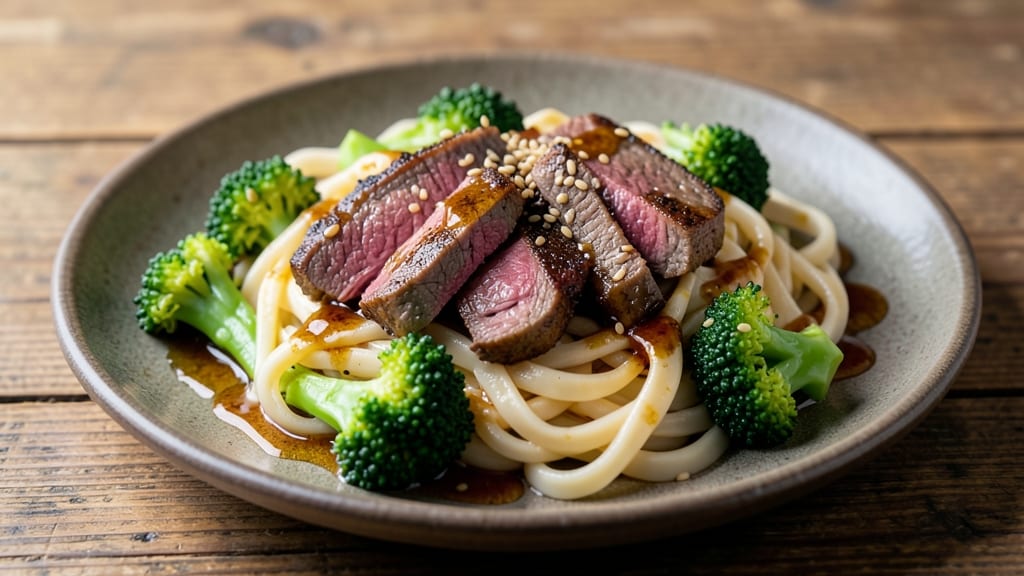
This beef and broccoli udon noodles recipe delivers restaurant-quality flavors with silky noodles and perfectly seared beef in just 30 minutes. The key lies in high-heat wok searing for tender beef and crisp-tender broccoli, paired with a savory udon broth that transforms simple ingredients into a deeply satisfying dish.
I developed this version after years of testing—balancing traditional udon techniques with quick weeknight convenience.
The process starts with thinly sliced beef that cooks rapidly in a hot wok, locking in juices while developing a caramelized crust. Fresh broccoli florets get just enough time to blanch while maintaining their vibrant color and satisfying crunch.
Meanwhile, the udon noodles cook to perfect al dente tenderness, absorbing the rich broth without becoming mushy.
What makes this recipe stand out is the homemade udon broth—simple yet deeply flavorful, combining soy sauce, sesame oil, and a touch of mirin for that perfect balance of umami and brightness.
The result is a bowl that's hearty enough for a main course but quick enough for busy nights, with every component harmonizing in texture and flavor.
Serve immediately with optional garnishes like sliced green onions or sesame seeds for added freshness. This dish proves you don't need complicated techniques to create restaurant-quality meals at home—just the right combination of timing and ingredients. Let's get cooking!
Ingredients for beef and broccoli udon noodles
Restaurant-quality beef and broccoli udon relies on high-heat searing and silky noodles for perfect balance.
| Ingredient | Amount | Notes |
|---|---|---|
| Udon Noodles 🍜 | 8 oz | Fresh or dried, cut into 6-inch pieces |
| Ribeye Steak 🥩 | 1 lb | Thinly sliced against grain |
| Broccoli Florets 🥦 | 4 cups | Fresh, medium-sized florets |
| Soy Sauce 🍶 | ½ cup | High-quality, preferably Japanese |
| Sesame Oil 🥜 | 1 tbsp | Toasted, for aroma |
| Mirin 🍶 | 2 tbsp | Sweet cooking wine |
| Garlic Cloves 🧄 | 4 cloves | Minced, fresh preferred |
| Fresh Ginger 🌿 | 1 tbsp | Finely grated, peeled |
| Neutral Oil 🫒 | 2 tbsp | Vegetable or canola |
| Green Onions 🧅 | 2 whole | Sliced, for garnish |
| Sesame Seeds 🥜 | 1 tbsp | Toasted, for garnish |
| Salt 🧂 | 1 tsp | Kosher or sea salt |
| Black Pepper 🌶️ | ½ tsp | Freshly ground |
The ribeye steak is non-negotiable—look for well-marbled cuts at Whole Foods or your local butcher. Thinly slice it against the grain for maximum tenderness. Fresh udon noodles from Asian markets have the ideal texture, but dried works in a pinch. Broccoli should be vibrant green with tight florets—avoid yellowing stems. For the broth, Japanese soy sauce (like Kikkoman) and authentic mirin elevate the dish beyond standard substitutes. The ginger and garlic need to be freshly grated and minced, respectively, for bright flavor.
No ribeye? Flank steak or sirloin work as alternatives, but slice them extra thin. Substitute dried udon for fresh by soaking in hot water for 2 minutes. Fresh ginger unavailable? Ground ginger at half the amount suffices, though texture differs. The sesame oil is purely aromatic—if you dislike its taste, reduce to 0.5 tbsp. For a quicker version, pre-cut broccoli florets save time. The soy sauce and mirin combo is essential for authentic umami; low-sodium soy sauce requires adjusting salt to taste.
Store fresh udon in the fridge for 2 days wrapped in a damp towel. Prep the broth ingredients ahead—the garlic, ginger, and soy sauce mixture keeps for 3 days in the fridge. The cooked beef and broccoli reheat beautifully in a steamer basket for 2-3 minutes. Garnishes like sesame seeds and green onions stay fresh for 5 days in an airtight container. For meal prep, assemble bowls just before serving to maintain crisp-tender broccoli and warm noodles.
Why You'll Love This Recipe
- Foolproof Cooking: I swear by this one—no overcooked noodles, no rubbery beef. Just boil udon for 3 minutes, sear the ribeye in one pan, and toss everything together. Honestly, the only thing I mess up is forgetting to drain the noodles first.
- Umami Bomb: That ribeye? Still juicy, sliced thin against crisp-tender broccoli. A splash of soy sauce and sesame oil turns it into something restaurant-worthy without the fuss. Between us, the first bite makes me question why I don’t eat this weekly.
- Lunchbox Hero: Pack it cold or reheat it—this holds up perfectly. My kids grab it for school (yes, even the broccoli), and I take it to work because it’s the only thing that doesn’t get soggy in my lunchbox. No sad, mushy leftovers here.
- Budget Luxury: Ribeye feels fancy, but a single steak stretches across two meals. Double the batch, freeze half, and you’ve got a $10 dinner for two nights. Not the prettiest, but the taste makes up for it—every time.
Step-by-step instructions for beef and broccoli udon noodles
Master this wok technique for perfectly seared beef and tender udon in one flavorful bowl.
Prepare the Udon Noodles
Fill a large pot with water and bring to a rolling boil. Add the 8 oz udon noodles and cook according to package instructions until al dente—typically 4-5 minutes for fresh or 6-8 minutes for dried. Drain immediately and rinse under cold water to stop the cooking process. This prevents the noodles from becoming mushy when combined with the hot sauce later.
Transfer the drained noodles to a large bowl and toss gently with 1 tablespoon sesame oil to prevent sticking. Cover with a damp kitchen towel to keep them pliable while you prepare the remaining components. The noodles should be hot but not boiling when you combine them with the beef and sauce—this ensures they absorb flavor without turning to mush.
Sear the Ribeye for Maximum Flavor
Heat 2 tablespoons neutral oil in a wok or large skillet over high heat until shimmering. Working in batches if needed, add the 1 lb ribeye steak (sliced thinly against the grain) and sear undisturbed for 1-2 minutes per side until deep brown and slightly charred. The high heat is crucial here—it creates a flavorful crust while keeping the steak tender.
As the steak sears, remove it from the wok and set aside on a plate. The residual heat will keep it warm while you finish the vegetables. If the oil starts smoking excessively, reduce the heat slightly to maintain control without losing the sear. The steak should be cooked to your preferred doneness—medium-rare is ideal for this dish.
Stir-Fry Broccoli and Aromatics
In the same wok, add 2 tablespoons neutral oil if needed and increase heat back to high. Add 4 cups broccoli florets and stir-fry for 2-3 minutes until bright green and just tender-crisp. Overcooking will turn them mushy, so watch closely. Remove the broccoli and set aside with the steak.
In the same wok, add the 4 cloves minced garlic and 1 tablespoon finely grated fresh ginger. Stir-fry for 30 seconds until fragrant—this releases their essential oils and forms the aromatic base of your sauce. Be careful not to burn them; garlic turns bitter quickly when overcooked. The wok should smell intensely aromatic at this point.
Build the Sauce and Combine
Pour in the 0.5 cup soy sauce and 2 tablespoons mirin, scraping up any browned bits from the bottom of the wok with a wooden spoon. These bits, called fond, are packed with flavor. Bring to a simmer and cook for 1-2 minutes until the sauce slightly reduces and thickens. Season with 1 teaspoon salt and 0.5 teaspoon black pepper.
Return the seared ribeye and broccoli to the wok, tossing everything together to coat evenly in the sauce. Add the hot udon noodles and toss gently but thoroughly to combine. The residual heat from the wok should finish cooking the noodles perfectly while absorbing the rich sauce. If the mixture seems too dry, add 2-3 tablespoons hot water to loosen the sauce.
Garnish and Serve Immediately
Divide the beef and broccoli udon noodles among 4 serving bowls. Garnish each portion with 2 sliced green onions and 1 tablespoon toasted sesame seeds. The green onions add a fresh contrast to the rich flavors, while the sesame seeds provide a nutty crunch and visual appeal.
Serve immediately while hot, as the noodles will continue to soften slightly as they cool. Each bite should deliver tender udon, perfectly seared beef with a caramelized crust, crisp-tender broccoli, and a balanced sauce that's savory from the soy, sweet from the mirin, and aromatic from the garlic and ginger. The dish is best enjoyed fresh out of the wok.
Pro Tips For Making Beef And Broccoli Udon Noodles
- CRANK THE HEAT HIGH: That ribeye won’t sear properly if you’re playing it safe with medium heat—you need a screaming-hot pan to get those caramelized crusts before you even think about adding broccoli. I used to walk away while it heated, and by the time I checked, the beef was just steaming. Now I watch for that first wisp of smoke, then dump in the meat immediately.
- SALT THE BROCCOLI FIRST: Toss those florets with a pinch of salt and a drizzle of sesame oil before they hit the pan. It crisps the edges faster and keeps them from turning into soggy mush when the noodles steam later. (Yes, even if you’re impatient like me—just don’t overcrowd the pan.)
- DON’T OVERCOOK THE UDON: Udon goes from al dente to gluey in seconds. Once the package says to drain, do it immediately—don’t let them sit in the water like you’re making risotto. Rinse them under cold water for 10 seconds to stop the cooking, then toss with a splash of sesame oil right away.
- USE THE BEEF JUICE: After searing the ribeye, don’t scrape the pan clean—that browned crust (fond) is flavor gold. Deglaze with a splash of soy sauce before adding broccoli, and you’ll get a richer sauce without extra effort. (Pro move: Add a splash of water too, so it doesn’t burn.)
Storing and reheating this dish
Refrigerator Storage
Store cooked beef and broccoli udon in an airtight container for up to 3 days in the fridge. Let it cool completely before refrigerating to prevent condensation, which can make the noodles soggy.
I recommend using glass containers—they keep flavors fresher than plastic. The beef and broccoli will stay tender, but the broccoli may lose some crispness over time. 🥬
Freezer Prep Tips
For longer storage, freeze the dish in single-serving portions for up to 2 months. Use freezer-safe containers or heavy-duty freezer bags, leaving 1-inch headspace for expansion. The sauce may thicken slightly when thawed, so add 1-2 tablespoons water when reheating.
Label with the date to track freshness—trust me, this saves time on busy days. ❄️
Reheating Methods
For the best texture, reheat in a steamer basket over boiling water for 3-4 minutes. This keeps the noodles from turning mushy while warming the beef and broccoli evenly.
If using the microwave, cover with a damp paper towel and heat in 1-minute intervals on 70% power, stirring between each interval. Avoid reheating in the wok—it can dry out the sauce. 🔥
Garnish Refresh
Revive the dish with fresh garnishes after reheating. Toast sesame seeds in a dry pan for 30 seconds until golden, then sprinkle over the top. Add sliced green onions for a bright, fresh contrast.
A drizzle of extra sesame oil (½ tbsp) enhances aroma without overpowering. These simple touches make reheated udon feel like a fresh meal. ✨
Broccoli Crisp Fix
If the broccoli loses its crunch after reheating, blanch fresh florets for 1 minute in boiling water, then shock in ice water. Toss them into the reheated dish just before serving.
This quick trick restores that satisfying texture contrast. For extra flavor, add a pinch of salt and black pepper to the fresh broccoli before mixing. 💡
Sauce Adjustments
If the sauce seems too thick after reheating, loosen it with 1-2 tablespoons hot water or udon cooking water. For extra depth, stir in ½ teaspoon soy sauce or a splash of mirin.
Avoid adding cold water—it can make the noodles gummy. Taste as you go; small adjustments make all the difference. 🍶
Nutrition facts
Frequently asked questions
Can I substitute beef with another protein?
For a quick version, use thinly sliced chicken breast or shrimp—both cook faster than beef. For a heartier option, try pork tenderloin or tofu (firm or extra-firm works best). Just adjust cooking time: chicken needs 2-3 minutes per side, shrimp 1-2 minutes total, and tofu 3-4 minutes to develop a light crust.
How do I make this dish vegetarian?
Swap the beef for extra-firm tofu or mushrooms (shiitake or oyster work well). Press tofu for 15 minutes to remove excess water, then cube or slice thinly. For umami depth, add 1 tbsp soy sauce to the tofu before cooking. Boost flavor with 1 tsp nutritional yeast or a dash of miso paste in the sauce. The dish remains rich and satisfying!
Can I use dried udon noodles instead of fresh?
Yes, but soak them for 2-3 minutes in hot water until pliable but still slightly firm. Drain and rinse with cold water to stop cooking. Fresh udon gives a silkier texture, but dried works perfectly when handled this way. For extra flavor, add 1 tsp sesame oil to the soaking water. The dish will still turn out delicious!
Why does my broccoli turn mushy?
Overcooking is the most common culprit! Stir-fry broccoli for only 2-3 minutes over high heat—it should stay bright green and just tender. Crowding the pan also steams the veggies instead of searing. Cook in batches if needed, and avoid covering the wok while stir-frying. For extra crispness, blanch fresh florets for 1 minute in boiling water before adding to the dish.
Can I make this dish ahead of time?
Prep all components separately and store in airtight containers for up to 3 days. Keep the sauce, cooked beef, and broccoli separate from the raw noodles. When ready to serve, cook the udon fresh and toss everything together. This preserves texture—noodles should never sit in sauce overnight. For quick assembly, store garnishes separately and toast sesame seeds fresh before serving.