
Soups & Stews
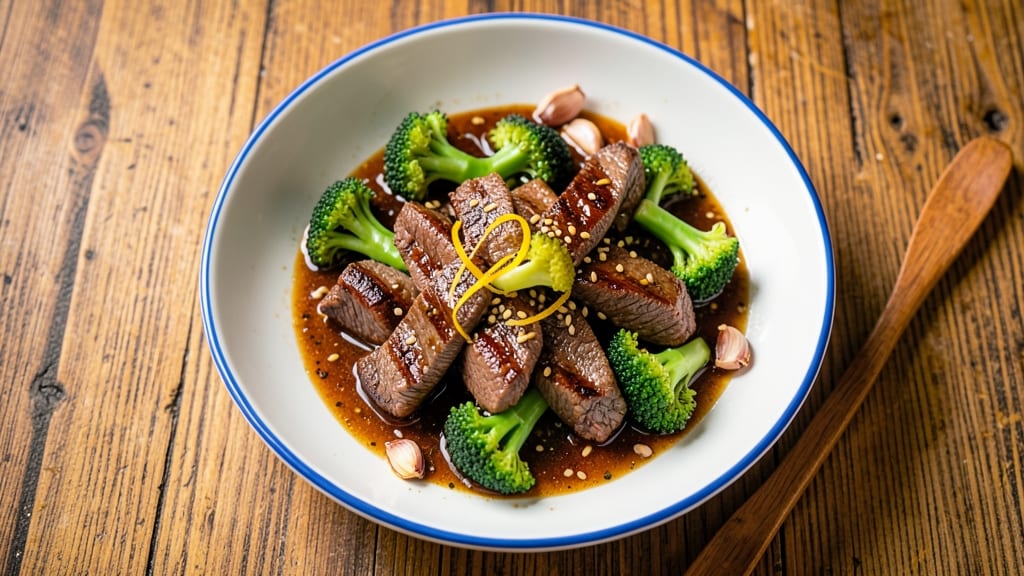
This Filipino-style beef and broccoli recipe pinoy delivers restaurant-quality wok-seared beef with tender broccoli in a bold soy-ginger sauce that balances sweetness and umami. The secret lies in marinating the beef for deep flavor infusion and stir-frying at high heat to achieve that signature caramelized crust.
I developed this recipe after years of perfecting the balance between rich, savory sauce and fresh, crisp broccoli that stays vibrant even after cooking.
The sauce is where the magic happens—a perfect harmony of soy sauce, ginger, garlic, and a touch of vinegar that brightens the dish. Unlike other versions, this recipe includes a quick marinade for the beef that ensures maximum tenderness and flavor penetration.
The broccoli is blanched first to preserve its bright green color and crisp texture, then finished in the wok with the beef for that classic stir-fry effect.
What you'll end up with is a dish that's rich yet balanced, with perfectly seared beef strips and bright, tender broccoli all coated in a glossy sauce that's just sweet enough to complement the savory beef.
The aroma alone will have everyone gathering around the table, and the first bite delivers that perfect combination of textures and flavors that make this a Filipino comfort food classic.
Serve this over steamed jasmine rice to soak up every last drop of that flavorful sauce. The dish is hearty enough for a main course but also works beautifully as a side for special occasions. Let's bring this restaurant-quality Filipino beef and broccoli to your kitchen today.
Ingredients for beef and broccoli recipe pinoy
Restaurant-quality Filipino beef and broccoli starts with these 15 ingredients—each chosen for authentic flavor and texture harmony.
| Ingredient | Amount | Notes |
|---|---|---|
| Flank Steak 🥩 | 1 ½ lb | Thinly sliced against grain |
| Fresh Broccoli 🥦 | 2 lb | Cut into florets, stems peeled |
| Soy Sauce 🍶 | ½ cup | Kikkoman preferred for balance |
| Dark Soy Sauce 🍶 | 1 tbsp | For depth of color |
| Ginger Root 🌿 | 2 tbsp | Freshly grated, aromatic |
| Garlic Cloves 🧄 | 6 cloves | Minced, for sauce foundation |
| Brown Sugar 🍯 | 2 tbsp | Lightly packed, balances flavors |
| Rice Vinegar 🍶 | 2 tbsp | White vinegar substitute |
| Sesame Oil 🫒 | 1 tbsp | Toasted for aroma |
| Vegetable Oil 🫒 | 2 tbsp | High smoke point for wok |
| Corn Starch 🌾 | 1 tbsp | For sauce thickening |
| Green Onions 🧅 | 4 whole | Sliced, for garnish |
| Salt 🧂 | 1 tsp | Kosher for seasoning |
| Black Pepper 🌶️ | ½ tsp | Freshly ground |
| Jasmine Rice 🍚 | 2 cups | Uncooked, for serving |
The flank steak is non-negotiable for this dish—its lean texture and grain direction ensure perfect slices. Ask your butcher to slice it thinly against the grain if you're not comfortable doing it yourself. For broccoli, freshness matters most: look for bright green florets with tight buds, not yellowing stems. I always grab broccoli from Whole Foods or local Asian markets where they keep it especially fresh. The soy sauces (regular and dark) should be Kikkoman brands—they strike the right balance between salty and umami without overpowering. If you can't find dark soy sauce, a few drops of molasses mixed with regular soy sauce works in a pinch.
No ginger root? Fresh is ideal, but powdered works at half the amount. The garlic should be peeled and minced finely—no pre-minced jars. For the brown sugar, lightly pack the tablespoon to avoid measuring errors. The cornstarch is crucial for thickening—Bob's Red Mill brand works best for a smooth sauce. Swapping sesame oil? Avocado oil at half the amount gives similar heat resistance. The green onions can be subbed with regular onions if needed, but the mild sweetness of green onions is preferred. If your rice vinegar smells sharp, use apple cider vinegar instead—it's milder.
Store the flank steak in the coldest part of your fridge, wrapped tightly, for up to 3 days. Broccoli keeps best in a sealed container with a paper towel for 5-6 days. The sauce components (soy sauces, vinegar, sugar) can be pre-mixed and stored for 1 week in the fridge. Cooked beef and broccoli reheat beautifully—just add a splash of water and cover for 2 minutes in the microwave. For meal prep, portion the sauce separately and toss with rice and beef when ready to serve. The dish freezes well for 3 months, though the broccoli may soften slightly.
Why You'll Love This Recipe
- One-Pan Magic: I swear by this recipe—just the steak, broccoli, and a splash of soy sauces in one pan. No chopping boards, no extra dishes, and honestly? That dark soy glaze caramelizes so fast, you’ll forget you’re cooking.
- Umami Bomb: Between us, the combo of regular and dark soy sauce with fresh ginger? It’s like a flavor explosion in your mouth. The steak stays juicy, the broccoli gets that perfect crunch, and the sauce? Sticky, salty, and ridiculously addictive.
- Lunchbox Hero: Here’s what sold me—this reheats like a dream. Pack leftover steak slices in buns for lunch, toss broccoli into salads, or serve it cold over rice. My kids even ask for it when I forget to make their "fancy" meals.
- Budget Powerhouse: Flank steak stretches far, broccoli’s cheap in season, and a little goes a long way with those sauces. I feed four for under $15, and there’s always leftovers for my "I don’t wanna cook" nights. (Yes, even on a Tuesday night.)
Step-by-step instructions for beef and broccoli pinoy
Master this Filipino-style wok sear with tender beef and vibrant broccoli in a glossy soy-ginger sauce.
Prepare the Flank Steak and Broccoli
Slice the 1.5 lb flank steak thinly against the grain into ¼-inch strips. This ensures tender, bite-sized pieces that cook quickly. Pat them dry with paper towels to remove excess moisture, which helps achieve that perfect caramelized sear later.
Cut the 2 lb fresh broccoli into 1-inch florets, peeling the tough stems first. Blanch the florets in boiling water for 1 minute, then immediately plunge into ice water to stop cooking. This preserves their bright green color and crisp texture. Drain well before using—you want them to finish cooking in the wok, not steam in their own water.
Create the Soy-Ginger Sauce
In a small bowl, whisk together the 0.5 cup soy sauce, 1 tbsp dark soy sauce, 2 tbsp freshly grated ginger root, 2 tbsp brown sugar, and 2 tbsp rice vinegar. The dark soy sauce adds that signature deep color while balancing the brightness of the ginger. Let the mixture sit for 5 minutes to allow the flavors to meld.
In a separate small bowl, combine 1 tbsp corn starch with 2 tbsp cold water, stirring until smooth. This slurry will be your thickening agent. The corn starch needs to be cold to prevent premature thickening when added to the hot wok.
Wok-Sear the Beef and Broccoli
Heat a wok or large skillet over high heat until smoking, then add 2 tbsp vegetable oil. Once the oil shimmers, add the flank steak strips in a single layer. Let them sear undisturbed for 2 minutes until they develop a deep golden crust. Avoid stirring too soon—this builds flavor through the Maillard reaction.
Push the beef to one side of the wok and add the blanched broccoli florets. Stir-fry for 3-4 minutes until the broccoli is bright green and slightly blistered. Add the minced 6 cloves garlic and cook for 30 seconds until fragrant—don't let it burn, or it'll turn bitter.
Combine and Finish the Sauce
Pour the soy-ginger sauce mixture over the beef and broccoli, stirring vigorously to coat everything evenly. Let it simmer for 2 minutes until the sauce begins to thicken slightly. This is where the flavors come together—watch for the sauce to coat the back of a spoon.
Add the corn starch slurry all at once, stirring constantly for 1-2 minutes until the sauce reaches a glossy, thick consistency. It should cling to the beef and broccoli without being gluey. If it thickens too quickly, add 1-2 tablespoons of water to adjust the texture.
Garnish and Serve
Remove from heat and stir in 1 tbsp sesame oil and 1 tbsp toasted sesame seeds (if using). The sesame oil adds a nutty aroma that complements the soy-ginger flavors. Drizzle with any remaining sauce from the wok.
Garnish with sliced 4 whole green onions and serve immediately over 2 cups cooked jasmine rice. The rice should be hot and fluffy, so serving it fresh ensures the best texture contrast. Each bite delivers tender beef, crisp broccoli, and that signature umami-rich sauce.
Pro Tips For Making Beef And Broccoli Recipe Pinoy
- Sear the Flank Steak First: High heat for 2-3 minutes per side—this isn’t just about browning, it’s about locking in flavor before the sauce gets involved. I used to toss it in cold, and the meat always ended up tough and gray. Now? Crispy edges that hold up to the stir-fry.
- Slice Broccoli Against the Grain: Cut the stems into thin half-moons, not rounds—this keeps them from turning into mush. I learned this the hard way when my first batch turned into a sad, soggy pile. Thin slices also cook faster, so they stay crisp-tender.
- Use Both Soy Sauces Separately: Toss the beef in regular soy sauce before cooking, then add dark soy sauce after searing—it’s for color, not flavor. Mixing them early makes the sauce muddy and dull. Trust me, the contrast makes the dish look (and taste) restaurant-worthy.
- Rest the Meat Under Foil: After cooking, wrap the steak in foil for 5 minutes—this keeps it juicy while you finish the broccoli. I skipped this once, and the slices dried out by the time everything hit the plate. Sounds weird, but it works.
Regional styles of this recipe
Filipino Home-Style
This version keeps it simple with a lighter sauce—just 3 tbsp soy sauce, 1 tbsp vinegar, 1 tbsp brown sugar, and a pinch of black pepper. The beef is marinated for 30 minutes in this mixture before stir-frying, creating a tender, flavorful bite.
I like adding 1 tbsp calamansi juice (or lime) to brighten the dish. This is the version I grew up with, served with garlic rice for extra flavor. 🌶️
Manila Restaurant Style
For a richer restaurant experience, use ¼ cup oyster sauce in the sauce mixture along with the soy sauces. The sauce should be glossy and slightly thick, with a balance of sweet and salty notes. Many Manila restaurants add 1 tbsp fish sauce for deeper umami.
The beef is cut into ½-inch thick strips and seared until caramelized, then finished with a quick toss in the sauce. Serve with extra toasted garlic sprinkled on top. 🍴
Visayan Twist
The Visayan region adds a unique touch with 1 tbsp bagoong (shrimp paste) mixed into the sauce for a funky, briny depth. The beef is often marinated in ½ cup buttermilk for 1 hour before cooking, keeping it extra tender.
They also include red bell pepper strips for a subtle sweetness. This version pairs beautifully with sinigang broth on the side for dipping. 🌺
Modern Fusion Version
For a contemporary take, blend the sauce with 1 tbsp miso paste and 1 tsp sriracha for a smoky-spicy kick. The beef is seared with 1 tsp smoked paprika before stir-frying, and the broccoli is tossed with 1 tbsp toasted sesame seeds at the end.
Garnish with crispy fried shallots for texture contrast. This version works well as a bowl meal with quinoa or cauliflower rice. 💡
Bicolano Adaptation
In the Bicol region, they add ½ cup coconut milk to the sauce for a creamy, slightly sweet flavor. The beef is marinated with 1 tbsp vinegar and 1 tsp turmeric for color.
The dish is finished with crispy fried garlic and served with bagoong isda (dried fish paste) on the side. This version is heartier and pairs well with steamed rice or brown rice. 🥥
Pampanga Special
The Pampanga style features a slightly sweeter sauce with 2 tbsp more brown sugar and a touch of white pepper instead of black. The beef is marinated in ½ cup pineapple juice for 2 hours to tenderize and add a subtle fruity note.
The broccoli is stir-fried with 1 tbsp butter for extra richness. This version is often served with garlic fried rice on the side. 🍍
Nutrition facts
Frequently asked questions
Can I use a different cut of beef instead of flank steak?
Yes, but choose cuts with good marbling and tenderness. Sirloin or ribeye work well—slice them ¼-inch thick against the grain for best results. Avoid tougher cuts like chuck unless you marinate them for 2+ hours. The key is thin, even slices that cook quickly in the wok.
Why does my broccoli turn mushy?
Overcooking is the usual culprit. Blanch for exactly 1 minute (no longer!) and drain completely before stir-frying. Also, don't overcrowd the wok—cook in batches if needed. The broccoli should finish cooking in 3-4 minutes in the wok, not steam in its own water. Freshness matters too: use broccoli with tight florets and green stems.
Can I make this dish in a regular pan instead of a wok?
Use a large skillet or cast-iron pan on medium-high heat. The key is to sear the beef in batches if needed to avoid steaming. A wok gives better heat distribution, but a good pan works just fine. Just keep the heat high and stir frequently to prevent sticking.
What's the secret to getting that glossy sauce?
The sauce needs two key steps: first, let the sauce mixture sit for 5 minutes before using to meld flavors. Second, add the corn starch slurry all at once while stirring constantly. For extra shine, add 1 tsp sesame oil at the very end. If it thickens too fast, add 1 tbsp water to adjust. The sauce should coat the back of a spoon but still be pourable.
How can I make this dish less salty?
Reduce the soy sauce by 2 tbsp and replace with 1 tbsp coconut aminos (milder) or extra brown sugar for sweetness. Also, use low-sodium soy sauce if available. For extra depth without salt, add 1 tbsp fish sauce—it adds umami without extra sodium. Taste as you go!