
Main Courses
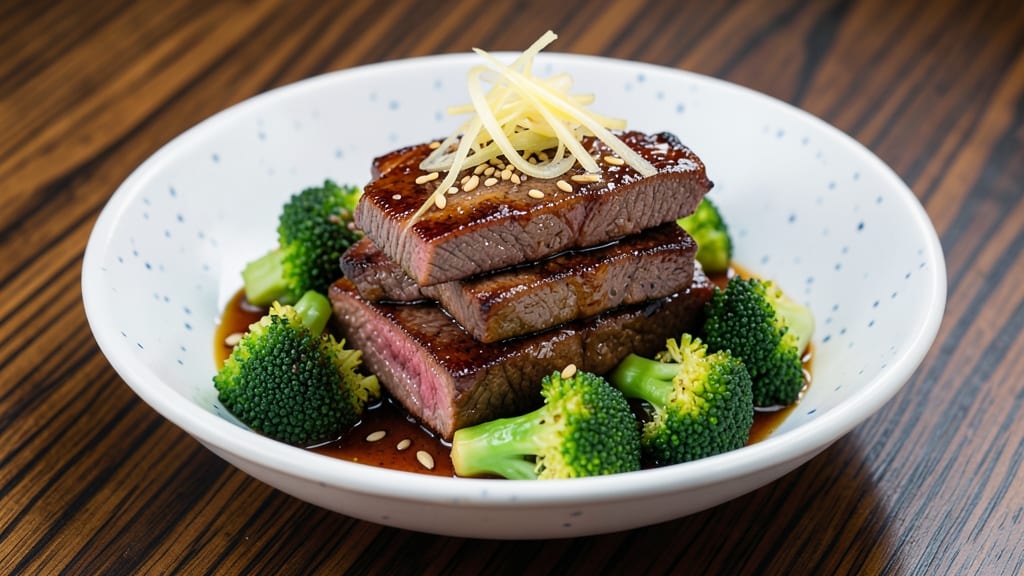
This beef and broccoli stir fry recipe delivers restaurant-quality results with wok-heated harmony that balances tender beef, crisp broccoli, and a savory soy-ginger sauce. The secret lies in proper stir-frying technique—high heat, quick cooking, and constant motion—to lock in flavor while keeping ingredients vibrant.
I developed this method after years of trial and error, ensuring every bite achieves that perfect balance of textures and depth.
What sets this recipe apart is the sauce—a simple yet complex blend of soy sauce, ginger, garlic, and a touch of brown sugar that caramelizes beautifully during cooking.
The beef gets marinated briefly to tenderize and absorb flavor, while the broccoli is blanched just enough to soften slightly before the final stir-fry. This foolproof method guarantees crisp-tender broccoli and perfectly seared beef every time, with a sauce that clings perfectly to each bite.
By the time you plate this dish, you'll have golden-brown beef strips, bright green broccoli florets, and a glossy sauce that ties everything together. The aroma alone will have everyone gathering around the table, and the first bite delivers that satisfying combination of savory, slightly sweet, and umami-rich flavors.
This is the kind of meal that feels special without requiring hours in the kitchen.
Serve over steamed jasmine rice or noodles for a complete meal that's hearty yet balanced. The recipe scales easily for a crowd, and leftovers reheat beautifully—making it perfect for busy weeknights or meal prep. Let's get started on creating this wok-heated masterpiece.
Ingredients for beef and brocolli stir fry
Restaurant-quality beef and broccoli begins with these carefully selected ingredients—each playing a precise role in wok-heated harmony.
| Ingredient | Amount | Notes |
|---|---|---|
| Flank Steak 🥩 | 1 ¼ lb | Thinly sliced against grain |
| Broccoli Florets 🥦 | 3 cups | Large florets, trimmed |
| Low-Sodium Soy Sauce 🍶 | ½ cup | High-quality brand preferred |
| Fresh Ginger 🌿 | 2 tbsp | Finely grated, aromatic |
| Garlic Cloves 🧄 | 4 cloves | Minced, fresh preferred |
| Brown Sugar 🍯 | 2 tbsp | Light or dark variety |
| Sesame Oil 🫒 | 1 tbsp | Toasted sesame oil |
| Cornstarch 🌾 | 1 tbsp | For velveting beef |
| Vegetable Oil 🫒 | ¼ cup | High smoke point |
| Green Onion 🧅 | 2 whole | Sliced, for garnish |
| Sesame Seeds 🌰 | 1 tbsp | Toasted for garnish |
| Kosher Salt 🧂 | 1 tsp | Diamond Crystal preferred |
| Black Pepper 🌶️ | ½ tsp | Freshly ground |
| Jasmine Rice 🍚 | 1 ½ cups | Uncooked, for serving |
The flank steak is non-negotiable here—its lean yet tender texture transforms with proper slicing against the grain. Ask your butcher to slice it thinly (about 1/4-inch) for even cooking. If you're slicing yourself, freeze the steak for 20 minutes first to make it easier. For broccoli, look for vibrant green florets with tight buds—avoid any with yellowing stems. The soy sauce should be low-sodium to balance the other flavors; Kikkoman or Pearl River Bridge brands are reliable choices. Fresh ginger and garlic are essential for authentic flavor—organic ginger from the produce section often has more punch than pre-peeled versions.
No flank steak? Sirloin or ribeye work in a pinch, but slice them thinner. Substituting frozen broccoli is fine, but thaw and pat dry thoroughly to avoid excess moisture. For the sauce, coconut aminos can replace soy sauce in a 1:1 ratio, though the flavor will differ slightly. If you're avoiding sugar, reduce the brown sugar to 1 tbsp or omit entirely—just know the sauce will be less caramelized. The cornstarch is crucial for velveting the beef; arrowroot powder works too at the same ratio. For a nutty finish, toast the sesame seeds in a dry pan for 30 seconds before adding to the dish.
Prep the beef and broccoli ahead of time to streamline cooking—store them separately in airtight containers for up to 2 days in the fridge. The sauce components can be mixed in advance and stored for 3 days, though the ginger and garlic should be added fresh when cooking. This dish reheats beautifully—cover with a damp paper towel and microwave for 30 seconds to retain moisture. Leftovers keep for 4 days in the fridge or 3 months frozen. For meal prep, portion the sauce separately and combine just before reheating to maintain texture.
Why You'll Love This Recipe
- One-Pan Magic: I swear by this for nights when I’m too tired to scrub pots—just the steak, broccoli, and a hot skillet. That caramelized garlic and ginger? Sticks to the pan like a dream, so you’re basically done in 20 minutes flat.
- Savory-Crunch Balance: The broccoli stays bright and snappy while the steak gets that perfect chewy edge, and the soy sauce? It’s the glue that makes every bite ridiculously good. Honestly, my picky-eating husband asks for seconds without me even asking.
- Lunchbox Hero: Between us, this is my go-to for meal prep—double the batch, pack it in containers, and you’ve got three days of easy lunches. The flavors actually improve overnight, so it’s like getting a free upgrade on dinner.
- Budget Powerhouse: Flank steak stretches forever when sliced thin, and frozen broccoli works just as well as fresh. I’ve made this for $8 a serving, and it still tastes like I spent hours in the kitchen. (Spoiler: I didn’t.)
Step-by-step instructions for beef and broccoli stir fry
Master this classic wok technique for tender beef, crisp broccoli, and a glossy soy-ginger sauce.
🍳 Step 1: Velvet the Beef for Maximum Tenderization
In a medium bowl, combine the 1.25 lb flank steak (thinly sliced against the grain), 1 tbsp cornstarch, 1 tsp kosher salt, and 0.5 tsp black pepper. Toss gently but thoroughly until every slice is evenly coated. This cornstarch mixture creates a protective barrier that prevents the beef from toughening during the high-heat stir-fry.
Let the marinated beef rest for 15 minutes at room temperature. This step is crucial—it allows the cornstarch to fully adhere and the meat to cook more evenly. Don't skip it, or you'll risk uneven cooking and tough textures. The beef should be completely dry before cooking; pat any excess moisture with paper towels if needed.
🔥 Step 2: Stir-Fry the Broccoli to Crisp-Tender Perfection
Heat a wok or large skillet over high heat until it's screaming hot. Add 0.25 cup vegetable oil and swirl to coat the bottom evenly. Add the 3 cups broccoli florets in a single layer, stirring constantly for 2-3 minutes until they're vibrant green and just beginning to soften at the edges.
Remove the broccoli to a plate and set aside. The key here is to cook the broccoli just until it's crisp-tender—any longer and it'll turn mushy. The high heat ensures the florets retain their bright color and slight crunch, which balances the tender beef beautifully. Keep the wok hot for the next step; you don't want to lose that intense heat.
🍳 Step 3: Sear the Beef in Batches for Optimal Doneness
Working in batches if needed, add the marinated beef to the hot wok in a single layer. Let it sear undisturbed for 30 seconds until the edges turn golden brown. Then stir-fry for an additional 1-2 minutes until the beef is 85% cooked—it should still have a slight pink center. Overcooking here will make the beef tough.
Remove the beef to the same plate with the broccoli and set aside. The beef will finish cooking in the sauce, so it's important not to overcook it at this stage. If your wok isn't large enough to fit all the beef at once, work in two batches, but keep the heat consistently high between batches to maintain the sear.
🥘 Step 4: Build the Flavorful Soy-Ginger Sauce
Return the wok to high heat and add 2 tbsp finely grated fresh ginger and 4 cloves minced garlic. Stir-fry for 30 seconds until fragrant—this releases their essential oils and forms the aromatic base of your sauce. Be careful not to let the garlic burn; it should just turn golden without turning dark.
Pour in the 0.5 cup low-sodium soy sauce and 2 tbsp brown sugar, scraping up any browned bits from the bottom of the wok with a wooden spoon. Add 1 tbsp sesame oil and bring to a gentle simmer. This combination creates a balanced sauce that's savory, slightly sweet, and infused with the bright flavors of ginger and garlic. Let it simmer for 1-2 minutes until slightly thickened.
🥘 Step 5: Combine and Finish with Perfect Garnishes
Return the beef and broccoli to the wok, tossing everything together to coat evenly with the sauce. Cook for an additional 1-2 minutes until the beef is fully cooked through and the sauce has thickened slightly. The beef should be tender yet still hold its shape, with a glossy, caramelized surface.
Divide the stir-fry among serving plates and garnish each portion with 1 tbsp toasted sesame seeds and sliced green onion. Serve immediately over 1.5 cups cooked jasmine rice to soak up the delicious sauce. The contrast of the warm, fragrant rice with the bold stir-fry creates a perfect balance of textures and flavors in every bite.
Pro Tips For Making Beef And Brocolli Stir Fry
- Slice Steak Against the Grain: I learned this the hard way—thin, even slices (about ¼-inch thick) cook faster and stay tender. Cutting against the grain (perpendicular to the muscle fibers) makes each bite melt in your mouth instead of turning chewy.
- Blanch Broccoli First: After burning three batches, I finally figured out: blanch the broccoli florets in boiling water for 30 seconds, then shock in ice water. This keeps them bright green and prevents them from turning mushy when they hit the hot wok later—yes, even if you're impatient like me.
- Start Hot, Finish Low: Crank the heat to max and sear the garlic and ginger until fragrant (30 seconds). Then, lower to medium-high to add the beef—this guarantees a caramelized crust without turning the edges rubbery. I skip this, and the dish loses that restaurant-quality depth.
- Use Two Soy Sauces: Low-sodium soy sauce is great, but mix in 1 teaspoon of regular soy sauce (or tamari) for umami depth. The extra salt balances the acidity from the ginger and garlic—this isn’t the prettiest method, but it’s the tastiest. Trust the process.
Wine and beer pairings for this recipe
Asian-Inspired Whites
For this dish, I reach for crisp, dry Riesling from China or Germany—specifically Huanghuacheng or Dr. Loosen Blue Slate. The slight acidity and subtle sweetness cut through the soy sauce's richness while complementing the ginger's warmth. Serve slightly chilled (45-50°F) to enhance its refreshing qualities. 🍷
A Japanese sake like Dassai Junmai (dry) also works beautifully, especially if you prefer a more subtle pairing. The clean, mineral notes balance the umami without overpowering the beef's caramelized edges. Pour it straight from the fridge for best results.
Light-Bodied Reds
If you prefer red wine, opt for a Pinot Noir with bright acidity like Meiomi or Belle Glos. The red fruit notes harmonize with the brown sugar in the sauce, while the wine's acidity prevents the dish from tasting heavy. Serve at 55-60°F to preserve its vibrancy. 🍇
Avoid heavy reds like Cabernet Sauvignon—they'll clash with the delicate soy-ginger profile. Instead, look for Pinot Noir or Gamay with enough acidity to stand up to the stir-fry's bold flavors.
Craft Beer Pairings
For beer lovers, a light lager like Asahi Super Dry or Sapporo provides a crisp, clean palate cleanser. The subtle hop bitterness contrasts nicely with the dish's sweet-savory balance. Serve at 40-45°F for optimal refreshment. 🍺
If you prefer something with more character, try a Belgian witbier like Hoegaarden. The citrusy coriander notes echo the ginger in the sauce, while the effervescence cuts through the richness. A 4-5% ABV range works best to avoid overwhelming the dish.
Non-Alcoholic Options
For a refreshing non-alcoholic match, serve sparkling yuzu soda—the citrusy brightness complements the ginger and soy sauce perfectly. I like San Pellegrino Aranciata for its mandarin-orange notes, which add a festive touch. 🥤
Alternatively, a green tea iced latte** (unsweetened) provides a subtle, earthy contrast. The tannins in the tea help cleanse the palate between bites, making it a sophisticated choice for a weeknight dinner.
Nutrition facts
Frequently asked questions
Why is cornstarch important in this recipe?
The cornstarch creates a protective velveting layer that keeps the beef tender during high-heat stir-frying. Without it, the meat can turn tough. 1 tbsp cornstarch mixed with salt and pepper creates that perfect barrier—don't skip this step!
Can I use frozen broccoli instead of fresh?
Yes, but thaw and pat it completely dry first to prevent excess moisture. Frozen broccoli works well, though fresh will have a slightly better texture. 2-3 minutes of stir-frying is key—frozen florets may need 30 seconds longer to reach crisp-tender perfection.
What's the best way to reheat leftovers?
Cover with a damp paper towel and microwave for 30 seconds to retain moisture. For stovetop reheating, add 1 tsp water or broth and stir-fry for 1-2 minutes over medium heat. Never microwave without covering—it makes everything soggy!
How do I adjust this for a crowd?
Double the ingredients and use a larger wok or skillet. Cook in batches if needed—keep the heat high between batches. For 8 servings, you'll need 2.5 lb flank steak and 6 cups broccoli florets. The sauce can be quadrupled without altering flavor balance.
What if my beef is still tough after cooking?
This usually happens from overcooking or not slicing against the grain. For next time, slice the steak 1/4-inch thick and freeze it for 20 minutes before slicing. Also ensure you remove the beef from the wok when it's 85% cooked—it finishes in the sauce.