
Soups & Stews
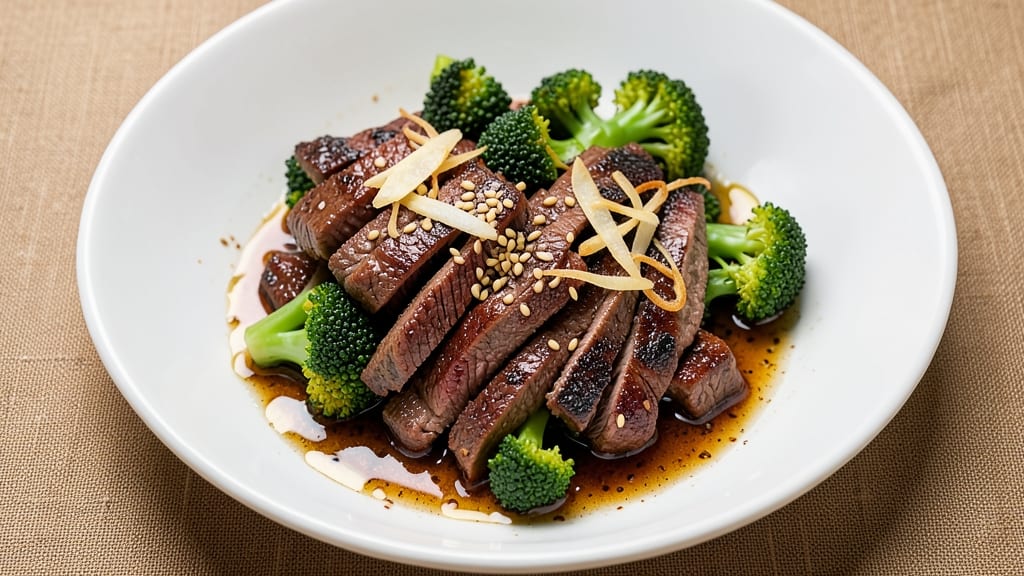
This beef and broccoli high-protein recipe delivers restaurant-quality wok-seared beef and crisp-tender broccoli in a bold soy-ginger sauce—packed with lean protein to fuel your day.
The secret lies in quick, high-heat searing that locks in juices while keeping the beef tender and flavorful, paired with broccoli that stays vibrant and slightly crisp.
I developed this version after realizing traditional recipes often sacrificed protein for convenience, so I focused on lean cuts and balanced seasoning to maximize both nutrition and taste.
The recipe starts with thinly sliced flank steak or sirloin, marinated in a simple soy-ginger mixture to tenderize and infuse flavor. While the beef sears in a hot wok, the broccoli gets a quick stir-fry to maintain its bright green color and crisp texture.
The sauce—made with just a few pantry staples—ties everything together with a perfect balance of savory, spicy, and sweet notes, ensuring every bite is satisfying without being heavy.
What you’ll end up with is a high-protein dish that’s as nutritious as it is delicious: tender beef with a caramelized crust, crisp-tender broccoli, and a glossy sauce that clings perfectly.
This recipe serves as a complete meal on its own or pairs beautifully with steamed jasmine rice or quinoa to round out the plate. The best part? It comes together in under 30 minutes, making it ideal for weeknight dinners when you need both speed and substance.
For those watching their protein intake, this version uses lean beef cuts and keeps the sauce light, ensuring you get all the flavor without the excess calories. The broccoli adds fiber and vitamins, making it a well-rounded dish that’s as good for you as it is for your taste buds.
Ready to elevate your beef and broccoli game? Let’s get started.
Ingredients for beef and broccoli high protein
Lean beef and vibrant broccoli meet bold soy-ginger sauce for a protein-packed weeknight winner.
| Ingredient | Amount | Notes |
|---|---|---|
| Flank Steak 🥩 | 1 lb | Thinly sliced against grain |
| Fresh Broccoli 🥦 | 1 ½ lb | Cut into even florets |
| Low-Sodium Soy Sauce 🍶 | ½ cup | Kikkoman preferred |
| Fresh Ginger 🌿 | 2 tbsp | Finely grated, peeled |
| Garlic Cloves 🧄 | 4 cloves | Minced, fresh preferred |
| Sesame Oil 🫒 | 1 tbsp | Toasted sesame oil |
| Honey 🍯 | 1 tbsp | For balanced sweetness |
| Cornstarch 🌾 | 1 tbsp | For sauce thickening |
| Vegetable Oil 🫒 | 2 tbsp | High smoke point |
| Red Pepper Flakes 🌶️ | ½ tsp | Adjust for heat preference |
| Sesame Seeds 🌱 | 1 tbsp | Toasted for garnish |
| Green Onions 🧅 | 3 whole | Sliced, white and green parts |
| Jasmine Rice 🍚 | 1 cup | Uncooked, for serving |
| Diamond Crystal Kosher Salt 🧂 | ½ tsp | For seasoning |
| Freshly Ground Black Pepper 🌶️ | ¼ tsp | For finishing |
The beef is everything here. Flank steak delivers the perfect lean-to-flavor ratio, but sirloin works too—just slice it thinly against the grain. Look for cuts with visible marbling at Costco or your local butcher shop; the marbling keeps it tender during the quick sear. Broccoli should be bright green and firm—Trader Joe's or Whole Foods carry excellent quality. Skip the pre-cut florets; cutting your own ensures even cooking. The ginger and garlic? Fresh is non-negotiable here—they're the flavor foundation.
No low-sodium soy sauce? Regular soy sauce plus extra water works, but taste as you go. Running short on sesame oil? Avocado oil at half the amount mimics the neutral base, though you'll miss the nutty aroma. The honey can be swapped for maple syrup if you prefer, but it won't caramelize the same way. For extra heat, add a dash of Sichuan peppercorns to the sauce—trust me, it's a game-changer. The cornstarch is key for that glossy finish; if you're gluten-free, arrowroot powder does the job just as well.
Prep the beef and broccoli first—they're ready in minutes. The sauce keeps for 5 days in the fridge, so make extra for stir-fries later. Store components separately: beef and broccoli in airtight containers, sauce in a jar. Reheat gently—microwave in 30-second bursts to avoid drying out. For meal prep, portion the rice separately; it reheats best alone. The flavors actually improve overnight as everything melds.
Why You'll Love This Recipe
- One-Pan Magic: I swear by this for nights when I’m too tired to juggle pots—just slice the steak, chop the broccoli, and toss it all in one skillet. The ginger and garlic caramelize right there, turning the kitchen into a flavor factory while I’m still scraping the last of dinner off my plate.
- Umami Bomb: That low-sodium soy sauce? It’s the MVP here. The steak soaks up just enough to stay tender but packed with depth, while the broccoli gets a crisp-tender crunch—like someone sprinkled gold dust on every bite. (Yes, even my picky husband licks the plate.)
- Meal Prep MVP: Between us, this is my go-to for lunches all week. The steak stays juicy when reheated, and the broccoli? Still bright green, not sad and limp. I portion it into containers with rice, and suddenly I’ve got five stress-free workday meals without a single sad desk salad.
- Budget Protein Power: Flank steak is cheaper than you’d think, and it stretches across multiple meals—no waste, no guilt. Honestly, I’ve made this stretch for four dinners and still had leftovers for stir-fry the next day. Plus, the ginger and garlic are cheap enough that I buy extra just for this. Smart, right?
Step-by-step instructions for wok-seared beef and broccoli
Here's how to achieve restaurant-quality tenderness with bold Asian flavors—every bite packed with protein.
Prep the Flank Steak for Maximum Tenderness
Begin by slicing the 1 lb flank steak thinly against the grain into ¼-inch thick strips. This is crucial for wok-searing—thin slices cook quickly and remain tender. Place the sliced steak in a bowl and season generously with ½ tsp diamond crystal kosher salt and ¼ tsp freshly ground black pepper. Let it marinate for 15-20 minutes at room temperature while you prep the rest.
Here's the thing—flank steak can be tough if not handled properly. The grain direction matters because it's the path of the muscle fibers. Slice against it, and you'll get tender, fork-friendly bites. If you're unsure about the grain, look for the natural lines running through the meat and cut perpendicular to them.
Cook the Jasmine Rice for Perfect Pairing
While the steak marinates, rinse the 1 cup jasmine rice under cold water until the water runs clear. This removes excess starch that would make the rice gummy. Transfer the rice to a pot with 1½ cups water and bring to a boil over high heat. Once boiling, reduce to low heat, cover, and simmer for 15 minutes. Let it sit covered for another 10 minutes before fluffing with a fork.
I always cook the rice first because it takes the longest. The steam from the rice pot will keep your kitchen warm while you work on the main dish. For best results, use a heavy-bottomed pot—it distributes heat evenly and prevents burning. The rice should be tender but still have a slight bite when you press it with your finger.
Wok-Sear the Beef to Perfection
Heat 2 tbsp vegetable oil in a wok or large skillet over high heat until shimmering. Add the marinated steak in a single layer and let it sear undisturbed for 1-2 minutes until the edges turn deep golden brown. This creates that beautiful caramelized crust we're after. Once browned, stir-fry for another 1-2 minutes until the steak reaches 145°F internally.
Don't overcrowd the pan—work in batches if needed. The high heat is what gives this dish its signature wok-seared flavor. If the steak releases easily from the pan, it's ready. If it sticks, your pan isn't hot enough. Let it cool slightly before removing to a plate—this prevents overcooking when you add it back to the wok later.
Stir-Fry the Broccoli and Build the Sauce
In the same wok, add 1.5 lb fresh broccoli cut into even florets and stir-fry for 3-4 minutes until bright green and just tender-crisp. Add 4 cloves minced garlic cloves, 2 tbsp finely grated fresh ginger, and ½ tsp red pepper flakes, cooking for 30 seconds until fragrant. Pour in ½ cup low-sodium soy sauce and 1 tbsp honey, stirring constantly for 1 minute until the sauce begins to thicken.
The broccoli should maintain its vibrant color and crisp texture—overcooking turns it mushy. This is where the magic happens: the soy sauce caramelizes slightly with the honey, creating that signature sticky-sweet glaze. If the sauce looks too thin, we'll thicken it next. Here's where it gets fun—toss in the cooked steak and any accumulated juices from the plate.
Finish with Cornstarch and Garnish
In a small bowl, whisk together 1 tbsp cornstarch with 1 tbsp sesame oil and 1 tbsp water until smooth. Add this slurry to the wok and stir vigorously for 1-2 minutes until the sauce thickens to a glossy consistency that coats the back of a spoon. Taste and adjust seasoning with additional soy sauce if needed.
Remove from heat and stir in 1 tbsp toasted sesame seeds and 3 sliced green onions. The sauce should cling beautifully to both the beef and broccoli, creating that perfect balance of sweet, salty, and umami flavors. Serve immediately over the jasmine rice, garnished with extra green onions if you like. Each bite delivers that satisfying contrast of tender beef and crisp broccoli with a sauce that's rich yet light.
Pro Tips For Making Beef And Broccoli High Protein
- Slice Against the Grain: I learned this the hard way—cutting flank steak with the grain makes it tough as boot leather. Instead, angle your knife across the grain at 45 degrees for tender, fork-friendly bites. A sharp chef’s knife and steady hand (or a meat slicer if you’re impatient) make this easier than it looks.
- Blanch Broccoli First: Skip the sad, limp broccoli by giving it a quick 30-second blanch in boiling water before stir-frying. Drain, shock in ice water, then pat dry—this keeps the florets bright green and prevents them from turning into mush when they hit the pan. (Yes, it’s an extra step, but your future self will notice the difference.)
- Use High Heat, Then Dial It Down: After searing the steak in a screaming-hot wok or skillet, immediately lower the heat to medium-high once you add the garlic and ginger. Too much heat at once burns the garlic before the beef finishes cooking, and you end up with bitter, charred bits instead of fragrant flavor. Trust the process—your steak won’t overcook if you give it a second.
- Rest the Steak Before Slicing: I used to slice the flank steak straight out of the pan, thinking it would save time. Big mistake—the juices pooled on my plate instead of staying in the meat. Give it a solid 5 minutes under foil, tented loosely, and you’ll get slices that stay juicy and caramelized, not dry. (Your knife will thank you too.)
Common mistakes when making this recipe
Overcrowding the Pan
One of the biggest mistakes is trying to cook all the beef at once in a crowded pan. When you overcrowd, the steak steams instead of searing, leading to gray, soggy meat instead of the crispy edges you want.
Work in 2 batches if needed, giving each batch space to develop that golden crust. I’ve ruined a perfectly good sear by rushing this step—trust me, patience pays off. 🔥
Skipping the Marinate
Some recipes call for marinating the beef for just 5-10 minutes, but I’ve found that 15-20 minutes makes a world of difference. The salt and pepper need time to penetrate the meat, while the soy sauce in the marinade begins tenderizing the fibers.
If you skip this step, your beef will be tougher and less flavorful. Pro tip: Let the beef sit at room temperature while marinating—cold meat releases less juice and sears unevenly.
Overcooking the Broccoli
The broccoli should be bright green and just tender-crisp, not mushy. I’ve seen people leave it in the pan too long, turning it into a sad, limp pile. Cook it for only 3-4 minutes over high heat—it should snap slightly when bitten.
If your broccoli looks dull or limp, it’s overdone. Remove it from the pan as soon as it’s bright green and slightly resistant to the bite.
Using the Wrong Heat Level
Low heat is the enemy of this dish. If your wok isn’t screaming hot, the beef will steam instead of sear, and the sauce won’t develop its signature caramelized depth. Crank the heat to high and let it rip.
If your pan isn’t hot enough, the beef will stick, and the broccoli will turn mushy. A quick test: Flick a drop of water onto the pan—if it sizzles and evaporates instantly, you’re ready to go. ⚡
Ignoring the Sauce Thickening
The cornstarch slurry is non-negotiable for that glossy, restaurant-quality sauce. Without it, your sauce will be thin and watery, clinging poorly to the beef and broccoli. Whisk the cornstarch, sesame oil, and water until smooth, then add it to the wok while stirring constantly.
If you skip this step, you’ll end up with a sauce that’s more like a drizzle than a coating. Taste as you go—adjust with a splash more soy sauce if needed.
Not Resting the Beef
After searing, let the beef rest for 2-3 minutes on a plate before adding it back to the wok. This prevents it from overcooking when the sauce comes to a boil. I’ve seen people toss the beef in immediately, only to end up with dry, stringy meat.
A quick rest keeps it juicy and tender. While it rests, use that time to prep the broccoli or finish the sauce—every second counts in a fast-paced stir-fry. 💡
Nutrition facts
Frequently asked questions
What's the protein content per serving in this recipe?
Each serving delivers approximately 35-40 grams of protein per serving, thanks to the lean flank steak. This high-protein version uses 1 lb of beef (about 4 servings) which provides roughly 140-160 grams of protein total. The broccoli adds an extra 3-4 grams per serving, making it a complete protein powerhouse for muscle recovery or meal prep.
Can I substitute flank steak with another cut?
Sirloin or ribeye work beautifully—just slice them ¼-inch thick against the grain for tenderness. For even leaner options, try lean ground beef (90/10) or chuck roast (thinly sliced and marinated longer). Avoid tougher cuts like brisket—they need slow cooking, not quick searing. The key is thin slices and high heat!
How do I make this dish spicier?
Boost the heat by doubling the red pepper flakes (to 1 tsp) or adding 1 tbsp of minced fresh chili (like jalapeño or serrano) to the sauce. For extra kick, stir in ½ tsp of crushed Sichuan peppercorns (they add a numbing heat) or a dash of chili garlic sauce at the end. Adjust to taste—start conservative and add more if needed!
Can I meal prep this recipe?
Yes, but with a few tweaks! Store the cooked beef and broccoli separately in airtight containers, and keep the sauce in a jar. Reheat components separately—microwave the beef and broccoli for 1-2 minutes (cover with a damp paper towel to retain moisture), then toss with the sauce. The rice reheats best alone. For best texture, consume within 3-4 days or freeze for up to 3 months.
What sides pair well with this dish?
This high-protein stir-fry pairs perfectly with steamed jasmine rice (as in the recipe) or cauliflower rice for a lower-carb option. For extra veggies, serve with quick-pickled cucumbers or a simple sesame green salad. If you want more protein, add a side of soft-boiled eggs or edamame. The bright flavors balance the rich soy-ginger sauce beautifully!