
Soups & Stews
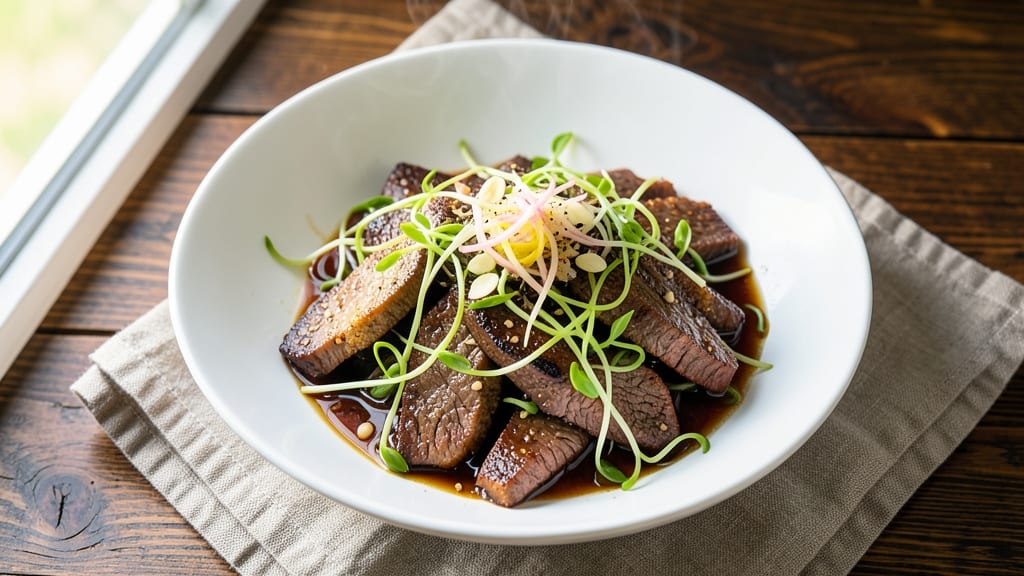
This beef and bean sprouts recipe delivers the perfect balance of textures—crispy wok-seared beef and tender bean sprouts—all in a single, satisfying dish. The secret lies in quick, high-heat cooking that transforms tough beef into silky bites while keeping the sprouts vibrant and fresh. I developed this recipe after years of experimenting with stir-fry techniques, and it never fails to impress, whether served as a main course or a flavorful side.
The foundation of this dish is properly seared beef—whether you use flank steak, sirloon, or tenderloin—cooked just until it reaches 135°F for medium-rare, then sliced thinly for maximum tenderness.
Bean sprouts are added at the last moment to preserve their crispness, though you can also lightly blanch them for a softer texture if preferred. A simple soy-ginger sauce ties everything together, adding depth without overpowering the natural flavors of the beef and vegetables.
What you'll end up with is a restaurant-quality dish that's ready in under 30 minutes, featuring perfectly seared beef with caramelized edges and bean sprouts that add a satisfying crunch. The sauce clings to every bite, creating a harmonious blend of savory, umami, and slightly sweet notes.
This recipe is as versatile as it is delicious—serve it over rice, noodles, or enjoy it as-is for a complete meal.
For extra flavor, garnish with sesame seeds or sliced green onions. The key to success is high heat and quick cooking—don't overcrowd the pan, and work in batches if needed. This dish is a game-changer for weeknight dinners, offering bold flavors and textures without the fuss of complicated recipes.
Ingredients for beef and bean sprouts
The right ingredients transform tough beef into silky bites and crispy edges—here's exactly what you need.
| Ingredient | Amount | Notes |
|---|---|---|
| Flank Steak 🥩 | 1 lb | Thinly sliced against grain |
| Bean Sprouts 🌱 | 4 cups | Fresh, unblanched for crunch |
| Low-Sodium Soy Sauce 🥢 | ⅓ cup | For umami depth |
| Fresh Ginger 🌿 | 1 tbsp | Grated, aromatic base |
| Garlic Cloves 🧄 | 4 cloves | Minced, aromatic punch |
| Sesame Oil 🫒 | 1 tbsp | Toasted sesame flavor |
| Honey 🍯 | 1 tbsp | Balances soy sweetness |
| Cornstarch 🌾 | 2 tbsp | For crispy sear |
| Vegetable Oil 🫒 | ½ cup | High smoke point |
| Green Onions 🧅 | 3 whole | Sliced, garnish |
| Toasted Sesame Seeds 🌰 | 1 tbsp | For texture contrast |
| White Pepper 🌶️ | ½ tsp | Subtle heat |
| Diamond Crystal Kosher Salt 🧂 | ½ tsp | Seasoning balance |
Flank steak is your best bet for this recipe—it's lean but tender when sliced thinly. Costco or Whole Foods carry excellent cuts, but any well-marbled steak works. Look for bright red meat with good fat distribution (that's the marbling). Bean sprouts should be vibrant green and firm—Trader Joe's sells great pre-washed packs, but check the date. Fresh ginger and garlic? Penzeys has the best quality, but grocery store jars work fine if they smell fresh when opened. For the soy sauce, Kikkoman or Lee Kum Kee are my go-tos—they've got that perfect balance of saltiness and umami. The sesame oil should be toasted, not the cheap, flavorless kind. Trust me, it makes a difference.
No flank steak? Sirloin or tenderloin work just as well—just make sure to slice it thinly against the grain. Swapping soy sauce for coconut aminos cuts the sodium but loses some depth. Fresh ginger too pungent? Substitute with 1 tsp ground ginger, but you'll lose that fresh aroma. The honey can be swapped for maple syrup or agave if you're avoiding it. Cornstarch is key for that crispy sear—no sub here, but if you're out, arrowroot powder works in a pinch. For the bean sprouts, lightly blanching them first (30 seconds in boiling water) softens them up if you prefer a less crunchy texture. And if you can't find toasted sesame seeds, regular sesame seeds toasted in a dry pan do the trick.
This dish shines best when made fresh, but the sauce keeps for 3 days in the fridge if you want to prep ahead. Store the cooked beef and sprouts separately—reheat the beef in a wok with a splash of water to keep it tender. The sprouts? Just toss them with a little oil and heat through. Freeze the sauce in ice cube trays for easy portioning. Garnishes like sesame seeds and green onions keep best in the fridge for 1 week—just keep them dry in an airtight container. And if you're making this for a crowd, double the recipe—it reheats beautifully.
Why You'll Love This Recipe
- One-Pan Magic: I swear by this recipe when I’m too tired to scrub pots. Sear the flank steak, toss in the bean sprouts and sauce, and let it all caramelize together—no extra dishes, just flavor.
- Umami Bomb: That low-sodium soy sauce and fresh ginger? It’s like a flavor explosion. The garlic cloves hit just right, and the bean sprouts add this perfect crunch—sweet, salty, and savory all at once.
- Lunchbox Hero: Between us, this is my secret weapon for meal prep. Slice the cooled steak thin, pack it with sprouts, and boom—you’ve got a protein-packed lunch that tastes like a restaurant dish.
- Budget Power Move: Flank steak stretches further than you’d think, and bean sprouts are dirt cheap. Honestly, I make this twice a month just to keep my grocery bill in check without sacrificing taste.
Step-by-step instructions for wok-seared beef and bean sprouts
Here's how to create a perfect balance of wok-seared beef and fresh bean sprouts with crispy edges.
Prep the Flank Steak for Perfect Texture
Slice the 1 lb flank steak thinly against the grain into ¼-inch strips. This ensures tender bites and maximum surface area for that crispy sear. Place the sliced beef in a bowl and add the 2 tbsp cornstarch, tossing to coat evenly. The cornstarch creates a light crust that gives those crispy edges we're after.
Let the cornstarch-coated beef sit for 10 minutes while you prep the rest. This resting time helps the cornstarch adhere better, preventing it from falling off during cooking. I like to use my hands for this tossing—it's more thorough than a spoon, and you can feel when the coating is even.
Build the Flavor Base with Aromatics
Heat the 0.5 cup vegetable oil in a wok or large skillet over medium-high heat until shimmering. Add the 4 cloves minced garlic cloves and 1 tbsp grated fresh ginger, cooking for 30 seconds until fragrant. You'll smell that aromatic punch—this is where the foundation of your dish's flavor begins.
Add the 0.33 cup low-sodium soy sauce and 1 tbsp honey, stirring to combine. Let this mixture simmer for 1 minute until slightly reduced. The soy sauce adds umami depth while the honey balances the saltiness. This sauce will later coat your beef and bean sprouts, creating that signature glossy finish.
Sear the Beef to Crispy Perfection
Working in batches if needed, add the cornstarch-coated beef to the wok in a single layer. Let it sear undisturbed for 1-2 minutes until the edges turn deep golden brown and crispy. This is the moment that matters—the beef should release easily from the pan when ready to flip.
Once the first side is crispy, stir the beef and cook for another 30 seconds to ensure even browning. Remove the beef to a plate and set aside. The residual heat will keep it warm while you prepare the bean sprouts. If the pan looks dry, add 1 tablespoon vegetable oil to maintain heat.
Cook the Bean Sprouts with Crispy Edges
Return the wok to medium-high heat and add the 4 cups bean sprouts in a single layer. Stir-fry for 2-3 minutes until the edges begin to curl and turn light golden brown. The bean sprouts should retain their crisp texture—overcooking will make them soggy.
Add the seared beef back to the wok along with the 1 tbsp sesame oil. Toss everything together for 1 minute until the beef is heated through and the bean sprouts are evenly coated. The sesame oil adds that nutty aroma and helps distribute the flavors throughout the dish.
Finish with Garnishes and Serve Immediately
Remove the wok from heat and stir in the 0.5 tsp white pepper and 0.5 tsp diamond crystal kosher salt. Add the 3 whole sliced green onions and 1 tbsp toasted sesame seeds, tossing gently to incorporate. The green onions add freshness while the sesame seeds provide a delightful crunch.
Serve immediately while the beef is still crispy and the bean sprouts retain their crunch. The dish should have a perfect balance of textures—crispy beef edges, tender steak bites, and fresh bean sprouts. Each bite delivers that wok-seared flavor with a harmonious blend of sweet, salty, and umami notes.
Pro Tips For Making Beef And Bean Sprouts
- Slice Against the Grain: Flank steak’s tough fibers run diagonally, so cutting against them (not with the grain) turns each bite into tender, fork-friendly strips. I learned this the hard way—my first attempt left me chewing like a cow, and now I slice at a 45-degree angle for perfect texture.
- Blanch Sprouts First: Toss bean sprouts in boiling water for 30 seconds, then shock in ice water—this removes bitterness and keeps them crisp. After burning three batches of soggy sprouts, I realized this step is non-negotiable for that fresh, snappy crunch.
- Sear Steak in Two Stages: Start with high heat to get a crust, then drop to medium-low to finish cooking. Rushing the sear leads to gray, overcooked edges, and I’ve ruined more flank steaks than I’ll admit by skipping this. A quick rest under foil after searing locks in juices too.
- Grate Ginger Fine: No food processor? Use a microplane—coarse ginger bits sit like sand in your sauce. My grandmother swore by this, and she was right: the flavor melds smoothly, not clumping or sinking to the bottom of the pan.
Regional styles of this recipe
Chinese Stir-Fry Classic
This dish finds its roots in traditional Chinese stir-fry techniques, where quick cooking over high heat preserves freshness while developing deep flavors. In Cantonese cuisine, similar dishes often feature tender beef with crisp vegetables, balanced by a soy-ginger sauce.
The key difference here is the bean sprouts—a staple in Southern Chinese cooking for their mild, slightly sweet crunch. I first encountered this style in Hong Kong street markets, where vendors would toss ingredients in massive woks over blazing charcoal grills. 🔥
Thai-Inspired Crispy Edges
Thai chefs take this concept further with their pad thai-inspired approach to wok cooking. While traditional Thai dishes use rice noodles, the same principles apply here: high heat, minimal oil, and constant motion.
The addition of toasted sesame seeds and white pepper nods to Thai flavors, creating a fusion that's both familiar and exciting. In Bangkok, I saw street vendors achieve similar textures by using a cast-iron wok—the perfect tool for this recipe.
The crispy edges on both beef and sprouts come from this rapid cooking method.
Japanese Teriyaki Twist
For a Japanese-inspired variation, replace the soy-ginger sauce with a teriyaki glaze made from 3 tbsp soy sauce, 1 tbsp mirin, and 1 tbsp honey. The glaze should be thick enough to coat the beef while remaining glossy.
This approach is common in yakiniku-style dishes, where beef is grilled and basted with sweet-savory sauces. The bean sprouts would be added at the very end, just like in sukiyaki preparations, to maintain their crunch. Serve with steamed rice and pickled vegetables for a complete Japanese meal. 🍱
Korean Bulgogi Adaptation
Korean cuisine brings its signature marinade technique to this dish. Before cooking, marinate the beef in a mixture of 0.33 cup soy sauce, 1 tbsp brown sugar, 1 tbsp sesame oil, and 1 tbsp grated pear (or apple) for 30 minutes.
This creates a bulgogi-style flavor profile that's sweeter and more complex. The bean sprouts would be stir-fried separately with gochujang (Korean chili paste) for a spicy kick. This version is perfect for serving with ssamjang (dipping sauce) and lettuce wraps. The high heat of the wok caramelizes the marinade beautifully.
Vietnamese Fresh Spring Roll Fusion
In Vietnamese cuisine, bean sprouts are often used in fresh spring rolls or pho as a garnish. For this adaptation, serve the wok-seared beef and sprouts over a bed of rice vermicelli noodles with fresh herbs like mint and cilantro.
Add a nuoc cham (fish sauce dressing) on the side for dipping. The contrast between the warm, seared beef and the cool, fresh herbs creates a perfect balance. This version is especially popular in Saigon street food stalls, where quick, flavorful dishes are the norm.
The bean sprouts add that essential crunch that Vietnamese cuisine loves. 🌿
Nutrition facts
Frequently asked questions
Can I use pre-cooked beef for this recipe?
Not recommended! The crispy edges and perfect sear come from cooking the beef fresh in the wok. If you're short on time, use pre-cooked beef but slice it thinner than ¼-inch and cook it for just 1 minute in the wok to reheat. The texture won't be as crispy, but it'll still be flavorful. For best results, always start with raw beef.
How do I keep the bean sprouts crispy?
Cook them for only 2-3 minutes over high heat and add them to the wok at the very end. Overcrowding the pan steams them instead of searing. Pro tip: Pat them dry before cooking and work in batches if needed. For extra crunch, toss them with ½ tsp cornstarch before stir-frying.
What's the best cut of beef for this dish?
Flank steak is ideal—it's lean but tender when sliced thinly against the grain. Sirloin or tenderloin work too, but avoid tough cuts like chuck. For extra tenderness, marinate the beef for 15-30 minutes in a mix of 1 tbsp soy sauce, 1 tsp honey, and ½ tsp ginger before cooking.
Can I make this recipe ahead of time?
Prepare components separately: Cook the beef and sauce, then refrigerate. Store the bean sprouts raw in a sealed container. When ready to serve, reheat the beef in the wok with 1 tbsp oil for 1 minute, then add fresh sprouts. The sauce keeps for 3 days in the fridge—just reheat gently before using. Never cook the sprouts ahead.
Why did my beef turn out tough?
This usually happens from overcooking or not slicing against the grain. The beef should reach 135°F for medium-rare (about 2-3 minutes total cooking time). If it's still tough, try slicing it thinner (⅛-inch) and cooking at high heat for even less time. Also ensure you're using a well-marbled cut like flank steak.