
Soups & Stews
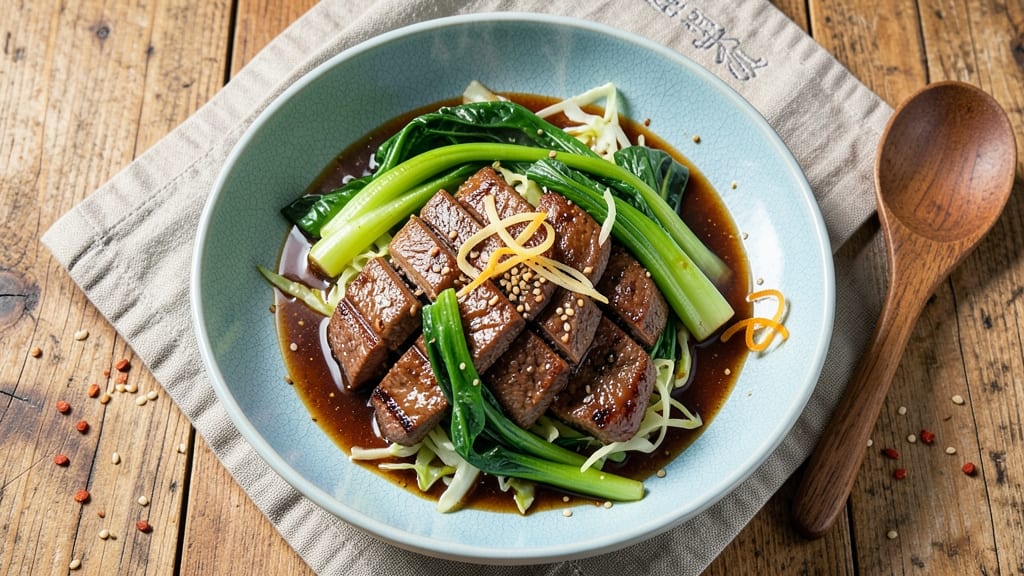
This beef and greens Chinese recipe brings the bold flavors of Chinese home cooking to your table with minimal effort. The secret lies in high-heat searing for tender beef strips paired with vibrant greens that wilt just enough to soak up the savory sauce.
I developed this recipe after years of refining stir-fry techniques, balancing umami from soy sauce with the fresh crunch of bok choy—each bite delivers restaurant-quality depth without the fuss.
The process is simpler than it sounds: marinate the beef in a quick soy-ginger-garlic blend, then sear it in a hot wok until caramelized. Meanwhile, the bok choy gets a quick blanch to soften while retaining its bright green color.
The sauce ties everything together—sweet, salty, and slightly tangy—with just a touch of heat from chili flakes. This dish comes together in under 30 minutes, making it perfect for weeknight dinners or weekend gatherings.
What you’ll end up with is a plate of tender beef strips glistening with caramelized edges, nestled alongside silky bok choy that’s just tender enough to bite into. The sauce clings to every component, creating a harmonious balance of textures and flavors.
Serve it over steamed rice or noodles to soak up every last drop of that flavorful sauce—this is comfort food at its finest.
This recipe is incredibly versatile—swap in gai lan or spinach for different greens, or add mushrooms for extra umami. The technique works equally well with flank steak or sirloin, so adjust to your preference.
Once you master this dish, you’ll have a go-to recipe for quick, satisfying meals that feel like a night out in Chinatown. Let’s get cooking!
Ingredients for beef and greens chinese
Bold flavors start with these 13 ingredients—each playing its part in restaurant-quality wok-seared beef.
| Ingredient | Amount | Notes |
|---|---|---|
| Flank Steak 🥩 | 1 lb | Thinly sliced against grain |
| Bok Choy 🥬 | 1 lb | Baby or regular, quartered |
| Light Soy Sauce 🥢 | 3 tbsp | Kikkoman preferred |
| Dark Soy Sauce 🥢 | 1 tbsp | For color depth |
| Sesame Oil 🫒 | 1 tbsp | Toasted, for aroma |
| Fresh Ginger 🌿 | 1 tbsp | Grated, peeled |
| Garlic Cloves 🧄 | 4 cloves | Minced, aromatic |
| Cornstarch 🌾 | 1 tbsp | For tenderizing beef |
| Neutral Oil 🫒 | 2 tbsp | Peanut or vegetable |
| Red Chili Flakes 🌶️ | ½ tsp | Adjust for heat |
| Green Onions 🧅 | 3 whole | Sliced, for garnish |
| Sesame Seeds 🌱 | 1 tsp | Toasted, optional |
| Steamed Jasmine Rice 🍚 | 2 cups | Cooked, for serving |
The beef makes or breaks this dish, so flank steak is non-negotiable—it’s lean but tender when sliced thin. Grab it from the butcher counter if possible, or the pre-sliced packs at Trader Joe's or Whole Foods. Look for good marbling, and if you can't find flank, sirloin or ribeye work too. The bok choy? Baby bok choy is sweeter, but regular cuts into the stir-fry faster. I always buy it pre-washed at Asian markets—they carry the freshest stuff. For the soy sauces, Kikkoman light and Lee Kum Kee dark are my go-tos, but any good brands work.
No sesame oil? Toasted peanut oil at half the amount mimics the nutty depth. Short on ginger? Ginger powder works at double the amount, but fresh is ideal. The cornstarch is key—it tenderizes the beef during the quick sear. If you're gluten-free, swap soy sauce for tamari or coconut aminos. For the greens, gai lan or spinach are great swaps, but bok choy’s slight bitterness balances the dish perfectly. The chili flakes? Adjust to taste—start light if you're sensitive to heat. And if you can't find toasted sesame seeds, regular seeds toasted in a dry pan for 30 seconds work just as well.
Prep the beef first—slice it thin against the grain, then toss with cornstarch and soy sauce. It’ll keep in the fridge for 2 days if stored in an airtight container. Bok choy stays fresh for 5 days wrapped in a damp towel. The sauce components (soy sauces, ginger, garlic) can be prepped ahead and stored in the fridge for 1 week. For leftovers, reheat gently in a wok or skillet—this dish tastes even better the second day. Serve over rice to soak up every last drop of that savory sauce.
Why You'll Love This Recipe
- One-Pan Magic: The flank steak and bok choy practically cook themselves while you stir-fry. No chopping boards to clean—just one wok or skillet, a few swipes of the knife, and you’re done. Honestly, the only mess is the good kind: sesame oil aroma filling your kitchen.
- Umami Bomb: That combo of light and dark soy sauce? It’s like flavor crack for beef. The dark soy adds a caramelized depth, while the light keeps it bright—plus, the bok choy soaks up all the goodness without turning to mush. Between us, my picky husband goes back for seconds.
- Lunchbox Hero: Pack it for work or school—it reheats like a dream. The steak stays tender (no dryness here), and the bok choy holds its crunch. I’ll be real: I’ve sent this in a thermos twice this week, and zero complaints. Even my kid who hates veggies ate it cold from the fridge.
- Budget Win: Flank steak stretches further than you’d think, and bok choy is cheaper than spinach at my grocery store. A single pound of steak feeds four, and the soy sauces last for months. Not the prettiest dish, but the taste makes up for it—every time.
Step-by-step instructions for wok-seared beef with silky bok choy
Here's how to transform simple ingredients into a restaurant-worthy Chinese beef and greens dish.
Prep the Beef for Maximum Tenderness
Slice the 1 lb flank steak thinly against the grain into ¼-inch strips. This is crucial—thin slices ensure quick cooking and perfect bite. Place the sliced beef in a bowl and add the 1 tbsp cornstarch, tossing to coat evenly. Let it sit for 10 minutes while you prep the rest. The cornstarch creates a delicate crust that prevents the beef from turning tough during searing.
While the beef marinates, grate the 1 tbsp fresh ginger using a microplane or fine grater. Mince the 4 cloves garlic as finely as possible—you want them almost paste-like for even distribution. The ginger and garlic will infuse the beef with bright, aromatic flavors during cooking. Keep these prepped ingredients nearby so you don't have to search for them later.
Sear the Beef to Perfect Doneness
Heat a wok or large skillet over high heat until it's screaming hot. Add the 2 tbsp neutral oil and let it shimmer for 30 seconds. Add half of the beef strips in a single layer—don't overcrowd the pan. Let them sear undisturbed for 1-2 minutes until they develop a deep golden crust. This initial sear locks in juices and creates that signature wok-hei flavor.
Work in batches if needed to avoid steaming the beef. Once the first batch is browned, transfer it to a plate and repeat with the remaining beef. The beef should be cooked to medium-rare—it will finish cooking when combined with the bok choy. You'll know it's ready when it releases easily from the pan and has a beautiful caramelized crust.
Cook the Bok Choy Until Silky-Tender
In the same wok, add a bit more neutral oil if needed and increase heat to medium-high. Add the 1 lb bok choy in a single layer, stems first. Let it cook undisturbed for 1 minute until the edges begin to blister slightly. This initial sear enhances the natural sweetness of the greens.
Add the minced garlic, grated ginger, 0.5 tsp red chili flakes, and all the seared beef back to the wok. Stir-fry vigorously for 2-3 minutes until the bok choy wilts down and becomes bright green. The chili flakes should be evenly distributed but not burned—this adds just the right amount of heat without overpowering the dish.
Build the Signature Sauce
Pour in the 3 tbsp light soy sauce and 1 tbsp dark soy sauce, immediately scraping up any browned bits from the bottom of the wok. The dark soy sauce adds that beautiful mahogany color while the light soy sauce provides the salty umami base. Let the sauce simmer for 1 minute until it begins to thicken slightly and coat the beef and greens.
Drizzle in the 1 tbsp sesame oil and toss everything together for 30 seconds until the greens are evenly coated and the sauce has emulsified. The sesame oil adds a nutty aroma that complements the beef perfectly. Taste and adjust seasoning if needed—you might want to add a splash of water if the sauce is too thick.
Finish and Serve with Style
Transfer the beef and bok choy to serving plates. Garnish with sliced 3 whole green onions and sprinkle with 1 tsp toasted sesame seeds for texture and visual appeal. Serve immediately over 2 cups steamed jasmine rice—the hot rice helps distribute the delicious sauce throughout your meal.
This dish should be vibrant, with tender beef that practically melts in your mouth and silky bok choy that's just crisp enough. The sauce should cling beautifully to each bite, offering a perfect balance of salty, umami, and slightly spicy flavors. Don't forget to save some sauce from the wok to drizzle over your rice for extra flavor!
Pro Tips For Making Beef And Greens Chinese
- Slice Steak Against Grain: I learned this the hard way—thin slices (about ¼-inch thick) cook faster and stay tender, but cutting against the grain makes each bite melt in your mouth. If you’re impatient like me, skip the long rest and just slice thinner, but don’t go under ⅛-inch or the bok choy will overpower the beef.
- Blanch Bok Choy First: This isn’t the prettiest method, but it’s the tastiest: Shock your bok choy in boiling water for 30 seconds, then ice bath. It wilted perfectly every time, so it soaks up the soy-sesame sauce instead of turning soggy. (Yes, even if you’re in a rush—just do it while the steak rests.)
- Use Dark Soy for Color: Light soy adds flavor, dark soy adds depth—and that glossy, restaurant-worthy sheen. Swap half your light soy for dark (start with 1 tbsp dark + 1 tbsp light) and watch the pan transform from dull to dramatic. No substitutions here; dark soy’s the secret to that classic wok look.
- Finish with Sesame Oil Last: I was skeptical until I tried it: Toss the cooked beef and greens with the sauce, then remove from heat before drizzling sesame oil. Heat destroys its nutty aroma—adding it at the end guarantees that rich, toasty finish. (Pro move: Warm the oil first by swirling it in the pan for 10 seconds before pouring.)
Wine and beer pairings for these flavors
Light Beer Pairings
For this dish, I reach for crisp, light beers that won’t overpower the delicate balance of flavors. A Chinese pale lager like Snow Beer or Tsingtao works beautifully—their subtle malt sweetness complements the umami-rich beef without competing.
The light body lets the dish shine through, while the slight effervescence cleanses your palate between bites. 🍺
Rice Wine Pairings
Traditional Chinese pairings often include Shaoxing wine, which adds depth to the meal. A splash of dry Shaoxing in the sauce (about 1 tbsp) enhances the dish’s authenticity, while sipping a glass of the same during your meal ties everything together.
The nutty, slightly sweet notes mirror the sesame and soy flavors in the beef.
Dry White Wine Options
If you prefer wine, opt for a dry Riesling or Sauvignon Blanc—their bright acidity cuts through the richness of the beef while enhancing the bok choy’s freshness. A German Riesling Kabinett with its citrusy notes pairs exceptionally well, balancing the dish’s savory and spicy elements. 🍷
Sake for Subtlety
For a more refined pairing, try dry sake like Dassai or Kubota. The clean, crisp profile lets the beef and greens take center stage, while the subtle umami notes in the sake echo the soy and sesame flavors. Serve it chilled to highlight its delicate aroma and refreshing finish.
Non-Alcoholic Pairings
Don’t overlook non-alcoholic options! A jasmine green tea or oolong tea complements the dish’s aromatic profile without overpowering it. For something more substantial, try a ginger beer—its spicy kick mirrors the chili flakes, while the effervescence keeps the palate fresh. 💧
Nutrition facts
Frequently asked questions
Can I substitute flank steak with another cut of beef?
Sirloin or ribeye work well too, but slice them ¼-inch thick against the grain for tenderness. Avoid tougher cuts like chuck—this dish relies on quick cooking to keep the beef juicy. If using pre-sliced beef from the store, check for thin cuts labeled "stir-fry strips."
How do I prevent the beef from turning tough?
Three key steps:
- Slice thin against the grain (¼-inch max),
- Use cornstarch (it creates a protective crust), and
- Cook over high heat for 1-2 minutes max per batch. Overcrowding the pan steams the beef instead of searing it—work in batches if needed. The beef should be medium-rare when done.
What if I can't find bok choy? What greens work best?
Gai lan (Chinese broccoli) is the closest substitute—its texture and mild bitterness mirror bok choy perfectly. Other good options: spinach (adds richness), baby kale (more robust), or napa cabbage (chop finely). Avoid iceberg lettuce—it's too watery and won't hold up to stir-frying. Blanch greens for 30 seconds before adding to the wok.
Can I make this dish ahead of time?
Yes, but with a twist! Marinate the beef and prep the sauce 1 day ahead—store separately in the fridge. Cook the beef and bok choy fresh, then reheat gently in a wok or skillet over medium heat for 2-3 minutes. The flavors actually improve overnight—just avoid reheating with too much moisture, which makes the beef soggy. Serve with freshly steamed rice.
Why does my sauce turn too thick or too thin?
Sauce control is all about timing:
- Too thick? Add 1 tsp water or broth and toss.
- Too thin? Simmer uncovered for 30 seconds to reduce. The key is the dark soy sauce—it thickens faster than light soy. For extra insurance, mix ½ tsp cornstarch with 1 tsp water and stir in at the end if needed. Taste as you go!