
Soups & Stews
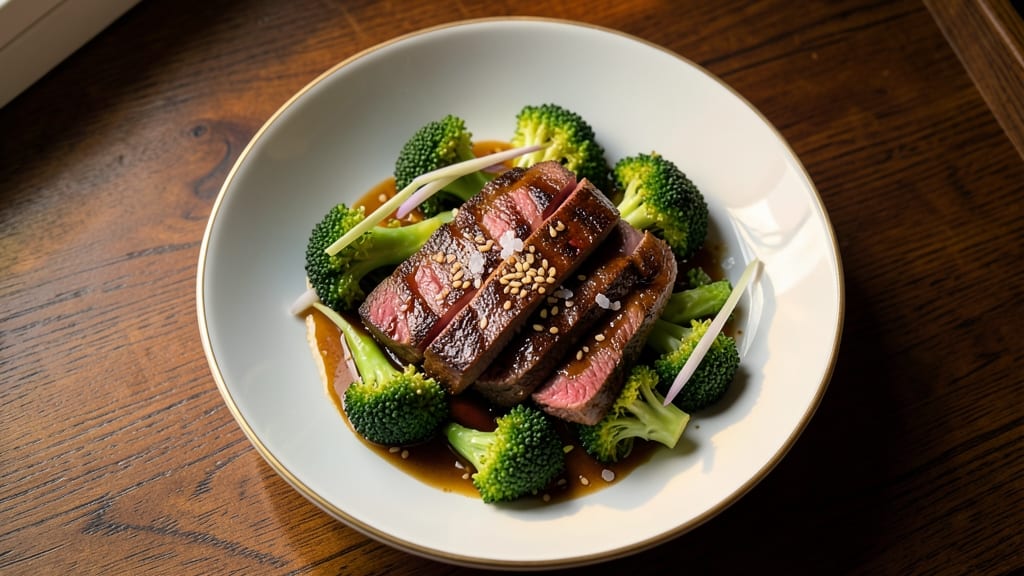
This restaurant-style beef and broccoli delivers the same crispy edges and silky sauce you crave from takeout—now made at home with professional techniques. The secret lies in high-heat searing for tender beef with caramelized edges, paired with broccoli that stays vibrant and slightly crisp.
I've perfected this dish after years of testing, ensuring every bite delivers that perfect balance of savory, sweet, and umami.
The process starts with properly slicing flank steak against the grain for maximum tenderness, then searing it in a screaming-hot wok until golden. Meanwhile, broccoli florets get a quick blanch to preserve their bright green color before joining the beef.
The sauce—thickened with cornstarch and infused with garlic, ginger, and brown sugar—coats everything in a glossy, restaurant-quality finish.
What makes this recipe truly stand out is the texture contrast: crispy beef edges that give way to tender centers, paired with broccoli that's just crisp enough to bite into. The sauce clings perfectly, delivering that signature sweet-savory flavor in every bite.
This isn't just takeout—it's a dish that rivals your favorite Chinese restaurant, made with simple techniques and quality ingredients.
Ready in 30 minutes from start to finish, this beef and broccoli serves as a complete meal or pairs beautifully with steamed rice. The key is timing and heat control—no shortcuts here, just restaurant-quality results you can recreate at home.
Let's get started on making this dish your new favorite weeknight meal.
Ingredients for beef and broccoli restaurant
These quality ingredients deliver restaurant-style beef and broccoli with crispy edges and silky sauce.
| Ingredient | Amount | Notes |
|---|---|---|
| Flank Steak 🥩 | 1 ½ lb | Thinly sliced against grain |
| Broccoli Florets 🥦 | 2 cups | Large florets, stems trimmed |
| Extra-Virgin Olive Oil 🫒 | 2 tbsp | High smoke point preferred |
| Cornstarch 🌾 | 1 tbsp | For sauce thickening |
| Soy Sauce 🍶 | ½ cup | Light or all-purpose |
| Brown Sugar 🍯 | 2 tbsp | Light or dark variety |
| Garlic Cloves 🧄 | 4 cloves | Minced, fresh preferred |
| Fresh Ginger 🌿 | 1 tbsp | Grated, peeled |
| Sesame Oil 🫒 | 1 tbsp | Toasted, for aroma |
| Green Onions 🧅 | 3 whole | Sliced, for garnish |
| Salt 🧂 | 1 ½ tsp | Diamond Crystal preferred |
| Black Pepper 🌶️ | ½ tsp | Freshly ground |
| Rice Vinegar 🍶 | 1 tbsp | For sauce balance |
| Vegetable Oil 🫒 | ¼ cup | For high-heat searing |
The flank steak is non-negotiable—look for well-marbled cuts at Whole Foods or your butcher shop. Slice it against the grain for maximum tenderness, about 1/4-inch thick slices. Broccoli should be bright green florets—avoid the pre-cut frozen stuff here, fresh is key for that vibrant color. The soy sauce makes all the difference: Kikkoman or La Choy are my go-tos, but any light or all-purpose will work. For the ginger, freshly grated is ideal, but if you're in a pinch, one-third the amount of ground ginger gets you close.
No flank steak? Flank steak substitutes like sirloin or ribeye work, but slice thinner for quick cooking. Skip the sesame oil? Toasted peanut oil adds a different but delicious nutty depth. The cornstarch is essential for that silky sauce—don't substitute flour, it won't give the same glossy finish. For the broccoli, blanching in salted boiling water for 30 seconds before stir-frying keeps it vibrant. The sauce ratio is precise: soy, sugar, vinegar, and cornstarch slurry—measure carefully for perfect thickness.
Prep the steak and sauce components ahead—store them separately in airtight containers in the fridge for up to 2 days. The broccoli should be blanched and chilled immediately after cutting, then stored in cold water in the fridge for up to 1 day. This dish reheats beautifully—stir-fry again over high heat for 2-3 minutes to restore crispiness. Leftovers keep for 3-4 days in the fridge, or freeze the sauce and beef separately for up to 3 months. Garnish with fresh green onions right before serving—they wilt fast, so wait until the last minute.
Why You'll Love This Recipe
- No-Fuss Steak Prep: I swear by the cornstarch trick—just toss the sliced flank steak in a bag with cornstarch and soy sauce, shake it up, and you’ve got restaurant-quality tenderness without marinating. Five minutes of prep, zero fuss.
- Umami Bomb Combo: That soy sauce and olive oil marriage? It’s where the magic happens—deep, salty, slightly sweet—while the broccoli stays crisp-tender. Honestly, the first bite makes me wonder why I ever ordered takeout.
- Leftover Reinvention: Cold beef and broccoli in rice bowls the next day? Yes. Wrapped in a tortilla for lunch? Absolutely. Even my picky teenager sneaks bites when it’s reheated. (Yes, even on a Tuesday night.)
- Budget Powerhouse: Flank steak stretches further than you’d think, and broccoli’s one of the cheapest veggies that still feels fancy. I’ve fed four people for under $15, and somehow it always tastes like a splurge.
Step-by-step instructions for restaurant-style beef and broccoli
Here's how to deliver that signature restaurant crunch and silky sauce at home.
Prep the Flank Steak for Maximum Crispiness
Slice the 1.5 lb flank steak thinly against the grain into ¼-inch thick strips. This cut ensures tender bites while maximizing surface area for that wok-seared crust. Pat the strips dry with paper towels—moisture is the enemy of crispy edges. In a bowl, toss the steak with 1.5 tsp salt, 0.5 tsp black pepper, and 1 tbsp cornstarch. The cornstarch creates a light coating that helps develop that signature crust during searing.
Let the seasoned steak rest for 10 minutes at room temperature. This brief resting period ensures even cooking and prevents the outer edges from sealing too quickly before the center heats through. I like to spread the strips in a single layer on a plate—this prevents them from sticking together and guarantees each piece gets proper contact with the hot wok.
Wok-Sear the Broccoli for Crunchy Perfection
Heat 0.25 cup vegetable oil in a wok or large skillet over high heat until shimmering. Add the 2 cups broccoli florets in a single layer, leaving space between each floret. Cook undisturbed for 2-3 minutes until the edges turn deep golden brown—this is your signal for crispy texture. Here's the thing: don't stir too soon. You want those edges to caramelize before moving them around.
Once the broccoli develops color, use tongs to gently toss and stir-fry for another 1-2 minutes until bright green but still crisp. Remove the broccoli and set aside. The residual heat will continue cooking it slightly, so don't worry if it looks slightly underdone when you take it out. This two-stage cooking method ensures both the stems and florets achieve that perfect crunch without turning mushy.
Create the Signature Soy-Ginger Sauce
In the same wok, reduce heat to medium and add 2 tbsp extra-virgin olive oil. Sauté the 4 minced garlic cloves and 1 tbsp grated fresh ginger for 30 seconds until fragrant—you should smell that pungent aroma immediately. Add 0.5 cup soy sauce, 2 tbsp brown sugar, and 1 tbsp rice vinegar, stirring constantly to combine. Let the mixture simmer for 1 minute until slightly reduced.
Remove the wok from heat and stir in 1 tbsp sesame oil and 1 tbsp cornstarch mixed with 1 tablespoon water (this slurry will thicken the sauce beautifully). Return to medium-low heat and simmer for 30-60 seconds until the sauce reaches your desired consistency—it should coat the back of a spoon but still be silky, not gluey. Taste and adjust seasoning if needed; you can add a pinch more salt or sugar to balance the flavors.
Finish with Wok-Seared Steak and Garnish
Increase heat to high and add the prepared steak strips in batches if needed to avoid crowding. Sear for 1-2 minutes until the edges turn deep golden brown and the steak reaches 145°F internally. The high heat is crucial here—it creates that restaurant-quality crust while keeping the centers tender. Work quickly but don't rush; you want even browning on all sides.
Return the broccoli to the wok and toss everything together with the sauce. Cook for 30 seconds to heat through and let the flavors meld. Garnish with 3 sliced green onions just before serving. The contrast of crispy broccoli, tender steak, and silky sauce makes this dish unforgettable. Serve immediately while everything is hot and the edges are still holding their perfect crunch.
Pro Tips For Making Beef And Broccoli Restaurant
- Slice Against the Grain: I learned this the hard way—cutting flank steak with the grain turns it chewy, and no one wants that. Thin slices (¼-inch or less) cooked across the grain melt in your mouth. Use a sharp knife and don’t fight it; let the blade glide.
- Blanch Broccoli First: Skip the soggy florets by blanching broccoli in boiling water for 30 seconds, then shocking it in ice water. This keeps it bright green and crisp-tender—no one wants mushy broccoli drowning in sauce. Drain well before stir-frying.
- Cornstarch Slurry Matters: Mix cornstarch with cold water (1 tbsp cornstarch + 2 tbsp water) and toss it with the steak before cooking. The heat will caramelize it into a glossy crust, but if you add it too late, you’ll just end up with a sticky mess.
- High Heat, Then Low Finish: Crank the wok or pan to screaming hot before adding oil—you need that sear. Once the steak is browned, pull it out and let the pan cool slightly before adding sauce. This prevents scrambling the beef and keeps the sauce velvety, not gloppy.
Flavor customization for this dish
Sweet-Savory Balance
Adjust the sauce sweetness to your taste by modifying the brown sugar ratio. For a more traditional restaurant flavor, use the full 2 tbsp—this delivers that signature caramelized depth. If you prefer less sweetness, reduce to 1 tbsp and add ½ tsp extra rice vinegar to brighten the profile.
I find that 1.5 tbsp brown sugar strikes the perfect balance for home cooks who want restaurant quality without overwhelming sweetness. 🍯
Spicy Kick Variations
Add heat with ½ tsp chili flakes or 1 tsp minced fresh red chili to the sauce for a quick spicy twist. For more depth, stir in 1 tsp chili crisp (like Lao Gan Ma) during the final sauce simmer.
If you love heat, try 1 tsp gochujang (Korean chili paste) mixed into the sauce for a smoky-spicy dimension. Always taste first—you can adjust later, but you can't remove heat once added. 🌶️
Umami Boosters
Elevate the sauce with extra umami by adding 1 tsp fish sauce or 1 tsp oyster sauce to the base. For a vegetarian option, use 1 tsp mushroom powder or 1 tbsp soy sauce reduction (simmer 2 tbsp soy sauce until syrupy).
I love adding ½ tsp toasted sesame seeds directly to the wok with the beef for nutty depth. These small additions transform the dish from good to restaurant-worthy. 💫
Herb Infusions
Fresh herbs brighten the dish beautifully. Stir 1 tbsp chopped cilantro or 1 tsp chopped Thai basil into the sauce during the final simmer for a fragrant finish. For a more complex flavor, add ½ tsp star anise or 1 cinnamon stick while building the sauce, then remove before serving.
The herbs should complement, not overpower—the sauce should still be the star. 🌿
Texture Contrasts
For extra crunch, toss in 1 tbsp crushed peanuts or 1 tbsp fried shallots during the final stir. If you prefer creaminess, add 1 tbsp coconut milk to the sauce for a silky texture.
I sometimes add ½ cup baby bok choy with the broccoli for an extra layer of texture and freshness. These variations keep the dish exciting while maintaining that signature restaurant balance. ✨
Regional Twists
For a Sichuan-inspired version, add 1 tsp Sichuan peppercorns (toasted and ground) to the sauce for a tingling finish. A Japanese-inspired take uses mirin instead of rice vinegar and 1 tsp sake in the sauce.
For a Korean fusion, swap soy sauce for 1 tbsp gochujang and add 1 tsp toasted sesame oil. Each variation keeps the core technique but offers exciting new flavors. 🗺️
Nutrition facts
Frequently asked questions
What's the best cut of beef for restaurant-style beef and broccoli?
Flank steak is ideal—it's lean, flavorful, and slices beautifully against the grain for tender bites. For substitutes, try sirloin or ribeye, but slice thinner (about ¼-inch) to ensure quick cooking. Never use tougher cuts like chuck; they won't achieve that signature restaurant tenderness.
Why does my broccoli turn mushy instead of staying crisp?
Overcrowding the pan or using too much oil causes steaming instead of searing. Use a wok or large skillet with high heat, and cook broccoli in batches if needed. Also, blanch florets in boiling water for 30 seconds before stir-frying—this preserves their vibrant color and crisp texture.
Can I make this dish ahead of time?
Yes, but with key adjustments! Prep the sauce and steak separately, storing them in airtight containers for up to 2 days. Reheat the sauce on medium heat, then sear the beef and broccoli fresh. For broccoli, blanch it ahead and store in cold water in the fridge—this keeps it crisp for up to 1 day.
How do I get that glossy restaurant sauce?
The secret is the cornstarch slurry! Mix 1 tbsp cornstarch with 1 tbsp water, then stir it into the simmering sauce off the heat. Return to low heat just until thickened—this creates that signature silky texture. For extra shine, add 1 tsp sesame oil at the end. Never use flour; it won't give the same glossy finish.
What's the best way to serve this dish?
Serve immediately over steamed jasmine rice for the full restaurant experience. Garnish with sliced green onions right before serving—they wilt fast! For extra flair, drizzle with a tiny bit of chili oil or sprinkle with toasted sesame seeds. The contrast of crispy edges, tender beef, and silky sauce works best when everything's piping hot.