
Main Courses
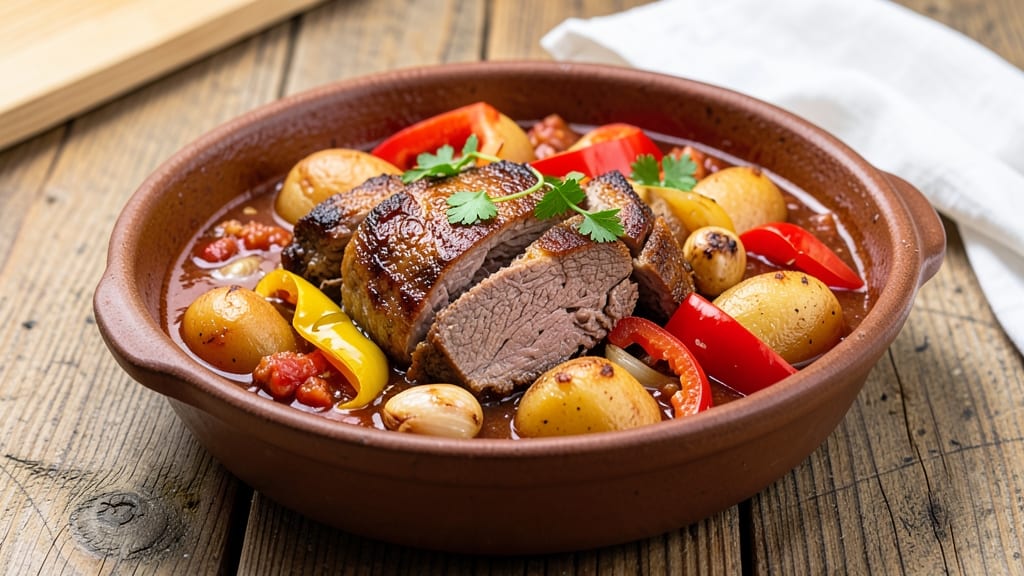
This beef afritada panlasang Pinoy recipe delivers the rich, savory-sweet harmony that makes Filipino comfort food unforgettable. 🌟 The secret lies in slow-simmering tender beef with tomatoes, potatoes, and bell peppers until the sauce reduces to a velvety, caramelized perfection—just like your favorite turo-turo dish.
What sets this version apart is the perfect balance of soy sauce, vinegar, and garlic, creating layers of umami that linger with every bite.
The recipe begins with searing beef in a hot pan to develop deep flavor, then simmers everything together until the vegetables are tender and the sauce clings beautifully. Traditional Filipino techniques—like using a sarsang base (tomato-pepper sauce) and a touch of adobo influence—ensure authenticity without compromising simplicity.
The result is a dish that's hearty enough for family dinners but elegant enough for gatherings.
By the time you're done, you'll have a pot of fragrant, slow-cooked beef afritada where each ingredient plays its part: crisp-tender potatoes, slightly charred bell peppers, and beef so tender it melts in your mouth.
The sauce, thickened just enough to coat every bite, carries all the flavors—sweet, tangy, and savory—harmoniously. Serve it with steamed rice to soak up every last drop of that luscious sauce.
Optional garnishes like sliced onions or green onions add freshness, while a sprinkle of black pepper brings out the depth. This recipe is designed to be your go-to for weeknight dinners or special occasions, delivering restaurant-quality results with minimal effort. Let's get cooking!
Ingredients for beef afritada panlasang pinoy
Six ingredients create this Filipino classic's velvety sauce and tender beef—just like your favorite turo-turo dish.
| Ingredient | Amount | Notes |
|---|---|---|
| Beef Chuck Roast 🥩 | 2 lb | Cut into 1.5-inch cubes |
| Yellow Onions 🧅 | 2 whole | Sliced into half-moons |
| Garlic Cloves 🧄 | 8 cloves | Minced finely for depth |
| Russet Potatoes 🥔 | 3 medium | Peeled and cut into chunks |
| Red Bell Peppers 🌶️ | 2 whole | Sliced into strips |
| Canned Crushed Tomatoes 🍅 | 2 cups | San Marzano preferred |
| Soy Sauce 🥢 | ½ cup | Dark soy for color |
| Cane Vinegar 🍶 | ¼ cup | White vinegar substitute |
| Olive Oil 🫒 | ½ cup | Extra-virgin for richness |
| Bay Leaves 🌿 | 2 whole | Fresh for best aroma |
| Black Peppercorns 🌶️ | 1 tsp | Freshly cracked |
| Sugar 🍚 | 1 tbsp | Balances acidity |
| Green Onions 🧅 | 3 whole | Sliced for garnish |
The beef is everything here. Chuck roast delivers that melt-in-your-mouth texture when cooked low and slow—sirloin stays tough. Grab it from the butcher counter if possible, or look for pre-cubed beef in the frozen section at Filipino markets or Asian grocery stores. The potatoes should be firm and unblemished, while the bell peppers? Red or green—your choice, but avoid anything soft or shriveled. For the tomatoes, San Marzano cans from Trader Joe's or Whole Foods give the best flavor, but any quality crushed tomato works in a pinch.
No soy sauce? Coconut aminos at a 1:1 ratio gets you close, though the color won't be as rich. Vinegar shortage? Lemon juice with a pinch of salt mimics the tang. The garlic can be pre-minced (those jars at Filipino markets are perfect), but fresh is always better if you've got the time. Potatoes too starchy? Russets are ideal, but Yukon Golds work too. And if you're feeling fancy, add a pinch of MSG—it's a secret weapon in Filipino cooking that amplifies umami without overpowering.
This dish tastes even better the next day as flavors meld. Store leftovers in the fridge for 4-5 days or freeze for 3 months—portion into containers so you can reheat just what you need. The sauce thickens as it cools, so add a splash of water when reheating. For meal prep, double the recipe and freeze half. When you're ready to serve, just thaw and simmer for 10 minutes to warm through—no defrosting required. Garnish with those green onions right before serving to keep them bright.
Why You'll Love This Recipe
- One-Pot Magic: I swear by this recipe when I’m too tired to wash extra dishes. The beef, potatoes, and peppers all simmer together in one pot—no fancy layers, just deep, rich flavors with minimal cleanup. The onions caramelize right into the sauce, so you don’t even notice the effort.
- Garlic Bomb: Between us, this dish is ridiculously good because of the garlic. I don’t skimp—minced cloves sizzle in the oil until they’re golden, then they melt into the beef, creating this addictive, aromatic base. The potatoes soak it all up like a sponge, making every bite irresistible.
- Lunchbox Hero: Here’s what sold me—this is my go-to for meal prep. The beef stays tender even reheated, and the potatoes hold their shape, so I can pack it for work or school lunches without worrying about soggy leftovers. (Yes, even on a Tuesday night.)
- Budget Powerhouse: A chunk of beef chuck roast and a few veggies stretch into a full meal that feeds four for under $15. The potatoes bulk it up, so you’re not just paying for protein—you’re getting a hearty, filling dish that tastes like a restaurant but costs way less. My wallet thanks me every time.
Step-by-step instructions for beef afritada panlasang Pinoy
Here's how to create that perfect balance of tangy, savory, and sweet in your slow-cooked Filipino masterpiece.
🍳 Step 1: Sear the Beef for Maximum Flavor
Heat the 0.5 cup olive oil in a large Dutch oven over medium-high heat until shimmering. Add the 2 lb beef chuck roast cut into 1.5-inch cubes in a single layer, working in batches if needed. Let them sear undisturbed for 2-3 minutes per side until deep golden brown—this creates the rich, caramelized foundation for your dish.
I press down gently on the beef cubes during the first minute to prevent curling, which ensures even contact with the hot oil. Once all pieces are browned, transfer them to a plate. Don't drain the oil—those flavorful browned bits will form the base of your sauce. Here's where it gets good: add the 2 whole yellow onions sliced into half-moons and cook for 5 minutes until softened and lightly golden.
🍳 Step 2: Build the Aromatic Base
Add the 8 cloves minced garlic cloves and cook for 30 seconds until fragrant—you'll know it's ready when the kitchen fills with that irresistible garlic aroma. Stir in the 1 tsp black peppercorns and let them toast for 1 minute until slightly darker and more aromatic. This step develops the complex flavors that make afritada so special.
Here's the thing—don't rush this part. The garlic should sizzle gently without burning. If it starts to darken too quickly, reduce the heat slightly. Now add the 2 whole bay leaves and pour in the 2 cups canned crushed tomatoes. Stir everything together and let it simmer for 5 minutes to meld the flavors.
🥘 Step 3: Simmer the Beef in Flavorful Liquid
Return the browned beef to the pot along with any accumulated juices. Add the 0.5 cup soy sauce, 0.25 cup cane vinegar, and 1 tbsp sugar. The mixture will bubble vigorously—this is normal. Bring to a gentle boil, then immediately reduce heat to low and cover partially. Let it simmer for 1 hour to allow the beef to become fork-tender.
I like to check the beef after 45 minutes—it should be falling apart easily when pierced with a fork. If it's not quite there yet, just let it cook a bit longer. The sauce should be thickening slightly and developing that beautiful reddish-brown color. This is where the magic happens—the beef absorbs all those wonderful flavors while staying incredibly tender.
🥘 Step 4: Add Vegetables for Color and Texture
After the beef has cooked for 1 hour, add the 3 medium russet potatoes cut into chunks and the 2 whole red bell peppers sliced into strips. Stir gently to distribute everything evenly. The potatoes will take about 15-20 minutes to become tender, while the bell peppers will soften slightly and add a nice pop of color to your dish.
Here's a pro tip: if you notice the sauce getting too thick before the vegetables are done, simply add ¼ cup water to loosen it. The vegetables should be tender but still hold their shape—you don't want them to turn mushy. Let everything cook together for another 15 minutes or until the potatoes are fork-tender.
🍽️ Step 5: Finish and Serve with Fresh Herbs
Remove the 2 whole bay leaves from the pot—they've done their job and can be discarded. Taste the sauce and adjust the seasoning if needed. You might want to add a bit more soy sauce for saltiness or a touch more sugar to balance the acidity from the vinegar. The sauce should be rich, slightly tangy, and perfectly balanced.
To serve, ladle the beef afritada into bowls and garnish with the 3 whole green onions sliced for garnish. I like to serve this with steamed white rice—it soaks up all that delicious sauce beautifully. The combination of tender beef, sweet potatoes, and the vibrant red bell peppers creates a visual and taste sensation that's pure comfort food at its best.
Pro Tips For Making Beef Afritada Panlasang Pinoy
- Sear the Beef First: I learned this the hard way—skipping the initial sear means flavorless beef. After browning the chuck roast in 2 tablespoons of oil (yes, even if it’s thick-cut), you’ll get that deep, caramelized crust that holds up through the long simmer. Don’t rush this; let it sit undisturbed for 3-4 minutes per side until it’s golden, not just pink.
- Cut Potatoes Uniformly: I used to toss in random chunks, and half ended up mushy while others stayed rock-hard. For even cooking, slice the russet potatoes into ½-inch thick rounds—same thickness as your beef slices if possible. This ensures they absorb the sauce and soften at the same rate without falling apart.
- Deglaze with Soy Sauce: The sauce in afritada is where the magic happens, and most recipes call for a quick water deglaze. Skip it. Instead, use ¼ cup soy sauce right after searing the onions and garlic—it dissolves the fond and adds that signature umami depth. Just let it simmer for 2 minutes first to burn off the alcohol before adding the rest of the liquid.
- Layer Potatoes Last: Adding potatoes too early turns them to mush in the beef’s long cooking time. Instead, let the beef and veggies (onions, peppers, garlic) simmer for 20 minutes in the sauce first. Then nestle the potatoes on top, cover, and cook another 15-20 minutes—just until they’re tender but still hold their shape. This keeps them from dissolving into the sauce.
Wine and beer pairings for this beef afritada panlasang pinoy
Filipino Red Wine
For a true taste of home, pair your beef afritada with a Filipino red wine like Lambrusco or Pinot Noir. These wines complement the dish's rich, savory-sweet profile beautifully. Lambrusco, a slightly fizzy red from Italy, cuts through the sauce's richness while enhancing the beef's depth.
Look for Lambrusco Grasparossa di Castelvetro from Trader Joe's or Total Wine—it's widely available and budget-friendly. 🍷
Asian-Inspired Sake
If wine isn't your thing, a dry sake like Junmai Ginjo brings an elegant touch to the meal. The subtle sweetness and crisp acidity of sake balance the dish's tangy soy and vinegar notes.
I recommend Dassai 23 from World Market—it's smooth, affordable, and pairs perfectly with Filipino flavors. Serve it chilled to enhance its refreshing qualities.
Light Lager Pairings
A crisp Filipino lager like San Miguel Pale Pilsen or Red Horse works wonderfully for those who prefer beer. These lagers have a clean, light profile that won't overpower the dish's complex flavors.
The slight bitterness in San Miguel actually complements the soy sauce's umami, creating a harmonious balance. Grab a cold one from any Filipino grocery store or major supermarket. 🍺
Non-Alcoholic Options
For non-alcoholic pairings, try a sparkling yuzu soda or hibiscus tea (tsampa). The citrusy notes in yuzu soda refresh your palate, while the tartness of tsampa mirrors the dish's vinegar.
You can find yuzu soda at Asian markets or make tsampa by steeping hibiscus flowers (available at Filipino stores) in hot water for 10 minutes. Serve chilled for the best experience.
Regional Filipino Twist
In the Philippines, calamansi juice is a popular pairing for rich dishes like afritada. The bright, citrusy flavor cuts through the sauce's richness. Mix 2 tbsp calamansi juice with ½ cup sparkling water and a pinch of salt for a refreshing sipper.
If you can't find calamansi, lime juice works in a pinch—just add a splash to your drink. 💛
Nutrition facts
Frequently asked questions
Can I substitute beef chuck roast with another cut?
Yes, but choose wisely! Chuck roast is ideal because it stays tender when slow-cooked. For a quicker option, use beef sirloin (cut into smaller pieces) or beef stew meat, but reduce cooking time to 45 minutes to avoid toughness. Pork shoulder also works well—just increase simmering time to 1 hour 15 minutes for perfect tenderness.
Why does my sauce turn too thick or watery?
Sauce consistency depends on cooking time and liquid balance. For a thicker sauce, simmer uncovered for the last 10 minutes to reduce it naturally. If too watery, remove the lid and cook 5 minutes longer. To fix an overly thick sauce, add 2 tbsp water or beef broth at a time until smooth. The ideal texture should coat the back of a spoon but still be pourable.
Can I make this dish in an Instant Pot?
Sear the beef and onions first in a skillet, then transfer everything to the Instant Pot. Add all remaining ingredients and cook on high pressure for 35 minutes, then quick-release. Finish by simmering on sauté mode for 10 minutes to thicken the sauce. The pressure cooker cuts prep time by 40 minutes while keeping flavors deep and rich.
What's the best way to reheat leftovers?
Reheat gently to preserve texture. Place leftovers in a pot with 2 tbsp water or broth, cover, and warm on low heat for 10-15 minutes until bubbling. Avoid microwaving—it makes the sauce watery. For extra flavor, add a splash of soy sauce or a pinch of sugar when reheating. Leftovers taste even better the next day as flavors meld!
Can I make this dish spicier?
Yes! Add 1-2 tbsp sili (chili paste) or 1-2 chopped siling labuyo (bird's eye chili) when searing the onions. For heat without spice, add ½ tsp cayenne pepper with the soy sauce. Start with 1 tsp** and adjust to taste—Filipino palates vary widely! Remember, chili heat builds over time, so add gradually.