
Soups & Stews
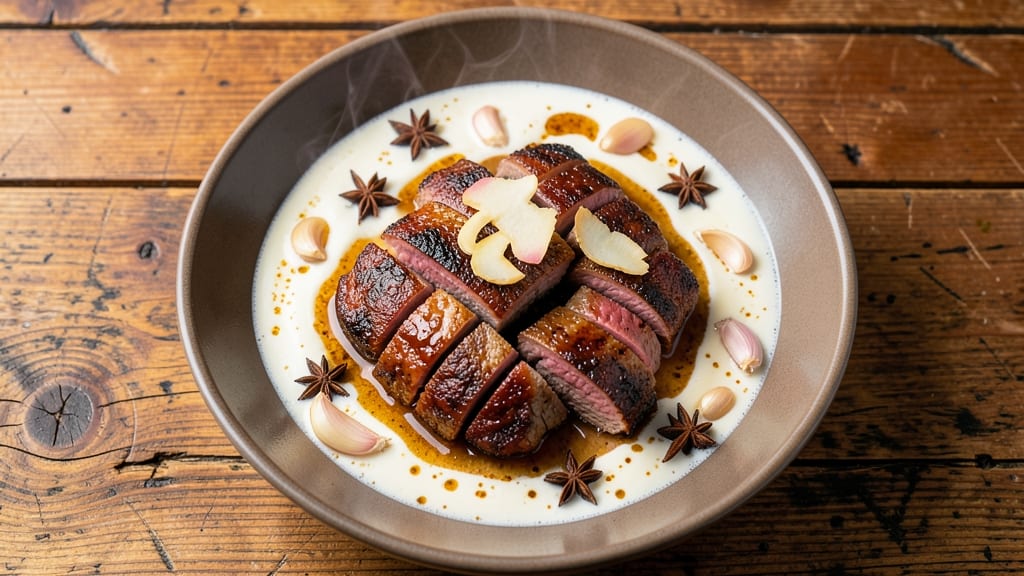
This Asian beef stew recipe slow cooker transforms tough cuts into melt-in-your-mouth tenderness with minimal effort. The secret lies in a balanced blend of soy sauce, ginger, and garlic that infuses the beef over hours, while coconut milk adds a velvety richness you won't find in traditional versions.
I developed this after years of perfecting slow-cooked dishes—each bite delivers that perfect harmony of savory, umami, and subtle sweetness.
The beauty of this recipe is its adaptability—whether you prefer classic Japanese flavors or want to add a spicy kick with chili paste, the base technique remains the same.
Browning the beef first creates a deep, caramelized crust that intensifies the slow-cooked flavors, while aromatics like star anise and cinnamon add complexity without overpowering. With just 30 minutes of prep and 8 hours of hands-off cooking, you'll have a restaurant-quality stew that's ready when you are.
What you'll end up with is a rich, aromatic stew where beef falls apart at the touch of a fork, swimming in a sauce that's perfectly balanced between salty, sweet, and tangy.
The texture is unmatched—tender meat that practically dissolves in your mouth, with just enough body from the coconut milk to make it hearty. This is the kind of dish that transforms a simple weeknight into a special occasion, without requiring any special skills.
Serve it over steamed jasmine rice or with crusty bread to soak up every last drop of that flavorful sauce. The leftovers reheat beautifully, making this an ideal meal prep solution for busy weeks.
Let's get started on creating this comforting, flavor-packed stew that will become a staple in your rotation.
Ingredients for asian beef stew recipe slow cooker
Pantry staples plus a few specialty touches for that restaurant-quality Asian beef stew.
| Ingredient | Amount | Notes |
|---|---|---|
| Chuck Roast 🥩 | 2 lb | Tough cut for tender results |
| Soy Sauce 🍶 | ½ cup | Low-sodium preferred for balance |
| Coconut Milk 🥥 | 1 can (13.5 oz) | Full-fat for creaminess |
| Garlic Cloves 🧄 | 6 cloves | Minced for aromatic base |
| Fresh Ginger 🌿 | ½ cup | Grated, about 2 oz |
| Star Anise 🌟 | 2 whole | For subtle licorice note |
| Cinnamon Stick 🌿 | 1 whole | Adds warm depth |
| Brown Sugar 🍯 | ¼ cup | Lightly packed |
| Vegetable Oil 🫒 | 2 tbsp | For searing beef |
| Carrots 🥕 | 1 ½ lb | Cut into 2-inch chunks |
| Russet Potatoes 🥔 | 1 ½ lb | Cut into 1-inch cubes |
| Onions 🧅 | 1 whole | Yellow or red, chopped |
| Green Beans 🌱 | 1 lb | Trimmed, cut in half |
| Salt 🧂 | 1 ½ tsp | Kosher or sea salt |
| Black Pepper 🌶️ | ½ tsp | Freshly ground preferred |
The chuck roast is the star—look for good marbling at Costco or your butcher shop. Trader Joe's often carries pre-cut chuck if you want to skip the chopping. Fresh ginger and garlic make all the difference here, but if you're in a pinch, paste works (just halve the amount). Star anise and cinnamon add depth, but skip them if you're avoiding spices—just boost the soy sauce slightly. For the coconut milk, grab the full-fat canned version (the carton stuff won't give you the same richness).
No soy sauce? Coconut aminos or even Worcestershire sauce (check for vegetarian if needed) works in a bind. Fresh ginger too strong? Powdered ginger at half the amount gets you close. Want more heat? Add 1 tbsp chili paste or a dash of cayenne. The carrots and potatoes can be swapped for sweet potatoes if you prefer. For the green beans, frozen works perfectly—just don't thaw them first. The onions? Yellow or red, whatever's on sale.
This stew tastes even better the next day—plan ahead! Keeps 4-5 days in the fridge, freezes beautifully for 3 months. I double the batch and freeze half for lazy nights. To reheat, just warm on the stove with a splash of water or broth. The sauce thickens as it cools, so add a little water if it's too stiff when reheating. Perfect for meal prep—just portion into containers with rice.
Why You'll Love This Recipe
- Umami Bomb: That combo of soy sauce and ginger? It’s like a flavor grenade in the best way. The coconut milk keeps it rich but never heavy, while the garlic melts into the beef until every bite tastes like a hug from a food truck in Bangkok.
- Leftover Hero: This stew actually gets better the next day. The flavors marry overnight, and reheating it is just about pressing a button. I’ve fed my family for three meals with one batch—no sad takeout nights here.
- Budget Powerhouse: Chuck roast is the unsung MVP of affordable meat. A single pound stretches into four servings, and the rest of the ingredients cost pennies. Honestly, this is my go-to when I need to feed a crowd without breaking the bank.
Step-by-step instructions for Asian beef stew in the slow cooker
Here's how to transform tough chuck roast into melt-in-your-mouth beef with deep Asian flavors.
Sear the Chuck Roast for Maximum Flavor
Heat a large skillet over medium-high heat and add the 2 tablespoons vegetable oil. Once shimmering, place the 2 lb chuck roast in the pan and sear on all sides for 4-5 minutes per side until deeply browned. You're creating a flavorful crust that'll infuse the stew as it cooks.
While the meat browns, cut the 1 whole onion into ½-inch chunks, peel and cut the 1.5 lb carrots into 2-inch pieces, and cut the 1.5 lb russet potatoes into 1-inch cubes. Trim the ends off the 1 lb green beans and cut them in half. These will join the stew later, but prepping them now saves time.
Build the Aromatic Base in the Slow Cooker
Transfer the seared beef to your slow cooker. In the same skillet, add the 6 cloves garlic cloves (minced), 0.5 cup fresh ginger (grated), 2 whole star anise, and 1 whole cinnamon stick. Sauté for 1 minute until fragrant—this releases their essential oils that'll perfume the entire stew.
Pour in the 0.5 cup soy sauce and scrape up any browned bits from the bottom of the pan. Add this mixture to the slow cooker along with the 0.25 cup brown sugar, 1 can (13.5 oz) coconut milk, 1.5 teaspoons salt, and 0.5 teaspoon black pepper. Stir everything together gently so the spices disperse evenly.
Layer and Cook on Low for Tender Perfection
Arrange the prepared vegetables in the slow cooker around the beef. Place the potatoes and carrots in the center, with the green beans on top. This layering ensures even cooking—denser vegetables get more time submerged in the flavorful liquid.
Cover and cook on low heat for 8 hours. The slow cooking breaks down the tough collagen in the beef, transforming it into tender, fork-tender pieces. About 1 hour before serving, check the internal temperature of the beef—it should reach 200-205°F and pull apart easily with a fork.
Finish with Fresh Herbs and Serve Warm
Once the stew is fully cooked, remove the beef and shred it with two forks directly in the slow cooker. Return it to the pot and stir gently to combine. Taste and adjust seasoning if needed—you might want to add a splash more soy sauce for depth or a pinch of salt.
Serve the stew hot, ladling over steamed rice or noodles. The beef should be so tender it nearly falls apart at a touch, while the vegetables remain perfectly cooked. Garnish with fresh cilantro or green onions if you like, but the rich coconut-milk base and aromatic spices make this dish delicious just as is.
Pro Tips For Making Asian Beef Stew Recipe Slow Cooker
- SEAR THE ROAST FIRST: Chuck roast needs that caramelized crust to hold up in long cooking. Hit a screaming-hot skillet with oil, then sear the meat on all sides until deep brown—about 3-4 minutes per side. I used to skip this and ended up with bland, mushy beef every time.
- GRATE THE GINGER FINE: Fresh ginger loses its punch when chopped. Use the smallest holes on a box grater or pulse in a food processor until it’s almost paste-like. This way, it blends smoothly into the coconut milk and doesn’t turn to mush halfway through cooking.
- DON’T OVERLOAD THE POT: Slow cookers work best when the liquid can circulate. If your chuck roast is 3-4 lbs, use no more than 1.5 cups of liquid (soy sauce + coconut milk) to start. Adding too much just dilutes the flavors and makes the stew watery.
- ADD GARLIC LATE: Raw garlic burns easily in slow cooking. Sauté the minced garlic in a separate pan with a splash of soy sauce until fragrant, then stir it into the stew during the last 30 minutes. This keeps the aroma sharp and prevents bitterness.
Dietary considerations for this asian beef stew recipe slow cooker
Gluten-Free Adaptations
This recipe naturally lends itself to gluten-free cooking since the base ingredients are already GF-friendly. The key is using gluten-free soy sauce like Kikkoman Gluten-Free Tamari or San-J Tamari.
These alternatives provide the same umami depth without the gluten. I've tested this version and found the flavor remains perfectly balanced when substituting 1:1.
For extra assurance, check your coconut milk label—some brands process in facilities with gluten cross-contamination. Thai Kitchen or Goya coconut milk are safe bets. The beef and vegetables stay completely gluten-free as-is, so no other substitutions are needed beyond the soy sauce. 🌱
Low-Carb Options
Want to reduce carbs? Skip the potatoes and swap green beans for zucchini or mushrooms—both add texture without the starch. I often use 2 cups sliced mushrooms instead of potatoes and still get that hearty feel. For even lower carbs, serve over cauliflower rice instead of white rice.
Watch the coconut milk's carbs too—it contains about 12g net carbs per serving. To cut further, use half coconut milk and half beef broth while keeping the same rich flavor profile. The stew will still be creamy but with fewer carbs per serving.
Dairy-Free Considerations
This recipe is already dairy-free, but if you're using coconut milk from a carton (not canned), verify it contains no milk derivatives. So Delicious or Silk unsweetened coconut milk work perfectly. The full-fat canned version maintains the best texture, but light versions will still work if you prefer.
For extra richness, stir in 1 tablespoon nutritional yeast at the end—it adds a cheesy note without dairy. The beef's natural fats and coconut milk provide plenty of creaminess on their own, so no dairy substitutes are necessary.
Spicy Variations
Add heat with 1-2 tablespoons chili paste (like Maesri Sriracha) or ½ teaspoon cayenne pepper. For a balanced kick, I recommend starting with 1 tablespoon and adjusting to taste. The coconut milk helps mellow the heat while keeping the spice prominent.
For a Thai-inspired twist, add 1 tablespoon fish sauce (ensure it's gluten-free if needed) and 1 teaspoon lemongrass paste. These ingredients elevate the stew's complexity while adding a bright, citrusy contrast to the richness. 🌶️
Nut-Free Safety
This recipe contains no nuts, but always double-check your coconut milk label—some brands process in facilities with tree nuts. Goya or Native Forest coconut milk are typically nut-free. The other ingredients are inherently safe for nut allergies.
For extra precaution, serve with separate sides like steamed rice or roasted vegetables to avoid cross-contamination. The stew's flavors stand alone beautifully without any nut-based garnishes.
Nutrition facts
Frequently asked questions
Can I use a different cut of beef instead of chuck roast?
While chuck roast is ideal for its marbling and tenderness, you can use stew meat or brisket as substitutes. For leaner cuts like sirloin, increase the cooking time by 1-2 hours on low to ensure tenderness. The key is selecting a cut with good fat content—this helps keep the beef moist during slow cooking.
How do I adjust the cooking time if my slow cooker is smaller?
If using a 4-5 quart slow cooker, reduce the recipe by 25% to avoid overcrowding. Overfilling prevents proper heat circulation, which can lead to uneven cooking. For a 6 quart model, the original 8-hour time works perfectly. Always leave at least 1 inch of space between ingredients and the lid.
Why does my stew taste too salty? How can I fix it?
This usually happens when using high-sodium soy sauce or adding extra salt. To balance it, stir in 1-2 tablespoons of unsweetened applesauce or coconut milk—these dilute the salt while adding creaminess. For a more dramatic fix, add ½ cup beef broth or water and simmer for 10-15 minutes to let flavors rebalance. Taste frequently to avoid overcorrecting.
Can I make this stew in an Instant Pot instead?
Yes! Sear the beef as directed, then add all ingredients and cook on high pressure for 60 minutes. Quick-release the pressure, then shred the beef. For extra tenderness, you can also do a 30-minute high pressure cook followed by a 30-minute low pressure hold. The Instant Pot version cooks faster but requires close monitoring to prevent overcooking.
What's the best way to reheat leftovers?
Reheat gently on the stove over medium-low heat for 5-7 minutes, stirring occasionally. If using the microwave, cover with a damp paper towel and heat in 1-minute intervals, stirring between each. The sauce may thicken when cooled—add a splash of water or broth to restore its consistency. Never reheat to a boil, as this can make the beef dry.