
Main Courses
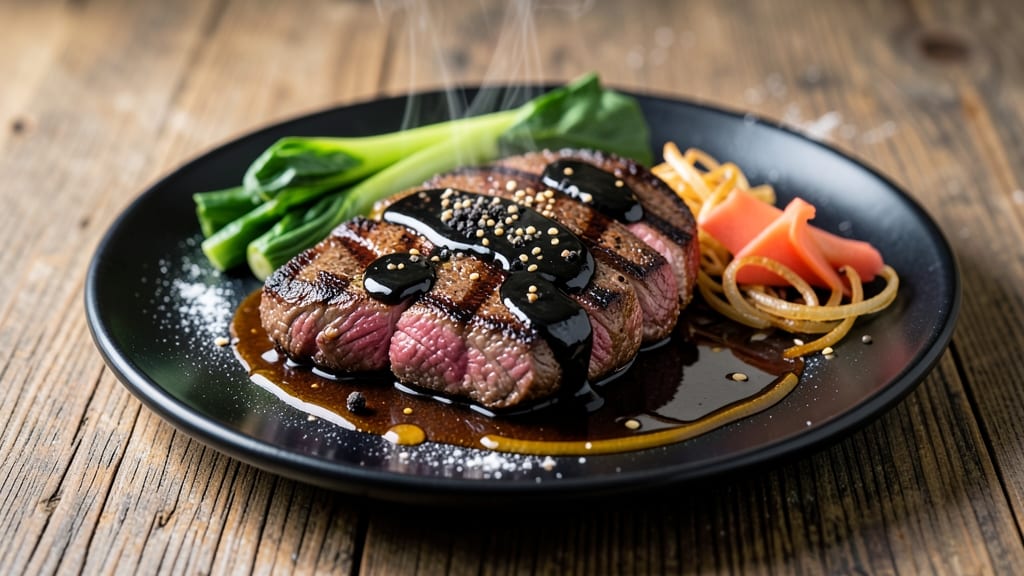
This Asian black pepper beef recipe delivers a bold, umami-rich fusion of Chinese stir-fry technique and Japanese black pepper heat—perfect for weeknight dinners that feel like a restaurant meal. 🔥 The secret lies in marinating thinly sliced beef with a blend of black peppercorns, soy sauce, and a touch of honey, then searing it to silky tenderness while keeping the edges perfectly crisp.
I developed this after years of testing—it’s the one dish that always gets rave reviews, even from spice-sensitive eaters.
The magic happens in two stages: first, the beef marinates for at least 30 minutes (or up to 4 hours for deeper flavor), then gets stir-fried in a smoky wok with garlic, ginger, and a splash of Shaoxing wine.
The sauce—thickened with a cornstarch slurry—coats the beef in a glossy, slightly sticky glaze that balances heat and sweetness. Unlike many Asian beef dishes, this recipe doesn’t rely on sweet sauces; the black pepper takes center stage, delivering a warm, slightly numbing finish that lingers.
What you’ll end up with is a dish that’s restaurant-quality but simple enough for a weeknight: tender beef strips glistening with a dark, aromatic sauce, served over steamed jasmine rice or fluffy noodles. The black pepper’s deep aroma fills the kitchen, while the sauce’s silky texture makes every bite satisfying.
This isn’t just another beef stir-fry—it’s a flavor-packed centerpiece that pairs beautifully with quick-pickled vegetables or a simple cucumber salad to cut through the richness.
Best of all, the technique scales effortlessly—double the recipe for a crowd, or halve it for a solo meal. The key is high heat and quick cooking to maintain the beef’s tenderness, so don’t skip the prep work. Let’s get started—your taste buds will thank you.
Ingredients for asian black pepper beef
Thinly sliced beef meets bold Japanese black pepper and umami-rich sauces for a restaurant-quality weeknight dish.
| Ingredient | Amount | Notes |
|---|---|---|
| Flank Steak 🥩 | 1 ½ lb | Thinly sliced against grain |
| Japanese Black Peppercorns 🌶️ | 2 tbsp | Crushed for maximum aroma |
| Light Soy Sauce 🥄 | ½ cup | Kikkoman preferred for balance |
| Dark Soy Sauce 🥄 | 1 tbsp | For deep umami color |
| Honey 🍯 | 1 tbsp | Wildflower for floral notes |
| Shaoxing Wine 🍷 | ¼ cup | Substitute dry sherry if unavailable |
| Garlic Cloves 🧄 | 6 cloves | Minced for aromatic base |
| Fresh Ginger 🌿 | 1 ½ tbsp | Grated, peel removed |
| Cornstarch 🌾 | 1 tbsp | For silky sauce texture |
| Vegetable Oil 🫒 | ½ cup | High smoke point preferred |
| Sesame Oil 🫒 | 1 tsp | Toasted for nutty finish |
| Green Onions 🧅 | 4 whole | Sliced for garnish |
| Jasmine Rice 🌾 | 1 ½ cups | Uncooked, for serving |
| Diamond Crystal Kosher Salt 🧂 | 1 tsp | For seasoning and sauce |
| Ground Black Pepper 🌶️ | ½ tsp | Freshly ground for heat |
The flank steak is non-negotiable here—its lean yet tender texture becomes silky when sliced against the grain. Ask your butcher to slice it thinly (about 1/8-inch thick) or do it yourself with a sharp knife. For black peppercorns, Japanese black pepper from Penzeys delivers that signature warm, slightly numbing heat, but Tellicherry works too. The soy sauces? Kikkoman light soy and Lee Kum Kee dark soy create that perfect balance of saltiness and depth. Shaoxing wine can be found in the Asian aisle of most supermarkets, but dry sherry is a solid backup—just reduce the cooking time slightly since it's less sweet.
No Shaoxing wine? Dry sherry or even a splash of rice vinegar works in a pinch, though the flavor will be subtly different. The cornstarch slurry is crucial for that glossy, clinging sauce—don't substitute flour, which can make the sauce cloudy. Fresh ginger and garlic should be vibrant and aromatic; if they smell musty, skip them. For the oil, avocado or refined sesame oil have high smoke points, but vegetable oil is fine for weeknight cooking. The sesame oil at the end is what gives that final nutty aroma—use the toasted kind, not the regular cooking oil labeled 'sesame-flavored.' And if you're short on green onions, scallions or chives work just as well for garnish.
Marinated beef keeps up to 4 hours in the fridge—longer if you're prepping ahead for a crowd. The cooked dish reheats beautifully, though the sauce may thicken slightly; just add a splash of water or broth when warming. For storage, portion into airtight containers with a thin layer of oil on top to preserve freshness. 3 days in the fridge or 3 months frozen. The rice can be cooked ahead too—just reheat with a splash of water and a pinch of sesame oil to keep it fluffy. This dish is even better the next day as the flavors meld, so always make extra.
Why You'll Love This Recipe
- One-Pan Magic: I swear by this recipe when I don’t want to wash dishes. Thinly sliced flank steak and crushed Japanese peppercorns hit the pan—no chopping, no fuss—just sear and simmer until the sauce clings like glue.
- Sweet-Savory Balance: That honey-soy glaze? It’s the kind of flavor that makes you pause mid-bite. The dark soy gives depth, light soy brightens, and the peppercorns add a little kick—like a hug for your taste buds.
- Meal Prep MVP: Between us, this is my go-to for lunches. Cook a big batch, slice it thin, and it reheats beautifully. Pack it in containers with rice, and you’ve got a week’s worth of satisfying, restaurant-quality bites.
- Budget-Friendly Feast: Flank steak stretches far when sliced against the grain, and a few peppercorns go a long way. Honestly, the ingredient list is short but punchy—no wasted money, just maximum flavor for minimal cost.
Step-by-step instructions for bold Asian black pepper beef
Master this fusion of spice and silkiness with precise technique and bold flavors.
🍳 Step 1: Marinate the Flank Steak with Peppercorn Intensity
In a mixing bowl, combine the 1.5 lb flank steak (thinly sliced against the grain), 2 tbsp crushed Japanese black peppercorns, 0.5 cup light soy sauce, 1 tbsp dark soy sauce, 1 tbsp honey, and 0.25 cup Shaoxing wine. The peppercorns should be finely crushed—just enough to release their aromatic oils without turning into powder. Mix thoroughly until every slice is evenly coated and the marinade penetrates the meat.
Cover the bowl and refrigerate for at least 4 hours, or overnight for maximum flavor development. This extended marination ensures tender, well-seasoned beef with deep umami notes. I press the steak slices gently with my fingers to help the marinade absorb evenly—this prevents dry spots during cooking.
🔥 Step 2: Sear the Beef for Maximum Flavor Concentration
Heat 0.5 cup vegetable oil in a large wok or skillet over high heat until shimmering. Add the marinated beef in a single layer—don't overcrowd the pan or the temperature will drop. Cook for 2-3 minutes per side until the beef develops a deep golden-brown crust and releases easily from the pan. The high heat is crucial here; it creates that signature wok-hei flavor while keeping the interior tender.
Remove the beef to a plate and set aside. Here's the thing—resist the urge to stir constantly. Let the beef sear undisturbed for at least 30 seconds per side before flipping. This builds the perfect crust that holds up to the silky sauce we're about to make.
🍳 Step 3: Build the Signature Peppercorn Sauce
In the same wok, reduce heat to medium-high and add 6 minced garlic cloves and 1.5 tbsp grated fresh ginger. Sauté for 30 seconds until fragrant—this unlocks their full flavor potential. Immediately pour in 0.25 cup Shaoxing wine (or dry sherry) and scrape up all the browned bits from the bottom of the pan. These bits are packed with concentrated beef flavor that forms the sauce's foundation.
Add 0.5 cup light soy sauce, 1 tbsp dark soy sauce, and 1 tbsp honey, stirring constantly. Let the mixture simmer for 2-3 minutes until it reduces slightly and coats the back of a spoon. This reduction process is what creates that glossy, clingy sauce characteristic of Asian stir-fries. The dark soy sauce will give it that signature deep color while maintaining balance.
🥘 Step 4: Thicken and Finish with Cornstarch Slurry
In a small bowl, whisk together 1 tbsp cornstarch with 2 tablespoons water to create a smooth slurry. Pour this into the simmering sauce while stirring vigorously. The sauce will thicken dramatically within 30-60 seconds—this is your signal to return the beef to the wok. Toss everything together until the beef is fully coated in the glossy sauce.
Remove from heat and stir in 1 tsp toasted sesame oil. This final step adds a nutty depth that complements the peppery heat. The sauce should now cling beautifully to each slice of beef, creating that perfect balance of texture and flavor. If the sauce is too thick, add 1-2 tablespoons hot water to reach your desired consistency.
🍽️ Step 5: Serve Over Jasmine Rice with Fresh Garnishes
Transfer the beef to a serving platter and garnish with 4 sliced green onions. The bright green color provides a beautiful contrast to the deep brown sauce and beef. Serve immediately over 1.5 cups cooked jasmine rice—the fragrant, slightly sticky rice absorbs the excess sauce beautifully while maintaining its distinct texture.
Each bite should deliver a perfect marriage of textures: tender beef with a slightly crisp edge, silky sauce, and the subtle heat from the peppercorns. The rice should be warm but not mushy, allowing the beef to truly shine. This dish is best enjoyed fresh when the sauce is at its peak glossiness and the rice maintains its ideal texture.
Pro Tips For Making Asian Black Pepper Beef
- CRUSH THE PEPPERCORNS: Japanese black peppercorns need a good smash—not just a sprinkle. Use the flat side of a knife or a mortar to crack them open before adding, so their bold, citrusy flavor cuts through the sweetness of the honey and soy.
- SALT THE STEAK FIRST: Season the flank steak with salt and a pinch of pepper before searing—even if the recipe doesn’t say so. I learned this the hard way: dry-brining for 10 minutes makes the crust stick better and keeps the meat juicier when it hits the soy-honey glaze.
- DON’T BOIL THE SAUCE: Low and slow is the only way with this glaze. If you let the soy and honey simmer too hard, the dark soy will turn bitter and the honey will burn. Keep it at a gentle bubble—just enough to thicken slightly—so the flavors stay balanced.
- REST THE STEAK AFTER SEARING: Skip the urge to slice into that steak the second it comes off the pan. Give it a solid 5-10 minutes under foil—yes, even if you’re starving. Flank steak is stubborn, and cutting into it too soon means dry, tough bites. (Your future self will thank you.)
Essential equipment for great asian black pepper beef
Wok Essentials
A carbon steel wok is my top recommendation for this recipe—it heats up quickly and retains heat perfectly for that signature wok-hei flavor. I use a 14-inch wok from Made In because it's lightweight yet durable, and the flat bottom fits well on most stovetops.
If you don't have a wok, a cast iron skillet (like a Lodge 12-inch) works just as well, though you may need to adjust the heat slightly. 🔥
High-Heat Tools
You'll need a long-handled spatula (I prefer stainless steel for its durability) to toss the beef during stir-frying. A fine-mesh strainer comes in handy for rinsing the beef after marinating to remove excess liquid.
For the cornstarch slurry, a small whisk ensures no lumps form—Norpro's micro-whisk is my go-to for this step. These tools help you maintain control over the high heat and precise timing required for perfect results.
Peppercorn Prep
A mortar and pestle is ideal for crushing Japanese black peppercorns to the perfect texture—just enough to release their oils without turning to powder. If you don't have one, a rolling pin or even a ziplock bag with a heavy object (like a wine bottle) works in a pinch.
For measuring, a small spice grinder ensures consistent results, but crushing by hand with a fork works too. The goal is finely crushed, not ground—this prevents bitterness in the marinade. 🌶️
Sauce Control Tools
A small ladle helps you pour the cornstarch slurry smoothly into the simmering sauce while stirring vigorously. I keep a heatproof spatula nearby to scrape up any browned bits from the wok—these fond bits are flavor gold!
For adjusting sauce consistency, a measuring spoon set lets you add hot water in precise 1-tablespoon increments. These tools keep your sauce glossy and perfectly balanced every time.
Garnish and Serve
Fresh green onions should be sliced with a sharp chef's knife for clean, even strips. A small cutting board (like OXO's Good Grips) keeps your workspace organized.
For serving, I use a large platter to showcase the dish—stoneware from Le Creuset adds a rustic touch that complements the bold flavors. These finishing touches elevate the presentation from simple to restaurant-worthy.
Nutrition facts
Frequently asked questions
Can I substitute flank steak with another cut of beef?
Yes, but choose thinly cut, tender options like sirloin or ribeye—just slice against the grain for tenderness. Avoid tough cuts like chuck roast, which won’t stay tender during quick cooking. If using a thicker cut, pound it to 1/4-inch thickness before slicing.
Why is Japanese black pepper different from regular black pepper?
Japanese black pepper has a warm, slightly numbing heat (like Sichuan pepper) and a fruity aroma, while regular black pepper is sharper and more pungent. The crushed whole peppercorns in this recipe release oils that create a unique depth—ground pepper lacks this texture. If you can’t find Japanese black pepper, Tellicherry is the closest substitute.
How do I fix beef that’s too tough after cooking?
Overcooking is the usual culprit—beef should cook for 2-3 minutes per side max at high heat. For tough beef, slice thinner next time, marinate longer (4+ hours), and use a meat mallet to tenderize before cooking. If already cooked, try slicing against the grain and serving with extra sauce to mask dryness.
Can I make this dish gluten-free?
Yes! Replace soy sauces with tamari or coconut aminos (use 1:1 ratio) and ensure Shaoxing wine is gluten-free (most are). The cornstarch slurry can be swapped for arrowroot powder if needed. Test the sauce consistency—gluten-free alternatives may require slightly more thickener.
What’s the best way to reheat leftovers?
Gently reheat in a skillet over low heat with 1 tsp water or broth to restore moisture. Avoid microwaving—it makes the sauce watery. For crispy edges, sear briefly after heating. Store leftovers in airtight containers for 3 days (fridge) or 3 months (freezer).