
Main Courses
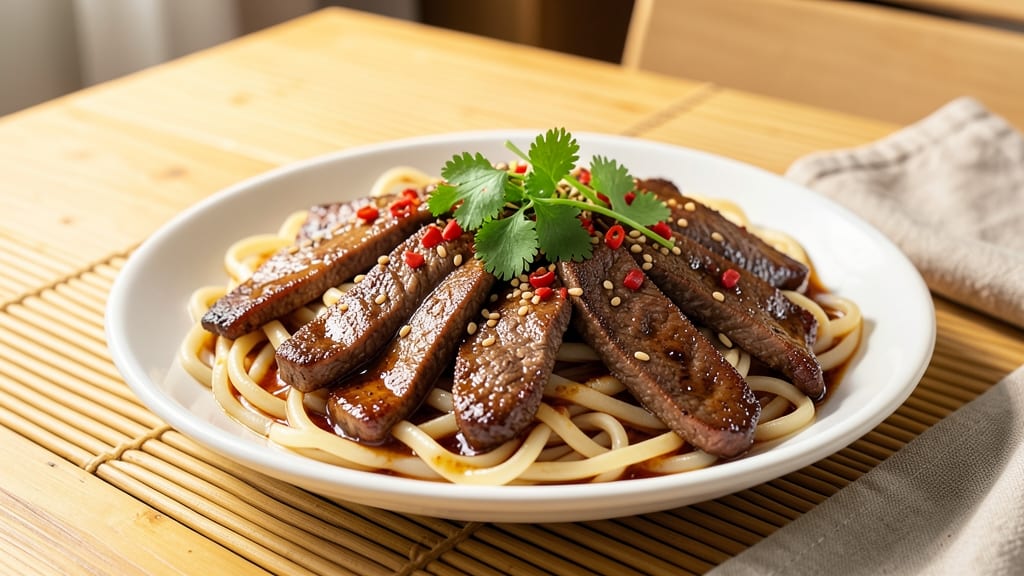
This Asian beef stir fry recipe with noodles delivers restaurant-quality flavor in just 30 minutes, combining tender beef, silky rice noodles, and a savory-sweet sauce that balances traditional Asian spices with modern twists.
The secret lies in high-heat searing for that signature wok-hei aroma while keeping the noodles perfectly tender. I developed this recipe after years of testing—it's the one that finally convinced even my skeptical family to skip takeout.
The foundation of this dish is a simple yet impactful sauce featuring soy sauce, garlic, ginger, and a touch of chili for depth, all tied together with a splash of coconut aminos for that authentic umami kick.
The beef gets marinated briefly in a mix of sesame oil and rice vinegar, ensuring it stays juicy while developing a caramelized crust. What makes this recipe truly special is how the flavors meld together—sweet, salty, spicy, and aromatic—without overpowering each other.
By the time you plate this dish, you'll have perfectly seared beef strips with a glossy sheen, silky rice noodles that cling to the sauce, and a vibrant, aromatic presentation that looks as good as it tastes.
The sauce coats every bite, creating a harmonious blend of textures and flavors that's both comforting and exciting. This is the kind of meal that transforms a weeknight into a dinner party without the fuss.
Whether you're feeding a crowd or treating yourself to a solo dinner, this stir fry scales beautifully and reheats just as well. The technique is beginner-friendly, with clear steps to ensure you achieve that coveted wok-hei aroma at home. Let's get cooking—your taste buds will thank you.
Ingredients for asian beef stir fry recipe with noodles
Restaurant-quality stir-fry starts with beef, noodles, and a sauce packed with umami and aroma.
| Ingredient | Amount | Notes |
|---|---|---|
| Flank Steak 🥩 | 1 lb | Thinly sliced against grain |
| Rice Noodles 🍜 | 8 oz | Medium-width, uncooked |
| Sesame Oil 🫒 | 1 tbsp | For marinade and finishing |
| Rice Vinegar 💧 | 2 tbsp | White or seasoned |
| Soy Sauce 🍶 | 3 tbsp | Low-sodium preferred |
| Coconut Aminos 🥄 | 2 tbsp | For umami depth |
| Garlic Cloves 🧄 | 6 cloves | Minced finely |
| Fresh Ginger 🌿 | 1 tbsp | Grated finely |
| Red Chili Flakes 🌶️ | 1 tsp | Adjust for heat |
| Brown Sugar 🍯 | 1 tbsp | Light or dark |
| Vegetable Oil 🫒 | 2 tbsp | High smoke point |
| Green Onions 🧅 | 3 whole | Sliced thinly |
| Sesame Seeds 🌰 | 1 tsp | Toasted for garnish |
| Salt 🧂 | 1 tsp | Kosher or sea |
| Black Pepper 🌶️ | ½ tsp | Freshly ground |
The beef makes or breaks this dish—flank steak is ideal because it's lean but tender when sliced thin. Look for marbled cuts at the grocery store's butcher counter, or ask for pre-sliced stir-fry strips if you're short on time. Costco or Whole Foods often have great quality, but the regular supermarket meat counter works too. Slice it against the grain for maximum tenderness. Pro tip: let the beef sit at room temperature for 15 minutes before cooking—this ensures even searing. If you can't find flank steak, sirloin or ribeye work too, but slice them extra thin.
No sesame oil? Neutral oil like avocado or grapeseed works in a pinch, but skip the extra tablespoon at the end. Coconut aminos are key for that authentic umami—Trader Joe's sells a great brand, or check the Asian aisle. Fresh ginger is non-negotiable here; dried just won't cut it. Short on time? Pre-minced garlic and ginger from the freezer section saves steps. The rice noodles should be medium-width (about 1/4-inch thick)—they're silkier than thin noodles. If you can't find them, egg noodles work in a bind**, but they won't be as authentic.
This dish reheats like a dream—honestly better the next day as flavors meld. Store leftovers in an airtight container for up to 4 days in the fridge. For longer storage, freeze portions for 3 months. The sauce can be made ahead (up to 3 days), but hold off on adding the fresh garlic and ginger until you're ready to cook. Garnish with toasted sesame seeds right before serving—they add crunch and aroma. If you're feeding a crowd, double the sauce and beef, but keep the noodles separate until serving to avoid sogginess.
Why You'll Love This Recipe
- No-Fuss Protein: I slice that flank steak thin—seriously, it takes two minutes with a sharp knife—and it cooks fast. No waiting for tough cuts to tenderize; just a quick sear and it’s ready to melt in your mouth.
- Umami Bomb: That combo of soy sauce, rice vinegar, and a dash of sesame oil? It’s like a flavor grenade. The vinegar brightens everything, the soy adds depth, and the sesame oil ties it all together—no fancy spices needed.
- Lunchbox Hero: Pack it cold or reheat it—this stir fry holds up perfectly. Toss leftover noodles with a little extra soy sauce, and it’s still delicious the next day. Honestly, I make double portions just for this reason.
- Budget Power Move: Flank steak stretches far when sliced thin, and rice noodles cost pennies. A single pound of beef feeds four, and the sauce ingredients? Most are already in my pantry. Dinner for under $10, and it still feels special.
Step-by-step instructions for wok-sizzled beef and noodles
Here's how to create a restaurant-quality stir fry with tender beef and silky noodles.
👨🍳 Step 1: Prepare the Marinade and Slice the Beef
In a small bowl, whisk together 1 tablespoon sesame oil, 2 tablespoons rice vinegar, 3 tablespoons soy sauce, 2 tablespoons coconut aminos, 1 tablespoon brown sugar, 1 teaspoon red chili flakes, 1 teaspoon salt, and ½ teaspoon black pepper. This marinade packs layers of umami, sweetness, and a touch of heat that will transform the beef.
Place the 1 pound flank steak on a cutting board and slice it thinly against the grain into ¼-inch thick strips. Transfer the sliced beef to a resealable plastic bag, pour the marinade over it, and seal tightly. Massage the marinade into the beef, coating every strand. Let it marinate for at least 20 minutes—this ensures tender, flavorful beef that won't turn tough during cooking.
🍳 Step 2: Cook the Rice Noodles to Perfect Al Dente
Bring a pot of water to a rolling boil and add the 8 ounces rice noodles. Cook according to package instructions, but stop cooking 1 minute before they're fully tender—rice noodles continue cooking when tossed with hot ingredients. Drain the noodles and rinse them briefly under cold water to stop the cooking process. Toss the noodles with 1 tablespoon sesame oil to prevent sticking and keep them silky.
Here's the thing—overcooked noodles turn mushy, while undercooked ones stay firm. You want them tender but still with a slight bite. If they look too dry after draining, sprinkle a splash of hot water and toss gently. Set the noodles aside and cover them loosely with a clean kitchen towel to keep them warm.
🔥 Step 3: Stir-Fry the Beef in a Hot Wok
Heat a large wok or skillet over high heat until it's smoking hot. Add 2 tablespoons vegetable oil and swirl to coat the pan evenly. Once the oil shimmers, add the marinated beef in a single layer, spreading it out so the pieces don't overlap. Let the beef sear undisturbed for 1-2 minutes—this creates a flavorful crust.
Stir-fry the beef vigorously for 2-3 minutes until it's 80% cooked and still slightly pink in the center. Remove the beef from the wok and set it aside on a plate. Don't overcook it now—it'll finish cooking when combined with the noodles. If the beef releases easily from the pan, it's ready. If it sticks, add a splash of water and scrape up those delicious browned bits.
🥘 Step 4: Build the Stir-Fry Sauce and Combine
In the same wok, add 6 cloves minced garlic and 1 tablespoon finely grated ginger. Stir-fry for 30 seconds until fragrant—this releases their aromatic oils. Add the cooked beef back to the wok along with the 8 ounces prepared rice noodles. Toss everything together for 1 minute to heat through and coat the noodles with the beef juices.
Pour any remaining marinade from the beef bag into the wok and stir well. The noodles should now be coated in a glossy, savory sauce. If the mixture looks dry, add 1-2 tablespoons hot water to loosen it. Taste and adjust seasoning with a pinch more soy sauce or coconut aminos if needed. The sauce should be balanced—sweet, salty, and slightly spicy with umami depth.
🍽️ Step 5: Finish and Serve with Fresh Garnishes
Divide the stir-fry among 4 plates and garnish each serving with 1 teaspoon toasted sesame seeds and 1 whole sliced green onion. The sesame seeds add a nutty crunch, while the green onions bring a fresh, bright contrast. Serve immediately while the noodles are still warm and silky.
This dish is all about balance—tender beef, chewy yet soft noodles, and a sauce that's neither too thin nor too thick. The aroma alone will have everyone gathering around the table. Pair it with a crisp cucumber salad or steamed bok choy to round out the meal. Enjoy your homemade Asian beef stir fry!
Pro Tips For Making Asian Beef Stir Fry Recipe With Noodles
- Slice Against the Grain: Flank steak’s muscle fibers run long—cutting perpendicular to them gives you tender, fork-friendly bites. I used to ignore this and ended up with chewy, tough strips. A sharp knife and a steady hand make all the difference.
- Soak Noodles Just Until Plump: Rice noodles don’t need long soaks—they’ll turn mushy if you overdo it. Toss them in hot water for 3-4 minutes, then drain and rinse with cold water. They’ll hold up better in the stir-fry and stay chewy, not soggy.
- Salt the Meat First: Seasoning the flank steak 30 minutes before cooking lets the salt work its magic. Skip this, and you’ll end up with bland beef no matter how much soy sauce you add later. Trust me, the flavor penetrates deeper when you give it time.
- Use Two Stages for Heat: Start with a screaming-hot wok to sear the beef, then lower the heat when tossing in noodles and sauce. High heat all the way through will burn the rice vinegar and leave you with a bitter mess. Control is key—don’t walk away.
Storing and reheating your leftovers
Fridge Storage Tips
Store your beef stir fry in an airtight container with a lid to keep the noodles from drying out. I use glass Pyrex containers because they don't absorb odors, and they're microwave-safe for quick reheats. Keep it refrigerated for up to 4 days, but honestly, the flavors get even better the next day as the sauce melds with the beef. Just
Freezer-Friendly Tricks
For longer storage, freeze portions in single-serving portions using quart-sized freezer bags—they thaw faster than containers. Lay the stir fry flat in the bag to save space, and squeeze out all the air before sealing. Label with the date and freeze for up to 3 months. When reheating from frozen, add 1 extra tablespoon of water to the sauce to prevent dryness. I swear by this method for busy weeknights—just toss in the microwave and you've got dinner ready in minutes. ❄️
Microwave Reheating
Here's my foolproof microwave method: Transfer a portion to a microwave-safe bowl and cover loosely with a damp paper towel (this traps steam). Heat on medium power (50%) for 2-3 minutes, stir, then continue in 30-second intervals until piping hot.
The damp towel prevents splatter and keeps the noodles from turning rubbery. If the sauce looks too thick after reheating, add a splash of hot water and stir—it'll loosen right up. Trust me, this is the only way to revive stir fry without sacrificing texture. 🔥
Stovetop Revival
For the best texture, reheat on the stovetop in a non-stick skillet over medium-low heat. Add 1 tablespoon vegetable oil and 2 tablespoons water, then toss everything together for 3-4 minutes. The oil helps redistribute the sauce evenly, while the water prevents sticking.
If the noodles look dry, add another splash of water and cover for 30 seconds—they'll absorb just enough moisture to become silky again. This method is my secret for restaurant-quality leftovers. 💡
Sauce Refresh
If the sauce tastes flat after reheating (which happens sometimes), revive it with a quick garlic-ginger boost. Sauté 1 clove minced garlic and ½ teaspoon grated ginger in ½ tablespoon sesame oil for 20 seconds, then stir into the reheated stir fry.
The aroma alone will make it taste fresh again. For extra depth, add a dash of coconut aminos—it cuts through any reheating dullness like magic. I keep a small bottle of this "sauce refresher" in my fridge for emergencies. ✨
Garnish Reset
Never underestimate the power of fresh garnishes to make reheated stir fry feel like it was just made. Toast ½ teaspoon sesame seeds in a dry skillet for 30 seconds until golden, then sprinkle over the top. Add thinly sliced green onions and a drizzle of sesame oil for brightness.
The contrast of textures and aromas makes all the difference—it's like giving your leftovers a mini facelift. This is my go-to trick for turning "last night's dinner" into today's star dish. 🌟
Nutrition facts
Frequently asked questions
Can I use a different cut of beef for this stir fry?
While flank steak is ideal, sirloin or ribeye work well too. Just slice them ¼-inch thick against the grain for tenderness. If using chuck roast, marinate for 1-2 hours extra to break down the fibers. Avoid tough cuts like flank steak's tougher cousin, skirt steak, unless you're willing to braise it first.
What if I can't find rice noodles? No problem! Use egg noodles or udon noodles as substitutes—they'll hold up better to stir-frying. For a closer texture, try vermicelli, but cook them 2 minutes less than package instructions. If you're in a pinch, even spaghetti works, though it'll be chewier. Just
How do I make this spicier?
Boost the heat by adding ½ teaspoon extra red chili flakes to the marinade, or stir in 1 teaspoon sriracha or 1 chopped Thai chili when combining everything. For a smoky kick, add ¼ teaspoon smoked paprika to the sauce. Pro tip: Toast the chili flakes in a dry pan for 30 seconds first to deepen their flavor.
Can I make this ahead of time?
Yes! Prepare the sauce and marinate the beef 1 day ahead—store separately in the fridge. Cook the noodles fresh or parboil them, rinse with cold water, and store in an airtight container for up to 2 days. When ready to serve, reheat the beef and sauce separately, then toss with the noodles. The flavors actually improve overnight!
Why did my beef turn out tough?
This usually happens when beef isn't sliced against the grain or overcooked. Always slice thinly (¼-inch) and cook just until 80% done—it'll finish cooking in the sauce. For extra tenderness, marinate for 30+ minutes and use high heat for quick cooking. If using frozen beef, thaw it first in the fridge overnight.