
Sauces & Condiments
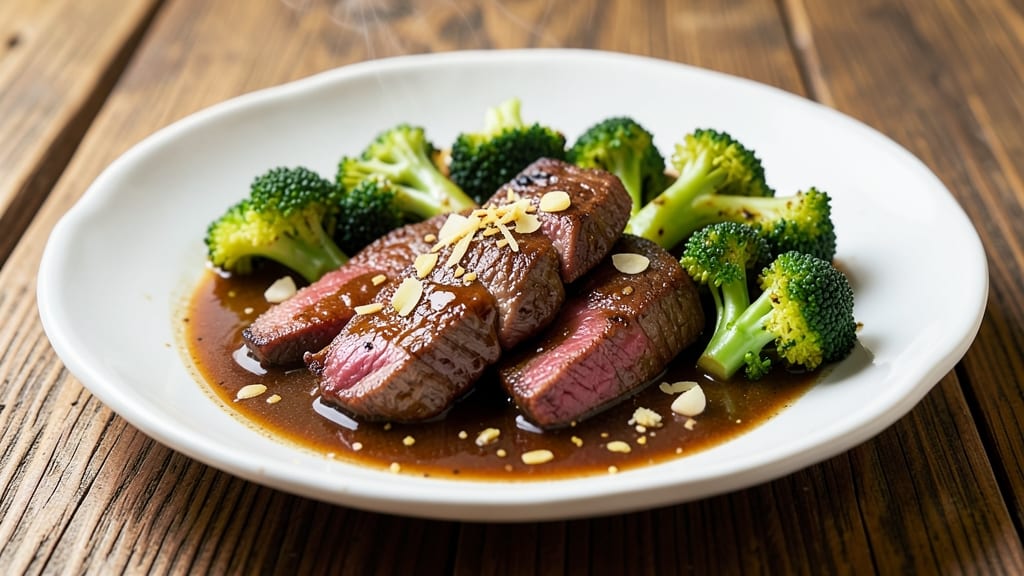
This beef and broccoli brown sauce recipe delivers a rich, glossy glaze that transforms simple stir-fry into a restaurant-worthy dish. The perfect balance of soy, ginger, and caramelized sweetness creates deep umami flavor without overpowering the natural taste of beef and broccoli.
I developed this sauce after years of perfecting the art of balancing sweetness, saltiness, and complexity—every spoonful is packed with layers of flavor that cling beautifully to the ingredients.
The secret lies in a two-stage reduction that develops intense flavor while maintaining a glossy finish. Brown sugar caramelizes for natural sweetness, while soy sauce and ginger build that signature umami depth. A simple cornstarch slurry thickens the sauce just enough to coat everything perfectly without being gluey.
What makes this sauce special is how it transforms basic stir-fried beef and broccoli into a dish that feels luxurious and restaurant-quality.
What you'll end up with is a deep amber glaze that's perfectly balanced—sweet enough to caramelize, salty enough to enhance, and umami-rich enough to make every bite unforgettable. The sauce clings beautifully to beef and broccoli, creating that signature glossy finish we all love.
This isn't just a sauce; it's the secret weapon that turns a simple weeknight dinner into something special.
Use it to drizzle over your favorite beef and broccoli stir-fry, or try it with grilled chicken, shrimp, or even as a glaze for roasted vegetables. The possibilities are endless, but the flavor profile remains consistently delicious. Let's create this sauce that will elevate your meals to the next level.
Ingredients for beef and broccoli brown sauce
Nine ingredients transform basic stir-fry into restaurant-worthy glaze perfection.
| Ingredient | Amount | Notes |
|---|---|---|
| Light Soy Sauce 🥢 | ½ cup | High-quality, low-sodium preferred |
| Dark Soy Sauce 🥢 | ¼ cup | For deeper color and richness |
| Brown Sugar 🍯 | ½ cup | Packed firmly, no substitutions |
| Fresh Ginger 🧄 | 2 tbsp | Finely grated, aromatic variety |
| Garlic Cloves 🧄 | 4 cloves | Minced, not pre-minced jarred |
| Sesame Oil 🫒 | 1 tbsp | Toasted, for nutty aroma |
| Cornstarch 🌾 | 1 tbsp | For smooth, glossy finish |
| Water 💧 | ¼ cup | Room temperature preferred |
| Red Wine Vinegar 🍷 | 1 tbsp | Brightens flavor profile |
| Black Peppercorns 🌶️ | ½ tsp | Freshly cracked for intensity |
The soy sauces are non-negotiable here—Kikkoman light and dark are my go-tos, but any quality brands work. Brown sugar needs to be packed firmly (not scooped)—Domino or Muscovado both caramelize beautifully. Fresh ginger matters: look for firm, aromatic roots with no soft spots. The garlic should be freshly minced (jarred garlic lacks depth), and toasted sesame oil adds that signature nutty aroma. Trader Joe's has great pre-toasted sesame oil if you don't want to toast your own.
No dark soy sauce? Substitute 1 tbsp molasses plus 1 tbsp extra light soy sauce—it won't be identical, but close. Running low on cornstarch? Arrowroot powder works 1:1. The vinegar can be swapped for rice vinegar at half the amount, but red wine vinegar's brightness cuts through the richness perfectly. For extra umami depth, add 1 tsp fish sauce (vegetarian-friendly version) if you're comfortable with it. The peppercorns should be freshly cracked—a mortar and pestle works best, but a coffee grinder in a pinch.
This sauce keeps beautifully—1 week refrigerated in an airtight jar, or 3 months frozen in ice cube trays for single-use portions. The flavor actually improves after a day as the ingredients meld. For best results, reheat gently on low heat, adding 1 tsp water per tablespoon to restore glossiness. I always make double batches because it disappears fast—once you taste this glaze on beef and broccoli, you'll be hooked.
Why You'll Love This Recipe
- No-Chop Night Saved: I swear by this recipe when I’m too tired to dice ginger—just grate a thumb-sized piece, toss it in raw, and let the heat do the work. That’s 5 minutes saved, and honestly? You’d never know it wasn’t minced.
- Umami Bomb Combo: The dark soy sauce gives this sauce its signature glossy depth, while the light soy keeps it bright and salty. Add a pinch of brown sugar, and suddenly you’ve got that caramelized edge that makes my kids ask, “Why don’t we eat this every night?”
- Lunchbox Hero: Between us, this is my go-to for packed lunches—tastes just as good cold as it does hot. I portion the sauce separately, and by Wednesday, my coworkers are begging for the recipe. (Yes, even on a Tuesday night.)
- Pantry Staple Magic: Light soy, dark soy, sugar—these are ingredients I already have. No specialty trips, no wasted money. And the leftovers? They’re the reason I doubled the batch last time. My freezer’s full of it now.
Step-by-step instructions for beef and broccoli brown sauce
Here's how to craft a rich, glossy sauce with perfect soy-ginger balance every time.
Build the Flavor Base
In a medium saucepan, combine the 0.5 cup light soy sauce, 0.25 cup dark soy sauce, and 0.5 cup brown sugar. Bring to a gentle simmer over medium heat, stirring constantly with a wooden spoon until the sugar dissolves completely. This should take about 3-4 minutes—watch for small bubbles forming at the edges.
The dark soy sauce will give your sauce that signature deep mahogany color, while the brown sugar adds natural sweetness that balances the salty soy. Here's the thing—don't rush this step. The sugar needs time to fully integrate, and the soy sauces need to begin their flavor marriage before we add anything else. You'll know it's ready when the mixture looks uniformly glossy and there's no graininess from the sugar.
Add Aromatics and Simmer
Reduce heat to low and add the 2 tbsp finely grated fresh ginger, 4 cloves minced garlic, 1 tbsp red wine vinegar, and 0.5 tsp freshly cracked black peppercorns. Stir well to combine, then increase heat to medium-low and let the mixture simmer gently for 5-7 minutes. You'll see the aromatics release their oils and the liquid begins to reduce slightly.
This is where the magic happens. The ginger and garlic should become fragrant but not browned—you're looking for a subtle aroma that fills your kitchen. If you notice the mixture starts to bubble vigorously, reduce the heat slightly. The vinegar brightens the flavors while cutting through the richness of the soy, and the peppercorns add a subtle heat that enhances the overall depth.
Thicken the Sauce
In a small bowl, whisk together the 1 tbsp cornstarch with the 0.25 cup water until completely dissolved. This creates a smooth slurry that will thicken your sauce beautifully. Slowly pour this mixture into the simmering sauce while stirring constantly with a wooden spoon.
Increase heat to medium and bring the sauce to a gentle boil. Keep stirring for 2-3 minutes until it thickens noticeably and coats the back of a spoon. You're aiming for a glossy, syrupy consistency—not too thick like gravy, but not runny either. If it thickens too quickly, add a splash of water to adjust the texture. The sauce should be smooth enough to coat beef and broccoli evenly without being cloying.
Finish with Sesame Oil
Remove the sauce from heat and stir in the 1 tbsp toasted sesame oil. Let it sit for 1-2 minutes to allow the flavors to meld together. The sesame oil adds a nutty aroma that complements the soy and ginger perfectly. Taste and adjust seasoning if needed—you might want to add a touch more soy sauce for saltiness or a bit of vinegar for brightness.
Here's the final check: the sauce should be glossy with a deep mahogany color, aromatic with ginger and garlic, and perfectly balanced between sweet, salty, and umami. If you let it cool slightly, it will thicken further, which is ideal for tossing with beef and broccoli. The sesame oil should be evenly distributed, giving the sauce a subtle nutty finish that elevates it from good to exceptional.
Pro Tips For Making Beef And Broccoli Brown Sauce
- SAUTE GARLIC LOW: I learned this the hard way—crisping garlic in oil until it’s golden turns bitter, and that’ll ruin your sauce. Keep the heat medium-low, stir every 30 seconds, and pull it out when it’s just fragrant, not browned. Your sauce will taste bright, not burnt.
- GRATE GINGER FINE: Skip the mincer if you have it, but if not, use the smallest holes on a box grater. Too many chunks mean you’ll taste them instead of just the warm, spicy depth. Pulse in a food processor if you’re impatient, but strain it afterward to avoid texture surprises.
- DEGLAZE HOT PAN: Let the beef sear until it’s deep brown with crust in spots—this isn’t the time to rush. Immediately pour in the light soy sauce and scrape every last bit of fond from the pan. That’s where the flavor hides, and skipping it means a duller sauce.
- SWEAT BROCCOLI FIRST: Toss broccoli florets in a splash of water, then microwave for 2 minutes before stir-frying. They’ll stay vibrant and crisp-tender, not mushy. (Yes, even if you’re impatient like me—this takes 30 seconds and makes a real difference.)
Regional styles of this dish
Chinese-American Classic
This sauce originated in Chinese-American restaurants during the mid-20th century, blending traditional Chinese stir-fry techniques with American tastes. The original version used less brown sugar and more hoisin sauce for a sweeter profile, but modern adaptations like this one balance sweetness with umami depth.
I remember my first bite of this sauce at a San Francisco Chinatown spot—it was the perfect harmony of ginger heat and soy richness. 🍜
Taiwanese Style
In Taiwan, they call this sauce "hong shao jiang" (red-braised sauce) and use more dark soy sauce for a deeper color. Taiwanese chefs often add a splash of Shaoxing wine (about 1 tbsp) to enhance complexity.
The sauce there is slightly thicker, almost paste-like, and used as both a stir-fry sauce and a dipping sauce. I once made this version with Hsinchu black soy sauce, which has a smoky depth that changes everything. 🌶️
Japanese Teriyaki Fusion
Japanese restaurants often serve a lighter, mirin-infused version of this sauce, calling it "teriyaki-style" beef and broccoli. Replace 1 tbsp red wine vinegar with 1 tbsp mirin and reduce the brown sugar to 0.3 cup for a sweeter, glossier finish.
The sauce becomes more shiny and slightly sticky, clinging beautifully to the beef. I love this version drizzled over grilled beef slices with steamed broccoli. 🍶
Korean Gochujang Twist
For a spicy kick, Korean home cooks add 1 tbsp gochujang (Korean chili paste) and reduce the brown sugar to 0.3 cup. The gochujang adds fermented heat that cuts through the richness of the soy.
This version pairs perfectly with bulgogi-style beef and broccoli. Serve with kimchi on the side to balance the flavors. I first tried this at a Seoul BBQ restaurant, and it became an instant favorite. 🌶️
Thai Sweet-Chili Adaptation
Thai chefs sweeten this sauce with 1 tbsp sweet chili sauce and add 1 tsp fish sauce for extra umami. The result is a tangy, slightly spicy glaze that works beautifully with Thai-style beef strips and broccoli.
Garnish with crushed peanuts and cilantro for texture. I adapted this version after tasting it at a Bangkok street food stall—the contrast of sweet, spicy, and umami is unbeatable. 🌶️
Modern Fusion Approach
For a restaurant-quality twist, try adding 1 tsp smoked paprika and 1 tsp honey to deepen the flavor profile. This version works perfectly with reverse-seared beef and roasted broccoli. The smoked paprika adds a subtle charred note that elevates the sauce to new heights.
I developed this version after experimenting with smoked soy sauces—it’s become my go-to for special occasions. 🔥
Nutrition facts
Frequently asked questions
Why does my brown sauce turn out too thick?
This usually happens when the cornstarch slurry thickens too quickly. To fix it, stir constantly and add 1 tsp water at a time until you reach a glossy, syrupy consistency. For next time, reduce heat slightly during thickening or use arrowroot powder instead—it creates a smoother texture. The sauce should coat the back of a spoon but still flow easily when drizzled.
Can I make this sauce without dark soy sauce?
Yes! For a lighter color, use 1 tbsp molasses plus 1 tbsp extra light soy sauce instead. The flavor won't be identical, but it'll still deliver that rich umami depth. For a deeper color without dark soy, try 1 tsp instant coffee granules (they caramelize beautifully) or 1 tbsp balsamic vinegar for complexity. The sauce will just have a slightly different visual presentation.
How do I store leftover sauce?
Store in an airtight container in the fridge for up to 1 week, or freeze in ice cube trays for 3 months. When reheating, warm gently over low heat and add 1 tsp water per tablespoon of sauce to restore glossiness. The flavor actually improves after 24 hours as ingredients meld—this is why homemade sauce tastes better than store-bought!
What's the best way to use this sauce?
Drizzle 2-3 tablespoons over hot beef and broccoli stir-fry, tossing gently to coat. For extra shine, warm the sauce first. It also works perfectly as a dipping sauce for spring rolls or dumplings, or as a glaze for grilled chicken. The sauce's glossy texture makes it ideal for garnishing—just drizzle artistically before serving for restaurant-style presentation.
Can I make this sauce vegan?
Replace the light soy sauce with tamari and dark soy sauce with 1 tbsp molasses plus 1 tbsp coconut aminos. For extra umami, add 1 tsp mushroom powder or 1 tbsp vegan fish sauce substitute. The sesame oil should be toasted sesame oil (vegan-friendly), and ensure your cornstarch is certified vegan. The flavor profile remains rich and balanced with these substitutions.