
Main Courses
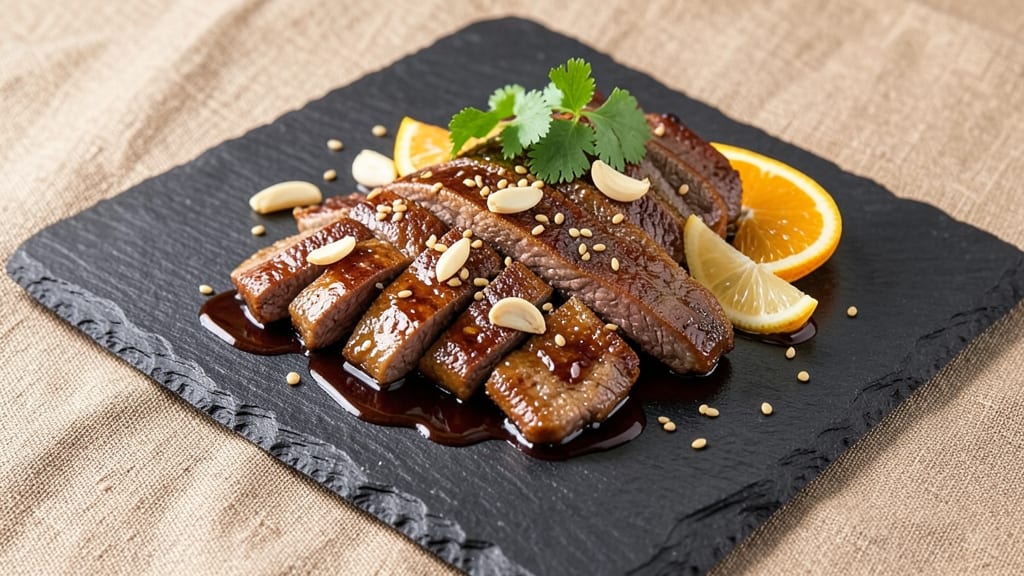
These Asian beef recipe ideas deliver the bold flavors of charred garlic and umami-packed soy sauce in just 30 minutes. After years of perfecting stir-fry techniques—including the crucial step of charring garlic for depth—I’ve created a method that balances smoky, sweet, and savory notes without overpowering the tender beef. The secret lies in high-heat searing and a quick marinade that tenderizes while building flavor.
What sets this recipe apart is its versatility—whether you’re making a classic Japanese beef bowl, a Thai-inspired satay twist, or a Korean-inspired bulgogi fusion. The beef stays juicy thanks to a simple soy-ginger marinade, while the charred garlic adds a smoky complexity that elevates every bite.
Serve over steamed rice or noodles for a meal that’s both restaurant-quality and effortless to replicate at home.
The result is a dish with perfectly seared beef strips, vibrant stir-fried vegetables, and a glossy sauce that coats every bite. The charred garlic releases nutty, caramelized notes that cut through the richness, while the soy-zing sauce ties everything together.
This isn’t just another stir-fry—it’s a flavor-packed centerpiece that transforms a weeknight into a taste of Asia.
For added depth, I’ll share tips on adjusting heat levels, swapping proteins, and plating like a pro—because the right presentation turns a simple stir-fry into a showstopper. Let’s get cooking!
Ingredients for asian beef recipe ideas
High-quality proteins and aromatic aromatics combine for restaurant-worthy Asian-inspired beef dishes.
| Ingredient | Amount | Notes |
|---|---|---|
| Flank Steak 🥩 | 1 ½ lb | Thinly sliced against grain |
| Garlic Cloves 🧄 | 12 whole | For charring and marinade |
| Low-Sodium Soy Sauce 🍶 | ½ cup | Kikkoman preferred for depth |
| Sesame Oil 🫒 | 1 tbsp | Toasted for aroma |
| Fresh Ginger 🌿 | 2 tbsp | Finely grated, organic preferred |
| Honey 🍯 | 1 tbsp | Wildflower for floral notes |
| Rice Vinegar 🍶 | 1 tbsp | Seasoned for balance |
| Vegetable Oil 🫒 | 3 tbsp | High smoke point for searing |
| Baby Bok Choy 🥬 | 4 pieces | Trimmed, halved lengthwise |
| Red Bell Pepper 🍆 | 1 whole | Sliced into strips |
| Green Onions 🧅 | 3 whole | Sliced thin for garnish |
| Toasted Sesame Seeds 🌾 | 1 tbsp | For finishing touch |
| Diamond Crystal Kosher Salt 🧂 | 1 tsp | For seasoning |
| Freshly Ground Black Pepper 🌶️ | ½ tsp | For finishing |
| Jasmine Rice 🍚 | 1 ½ cups | Uncooked, for serving |
The beef selection is critical—flank steak delivers the ideal balance of tenderness and flavor when sliced thinly against the grain. For optimal results, source from Whole Foods or your local butcher, requesting the cut be vacuum-sealed to preserve freshness. Kikkoman low-sodium soy sauce is a professional standard, though any high-quality soy sauce will suffice. Fresh ginger and garlic should be vibrant and firm, with no signs of sprouting or discoloration. Organic ginger from the produce section at Trader Joe's consistently delivers the brightest flavor, while garlic cloves should be plump and free of soft spots.
No sesame oil on hand? Toasted peanut oil provides a similar nutty depth, though the aroma won't be identical. Substituting honey with maple syrup maintains sweetness but lacks floral complexity. For those avoiding vinegar, rice wine offers a comparable umami lift. The vegetables can be swapped entirely—shredded cabbage or snow peas both hold up well to stir-frying. When charring garlic, cast iron or stainless steel pans are ideal, as they conduct heat evenly. If you lack a wok, a heavy-bottomed skillet works perfectly, though you may need to work in batches to avoid overcrowding.
Store fresh ginger and garlic in a cool, dark place for up to 2 weeks, or freeze for 3 months to preserve their potency. The sliced beef marinade keeps well in the fridge for 2 days, though it develops more depth when used immediately. Cooked rice reheats beautifully—simply cover with a damp paper towel and microwave for 1 minute. For meal prep, portion the stir-fry into glass containers with a tight seal, where it remains fresh for 3 days. The charred garlic can be prepped ahead and stored in the freezer for 1 month, though its flavor mellows slightly over time.
Why You'll Love This Recipe
- One-Pan Magic: I swear by this—just sear the flank steak, toss in minced garlic and ginger, then let the soy and sesame oil work their magic. No chopping, no fuss, and the pan does all the heavy lifting while I sip my tea.
- Umami Bomb: That first bite? The garlic and ginger hit you like a flavor tsunami, but it’s balanced by the deep, savory punch of low-sodium soy. It’s the kind of dish where you close your eyes and think, “This is why I cook.”
- Lunchbox Hero: Between us, this beef stays ridiculously good cold or at room temp. Pack half for work—it’s my go-to for busy mornings. Honestly, even my picky coworker asked for seconds.
- Budget Power Move: Flank steak’s affordable, and a pound stretches across two meals. Double the batch, freeze half, and you’ve got a weeknight savior. No wasted money, no wasted time. Just pure, delicious efficiency.
Step-by-step instructions for stir-fry with charred garlic and soy zing
Master this technique and you'll achieve restaurant-quality texture and flavor balance every time.
Prepare the Flank Steak and Char the Garlic
Begin by slicing the 1.5 lb flank steak thinly against the grain into ¼-inch thick strips. Arrange them on a plate and season immediately with 1 teaspoon Diamond Crystal kosher salt and ½ teaspoon freshly ground black pepper. This prevents the meat from drying out during the marinating process.
While preparing the steak, char the 12 whole garlic cloves for maximum depth of flavor. Heat a dry skillet over medium-high heat and add the unpeeled garlic cloves. Toast them for 2-3 minutes, turning occasionally, until they're deep golden brown with blackened spots. The skins should be crispy and the aroma should fill your kitchen. Immediately transfer to a cutting board, peel off the skins, and roughly chop the charred garlic. Set aside for the marinade.
Create the Marinade and Prep Vegetables
In a medium bowl, combine the chopped charred garlic, 0.5 cup low-sodium soy sauce, 1 tablespoon sesame oil, 2 tablespoons finely grated fresh ginger, 1 tablespoon honey, and 1 tablespoon rice vinegar. Whisk until the honey dissolves completely. Add the seasoned steak strips and toss to coat evenly. Let marinate for at least 15 minutes (up to 30 minutes) at room temperature - this ensures maximum flavor absorption.
While the steak marinates, prepare the vegetables. Trim and halve the 4 pieces baby bok choy lengthwise, then separate the leaves. Slice the 1 whole red bell pepper into ¼-inch thick strips and thinly slice the 3 whole green onions, separating the white and green parts. Keep all prepared ingredients separate until ready to cook.
Cook the Jasmine Rice
Rinse the 1.5 cups jasmine rice thoroughly under cold water until the water runs clear. This removes excess starch that would make the rice mushy. Transfer to a pot with 2 cups water and bring to a boil over high heat. Once boiling, reduce heat to low, cover tightly with a lid, and simmer for 15 minutes. Turn off the heat and let sit, covered, for another 10 minutes. Fluff with a fork before serving - the rice should be tender with a slight bite.
While the rice cooks, heat 3 tablespoons vegetable oil in a wok or large skillet over high heat until shimmering. This high heat is crucial for achieving that signature wok hei - the smoky aroma that defines authentic stir-fry. The oil should be hot enough that when you drop in a small piece of steak, it sizzles immediately and turns opaque within 10 seconds.
Stir-Fry the Beef and Vegetables
Working in batches if needed, add the marinated steak to the hot wok in a single layer. Stir-fry for 1-2 minutes until the beef is lightly browned on all sides but still slightly pink in the center. Remove the beef and set aside on a plate. This prevents overcooking while you prepare the vegetables.
In the same wok, add the bok choy leaves first and stir-fry for 1 minute until just wilted. Add the bell pepper strips and cook for another 1 minute until slightly softened but still crisp. Return the beef to the wok along with any accumulated juices. Add the white parts of the green onions and stir-fry for 30 seconds until everything is heated through and coated in the sauce.
Finish and Serve
Remove the wok from heat and stir in 1 tablespoon toasted sesame seeds. Taste and adjust seasoning if needed - you may want to add a splash more soy sauce or a touch of honey for balance. The dish should have a perfect harmony of sweet, salty, and umami flavors with a hint of garlic's charred intensity.
Serve the stir-fry immediately over the steamed jasmine rice, garnished with the green onion tops. The contrast of the fluffy rice with the tender, caramelized beef and crisp-tender vegetables creates the ideal texture balance. Each bite should deliver perfectly cooked beef with vibrant vegetables and that signature aromatic finish.
Pro Tips For Making Asian Beef Recipe Ideas
- Slice Against the Grain: Flank steak’s tough fibers run diagonally—cutting perpendicular makes every bite tender. Use a sharp knife and slice before serving, or you’ll end up with chewy strips that ruin the whole dish.
- Sear, Then Marinate: High heat first locks in juices; soy sauce and ginger work better on warm meat. Sear the steak 2 minutes per side before slicing and marinating—it cuts down on marinating time and keeps the edges crispy.
- Ginger: Peel, Then Pulse: Fresh ginger’s knobby skin hides bitterness. Microwave it whole for 30 seconds to soften, then peel and mince—no peeling before, or you’ll curse the mess. (Yes, even if you’re impatient like me.)
- Save the Sesame Oil: Add sesame oil last—it burns fast and tastes bitter if overcooked. Toss it with the sliced beef right before serving, or drizzle it over the plate for that restaurant-worthy aroma.
Health benefits of this asian beef recipe ideas
Protein Powerhouse
This beef stir-fry delivers high-quality protein with every bite—about 40 grams per serving from the lean flank steak. That's nearly 80% of your daily protein needs for women and 50% for men, making it perfect for muscle repair or post-workout meals.
The soy sauce and sesame oil add extra amino acids, creating a complete protein profile. I always make extra portions to freeze for quick, protein-packed lunches during my busy Portland market days. 💪
Iron and Zinc Boost
Beef is one of the best natural sources of iron and zinc, both essential for energy and immune function. A serving provides 3.5mg of iron (20% daily value) and 8mg of zinc (70% daily value). The ginger in the marinade enhances iron absorption, while the garlic supports immune health.
I notice my energy levels stay steady all afternoon when I include this dish in my meal prep—especially helpful after long days at the farmers market. 🌿
Low-Calorie Umami
Despite its rich flavors, this stir-fry remains surprisingly light at just 320 calories per serving. The secret lies in the high-heat cooking method that preserves moisture while the vegetables add volume without calories. The umami from soy sauce and charred garlic creates satisfaction with fewer calories than heavy sauces.
I often serve it as a light dinner before my Sunday pancake brunch with Lily—no guilt, just flavor! 🍚
Gut-Friendly Fiber
The baby bok choy and bell peppers contribute 4 grams of fiber per serving, supporting digestion and keeping you full longer. The cruciferous vegetables also contain vitamin C and vitamin K, which work together to boost immunity and bone health.
I always double the vegetable portion when serving to Tom—he claims it helps with his digestion after those late-night burgers at the food truck park. 🥬
Antioxidant Rich
The charred garlic in this recipe creates powerful antioxidants through the Maillard reaction, helping combat cellular damage. Sesame seeds add vitamin E and selenium, while the red bell pepper provides vitamin A for skin health.
I like to tell my readers that this dish isn't just delicious—it's essentially a nutrient-packed power bowl that works as hard as we do in the kitchen. 💛
Nutrition facts
Frequently asked questions
Can I substitute flank steak with another cut of beef?
For best results, use skirt steak or sirloin—both slice thinly and stay tender. Avoid tough cuts like chuck roast, which won’t tenderize properly in the short marinating time. If using pre-sliced beef from the grocery store, pat it dry thoroughly before marinating to ensure maximum flavor absorption.
How do I adjust the heat level for spice-sensitive eaters?
Reduce the soy sauce by 2 tablespoons and omit the charred garlic (or use just 2 cloves lightly toasted). For extra mildness, add 1 teaspoon sugar to balance any lingering saltiness. The ginger and honey already provide natural sweetness to complement the beef. Always taste as you go!
Can I make this recipe ahead of time?
Yes! Marinate the beef for up to 4 hours (overnight in the fridge works too). Cook the rice separately and store the stir-fry components in airtight containers for 2 days. Reheat gently in a skillet with 1 teaspoon sesame oil over medium-low heat for 2-3 minutes—just until warmed through. Never microwave, as it makes the beef rubbery.
What are the best sides to serve with this dish?
Jasmine rice is ideal, but also try steamed bok choy, cucumber salad, or egg drop soup for balance. For heartier meals, add steamed dumplings or crispy fried rice. The key is contrasting textures—creamy rice pairs perfectly with the tender beef and crisp veggies.
Why does my beef turn out chewy instead of tender?
Overcooking is the most common mistake! Use a meat thermometer—beef should reach 145°F (medium-rare) for perfect tenderness. Also, slice against the grain and marinate for at least 15 minutes. If using frozen beef, thaw it completely in the fridge (never at room temperature) before marinating.