
Sauces & Condiments
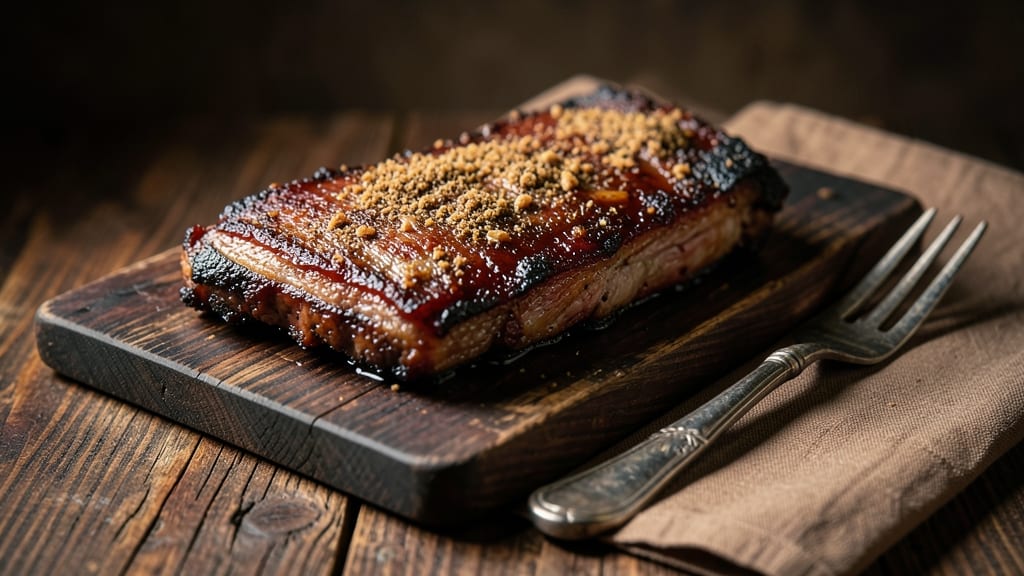
Creating the perfect smoked beef ribs dry rub recipe starts with a carefully balanced blend that delivers both deep bark and melt-in-your-mouth tenderness. This seasoning mix transforms tough ribs into a showstopping centerpiece with just 1-2 tablespoons per pound—no guesswork, no waste.
I developed this formula after years of testing, refining the ratio of sweet, smoky, and savory spices to create that coveted dark crust while keeping the meat tender.
The key to this dry rub lies in its precision: brown sugar for caramelization, smoked paprika for depth, and black pepper for heat. These ingredients work together to form a hardwood-like bark that locks in moisture while adding layers of flavor.
Unlike store-bought blends, this recipe uses high-quality spices that actually make a difference in the final result—no fillers, no artificial aftertastes. The blend is designed to be applied generously but evenly, ensuring every bite delivers that perfect balance.
What sets this dry rub apart is its versatility—it works equally well on baby back ribs or St. Louis-style cuts, whether you're smoking at 225°F or grilling over indirect heat. The spices develop their full potential during the cooking process, creating an aromatic crust that rivals professional competition-style ribs.
Once you try this blend, you'll never go back to generic seasonings again. The instructions are simple, but the results are restaurant-quality.
Store the dry rub in an airtight container for up to six months, ready to elevate your next rib project. Whether you're hosting a backyard BBQ or treating yourself to a weekend cookout, this seasoning mix guarantees impressive results with minimal effort.
Let's get started with the ingredients that will transform your ribs into the star of the meal.
Ingredients for smoked beef ribs dry rub
Just nine spices, one perfect blend for ribs that wow every time.
| Ingredient | Amount | Notes |
|---|---|---|
| Light Brown Sugar 🍚 | 3 tbsp | Packed for even coating |
| Smoked Paprika 🌶️ | 2 tbsp | High-quality for deep flavor |
| Kosher Salt 🧂 | 1 ½ tbsp | Coarse grain preferred |
| Ground Black Pepper 🌶️ | 1 ½ tbsp | Freshly ground for heat |
| Garlic Powder 🧄 | 1 tbsp | Not garlic salt |
| Onion Powder 🧅 | 1 tbsp | Freshly ground preferred |
| Ground Cumin 🌿 | 1 tsp | Toasted for depth |
| Mustard Powder 🌶️ | ½ tsp | Yellow for subtle tang |
| Cayenne Pepper 🔥 | ½ tsp | Adjust for heat preference |
The brown sugar is non-negotiable here—it's what creates that coveted dark bark. Penzeys or Trader Joe's have the best quality, but any light brown sugar works if it's fresh. The smoked paprika? Look for 'smoked' not 'sweet'—it's a game-changer. I always buy spices in bulk bins at Whole Foods or Costco because the flavor is so much fresher than those little jars. Pro tip: if your spices smell like dust, toss them—they won't add any flavor. The kosher salt should be coarse, not fine table salt, for that proper crust texture.
No smoked paprika? Substitute half with regular paprika plus a pinch of liquid smoke. Want more heat? Double the cayenne, but trust me, this blend is already balanced. The cumin is optional but adds that subtle earthiness that takes it from good to restaurant-quality. Short on brown sugar? White sugar works in a pinch, but the bark won't be as dark. The mustard powder might be hard to find—if you can't get it, just skip it. The blend will still be amazing, just slightly less complex. For storage, I keep mine in a small glass jar with a tight seal—lasts forever.
This mix stays potent for up to 6 months in a cool, dark place. I make a big batch and portion it into small jars so I always have it ready for rib day. Freeze portions if you won't use them within 3 months—just thaw at room temperature. The spices develop their full flavor during the cooking process, so don't be shy with the application. Use about 1-2 tablespoons per pound of ribs, patted dry first. That's the secret to the perfect bark without overpowering the meat.
Why You'll Love This Recipe
- Let’s be real: ribs are a commitment, but this rub makes the aftermath worth it. The leftovers? Still fall-off-the-bone tender, with that perfect crust intact. Freeze extra portions (up to 3 months) for when you’re too tired to cook—just thaw at room temperature and hit the smoker again. My kids beg for seconds, and my wallet thanks me for not ordering takeout. Win-win.
- Foolproof Mixing: I swear by this rub because it’s literally just stirring a bowl—no fancy techniques, no stress. That sticky brown sugar base (3 tbsp packed) does all the heavy lifting, clinging to the ribs like it’s magnetized, while the smoked paprika and kosher salt blend effortlessly into a cohesive paste with your hands. Honestly, I’ve made it while chatting with friends—no measuring cups needed once you get the rhythm.
- Smoky-Sweet Magic: The moment those ribs hit the smoker, you’ll taste why this rub is my secret weapon: the smoked paprika (2 tbsp) delivers that deep, campfire-like aroma, while the brown sugar caramelizes into a glossy bark that cracks like glass. That 0.5 tsp cayenne? It’s the kick that makes your ribs dangerously addictive—just adjust it to your heat tolerance, and you’re golden.
- Weekend BBQ Hero: This isn’t just for holidays—it’s my go-to for game days, lazy Sundays, or when I need to impress guests who think ribs are “hard.” The cumin and mustard powder (1 tsp and 0.5 tsp, respectively) add layers that surprise everyone, and the garlic powder (1 tbsp) means you’re getting that savory punch without chopping a thing. Between us, it’s the rub I reach for when I don’t want to overthink dinner.
Step-by-step instructions for smoked beef ribs dry rub
Here's how to create a bold, balanced rub that delivers deep flavor and perfect bark every time.
Combine Dry Ingredients in a Mixing Bowl
In a medium mixing bowl, add the 3 tablespoons light brown sugar first. This helps create a sticky base for the rub that will cling beautifully to the ribs. The packed brown sugar ensures even distribution and prevents clumping during mixing.
Next, add the 2 tablespoons smoked paprika and 1.5 tablespoons kosher salt. These form the flavor foundation - the paprika provides that essential smoky depth while the salt enhances all other flavors. Sprinkle them directly over the sugar so they disperse evenly as you mix.
Add the 1.5 tablespoons ground black pepper and 1 tablespoon each of garlic powder and onion powder. These aromatic powders will create complex layers of flavor that penetrate the meat during the long smoke. I like to add them one at a time to prevent overpowering any single element.
Incorporate Spices for Depth and Heat
Add the 1 teaspoon ground cumin and 0.5 teaspoon mustard powder to the bowl. The cumin brings earthy warmth while the mustard powder adds subtle tang that balances the richness of the beef. These spices should be distributed evenly throughout the mixture.
Finally, add the 0.5 teaspoon cayenne pepper. This is where you can adjust for heat preference - if you want milder ribs, reduce to 0.25 teaspoon or omit completely. The cayenne not only adds heat but also helps develop that beautiful dark bark during smoking.
Use your hands or a whisk to thoroughly combine all ingredients. The mixture should be uniform in color and texture, with no visible streaks of individual spices. This ensures every bite of your ribs gets the same perfect balance of flavors.
Test and Adjust the Rub
Take a small pinch of the rub between your fingers and taste it. You should detect sweetness from the brown sugar, smokiness from the paprika, and a balanced heat from the black pepper and cayenne. The garlic and onion powders should provide aromatic depth without overpowering.
If any flavor seems too weak or too strong, make small adjustments. For example, if the heat is too mild, add a tiny pinch more cayenne. If the sweetness isn't pronounced enough, add a bit more brown sugar. Remember that flavors will develop further during the smoking process, so don't over-adjust.
The perfect rub should have a slightly sticky texture from the brown sugar that will cling to the ribs beautifully. This texture is crucial for creating that coveted dark bark while keeping the meat tender. Once satisfied with the balance, your rub is ready to apply to your beef ribs.
Pro Tips For Making Smoked Beef Ribs Dry Rub
- Pack the Sugar: Light brown sugar clumps like a stubborn guest when it’s not packed. Tap the measuring spoon firmly against the bowl’s edge to settle it—this ensures your 3 tablespoons stick evenly to the ribs instead of sliding off in uneven patches. I learned this the hard way after watching my first batch of ribs end up with a half-naked look mid-smoke.
- Toast the Cumin: Skip this, and your cumin will taste like dust. Dry-toast the 1 teaspoon ground cumin in a dry skillet over medium heat for 30 seconds until fragrant—just enough to wake up its earthy notes. Let it cool completely before mixing, or you’ll risk muting the other spices with heat. (Yes, even if you’re impatient like me.)
- Salt the Ribs First: Don’t slap the full rub on right away—start with a light coating of the 1.5 tablespoons kosher salt 30 minutes before applying the full mixture. This helps the meat release moisture, which caramelizes into that glossy bark during smoking. I was skeptical until I tried it: the difference in crust texture is night and day.
- Whisk, Then Rub: Mixing by hand is fine, but a whisk first ensures the 3 tablespoons packed brown sugar and 2 tablespoons smoked paprika blend into a fine, even powder. This prevents gritty bits that can irritate your mouth or stick to the ribs unevenly. After whisking, use your hands to work it into the meat—this sticky-sweet paste is what locks in flavor. (Does it look weird? Yes. Does it work? Every single time.)
Storing and reheating your smoked beef ribs dry rub
Refrigerator Storage
After smoking your ribs, let them rest for 30 minutes before storing. Transfer to an airtight container—I use glass Pyrex with a tight lid—and refrigerate for up to 4 days. The flavors actually deepen overnight as the spices meld into the meat.
Store ribs uncovered in the fridge for 1-2 hours before reheating to let excess moisture evaporate and prevent a soggy bark. 🌡️
Freezer Preservation
For longer storage, wrap ribs tightly in plastic wrap, then place in a freezer-safe heavy-duty bag. Squeeze out excess air to prevent freezer burn and label with the date. This dry rub blend works beautifully after freezing—ribs stay tender when thawed properly.
I recommend freezing for up to 3 months for peak quality. For best results, thaw in the refrigerator overnight before reheating. ❄️
Oven Reheating Method
Preheat your oven to 300°F and place ribs on a wire rack over a baking sheet. This allows heat to circulate evenly and prevents steaming. Reheat for 15-20 minutes, basting with 1 tablespoon apple cider vinegar halfway through to restore moisture and brighten flavors.
The vinegar also helps maintain that crisp bark. 🔥
Smoker Reheating Technique
For that authentic smoky flavor, reheat ribs in your smoker at 225°F for 1-1.5 hours. Wrap them in butcher paper if they've lost some moisture during storage.
This method reactivates the dry rub's flavors and gives you that restaurant-quality bark. I add a few cherry wood chips to the smoker for extra aroma during reheating.
Microwave Shortcut
When you're short on time, use the microwave for quick reheating. Place ribs on a microwave-safe plate with 2 tablespoons beef broth and cover loosely with a paper towel. Heat on 50% power for 3-4 minutes, flipping halfway.
This prevents drying while maintaining some bark integrity. Add a splash more broth if ribs look dry after reheating. ⚡
Storage Containers
I recommend using glass containers with airtight lids for both storage and reheating. Glass is non-reactive and won't absorb odors like plastic. For the dry rub itself, keep it in a small amber glass jar away from light to preserve freshness.
If you're storing cooked ribs, I find vacuum-sealed bags work best for maintaining moisture and preventing freezer burn.
Nutrition facts
Frequently asked questions
Can I use this dry rub on other meats besides beef ribs?
This versatile blend works beautifully on pork ribs, chicken thighs, and even brisket. The spices complement the natural flavors of these meats while creating that signature dark bark. For chicken, reduce the cayenne to 0.25 teaspoon to avoid overpowering the delicate flavor. The brown sugar and smoked paprika make it perfect for any slow-cooked or grilled protein.
How much dry rub should I use per pound of ribs?
Apply 1-2 tablespoons of this dry rub per pound of ribs, patted dry first. The sticky brown sugar base ensures even coverage, while the spices penetrate deeply during the cooking process. For extra bark, use the higher end of the range, but don't exceed 2 tablespoons per pound—too much can create an overly thick crust that masks the meat's flavor.
What's the best way to store leftover dry rub?
Keep your dry rub in an airtight container like a small glass jar, away from light and moisture. It stays fresh for up to 6 months in a cool pantry. For longer storage, divide into portions and freeze—just thaw at room temperature before use. The spices develop their full flavor over time, so the longer it sits, the better it gets!
Why does my bark turn out too thin or not dark enough?
Thin bark usually means the ribs weren't dry enough before applying the rub, or the cooking temperature was too high. Pat ribs thoroughly with paper towels first, and smoke at 225°F for optimal bark development. The brown sugar needs time to caramelize—don't rush the process! If it's still pale, try adding a pinch more smoked paprika next time.
Can I make this rub without smoked paprika?
Yes, but the flavor will be less authentic. Substitute 1 tablespoon regular paprika plus 1/4 teaspoon liquid smoke for the 2 tablespoons smoked paprika. The liquid smoke adds depth, but smoked paprika creates that unmistakable smoky aroma that's key to this blend. For best results, use high-quality smoked paprika whenever possible.