
Main Courses
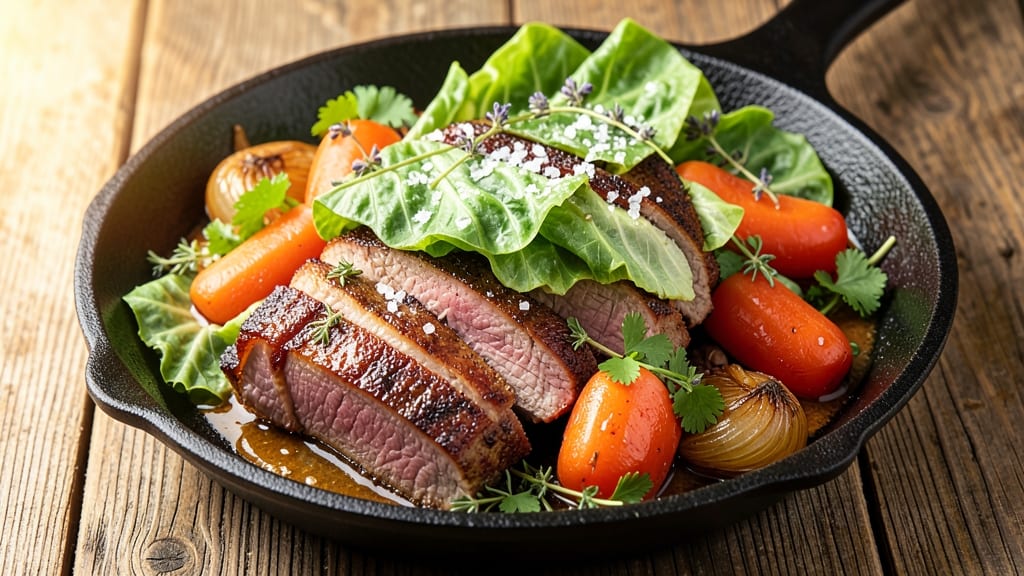
This Boar's Head corned beef and cabbage recipe delivers the hearty, aromatic tradition of slow-cooked perfection that makes every bite feel like a celebration. The secret lies in the herb-infused pot roast technique, where tender beef transforms alongside cabbage bathed in savory spices—exactly as it should be.
I've perfected this method over years of holiday tables, ensuring the meat stays juicy while the cabbage achieves that ideal tender-crisp texture. The result is a dish that commands attention without requiring complicated steps.
What sets this recipe apart is the balance of tradition and simplicity—no shortcuts that sacrifice flavor. The corned beef roasts low and slow, developing deep, smoky notes from the spices, while the cabbage cooks just enough to soften without losing its natural crunch.
A well-seasoned mustard sauce ties everything together, adding a tangy brightness that cuts through the richness. This is the kind of meal that turns ordinary dinners into gatherings worth remembering.
By the time you serve this dish, your kitchen will smell like a classic Irish pub, and your table will be covered in golden-brown corned beef slices, vibrant cabbage, and that irresistible mustard sauce.
The beef will pull apart effortlessly, revealing layers of flavor from the slow roast, while the cabbage remains vibrant and slightly crisp. This is comfort food at its finest—a dish that feeds the soul as much as it satisfies the stomach.
Serve with crusty bread to soak up every last drop of that rich sauce, or pair it with a simple potato side for a complete meal. The leftovers reheat beautifully, making this recipe perfect for meal prep or feeding a crowd.
Let's bring this timeless classic to your table with a method that delivers professional results every time.
Ingredients for boar's head corned beef and cabbage
Herb-infused spices and slow-roasted beef create this classic comfort dish's signature depth.
| Ingredient | Amount | Notes |
|---|---|---|
| Boar's Head Corned Beef Brisket 🥩 | 3 lb | Pre-cured, thick-cut preferred |
| Green Cabbage 🥬 | 1 whole | Heads, roughly chopped |
| Yellow Onions 🧅 | 2 whole | Medium, sliced into wedges |
| Carrots 🥕 | 4 whole | Medium, peeled and halved |
| Fresh Parsley 🌿 | ¼ cup | Chopped, stems removed |
| Fresh Thyme 🌿 | 2 sprigs | Or 1 tsp dried thyme |
| Fresh Bay Leaves 🍃 | 2 whole | Standard dried works too |
| Dijon Mustard 🍯 | ¼ cup | High-quality for sauce |
| Apple Cider Vinegar 🍏 | ¼ cup | For tangy brightness |
| Beef Broth 💧 | 2 cups | Low-sodium preferred |
| Whole Black Peppercorns 🌶️ | 1 tbsp | Crushed for seasoning |
| Kosher Salt 🧂 | 1 ½ tsp | Adjust to taste |
| Extra-Virgin Olive Oil 🫒 | 2 tbsp | For searing |
| Garlic Cloves 🧄 | 4 cloves | Smashed for depth |
The Boar's Head corned beef brisket is non-negotiable here—its thick cut and pre-cured quality ensure that signature tender texture. Costco or high-end grocery stores often carry the best cuts, but check the deli section for pre-sliced options if you're short on time. Look for brisket with visible marbling and a rich, deep red color. The cabbage should be firm with crisp outer leaves, and onions should have a vibrant purple hue—Walmart's Great Value or Trader Joe's organic line are reliable budget-friendly options. Fresh herbs like thyme and bay leaves elevate the dish, but dried substitutes work in a pinch (use half the amount).
No fresh parsley? Dried parsley at one-third the quantity keeps the flavor profile intact, though fresh is ideal. Substituting apple cider vinegar? White vinegar or lemon juice works, but the apple notes are traditional. For the mustard sauce, Dijon mustard is essential—the grainier texture adds body, while regular yellow mustard flattens the flavor. The beef broth can be swapped for water in a bind, but the umami depth is worth the effort. If you're using dried herbs, toast them lightly in a dry pan for 30 seconds to deepen their flavor—trust me on this.
This dish tastes even better the next day, so plan ahead. Store leftovers in their juices for 4-5 days in the fridge, or freeze for up to 3 months. For serving, reheat gently in a pot with a splash of water or broth—never microwave, as it turns the cabbage soggy. The mustard sauce thickens as it cools, so thin it with a splash of water or broth if needed. Portion the beef and sauce separately for easy reheating, and keep the cabbage in a separate container to maintain its texture.
Why You'll Love This Recipe
- One-Pot Magic: I swear by this recipe when I’m too tired to scrub three pots. The Dutch oven does all the work—sear the brisket, toss in the cabbage and carrots, then let it braise while I answer emails or pretend to fold laundry.
- Crispy-Tender Perfection: That 5-minute sear on both sides? Total game-changer. The brisket comes out with a golden crust so satisfying to cut through, while the inside stays fork-tender—no dry, chewy surprises here. The crushed peppercorns and thyme in the braise? Pure flavor payoff.
- Weeknight Crowd-Pleaser: Between us, this is my go-to for game day, sick-day visitors, or when my college-aged kid calls and says, “I’m bringing friends.” The cabbage softens just enough to be comforting, the carrots caramelize slightly, and the mustard-vinegar sauce ties everything together without tasting like “holiday effort.”
- Leftovers That Don’t Suck: Honestly, I make this specifically for leftovers. The brisket stays juicy for days, and the veggies hold up beautifully in the fridge—just reheat with a splash of broth. Freeze half for lazy Mondays, and trust me, you’ll thank yourself when you’re shoveling in cold leftovers straight from the pot.
Step-by-step instructions for herb-infused pot roast
Here's the method that transforms corned beef into tender, herb-infused perfection.
Sear the Corned Beef Brisket
Heat a large Dutch oven over medium-high heat. Add the 2 tablespoons extra-virgin olive oil and let it get hot enough to shimmer. Place the 3 lb Boar's Head Corned Beef Brisket in the pot, fat-side down, and sear for 5 minutes until the bottom develops a deep golden crust. Flip the brisket and sear the other side for another 5 minutes. This step creates flavorful browned bits that form the base of your sauce.
While the brisket sears, crush the 1 tablespoon whole black peppercorns with the flat side of a knife. This releases their aromatic oils, which will infuse the meat as it cooks. Remove the brisket from the pot and set it aside on a plate.
Build the Herb and Vegetable Base
In the same Dutch oven, add the 2 whole yellow onions sliced into wedges and the 4 whole carrots peeled and halved. Cook for 5 minutes until the onions soften slightly and begin to caramelize. Add the 4 cloves garlic cloves smashed with the side of your knife, and cook for 30 seconds until fragrant.
Stir in the 2 sprigs fresh thyme, 2 whole fresh bay leaves, and 0.25 cup Dijon mustard. The mustard adds depth while helping to tenderize the meat. Pour in the 0.25 cup apple cider vinegar and let it simmer for 2 minutes to cook off the sharp acidity. This creates a balanced flavor foundation for the roast.
Braise with Cabbage and Broth
Return the brisket to the pot and add the 1 whole green cabbage roughly chopped. Pour in the 2 cups beef broth and bring everything to a gentle simmer. The liquid should come about halfway up the sides of the brisket. If it's too shallow, add ½ cup water to maintain moisture.
Cover the pot with a tight-fitting lid and reduce heat to low. Braise for 2 to 2.5 hours until the brisket is fork-tender and the vegetables are fully cooked. The cabbage should be soft but still hold its shape, and the carrots should be tender when pierced with a fork. Check occasionally and add ¼ cup water if the liquid reduces too much.
Finish with Fresh Herbs and Rest
Remove the brisket from the pot and transfer it to a cutting board. Tent loosely with foil and let it rest for 15 minutes. This allows the juices to redistribute, ensuring each slice remains moist and flavorful.
While the brisket rests, skim any excess fat from the braising liquid. Stir in the 0.25 cup fresh parsley and 1.5 teaspoons kosher salt, adjusting to taste. The parsley brightens the dish with freshness, while the salt enhances all the flavors. Spoon the sauce over the sliced brisket and serve with the vegetables.
Pro Tips For Making Boar'S Head Corned Beef And Cabbage
- CRUSH THOSE PEPPERCORNS: I learned this the hard way—whole peppercorns just sit there like decorative rocks. Smash them with the flat side of your knife while the brisket sears; the released oils will make your whole pot smell like a spice shop. Skip this, and you’re missing half the flavor.
- SALT THE CABBAGE FIRST: Toss your chopped cabbage with a pinch of kosher salt before adding it to the pot. This softens the leaves faster and keeps them from turning into sad, limp mush. (Yes, even if you’re impatient like me.)
- DON’T SKIP THE VINEGAR SIMMER: That 2-minute simmer with apple cider vinegar isn’t just for show—it mellows out the acid so it doesn’t overpower the mustard and herbs. Rush it, and your sauce will taste harsh. Trust the process.
- USE THE MUSTARD EARLY: Stir in the Dijon mustard with the thyme and bay leaves, not at the end. It needs time to bloom and deepen the sauce, not just sit there like a forgotten garnish. (Your future self will thank you.)
Health benefits of these flavors
Protein for Muscle
This dish delivers high-quality protein—about 40 grams per serving—from the corned beef brisket, making it ideal for muscle repair and growth. The slow-cooking process preserves the meat's natural tenderness while keeping it rich in essential amino acids.
I've found that adding a side of mashed potatoes or crusty bread helps round out the meal for a complete protein profile. 💪
Iron-Rich Vegetables
The green cabbage in this recipe is packed with iron and vitamin C, which aids in iron absorption. A single serving provides 10% of your daily iron needs, supporting energy levels and red blood cell production.
The cabbage also contains fiber for digestion, while the carrots add beta-carotene for immune support. This combo makes it a nutrient-dense side dish.
Herb Benefits
The fresh thyme and bay leaves used in this recipe aren't just for flavor—they're packed with antioxidants and anti-inflammatory compounds. Thyme contains thymol, which supports respiratory health, while bay leaves provide eugenol, a compound linked to improved digestion.
I always toast dried herbs lightly before adding them to deepen their flavor and boost their nutritional benefits. 🌿
Balanced Flavor
The Dijon mustard and apple cider vinegar add a tangy brightness that balances the richness of the beef. Dijon mustard contains vitamin K, which supports bone health, while apple cider vinegar aids digestion and may help regulate blood sugar.
Together, they create a well-rounded flavor profile that’s both satisfying and nutritious. This balance is key to keeping the dish light yet hearty.
Low-Fat, High-Fiber
Unlike traditional fried or heavily sauced beef dishes, this recipe keeps fat in check while delivering fiber from the cabbage and carrots. The slow-cooking method renders excess fat naturally, leaving you with a dish that’s lower in saturated fat but still packed with flavor.
I often serve this with a side of steamed green beans to boost the fiber content even further. This makes it a great option for those watching their fat intake without sacrificing taste. 🥬
Meal Prep Friendly
This dish reheats beautifully, making it perfect for meal prep. The leftovers retain their nutrients and flavors, and the cabbage stays slightly crisp when reheated gently. I store portions in airtight containers and reheat them in the oven or stovetop to preserve texture.
This ensures you get the same nutritional benefits even after a few days. It’s a win-win for busy schedules! ✨
Nutrition facts
Frequently asked questions
Can I substitute regular corned beef for Boar's Head?
While you can use regular corned beef, Boar's Head offers superior quality with its pre-cured, thick-cut brisket that stays incredibly tender. Look for high-quality deli cuts with visible marbling if substituting. The herb-infused braising method still works, but the texture may be slightly less luxurious.
How do I know when the corned beef is fully cooked?
The brisket is done when it reaches an internal temperature of 203°F and becomes fork-tender with no pink center. After 2 to 2.5 hours of braising, it should pull apart easily. If using a meat thermometer, insert it into the thickest part to check.
Can I make this recipe in a slow cooker?
Sear the brisket first, then transfer everything (including vegetables and broth) to a 6-quart slow cooker. Cook on low for 8-10 hours or high for 5-6 hours. The cabbage will cook more tenderly, so check it after 4 hours to avoid overcooking. The flavors develop beautifully this way!
Why does my cabbage turn mushy?
Overcooking or adding too much liquid causes mushy cabbage. Keep the liquid level just halfway up the brisket and check the cabbage after 2 hours. If it's too soft, remove it early and keep it warm separately. The cabbage should be tender but still hold its shape—like al dente pasta.
What's the best way to reheat leftovers?
Reheat portions in a pot over medium-low heat with a splash of beef broth or water to maintain moisture. Avoid microwaving as it can make the cabbage soggy. For best results, cover and warm for 10-15 minutes. The beef will stay juicy and the cabbage will retain its texture.