
Sauces & Condiments
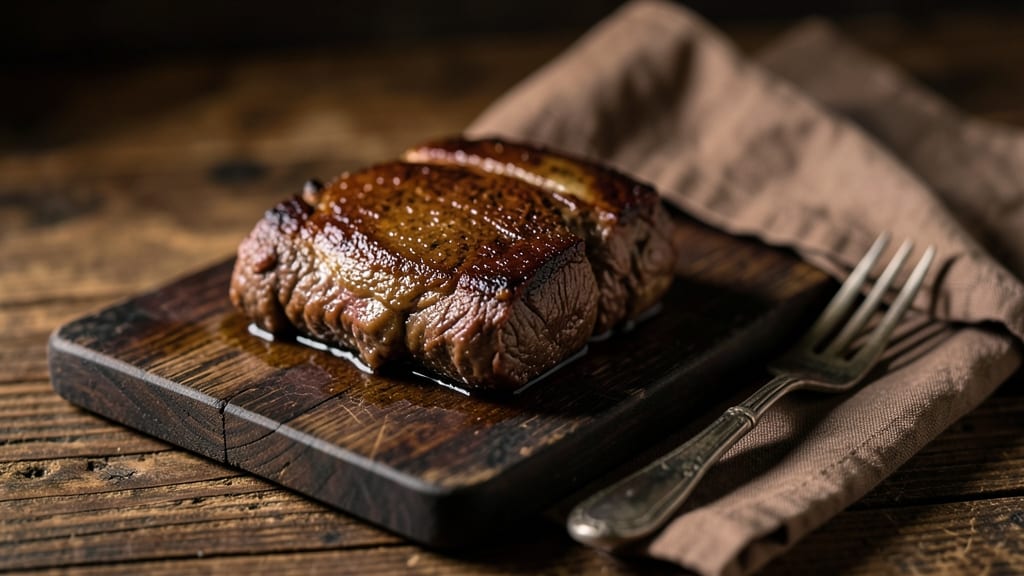
Creating a bold beef seasoning recipe that transforms ordinary cuts into restaurant-quality meals is simpler than you think. This versatile dry rub works as a dry rub for grilling, a marinade base, or even a finishing blend for roasted beef—its deep, savory flavors penetrate meat perfectly.
I developed this blend after years of testing, ensuring every tablespoon delivers maximum impact with minimal ingredients.
The secret lies in balancing smoky paprika, garlic powder, and onion powder for a foundational depth, while black pepper and salt create that essential savory punch. A touch of mustard powder adds complexity without overpowering, and cayenne brings just enough heat to make it exciting.
What makes this blend foolproof is its adaptability—use it on steaks, roasts, or even chicken for a beefy flavor profile.
With just six core ingredients, this seasoning mix is quick to prepare and lasts for months in an airtight container. The measurements are precise but flexible, so you can scale it up for bulk storage or down for single-use batches.
Whether you're grilling a ribeye or roasting a brisket, this blend ensures every bite is packed with flavor that lingers.
Store it in a cool, dark place, and you’ll always have a professional-quality seasoning at your fingertips. Ready to elevate your beef dishes? Here’s exactly how to make it.
Ingredients for beef seasoning
Six simple spices, maximum beefy flavor—this dry rub transforms every cut into a masterpiece.
| Ingredient | Amount | Notes |
|---|---|---|
| Smoked Paprika 🌶️ | 3 tbsp | High-quality smoked variety |
| Garlic Powder 🧄 | 2 tbsp | Freshly ground preferred |
| Onion Powder 🧅 | 2 tbsp | Diamond Crystal preferred |
| Mustard Powder 🍯 | 1 tbsp | Yellow or Dijon |
| Black Pepper 🌶️ | 1 ½ tbsp | Freshly cracked preferred |
| Kosher Salt 🧂 | 1 ½ tbsp | Diamond Crystal preferred |
| Cayenne Pepper 🔥 | ½ tbsp | Adjust for heat preference |
The smoked paprika is non-negotiable—it’s what gives this blend that deep, smoky character that works on everything from grilled steaks to roasted brisket. Penzeys or McCormick Gourmet are my go-tos for quality, but any reputable brand’s smoked variety will do. Freshly ground garlic and onion powders make a noticeable difference (trust me, the pre-ground stuff tastes flat), so if you’ve got a coffee grinder, toast and grind your own. The mustard powder adds that subtle tang that elevates it beyond basic meat seasoning—Dijon-style if you want extra depth. For the black pepper, crack it fresh if possible, or buy pre-ground from a brand that specifies 'freshly cracked' on the label.
No smoked paprika? Substitute regular paprika plus a pinch of liquid smoke—it’s not identical, but it gets you close in a pinch. Short on mustard powder? Dried mustard at half the amount works in a bind, though it’s less potent. Want to dial up the heat? Add another half teaspoon of cayenne. For a milder blend, reduce it to a quarter teaspoon. The salt should be kosher—Diamond Crystal or Morton’s are the gold standards, but any light, flaky salt works. If you’re using table salt, cut the amount by half. And if you’re really feeling adventurous, swap half the onion powder for celery salt—it adds a subtle, savory complexity that pairs perfectly with beef.
This blend keeps indefinitely in an airtight container in a cool, dark place—think spice drawer or pantry corner. For long-term storage, I like to portion it into small jars so I always have a ready-to-use batch. It’s worth making a double batch; once you start using this, you’ll find yourself reaching for it all the time. If you’re prepping for a big cookout, scale it up to 1 cup—just multiply all measurements by 4. And if you’re worried about clumping, add a silica gel packet to the jar. It’ll stay fresh and ready to transform your next beef dish into something extraordinary.
Why You'll Love This Recipe
- No-Measurement Stress: I’ve made this rub so many times, I could do it blindfolded—just dump the spices in order, whisk for 30 seconds, and you’re done. The smoked paprika and mustard powder alone give it that chef’s touch without requiring any fancy skills.
- Smoky Kick Without Guilt: That 3 tablespoons of smoked paprika and a half-teaspoon of cayenne deliver a flavor punch that tastes like a high-end steakhouse, not a shortcut. The mustard powder sneaks in a bright tang that keeps it from being just smoky—it’s layered, like a well-written story.
- Weeknight to Weekend Workhorse: Slap this on burgers for a Tuesday dinner, then use the same rub on a Sunday roast. It works on everything from quick grilled skirt steak to slow-cooked brisket—no extra recipes, no last-minute panic. (Yes, even on a Tuesday night.)
- Pantry Magic for Leftovers: Make a big batch once, and you’ve got flavor for months. Store it for 3 months in your cabinet or freeze it for 6—no wasted ingredients, no forgotten spices. A little goes a long way, so you’ll have enough for impromptu BBQs without breaking the bank.
Step-by-step instructions for bold dry rub for grilling and roasting
This blend transforms ordinary beef into restaurant-quality masterpieces—every time.
Combine the Base Dry Ingredients
In a medium bowl, whisk together the 2 tablespoons garlic powder and 2 tablespoons onion powder until fully integrated. I like to use a fork for this initial step—it prevents clumping and ensures even distribution. The garlic and onion powders form the aromatic foundation of the rub, so take your time here. You should see a fine, powdery mixture with no visible granules remaining.
Next, add the 3 tablespoons smoked paprika and the 1 tablespoon mustard powder. These ingredients bring depth and complexity—smoked paprika for that signature grilled flavor, and mustard powder for a subtle tang that cuts through the richness of beef. Whisk vigorously for another 30 seconds to ensure all the spices are evenly distributed throughout the base mixture.
Incorporate the Heat and Salt
Now comes the bold part: add the 1.5 tablespoons black pepper and 0.5 tablespoon cayenne pepper. The black pepper provides a sharp, robust heat, while the cayenne adds that signature kick. I always sift the cayenne through a fine-mesh strainer first to prevent any accidental clumps—nothing ruins a rub like a surprise bite of undissolved pepper.
Finally, add the 1.5 tablespoons kosher salt. This is where the magic happens—the salt enhances all the flavors and helps the rub adhere to the meat. Use your fingers to break up any salt crystals that might form, ensuring a uniform texture. At this point, you should have a cohesive, aromatic powder that smells like a perfect blend of smoky, spicy, and savory notes.
Test and Adjust for Perfection
Before storing, I always do a quick taste test. Sprinkle a small amount onto a piece of raw beef and let it sit for 5 minutes. The rub should cling to the meat, and when you taste it, you should notice a balanced blend of smokiness, heat, and saltiness. If the cayenne feels too intense, reduce it by ¼ teaspoon next time. If the rub tastes flat, increase the smoked paprika by ½ teaspoon for deeper flavor.
For best results, transfer the finished rub to an airtight container. Store it in a cool, dark place for up to 3 months, or freeze it for up to 6 months to preserve maximum freshness. This rub works wonders on everything from grilled steaks to roasted pork—just remember, a little goes a long way. Use 1-2 tablespoons per pound of meat for optimal flavor without overpowering the natural taste of the beef.
Pro Tips For Making Beef Seasoning
- Sift the Cayenne: I learned this the hard way—skipping this step means you’ll get a mouthful of undissolved pepper flakes mid-bite. Use a fine-mesh strainer before adding the 0.5 tbsp cayenne pepper, even if it looks powdery. That extra 10 seconds saves you from ruined texture.
- Whisk Like You Mean It: The 3 tbsp smoked paprika and 1 tbsp mustard powder won’t blend themselves. After mixing the garlic and onion powders, give that bowl a good 30-second whisking—don’t just stir. You want zero visible specks, or your rub will taste like a lazy chef’s shortcut.
- Finger-Crush the Salt: The 1.5 tbsp kosher salt is the glue holding this rub together, but clumps ruin everything. After adding it, rub the mixture between your fingers to break up any crystals. Yes, it’s messy, but your steak’s crust depends on it.
- Taste Before You Commit: Sprinkle a pinch on raw beef and wait 5 minutes—that’s the only way to know if the 0.5 tbsp cayenne pepper needs cutting or if you’re craving more 3 tbsp smoked paprika. Adjust now, not after you’ve already seasoned the whole cut.
Dietary considerations for this beef seasoning
Gluten-Free Adaptations
This beef seasoning blend is naturally gluten-free since it contains no wheat-based ingredients. However, always double-check your garlic powder and onion powder labels—some brands process their powders in facilities that also handle gluten-containing products.
I recommend Penzeys or Simply Organic brands, which clearly label their products as gluten-free. For extra safety, store your seasoning in a dedicated gluten-free container to prevent cross-contamination. 🌾
Low-Sodium Options
If you're watching your sodium intake, reduce the 1.5 tablespoons kosher salt to 1 teaspoon while keeping all other ingredients the same. For even lower sodium, substitute with 1 teaspoon smoked paprika and ½ teaspoon garlic powder to maintain flavor depth.
I also recommend using no-salt-added beef when applying the seasoning to keep your meal balanced. 🧂
Spice Allergy Considerations
For those with spice allergies, this blend can be modified by omitting the cayenne pepper entirely. If you're sensitive to mustard, simply leave out the 1 tablespoon mustard powder—the remaining spices still deliver bold flavor.
Always test a small amount of the seasoning on a tiny piece of meat first to ensure no adverse reactions occur. I’ve found that smoked paprika and black pepper alone provide plenty of depth for those avoiding specific allergens. 🚫
Vegetarian/Plant-Based Uses
While this seasoning is designed for beef, it works beautifully on plant-based proteins like portobello mushrooms, tofu, or beyond meat crumbles. The smoky, spicy profile enhances the umami notes in these alternatives.
For mushrooms, apply the rub generously and roast at 400°F for 20-25 minutes until tender. I’ve even used it on grilled tempeh with fantastic results—just marinate for 15 minutes before cooking. 🌱
Heat-Free Version
To create a milder version, reduce the 0.5 tablespoon cayenne pepper to ¼ teaspoon or omit it entirely. For a completely heat-free blend, substitute the cayenne with an extra ½ teaspoon smoked paprika to maintain depth without the spice.
This version works perfectly for children or sensitive palates while still delivering that signature smoky, savory flavor. 🌶️➡️🌿
Storage for Dietary Needs
For those with dietary restrictions, store your seasoning in airtight containers with labels indicating any modifications (e.g., "Low-Sodium" or "Gluten-Free"). I keep separate batches of each variation to avoid confusion.
The blend remains shelf-stable for 3 months at room temperature or 6 months in the freezer, making it perfect for meal prep. Always check ingredient labels periodically, as processing methods can change. ✨
Nutrition facts
Frequently asked questions
Can I use this beef seasoning on chicken or pork instead of beef?
This versatile blend works beautifully on chicken, pork, and even plant-based proteins. For poultry, use 1 tablespoon per pound and let it marinate for 30 minutes before cooking. On pork, apply generously and roast or grill as usual—the smoky depth enhances the meat's natural sweetness.
How do I prevent clumping when storing the seasoning?
Store your seasoning in an airtight container with a silica gel packet to absorb moisture. Avoid glass jars without seals, as condensation can form. For extra protection, keep it in a cool, dark pantry away from heat sources. If clumps form, simply crush them with a fork before using.
What's the best way to test if the seasoning is balanced?
Sprinkle a small amount on raw beef and let it sit for 5 minutes. The rub should cling evenly, and when you taste it, you should detect all three key flavors: smoky, savory, and a subtle heat. If one flavor dominates, adjust next time—reduce cayenne for less heat or add more smoked paprika for deeper flavor.
Can I make this seasoning without smoked paprika?
Yes, but the flavor will be less smoky. Replace the 3 tablespoons smoked paprika with 2 tablespoons regular paprika plus ½ teaspoon liquid smoke. For best results, use freshly ground black pepper and extra garlic powder to compensate for the missing depth. The blend will still be flavorful, just with a different profile.
How much seasoning should I use for a whole roast?
For a whole roast (like a prime rib), use 2-3 tablespoons of this seasoning, applied generously to all sides. Since roasts take longer to cook, the rub has more time to penetrate. For extra flavor, apply half before roasting and sprinkle the remaining half during the last 30 minutes of cooking.