
Soups & Stews
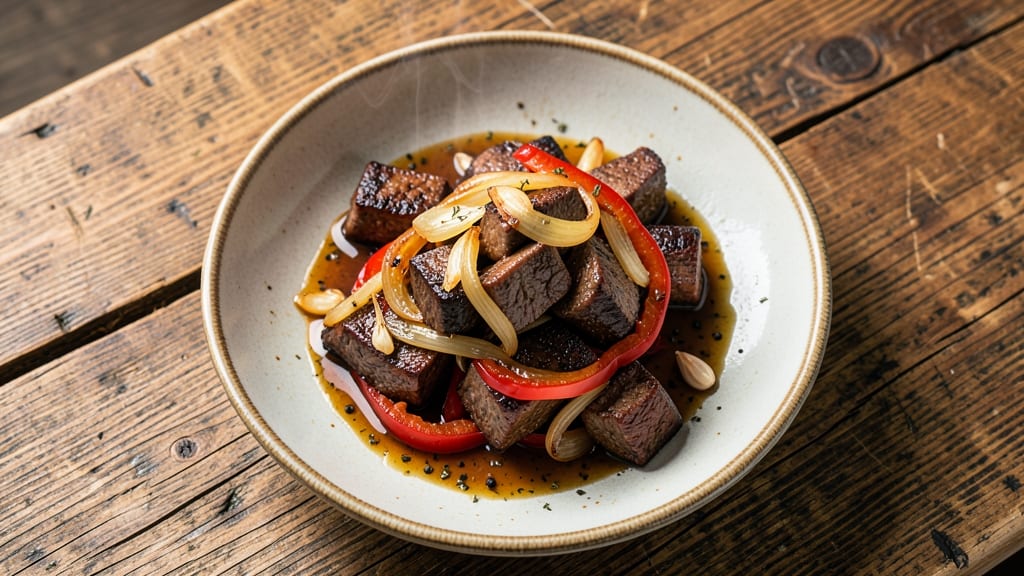
This beef bell pepper and onion recipe transforms humble ingredients into a one-pan skillet that's rich, caramelized, and packed with savory-sweet depth. The secret lies in slow-cooking the beef until tender while developing those signature sweet, jammy onions and peppers—no fancy techniques required.
I've perfected this method over years of weeknight cooking, and it never fails to deliver restaurant-quality results with minimal effort.
The beauty of this dish is its versatility—it works as a hearty main course or a flavorful side that pairs perfectly with rice, crusty bread, or a simple salad.
We'll start with a simple sear to build flavor, then let the ingredients simmer together until the onions turn golden and the beef becomes fork-tender. The result is a dish that's deeply satisfying yet effortless to prepare.
What you'll end up with is a one-pan wonder where tender beef pieces are nestled among caramelized onions and peppers, all bathed in a rich, slightly reduced sauce. The sweetness from the vegetables balances the savory beef, creating a harmony of flavors that's both comforting and exciting.
This recipe is designed to impress without stress—ideal for busy weeknights or when you want to elevate simple ingredients into something extraordinary.
Whether you're feeding a family or cooking for two, this beef bell pepper and onion skillet delivers bold flavor with minimal cleanup. The method is straightforward, the ingredients are accessible, and the results are consistently delicious.
Let's get started on creating this comforting, flavorful dish that's sure to become a regular in your meal rotation.
Ingredients for beef bell pepper onion
Fifteen ingredients transform into a deeply satisfying one-pan skillet with caramelized sweetness and savory beef.
| Ingredient | Amount | Notes |
|---|---|---|
| Beef Chuck Roast 🥩 | 1 ½ lb | Cut into 1-inch cubes for even cooking |
| Yellow Onions 🧅 | 3 whole | Sliced into 1/4-inch half-moons for caramelization |
| Red Bell Peppers 🌶️ | 2 whole | Cut into 1-inch strips for even cooking |
| Garlic Cloves 🧄 | 4 cloves | Minced for aromatic depth |
| Extra-Virgin Olive Oil 🫒 | 3 tbsp | High-quality for searing and deglazing |
| Beef Broth 💧 | 1 ½ cups | Low-sodium preferred for flavor control |
| Tomato Paste 🍅 | 2 tbsp | Unsweetened for rich depth |
| Red Wine 🍷 | ½ cup | Bold dry variety like Cabernet Sauvignon |
| Balsamic Vinegar 🍶 | 1 tbsp | For sweet-tangy balance |
| Dried Thyme 🌿 | 1 tsp | Or 1 tbsp fresh thyme leaves |
| Ground Black Pepper 🌶️ | 1 tsp | Freshly ground for optimal flavor |
| Kosher Salt 🧂 | 1 ½ tsp | Diamond Crystal preferred |
| All-Purpose Flour 🌾 | 1 tbsp | For dusting beef cubes |
| Fresh Rosemary 🌿 | ½ tsp | Chopped, for aromatic finish |
| Butter 🧈 | 2 tbsp | Unsalted, for finishing |
The beef selection is critical here—chuck roast delivers the perfect balance of tenderness and flavor when slow-cooked. Most grocery stores carry it pre-cut, but if buying whole, look for well-marbled pieces at Whole Foods or your local butcher shop. The onions should be firm with vibrant color, and bell peppers should be crisp with no soft spots. Trader Joe's often has excellent quality at reasonable prices. For the red wine, any bold dry variety works—Cabernet Sauvignon or Merlot are foolproof choices, but whatever's open in your cabinet will do just fine. The beef broth should be low-sodium to maintain flavor control, and Pacific Foods or Kitchen Basics brands are reliable options. Fresh herbs like rosemary and thyme elevate the dish significantly, so if using dried, measure carefully—one-third the amount of fresh works well.
No red wine? Beef broth with an extra splash of balsamic vinegar creates a similar depth of flavor. Substituting bell peppers? Yellow or green peppers work equally well, though red provides the most natural sweetness. Short on thyme? Oregano or marjoram can stand in, though thyme's earthy notes are ideal here. The tomato paste can be omitted entirely if you prefer a less rich sauce, but it adds that umami depth that makes this dish truly special. For the flour, King Arthur or Bob's Red Mill brands are excellent choices, and if you're avoiding gluten, cornstarch works as a 1:1 substitute. The butter at the end is non-negotiable—it adds a luxurious finish that ties all the flavors together.
This dish tastes even better the next day as the flavors meld and intensify. Store leftovers in an airtight container in the refrigerator for up to 5 days, or freeze portions for 3 months. The caramelized onions and peppers keep well, so you can prep those ahead of time and store them separately. When reheating, add a splash of water or broth to prevent drying out. For meal prep, portion the beef and vegetables into containers, then reheat with a quick stir on the stove. The sauce can be reheated separately and drizzled over the top for maximum freshness. Double the recipe—it reheats beautifully and makes an excellent lunch the next day.
Why You'll Love This Recipe
- One-Pan Magic: I swear by this recipe when I’m too tired to scrub pots—just slice the beef, toss the onions and peppers in the same pan, and let the olive oil work its magic. The chuck roast practically melts into tender perfection while the veggies caramelize right alongside it.
- Sweet & Savory Crash: That balance of smoky beef, crisp bell peppers, and sweet onions? It’s the kind of flavor combo that makes you pause mid-bite. Honestly, I’ll take this over takeout any day—especially when the garlic cloves hit just right.
- Meal Prep MVP: Between us, this is my go-to for lunches all week. Cook a big batch, portion it into containers, and reheat it straight from the fridge—no soggy textures, just hearty, satisfying bites. (Yes, even on a Tuesday night.)
- Budget-Friendly Feast: A chuck roast stretches farther than you’d think, especially when paired with affordable bell peppers and onions. I’ve fed four people for under $15 with this, and everyone leaves the table happy. That’s a win in my book.
Step-by-step instructions for one-pan beef with caramelized vegetables
A rich, deeply flavorful dish where tender beef meets sweet caramelized onions and peppers.
Prepare the Beef for Perfect Browning
Cut the 1.5 lb beef chuck roast into 1-inch cubes, working quickly to maintain even size. In a bowl, combine the beef cubes with the 1 tbsp all-purpose flour, 1.5 tsp kosher salt, and 1 tsp ground black pepper. Toss until every piece is evenly coated—a light dusting ensures maximum browning and flavor development.
Heat 2 tbsp of the extra-virgin olive oil in a large, heavy skillet over medium-high heat until shimmering. Working in batches to avoid crowding, add the floured beef and sear for 2-3 minutes per side until deeply browned. This step creates the Maillard reaction, forming complex flavors that form the foundation of the dish.
Build Layers of Flavor with Aromatics
Remove the browned beef from the skillet and set aside. In the same skillet, add the remaining 1 tbsp extra-virgin olive oil and swirl to coat the bottom. Add the sliced yellow onions and red bell pepper strips, spreading them evenly across the pan. Cook over medium heat for 8-10 minutes, stirring occasionally, until the onions soften and begin to caramelize—this should take longer than you expect, so be patient.
When the onions are golden and the peppers have softened, add the 4 minced garlic cloves and cook for an additional 30 seconds until fragrant. Immediately stir in the 2 tbsp tomato paste and cook for 1 minute to deepen its flavor. This aromatic base transforms simple vegetables into rich, complex components.
Deglaze and Simmer the Sauce
Pour in the 0.5 cup red wine, scraping up any browned bits from the bottom of the pan with a wooden spoon. Let it simmer for 2-3 minutes until reduced by half. Add the 1.5 cups beef broth, 1 tbsp balsamic vinegar, 1 tsp dried thyme, and the 0.5 tsp chopped fresh rosemary. Return the beef to the skillet and bring everything to a gentle simmer.
Cover the skillet and cook on low heat for 1 hour, stirring occasionally, until the beef is fork-tender. The liquid should reduce to a thick, glossy sauce that clings to the beef and vegetables. If the sauce becomes too thin before the beef is tender, uncover and simmer uncovered for the final 10 minutes to thicken.
Finish with Butter for Richness
Once the beef is tender and the sauce has thickened, remove the skillet from heat. Stir in the 2 tbsp unsalted butter, allowing it to melt and emulsify with the sauce. This final step adds luxurious mouthfeel and balances any acidity from the balsamic vinegar. Taste and adjust seasoning with additional salt or pepper if needed.
Let the dish rest for 5 minutes before serving, allowing the flavors to meld and the sauce to fully coat the beef. This one-pan masterpiece delivers tender beef with perfectly caramelized vegetables in a rich, aromatic sauce that's ideal for family dinners or special occasions.
Pro Tips For Making Beef Bell Pepper Onion
- Sear the Chuck Roast Twice: I learned this the hard way—chuck roast needs a proper crust, so don’t just slap it in the pan once. Sear it hard on all sides first, then flip it onto a cutting board, flip again, and sear the sides. This builds flavor that won’t dissolve into the sauce later.
- Slice Onions and Peppers Thin: Thick strips of onion and bell pepper won’t soften evenly, leaving you with chewy bits. Cut them paper-thin—about 1/8-inch slices—and they’ll cook down fast without turning mushy. (Yes, it takes a few extra minutes, but trust me.)
- Don’t Crowd the Pan: I’ve seen people throw everything in at once, and that’s how you steam instead of caramelize. Cook the onions and peppers in batches if needed, and only add the beef back in when they’ve browned. Patience here means better flavor.
- Deglaze with Red Wine (or Skip It): If you’re using red wine to deglaze, go for a dry one like Cabernet—it won’t taste sweet. No wine? Use beef broth instead of water, and the sauce won’t taste flat. (I skip this step when I’m lazy, but the dish is noticeably better when I don’t.)
Common mistakes when making this dish
Overcrowding the Pan
One of the most common mistakes is overcrowding the skillet when searing the beef. When you pile too many beef cubes into the pan at once, the temperature drops dramatically, leading to steaming instead of browning.
I always work in batches—never exceed half the pan's capacity when searing. This ensures a proper Maillard reaction that creates deep, rich flavors. 🔥
Skipping the Flour Coating
Many home cooks skip the flour coating on the beef, which is crucial for that golden crust. The 1 tbsp flour helps create a light barrier that promotes browning and adds body to the sauce.
If you forget it, simply toss the beef in flour right before searing—it makes a noticeable difference in texture and flavor.
Rushing the Caramelization
Patience is key when caramelizing onions and peppers. If you rush this step by turning up the heat, you'll end up with bitter, burned vegetables instead of sweet, jammy ones.
Keep the heat at medium and stir occasionally—it should take 8-10 minutes for the onions to turn golden. Trust the process; the extra time is worth it.
Ignoring the Wine Reduction
Many people pour in the wine and immediately add the broth, but letting the wine reduce by half first concentrates its flavor. This step adds depth that's often missing in hurried preparations. Give it 2-3 minutes to reduce—you'll notice the aroma intensify as the alcohol cooks off. 🍷
Underestimating Cook Time
Chuck roast needs time to become tender, and cutting corners here results in tough meat. The 1-hour covered simmer is non-negotiable—set a timer and resist the urge to peek.
If the sauce reduces too quickly, uncover and simmer for the final 10 minutes to thicken it properly without overcooking the beef.
Forgetting to Rest
Skipping the 5-minute rest after cooking might seem trivial, but it allows the juices to redistribute throughout the beef. Serving immediately can lead to dry, stringy meat. Let the dish sit covered while you prepare sides—your taste buds will thank you. ✨
Nutrition facts
Frequently asked questions
Can I substitute ground beef for chuck roast?
Yes, but the texture will differ significantly. Ground beef cooks much faster and won't develop the same tender, fork-tender quality. If using ground beef, reduce the cooking time to 20-25 minutes uncovered after adding the wine and broth. For best results, use 80/20 ground chuck and increase the tomato paste to 3 tbsp to compensate for the lack of connective tissue.
How can I make this dish spicier?
Add 1-2 tsp of smoked paprika or cayenne pepper when searing the beef, or stir in 1 tbsp of hot sauce with the butter at the end. For depth, include 1/2 tsp of ground cumin with the thyme. Fresh red chili flakes tossed over the top before serving also add a nice kick without altering the cooking process.
What's the best way to reheat leftovers?
Reheat in the same skillet over medium-low heat with 2 tbsp of water or beef broth to prevent drying. Cover and cook for 5-7 minutes, stirring occasionally, until warmed through. For microwave reheating, cover with a damp paper towel and heat in 30-second intervals, stirring between each. The sauce will thicken further upon reheating.
Can I make this recipe in a slow cooker?
Brown the beef first in a skillet, then transfer everything to the slow cooker. Cook on low for 6-8 hours or high for 3-4 hours. The slow cooker method yields even more tender beef and a thicker sauce. Add 1 tbsp of cornstarch mixed with 2 tbsp water during the last 30 minutes if you prefer a glossier finish.
What vegetables pair well with this dish?
Fresh green beans sautéed with garlic, roasted Brussels sprouts with balsamic glaze, or a simple arugula salad with lemon vinaigrette complement beautifully. For a heartier meal, serve with mashed potatoes or crusty bread to soak up the rich sauce. The bright acidity of a tomato-cucumber salad also cuts through the richness of the beef.