
Soups & Stews
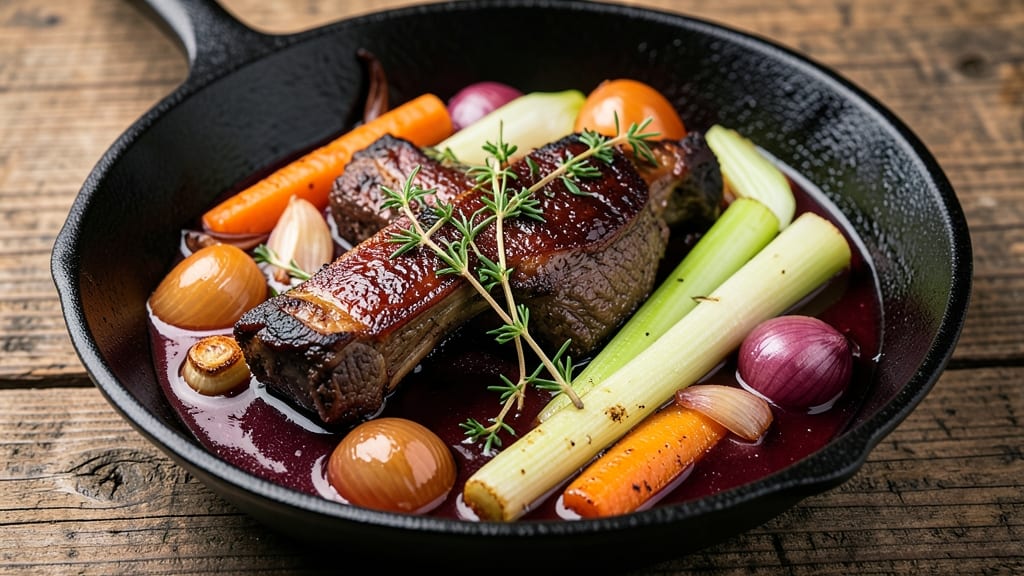
This beef base au jus recipe transforms simple pantry ingredients into a deeply flavorful liquid that elevates braised meats and pan sauces. The secret lies in slow-roasting beef bones and simmering them with aromatic vegetables until the liquid reduces to a rich, concentrated base—far more complex than store-bought bouillon.
I developed this method after struggling with thin, watery gravies that couldn’t stand up to hearty roasts.
The process begins with browning beef bones and vegetables in a Dutch oven, developing a Maillard crust that forms the foundation of flavor. As the mixture simmers for hours, the collagen breaks down into gelatin, creating a velvety texture that clings to every bite.
A splash of red wine and a bouquet garni elevate the depth, while a final reduction ensures the sauce thickens just enough to coat without overpowering.
What you’ll end up with is a versatile, restaurant-quality au jus that’s perfect for basting roasts, finishing steaks, or serving alongside braised short ribs. The aroma alone—smoky, savory, with hints of caramelized onion and thyme—will have everyone asking for seconds.
Unlike pre-made bases, this version builds flavor layer by layer, ensuring every spoonful delivers that deep-roasted richness you crave.
Use it immediately for pan sauces or store it in the freezer for up to 3 months. The key to success? Patience—rushing the reduction will leave you with a thin, flavorless liquid. Let the sauce work its magic, and you’ll have a foolproof foundation for any braised dish.
Ingredients for beef base au jus
Deep-roasted beef bones and aromatic vegetables create this restaurant-quality au jus base.
| Ingredient | Amount | Notes |
|---|---|---|
| Beef Bones (Knuckle or Neck) 🦴 | 2 lb | Raw, uncooked, marrow-rich preferred |
| Yellow Onions 🧅 | 2 whole | Yellow or red, cut into chunks |
| Carrots 🥕 | 3 whole | Medium size, peeled and chopped |
| Celery Stalks 🌿 | 4 whole | Fresh, stringy parts trimmed |
| Garlic Cloves 🧄 | 6 cloves | Peeled, smashed for deeper flavor |
| Fresh Thyme Sprigs 🌿 | 4 whole | Stems intact for bouquet garni |
| Fresh Parsley Sprigs 🌿 | 2 whole | For bouquet garni and garnish |
| Bay Leaves 🍃 | 2 whole | Dried, standard grocery store |
| Dry Red Wine 🍷 | 1 cup | Bold Cabernet or Merlot, no sugar |
| Beef Broth 💧 | 4 cups | Homemade or high-quality store-bought |
| Olive Oil 🫒 | 2 tbsp | Extra-virgin for initial searing |
| Salt 🧂 | 1 ½ tsp | Diamond Crystal kosher salt |
| Black Peppercorns 🌶️ | ½ tsp | Freshly cracked for intensity |
The bones are everything here—knuckle or neck bones give the richest flavor, but marrow bones work too if that's what you've got. Costco and Whole Foods usually stock them, or ask your butcher to save the bones from your next roast. Look for bones with good marrow—tap them gently, and if they sound hollow, they're prime. The vegetables should be fresh but don't need to be perfect; brown spots on carrots or celery won't ruin the sauce. For the thyme and parsley, grab fresh bundles—they're cheaper per ounce than pre-packaged sprigs and keep longer in the fridge.
No red wine? Dry sherry or extra beef broth works in a pinch, but the acidity helps balance the richness. Short on bones? Add 1 cup of beef stock powder to the broth, but you'll lose some depth. The bouquet garni (thyme, parsley, bay leaves) can be tied with kitchen twine or wrapped in cheesecloth—no fancy tools needed. For extra richness, roast the vegetables and bones for 30 minutes before adding liquid, but even skipping that step gives great results. The key is patience—rushing the reduction means flavorless au jus.
This keeps for 3 months in the freezer, but it's best used fresh. Portion into ice cube trays for easy use—just pop out what you need. For a quicker version, use store-bought beef stock instead of bones, but you'll miss that deep, caramelized flavor. If you make a big batch, freeze in 1-cup portions—perfect for finishing steaks or braising later. The aroma when reheating? That's when you know it worked.
Why You'll Love This Recipe
- One-Pot Magic: I swear by this—just toss bones, veggies, and water in one pot, walk away, and come back to liquid gold. No straining, no fussing, just deep, rich flavor that builds itself.
- Umami Bomb: That first sip? Chef’s kiss. The knuckle bones melt into the broth, releasing collagen that turns your au jus into something velvety and addictive—like a hug in a bowl.
- Leftovers That Shine: Strain it, store it, and use it for everything—dipping for fries, glaze for roasted veggies, or the star of your next stir-fry. Honestly, I make a double batch just to have it on hand.
- Budget-Friendly Luxury: Beef bones are the secret weapon here—cheaper than steak but packed with flavor. A single batch feeds the whole week, and the carrots/celery add sweetness without breaking the bank.
Step-by-step instructions for beef base au jus
This method transforms humble bones into a velvety, deeply flavorful base perfect for braising and gravies.
Sear the Beef Bones Until Deeply Browned
Preheat your oven to 425°F. Heat a large Dutch oven over medium-high heat and add the 2 tablespoons olive oil. Place the 2 lb beef bones in the pot, bone-side down, and sear undisturbed for 10-12 minutes until they develop a deep, mahogany brown crust. This caramelization is the foundation of your flavor.
I like to rotate the bones halfway through to ensure even browning. If the oil starts smoking excessively, reduce the heat slightly—you want a slow, steady sear, not a char. Once properly browned, transfer the bones to a plate and set aside. The rendered fat in the pot will become part of your base, so don't drain it.
Build the Vegetable Base with Aromatics
In the same Dutch oven, add the 2 whole yellow onions, 3 whole carrots, and 4 whole celery stalks, all cut into 1-inch chunks. Cook over medium heat for 8-10 minutes, stirring occasionally, until the vegetables begin to soften and take on color. This process, called "sweating," draws out their natural sweetness and flavors.
Add the 6 cloves garlic cloves (smashed but not minced) and cook for another 2 minutes until fragrant. The garlic should just begin to turn golden—don't let it brown or it'll turn bitter. This is where the magic happens: the combination of caramelized vegetables and garlic creates a complex, savory foundation.
Deglaze with Wine and Add Herbs
Pour in the 1 cup dry red wine and scrape up any browned bits from the bottom of the pot with a wooden spoon. These bits, called fond, are packed with flavor. Let the wine simmer for 3-4 minutes until it reduces by half and the alcohol burns off, leaving behind rich, concentrated flavors.
Tie the 4 whole fresh thyme sprigs, 2 whole fresh parsley sprigs, and 2 whole bay leaves together with kitchen twine to form a bouquet garni. Add this to the pot along with the 1.5 teaspoons salt and 0.5 teaspoon black peppercorns. The herbs will infuse the base with aromatic depth as it simmers.
Simmer with Broth for Deep Flavor Extraction
Pour in the 4 cups beef broth and return the seared beef bones to the pot. Bring the mixture to a gentle simmer, then reduce heat to medium-low and cover partially. Let it cook for 2-2.5 hours, skimming off any foam or impurities that rise to the surface with a fine-mesh skimmer. This step is crucial for extracting collagen from the bones and creating a rich, gelatinous base.
After 2 hours, check the consistency. The base should be thick and syrupy, coating the back of a spoon. If it's too thin, continue simmering uncovered for another 15-20 minutes to reduce further. The bones should be tender enough to pull apart with a fork, indicating all the flavor has been extracted.
Strain and Finish for Silky Texture
Remove the bouquet garni and strain the base through a fine-mesh sieve into a clean saucepan. Discard the solids in the sieve. Return the strained base to the saucepan and simmer over low heat for 10-15 minutes to reduce it to your desired consistency. For a gravy-like texture, reduce until it coats the back of a spoon; for a lighter base, stop earlier.
Taste and adjust seasoning with additional salt or pepper if needed. The base should be rich, deeply savory, and slightly sweet from the caramelized vegetables. Let it cool slightly before using—it will thicken further as it sits. This base can be used immediately or stored in the refrigerator for up to 5 days or frozen for 3 months for future braising and gravy applications.
Pro Tips For Making Beef Base Au Jus
- Char the Bones First: I learned this the hard way—skipping the sear means a pale, bland base. Get those beef bones screaming hot in a dry pot for 10-15 minutes until they’re deep brown, almost black in spots. That crust isn’t just for looks; it’s where all the rich, meaty flavor hides.
- Cut Onions in Big Chunks: No need for tiny dice here—chunk those yellow onions into ½-inch pieces. They’ll soften faster, release flavor more evenly, and you’ll spend less time stirring. (Yes, even if you’re impatient like me, trust the process.)
- Don’t Rush the Simmer: After adding liquid, let the base bubble gently for at least 3 hours—4 if you can. I used to skimp at 2 hours, and the result was always thin and weak. Low and slow breaks down the collagen, turning tough bones into silky richness.
- Save the Celery Leaves: Toss those scraggly celery leaves into the pot with the stalks—they’re packed with flavor and add depth without extra effort. (Your future self will thank you for not tossing them.)
Creative variations of this dish
French Classic Approach
Channel traditional French bistro techniques by adding 1 tablespoon tomato paste when deglazing with wine. This creates a deeper, slightly tangy base perfect for classic French dishes like boeuf bourguignon or coq au vin.
I like to simmer the tomato paste for 5 minutes before adding the bouquet garni to meld flavors. For extra richness, whisk in 1 tablespoon cold butter at the end—this emulsifies the sauce for a velvety finish. 🍷
Italian-Inspired Tomato Twist
Brighten your au jus with Italian flair by adding ½ cup crushed San Marzano tomatoes along with the wine during deglazing. This works beautifully with Italian braised meats like osso buco or beef short ribs.
After simmering the bones, strain the base and reduce it with 1 tablespoon balsamic vinegar for 5 minutes before serving. The acidity cuts through the richness while adding complexity. 🍅
Smoky BBQ Fusion
Transform your au jus into a smoky BBQ sauce by adding 1 tablespoon smoked paprika and ½ teaspoon chipotle powder when simmering the broth. Deglaze with ½ cup apple cider vinegar instead of wine for a tangy kick.
This version pairs perfectly with smoked brisket or pulled pork sandwiches. For extra depth, finish with 1 teaspoon brown sugar to balance the heat. 🔥
Asian-Inspired Ginger-Garlic
Infuse your base with Asian flavors by adding 1 tablespoon fresh ginger (grated) and 2 extra garlic cloves when sweating the vegetables. Replace the red wine with 1 cup dry sherry and add 1 teaspoon soy sauce during the final reduction.
This works wonderfully with Asian-inspired braised beef dishes or as a dipping sauce for dumplings. Garnish with sliced green onions and sesame seeds. 🌶️
Spicy Cajun Style
Give your au jus a Louisiana kick by adding 1 teaspoon Cajun seasoning (like Tony Chachere's) when simmering the broth. Deglaze with ½ cup hot sauce (like Crystal) instead of wine for a fiery twist.
This version pairs perfectly with Cajun-style beef dishes like smothered beef or blackened steak. Finish with chopped green onions and a dash of hot sauce for serving. 🌶️
Mushroom-Enhanced Depth
Add earthy richness by sautéing 8 oz cremini mushrooms (sliced) with the vegetables in Step 2. After deglazing with wine, add 1 tablespoon mushroom powder (optional but adds umami depth) and simmer as usual.
This version works beautifully with mushroom-stuffed beef dishes or as a sauce for braised beef tenderloin. The mushrooms add a meaty texture and deep, savory flavor. 🍄
Nutrition facts
Frequently asked questions
Can I substitute beef bones with other meats?
While beef bones are ideal for their rich marrow and gelatin, you can use chicken or turkey bones for a lighter version. For pork, use pork trotter or knuckle bones and add ½ teaspoon juniper berries for authentic depth. Avoid fish bones—they create a very different flavor profile. The key is using bones with good marrow or collagen for that velvety texture.
How do I fix thin au jus?
If your sauce is too thin after simmering, reduce it further by simmering uncovered for 10-15 extra minutes or whisk in 1 tablespoon cornstarch mixed with cold water. For a quicker fix, add 1 tablespoon cold butter or 1 teaspoon beef gelatin dissolved in warm water. The sauce should coat the back of a spoon when properly thickened.
Can I make this au jus in a slow cooker?
Yes! Brown the bones and vegetables first in a skillet, then transfer everything to a 6-quart slow cooker. Add the wine, broth, and herbs, then cook on low for 8-10 hours or high for 4-5 hours. The slow cooker extracts collagen more gently, resulting in a slightly thinner but still flavorful base. Strain and reduce as directed.
What's the best way to store leftover au jus?
Let the au jus cool completely, then store it in an airtight container in the fridge for up to 5 days or freeze for 3 months. For easy use later, portion into ice cube trays—just pop out what you need when finishing dishes. Reheat gently over low heat and stir occasionally to prevent skin from forming.
Why does my au jus smell like alcohol even after cooking?
This happens when the wine hasn't fully reduced (it needs to simmer until it's half its original volume). The alcohol burns off completely at 160°F, so ensure your base reaches at least a gentle simmer for 5+ minutes after adding wine. For extra insurance, add 1 teaspoon lemon juice—it helps neutralize any lingering alcohol notes.