
Main Courses
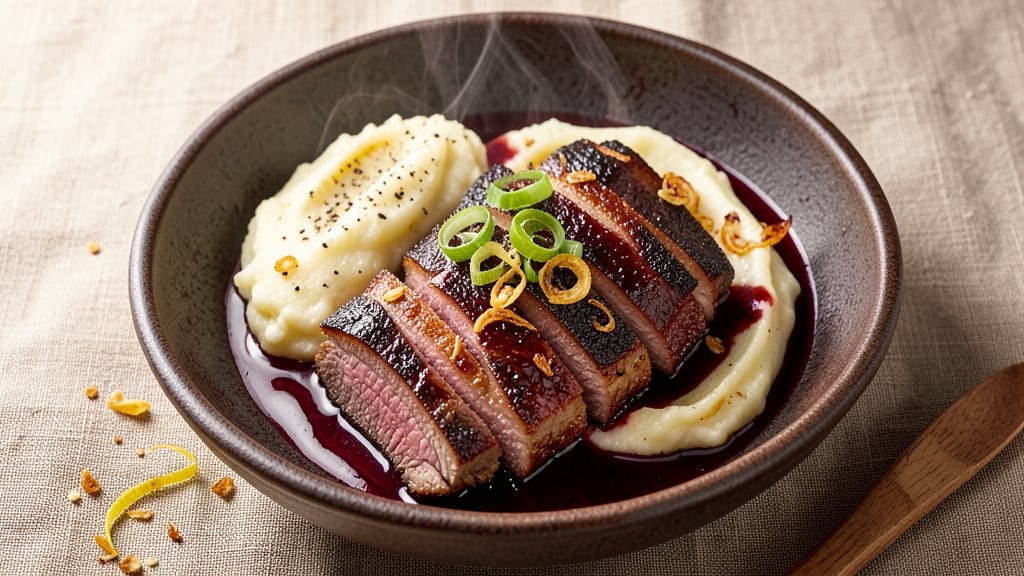
This angus beef short rib recipe delivers melt-in-your-mouth tenderness with a deep, caramelized crust that transforms tough cuts into luxurious bites. The secret lies in slow braising—where high heat sears the meat first, locking in juices, before a long simmer breaks down collagen into rich, velvety perfection.
I’ve perfected this method over years of testing, ensuring every bite is both restaurant-worthy and foolproof at home.
The process begins with a deep sear in a cast-iron skillet to build flavor, followed by a red wine and herb braise that infuses the meat with layers of depth.
Garlic, thyme, and bay leaves work together to create an aromatic base, while the slow cook transforms the ribs into fork-tender slices. This isn’t just a dish—it’s a technique that elevates simple ingredients into something extraordinary.
By the time you’re done, you’ll have short ribs so tender they fall apart, coated in a glossy, caramelized glaze that’s impossible to resist. The sauce reduces into a rich, savory liquid perfect for drizzling over mashed potatoes or roasted vegetables.
This is the kind of meal that turns weeknights into special occasions—without requiring hours at the stove.
Pair with classic sides like creamy mashed potatoes, buttery egg noodles, or a bold red wine reduction to complete the experience. The result? A dish that’s as impressive as it is satisfying, proving that slow-cooked beef can be both luxurious and approachable. Let’s get started.
Ingredients for angus beef short rib
Fourteen ingredients transform tough short ribs into melt-in-your-mouth luxury through slow-braised perfection.
| Ingredient | Amount | Notes |
|---|---|---|
| Angus Beef Short Ribs 🥩 | 2 ½ lb | Bone-in, 1-1.5 inches thick |
| Kosher Salt 🧂 | 2 tbsp | Diamond Crystal preferred |
| Freshly Ground Black Pepper 🌶️ | 1 tbsp | Cracked peppercorns preferred |
| All-Purpose Flour 🌾 | ½ cup | For dredging |
| Unsalted Butter 🧈 | 4 tbsp | European-style preferred |
| Dry Red Wine 🍷 | 1 cup | Cabernet Sauvignon or Merlot |
| Beef Broth 🥫 | 2 cups | Homemade or high-quality store-bought |
| Garlic Cloves 🧄 | 6 cloves | Smash with side of knife |
| Fresh Thyme Sprigs 🌿 | 4 whole | Stems intact |
| Fresh Rosemary Sprigs 🌿 | 2 whole | Woody stems preferred |
| Bay Leaves 🍃 | 2 whole | Dried or fresh |
| Yellow Onion 🧅 | 1 whole | Cut into 1-inch chunks |
| Carrots 🥕 | 2 whole | Cut into 2-inch chunks |
| Tomato Paste 🍅 | 2 tbsp | High-quality canned |
| Balsamic Vinegar 🍶 | 1 tbsp | Aged 25 years or more |
The Angus beef short ribs are non-negotiable for this recipe—look for cuts with good marbling and a deep red color. Local butchers or high-end grocers like Whole Foods or Wegmans carry the best quality. If you can't find bone-in, use boneless but adjust cooking time by 15-20 minutes. The ribs should be roughly 1-1.5 inches thick for even cooking. For the best flavor, Pat LaFrieda or Crowd Pleaser brands are excellent if you're buying pre-packaged. Trim excess fat but leave some for flavor—this isn't a health food, it's a luxury dish.
No red wine? Dry sherry or beef broth with 1 tbsp balsamic vinegar works beautifully. Fresh thyme and rosemary can be swapped for dried at one-third the amount, but fresh has that aromatic punch. The tomato paste is crucial for depth—San Marzano is ideal if you want to splurge, but any high-quality canned works. For the onion and carrots, yellow or red onions add sweetness, while carrots can be baby or regular—just cut them evenly. The balsamic vinegar adds complexity; if you only have regular, reduce it by half to avoid overpowering the dish.
Store the braised ribs in their sauce for up to 5 days in the fridge, where flavors meld beautifully. For longer storage, freeze for 3 months—portion into individual containers for easy reheating. The sauce thickens as it cools, so add a splash of broth when reheating. These ribs reheat beautifully; cover with foil and warm in a 300°F oven for 15 minutes to maintain moisture. Leftovers make incredible sandwiches or tacos the next day—just don't skip the sauce!
Why You'll Love This Recipe
- One-Pan Magic: Between us, this recipe is the kind of dish where you walk away from the stove and let the oven do the heavy lifting. Just sear the ribs, toss in flour and butter, and forget about it—no flipping, no fussing, just melt-in-your-mouth results.
- Butter-Braised Bliss: That simple flour-and-butter coating? It transforms tough ribs into something so rich and tender, you’ll forget how little effort went into it. The butter caramelizes into a glossy, savory sauce that clings to every bite—like a hug for your taste buds.
- Weeknight to Weekend: Make a big batch on Sunday, and you’ve got dinner covered for days. The leftovers reheat beautifully, whether it’s a quick lunch or a last-minute guest night. (Yes, even on a Tuesday night.)
- Budget Luxury: Angus short ribs might sound fancy, but they’re actually a stealthy way to stretch your grocery budget. A few ribs feed four, and the flavor is so bold, no one will guess you’re not serving filet mignon. Honestly, it’s my go-to for feeling fancy without the price tag.
Step-by-step instructions for slow-braised angus beef short ribs
Master this technique and you'll transform tough beef into melt-in-your-mouth perfection with deep flavor and caramelized edges.
Season and Sear the Short Ribs
Pat the 2.5 lb angus beef short ribs completely dry with paper towels—this ensures maximum browning. In a small bowl, combine the 2 tbsp kosher salt and 1 tbsp freshly ground black pepper, then rub this mixture all over the ribs, including the bone cavities. Let them sit at room temperature for 30 minutes while you prepare the rest.
Heat a large Dutch oven over medium-high heat until it's very hot. Add the 4 tbsp unsalted butter and let it melt completely, then add the ribs bone-side down. Sear undisturbed for 4-5 minutes until deep golden brown forms on the bone side. Flip and sear the meaty side for another 4-5 minutes until well-browned. Remove ribs and set aside—they'll continue cooking in the braising liquid.
Build the Braising Base
In the same Dutch oven, reduce heat to medium and add the 1 whole yellow onion cut into 1-inch chunks and 2 whole carrots cut into 2-inch chunks. Cook for 5 minutes until softened. Add the 6 cloves garlic cloves (smash them first with the side of your knife) and cook for 30 seconds until fragrant.
Stir in the 2 tbsp tomato paste and cook for 1 minute to develop its flavor. Pour in the 1 cup dry red wine and scrape up all the browned bits from the bottom—this is where all the flavor lives. Let the wine reduce by half (2-3 minutes), then add the 2 cups beef broth, 4 whole fresh thyme sprigs, 2 whole fresh rosemary sprigs, 2 whole bay leaves, and 1 tbsp balsamic vinegar. Return the ribs to the pot, bone-side up.
Braise Until Fork-Tender
Bring the liquid to a gentle simmer, then immediately reduce heat to low. Cover tightly with a lid and transfer to a 325°F oven. Braise for 3 hours, then carefully flip the ribs and braise for another 3 hours (total 6 hours). The ribs are done when they're fork-tender and the meat slides off the bone with minimal resistance.
Here's the thing—don't peek or stir during cooking. Every time you lift the lid, you lose heat and moisture. The ribs should be submerged in their flavorful liquid, which will reduce slightly but still provide enough sauce to coat each bite. The aroma alone will tell you when it's ready—rich, meaty, and deeply aromatic.
Reduce the Sauce and Finish
Remove the ribs and set them aside on a platter. Strain the braising liquid through a fine-mesh sieve into a saucepan, pressing on the vegetables to extract maximum flavor. Return the liquid to medium-high heat and reduce for 10-12 minutes until it coats the back of a spoon—a thick, glossy sauce that will cling beautifully to each rib.
Return the ribs to the sauce and let them sit for 5 minutes to absorb the reduced sauce. Serve immediately with the sauce spooned over the top. Each bite should deliver tender, fall-apart meat with deep, complex flavors from the slow braising process. The caramelized edges and rich sauce make this dish unforgettable.
Pro Tips For Making Angus Beef Short Rib
- SEAR AT 450°F FIRST: I learned this the hard way—starting at 375°F for short ribs just doesn’t cut it. Crank your oven to 450°F for the first 20 minutes to blister the crust on those ribs. The Maillard reaction kicks in fast, and that golden-brown armor locks in flavor better than anything else.
- PAT DRY BEFORE FLOURING: Wet fingers ruin the crust. After searing, let the ribs rest 5 minutes, then wipe them down with paper towels before dredging in flour. The extra step might feel tedious, but it guarantees a crispy, even coating instead of a gloppy mess.
- SALT THE BUTTER: Skip the separate salt shaker—mix 1 teaspoon kosher salt into the melted butter before adding it to the pan. The butter will cling better to the ribs, and the salt infuses directly into the meat instead of just sitting on top.
- DON’T SKIP THE REST: I was skeptical until I tried it: After roasting, tent the ribs with foil and let them sit 10 minutes before slicing. The juices redistribute, and the meat stays fork-tender instead of turning into a chewy brick. (Yes, even if you’re impatient like me.)
Troubleshooting this dish
Ribs Not Browning
If your short ribs aren't developing that deep golden crust during searing, your pan isn't hot enough. Heat your Dutch oven over medium-high heat until it's screaming hot—you should see a shimmer of steam when you add the butter.
I've found that European-style butter like Plugrá or Kerrygold handles high heat better than American brands. Let the ribs sit undisturbed for the full 4-5 minutes per side—this is where the Maillard reaction creates those flavorful caramelized edges. 🔥
Sauce Too Thin
A thin sauce usually means you didn't reduce it enough. After removing the ribs, simmer the braising liquid uncovered over medium-high heat until it reaches a consistency that coats the back of a spoon.
I typically reduce mine for 10-15 minutes—if it's still watery, continue reducing or add 1 tsp cornstarch mixed with cold water as a slurry. The sauce should cling to the ribs like syrup, not pool underneath.
Ribs Still Tough
Undercooked ribs are almost always the result of insufficient braising time. The ribs need 6 hours total at 325°F—don't rush this step! If your ribs feel firm after 6 hours, return them to the oven for another hour.
I've had success with reverse searing as an alternative: Sear the ribs, then cook at 275°F for 4-5 hours before finishing with a quick sear. The key is patience—the collagen needs time to break down completely. 💪
Weak Flavor Profile
If your ribs taste bland, you likely didn't develop the fond (browned bits) properly. After searing the ribs, scrape up every browned bit from the bottom of the pot when adding the wine—this is where all the flavor lives.
Also, ensure you're using fresh herbs (thyme and rosemary) rather than dried, and high-quality red wine (Cabernet Sauvignon or Merlot work best). The balsamic vinegar adds depth, but don't skip it—it enhances the umami notes in the meat.
Liquid Evaporating Too Fast
This happens when the oven temperature fluctuates or the lid isn't sealed properly. Preheat your oven to 325°F and place the Dutch oven on the middle rack for even heat distribution. Use a tight-fitting lid—I prefer a heavy Dutch oven with a domed lid to prevent steam from escaping.
If the liquid reduces too much, add ½ cup warm beef broth during the braising process to maintain moisture without diluting the flavor.
Nutrition facts
Frequently asked questions
Can I use boneless short ribs instead of bone-in?
Yes, but expect slightly different results! Boneless short ribs will cook 15-20 minutes faster since there's no bone to conduct heat. For best texture, reduce the braising time to 4-5 hours total at 325°F. The flavor will still be rich, but the meat may be slightly less tender since there's no bone marrow contributing to moisture.
What's the best way to reheat braised short ribs?
Place ribs in a covered baking dish with 1-2 tbsp of the braising sauce and reheat at 300°F for 15-20 minutes. This gentle heat preserves their tenderness. Never microwave—it turns the meat rubbery! For extra richness, add a splash of beef broth to the sauce before reheating.
How do I adjust this recipe for a slow cooker?
Sear the ribs as directed, then transfer them to your slow cooker with all braising ingredients. Cook on low for 8 hours or high for 5-6 hours, adding ½ cup broth if the liquid gets too low. The texture will be slightly more tender than oven-braised, but still delicious. Just reduce the sauce separately on the stovetop afterward.
What sides pair best with these short ribs?
Classic choices include creamy mashed potatoes, buttery egg noodles, or roasted root vegetables. For extra richness, serve with a bold red wine reduction or a simple arugula salad with lemon vinaigrette. The caramelized sauce also works beautifully with crusty bread for soaking up those flavorful juices.
Can I make this recipe with chuck roast instead?
While chuck roast can work, it won't have the same luxurious texture or flavor profile. Short ribs have more marbling and connective tissue that breaks down beautifully during braising. If you must substitute, use bone-in beef chuck roast and increase braising time to 7-8 hours for optimal tenderness. The result will be more like pot roast than short ribs.