
Sauces & Condiments
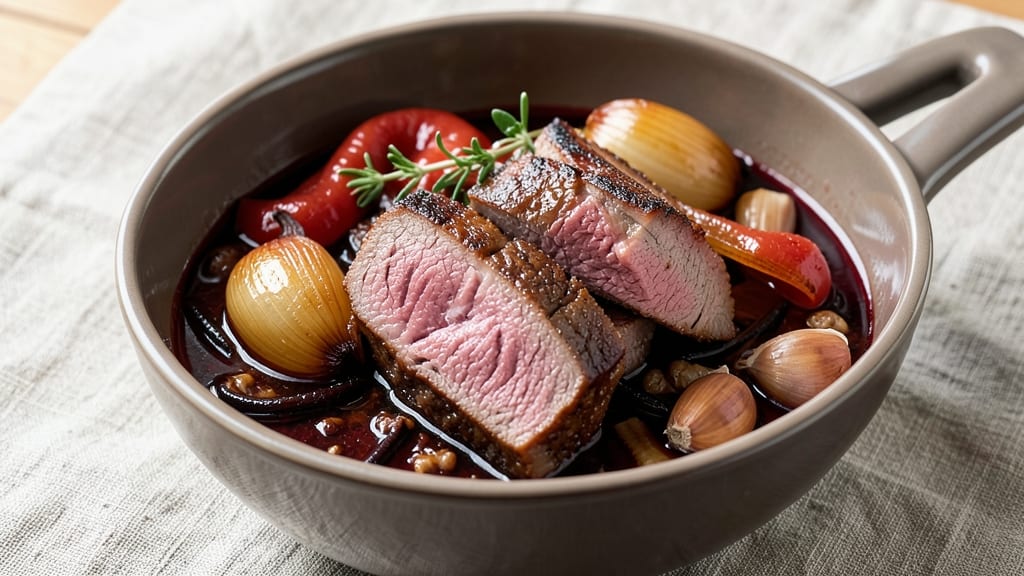
This beef au jus sauce transforms simple pan drippings into a deep, velvety sauce that elevates any roast beef dish. 🔥 The secret lies in carefully deglazing the pan with red wine and beef broth, then reducing until rich and concentrated—no shortcuts, just pure flavor development.
I’ve perfected this technique over years of holiday roasts, and it never fails to impress. What sets this recipe apart is the balance of acidity from wine and umami from beef stock, creating a sauce that’s both bold and refined.
The reduction process isn’t just about thickening—it’s about intensifying the natural flavors of the meat, so every drizzle delivers maximum impact. No added thickeners or cornstarch here; just pure, restaurant-quality richness.
By the end, you’ll have a glossy, glossy, golden-brown sauce that clings beautifully to roasted beef, potatoes, or even mashed potatoes. It’s the kind of sauce that makes a simple meal feel like a celebration—without the fuss of complicated techniques. The best part?
It reheats perfectly, so you can make it ahead and serve it at its finest. Store leftovers in the fridge for up to 5 days or freeze for 3 months. Drizzle generously over your roast, use as a dip for crusty bread, or even glaze grilled steaks.
Here’s how to make it right.
Ingredients for beef au jus sauce
Pan drippings, wine, and broth—just three things transform into restaurant-quality beef au jus.
| Ingredient | Amount | Notes |
|---|---|---|
| Beef Drippings 🥩 | 2 cups | From roasted beef, strained |
| Dry Red Wine 🍷 | 1 cup | Bold like Cabernet Sauvignon |
| Beef Broth 🥄 | 2 cups | Low-sodium preferred |
| Yellow Onion 🧅 | 1 whole | Diced, for deglazing |
| Garlic Cloves 🧄 | 4 cloves | Minced, for depth |
| Tomato Paste 🍅 | 1 tbsp | For subtle sweetness |
| Worcestershire Sauce 🥫 | 1 tbsp | For umami punch |
| Flour 🌾 | 1 tbsp | All-purpose, for thickening |
| Fresh Thyme Leaves 🌿 | 1 tbsp | Or 1 tsp dried thyme |
| Black Peppercorns 🌶️ | ½ tsp | Freshly cracked |
The beef drippings are your golden ticket—strained and saved from your roast. Costco sells pre-made beef au jus, but homemade drippings have way more depth. If you don’t have any, brown a pound of beef chuck in a pan first to create your own. The red wine? Cabernet Sauvignon or Merlot work best—they’ve got enough body to stand up to the beef. Skip the sweet varieties like Zinfandel. For the broth, low-sodium is key—you don’t want to dilute the beefy flavor later. Grab a box of Kitchen Basics or Swanson for reliable quality.
No red wine? Substitute beef broth with a splash of balsamic vinegar—it adds the same tangy depth. Fresh thyme is ideal, but dried works at one-third the amount. If you’re out of Worcestershire, soy sauce or a dash of fish sauce (if not avoiding) adds umami. The flour is just for thickening—don’t skip it, but don’t overdo it either. For a richer sauce, add a splash of brandy or cognac with the wine. And if you’re feeling fancy, a pinch of sugar balances the acidity beautifully.
This sauce reheats like a dream—just warm it gently on the stove. Store it in the fridge for 5 days or freeze for 3 months. I like to portion it into ice cube trays, then transfer to a bag—perfect for drizzling over roasts or using as a dip. The sauce gets even better the next day as the flavors meld. If it thickens too much, just whisk in a splash of warm water or broth. And if you’ve got leftovers? Freeze in small portions for quick future meals.
Why You'll Love This Recipe
- Here’s what sold me: that first sip of wine reducing into the pan, then beef broth deepening into something velvety. The drippings turn it from "sauce" to "I’d eat this with a spoon" in 15 minutes. No fancy techniques—just patience.
- No Chopping Hassle: I swear by this—just dice one onion and smash a few garlic cloves. That’s it. The rest? Pure magic from beef drippings and wine simmering together while you handle the real work (like not burning the garlic).
- Rich Without Effort: Here’s what sold me: that first sip of wine reducing into the pan, then beef broth deepening into something velvety. The drippings turn it from "sauce" to "I’d eat this with a spoon" in 15 minutes. No fancy techniques—just patience.
- Leftovers That Work: Between us, this sauce gets better the next day. I make a double batch for roasts, then use the extra to glaze steaks or stretch into a quick pasta. Freezes like a dream too—just thaw and reheat. Zero waste, all flavor.
Step-by-step instructions for beef au jus sauce
Transform roasted beef drippings into a velvety, restaurant-quality sauce with these simple steps.
🍳 Step 1: Sauté Onions and Garlic in Beef Drippings
Heat the 2 cups Beef Drippings in a medium saucepan over medium heat until the fat shimmers but doesn't smoke. Add the 1 whole Yellow Onion, diced into ¼-inch pieces, and cook for 5-6 minutes until softened and golden. Here's the thing—don't rush this step. You want the onions to caramelize slightly for deeper flavor.
Stir in the 4 cloves Garlic Cloves, minced, and cook for another 30 seconds until fragrant. Watch carefully—garlic burns fast. If it starts to darken, remove the pan from heat for 10 seconds to cool slightly before continuing. This aromatic base is the foundation of your sauce, so take your time here.
🥘 Step 2: Deglaze with Wine and Build the Sauce
Pour in the 1 cup Dry Red Wine and scrape the bottom of the pan vigorously with a wooden spoon to release all those flavorful browned bits. This deglazing step captures all the meaty goodness that would otherwise stick to your pan. Let the mixture simmer for 3-4 minutes until the wine reduces by half and the liquid smells rich and concentrated.
Add the 2 cups Beef Broth, 1 tbsp Tomato Paste, and 1 tbsp Worcestershire Sauce. Stir well to combine, then bring to a gentle boil. Reduce heat to medium-low and let it simmer uncovered for 10 minutes, skimming off any foam that rises to the surface. This skimming ensures a smooth, velvety sauce without impurities.
🍳 Step 3: Thicken and Season the Sauce
In a small bowl, whisk together the 1 tbsp Flour and ½ tsp Black Peppercorns, freshly cracked. Slowly sprinkle this mixture into the simmering sauce while whisking constantly to prevent lumps. The sauce will begin to thicken almost immediately—this is what gives au jus its signature glossy texture.
Stir in the 1 tbsp Fresh Thyme Leaves and let the sauce simmer for another 5 minutes until it coats the back of a spoon. Taste and adjust seasoning if needed—you might want to add a pinch more salt or pepper. The sauce should be rich, slightly tangy from the wine, and deeply savory. If it's too thick, whisk in 1-2 tablespoons of water to reach your desired consistency.
⏰ Step 4: Rest and Serve
Remove the sauce from heat and let it rest for 5 minutes. This resting period allows the flavors to meld and the sauce to thicken slightly more. Skim off any excess fat that rises to the surface—just enough to leave a glossy finish without making the sauce greasy.
Strain the sauce through a fine-mesh sieve if you prefer a silky texture, or leave it slightly rustic with visible thyme leaves. Serve immediately over sliced roast beef or use it to deglaze your roasting pan for a flavorful pan sauce. The secret to great au jus is patience—don't rush the simmering or skimming, and you'll end up with a sauce that's worthy of any special occasion.
Pro Tips For Making Beef Au Jus Sauce
- DEGLAZE HOT PAN: Don’t let those precious drippings turn to glue—add the red wine as soon as you remove the beef, while the pan is still screaming hot. Scrape every last bit with a wooden spoon (yes, even the blackened corners) because that’s where the flavor hides.
- SWEAT ONIONS LOW AND SLOW: I used to rush this step, and my onions would either burn or taste raw. Cook them over medium-low heat for 8–10 minutes until they’re translucent and just starting to soften—no browning, no rushing. If they’re not properly sweated, the sauce will taste dull.
- STRAIN THE BROTH: Skip the sediment-heavy store-bought broth and use a fine-mesh strainer (or even cheesecloth) to clarify your homemade or high-quality store-bought broth before adding it to the sauce. That extra step removes cloudiness and makes the final jus look restaurant-worthy.
- SALT THE BROTH LATE: Add salt only at the very end, right before serving. The wine and onions need time to develop their flavors without competition—adding salt too early can mute the depth of the sauce. Trust me, your taste buds will notice the difference.
Common mistakes when making this dish
Skipping the Deglaze
One of the biggest mistakes is rushing the deglazing step with wine. Those browned bits on your pan—called fond—pack serious flavor. I’ve seen people pour wine in and stir once, then walk away. Don’t do that. Scrape vigorously with a wooden spoon to lift every last bit of caramelized goodness.
If you skip this, your sauce will taste flat and underwhelming. Take those extra 30 seconds to scrape—it makes all the difference. 🔥
Over-Simmering the Wine
Another common blunder is letting the wine boil too hard after deglazing. This causes alcohol to evaporate too quickly, leaving behind a harsh, vinegary taste. Keep the heat at medium-low and let the wine reduce gently—about 3-4 minutes until it’s cut in half.
If you see it bubbling fiercely, reduce the heat immediately. The goal is to concentrate the flavors, not cook off all the alcohol. Trust me, your sauce will thank you.
Adding Flour All at Once
When thickening the sauce, many people dump the 1 tbsp flour directly into the pan without whisking. This creates lumps that are nearly impossible to fix later. Instead, whisk the flour with ½ tsp cracked pepper in a small bowl first, then sprinkle it in slowly while stirring constantly.
If lumps appear, strain the sauce through a fine-mesh sieve afterward. A smooth, velvety texture is the hallmark of a great au jus—don’t let clumps ruin it. ✨
Ignoring the Resting Time
After simmering, some people can’t wait to serve the sauce immediately. Big mistake. Let it rest for 5 minutes off the heat—this allows the flavors to meld and the sauce to thicken naturally. Skim off any excess fat that rises to the top during this time.
I’ve seen sauces go from perfect to greasy in seconds when this step is skipped. Patience here ensures a polished, restaurant-quality finish.
Using High-Heat for Thickening
Many home cooks crank the heat up high when trying to thicken the sauce. This is a recipe for disaster—high heat causes the flour to cook unevenly and can make the sauce grainy. Keep the heat at medium-low while thickening, and stir constantly.
If the sauce isn’t thickening enough, add a splash of warm water or broth instead of increasing the heat. The goal is a glossy, velvety consistency, not a gluey mess.
Skipping the Skimming Step
During the simmering process, foam and impurities rise to the surface. Some people ignore this and let it all stay in the sauce, which can make the final product cloudy or bitter. Use a spoon to skim off the foam as it appears—this ensures a smooth, elegant sauce.
I like to skim every 2-3 minutes during the 10-minute simmer. It’s a small effort that makes a huge difference in texture and clarity. 💫
Nutrition facts
Frequently asked questions
Can I make this beef au jus sauce without wine?
Yes! For a non-alcoholic version, substitute the 1 cup red wine with 1 cup beef broth plus 1 tablespoon balsamic vinegar. The vinegar adds similar acidity and depth. For extra richness, add ½ teaspoon beef bouillon powder to the broth mixture. The sauce will still develop great flavor, though the wine's complexity will be missing.
How do I know when the sauce is thick enough?
The perfect consistency coats the back of a spoon but still flows smoothly. If it's too thick, whisk in 1 tablespoon warm water or broth at a time until you reach the desired glossy texture. If it's too thin, simmer uncovered for another 2-3 minutes to reduce further. Remember, au jus should be velvety, not gluey.
Can I make this sauce ahead of time?
This sauce actually tastes better the next day as flavors meld. Store in an airtight container in the fridge for up to 5 days or freeze for 3 months. For serving, reheat gently on the stove over low heat, stirring occasionally. If it thickens too much when reheating, thin with a splash of warm water or beef broth.
What's the best way to use leftover au jus?
Beyond drizzling over roast beef, use it to glaze grilled steaks or pan-seared chops. It also makes an excellent dip for crusty bread or a flavorful base for beef stroganoff. For a quick meal, pour over mashed potatoes or roasted vegetables. Even better, freeze in ice cube trays for perfect single-use portions whenever you need that rich beefy flavor!
Why did my sauce turn cloudy?
Cloudiness usually means you didn't skim enough foam during simmering or didn't strain the sauce at the end. Next time, skim foam every 2-3 minutes while simmering, and strain through a fine-mesh sieve before serving. For an instant fix, whisk in 1 tablespoon cold water to help clarify. The sauce should be glossy and inviting—never murky!