
Main Courses
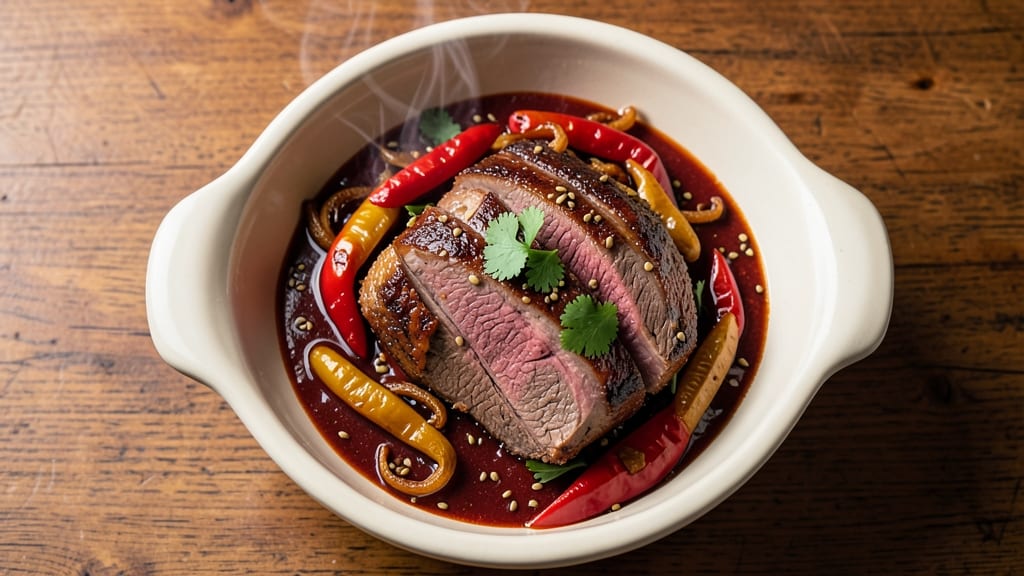
This African roast beef recipe transforms tough cuts into melt-in-your-mouth perfection using a bold spice rub that builds flavor through slow roasting. The secret lies in balancing warm spices like cinnamon and nutmeg with smoky paprika and garlic—creating a crust that seals in juices while delivering layers of depth.
I developed this method after years of experimenting with West African techniques, where slow-roasted meats become centerpieces for gatherings.
The process starts with a 30-minute dry rub that penetrates the meat, followed by a low-and-slow roast in the oven (or smoker) for up to 3 hours. This approach ensures tender, fork-shreddable beef with a caramelized exterior that’s impossible to resist.
The rub’s complexity—where sweet, spicy, and earthy notes harmonize—makes it versatile enough for weeknight dinners or special occasions.
What you’ll achieve is restaurant-quality beef that pairs beautifully with braised greens, fluffy couscous, or crusty bread to soak up the rich juices. The spice crust adds visual appeal and an aromatic punch that announces dinner is ready.
This isn’t just a recipe; it’s a celebration of African culinary tradition with a modern twist.
Perfect for feeding a crowd or meal prepping, this method converts even budget-friendly cuts into something extraordinary. The key is patience—letting the spices work their magic while the meat transforms into something unforgettable. Let’s get started with the ingredients that will change how you roast beef forever.
Ingredients for african roast beef
Six pounds of beef and twelve spices transform into restaurant-quality roast beef with West African roots.
| Ingredient | Amount | Notes |
|---|---|---|
| Beef Chuck Roast 🥩 | 4 lb | Tough cut, well-marbled preferred |
| Sweet Paprika 🌶️ | 2 tbsp | Smoked variety adds depth |
| Ground Cumin 🌿 | 1 ½ tbsp | Toasted for enhanced aroma |
| Ground Coriander 🌿 | 1 ½ tbsp | Freshly ground preferred |
| Ground Cinnamon 🌶️ | 1 tbsp | Warmth without overpowering |
| Ground Nutmeg 🌶️ | ½ tbsp | Freshly grated for potency |
| Garlic Cloves 🧄 | 8 cloves | Peeled, roughly chopped |
| Fresh Ginger 🌿 | ½ cup | Finely grated, skin removed |
| Kosher Salt 🧂 | 1 ½ tbsp | Diamond Crystal preferred |
| Black Peppercorns 🌶️ | 1 tbsp | Freshly cracked preferred |
| Olive Oil 🫒 | ¼ cup | Extra-virgin for crust formation |
| Yellow Onion 🧅 | 1 whole | Thinly sliced for garnish |
| Fresh Thyme 🌿 | ¼ cup | Leaves only, stems removed |
The beef selection is critical—chuck roast delivers the perfect balance of tenderness and fat content for slow roasting. Local butchers often carry higher-quality cuts than grocery stores, and you'll want to look for visible marbling that ensures juiciness. For the spices, Penzeys Spices or bulk bins at specialty markets provide the freshest, most potent options. The cinnamon and nutmeg are non-negotiable; they create that signature warm depth found in West African cuisine. If you can't find fresh ginger, substitute with 1.5 tbsp ground ginger, though freshly grated delivers superior flavor. The olive oil should be extra-virgin—its fruity notes enhance the spice crust rather than overpowering it.
No sweet paprika? Smoked paprika works beautifully, though the flavor profile shifts slightly. Running short on coriander? Cilantro's leaves substitute at half the amount, though the stems should be discarded. The garlic and ginger can be pre-minced from the store if time is limited, but freshly grated ginger and chopped garlic yield exponentially better results. For the thyme, dried thyme at one-third the amount suffices in a pinch, though fresh leaves add a vibrant aroma. The kosher salt should be Diamond Crystal if possible—it dissolves more easily and enhances flavor without bitterness. If you're meal prepping, consider doubling the spices and storing them in an airtight container for future use.
Store the raw beef in its original packaging on the bottom shelf of your fridge for up to 5 days. Once roasted, the beef remains tender for 4-5 days in the fridge, though it's best consumed within 2 days for peak flavor. For longer storage, slice the beef against the grain and freeze in airtight containers for up to 3 months. The spice rub can be pre-mixed and stored in a dark glass jar for 6 months—it's perfect for flavoring other proteins like chicken or pork. When reheating, use low heat to prevent drying out the meat, and always cover with a damp paper towel to retain moisture.
Why You'll Love This Recipe
- Spice in Minutes: The chuck roast goes in raw, the spices stick like glue, and boom—30 minutes later, you’ve got tender, fragrant beef without chopping onions or mincing garlic. Honestly, I’ve made this while scrolling through my phone. The sweet paprika and cinnamon do all the heavy lifting.
- Warm, Earthy Magic: That first bite? Smoky, slightly sweet, with a deep warmth from the cumin and coriander—it’s like a hug in meat form. The cinnamon isn’t overpowering; it just enhances, making every slice taste like a restaurant dish you’d actually pay for.
- Leftovers That Beg: This roast stays ridiculously good for days. I’ve reheated slices in a pan with a splash of water, turned them into sandwiches, or even tossed cold cubes into salads—no one ever complains. Between us, the best meals often come from the second day.
- Budget Stretch Star: A chuck roast is cheap, and these spices cost pennies. I’ve fed six people for under $15 with this, and the flavor punches way above its price. Plus, the leftovers mean I’m not ordering takeout when I’m too tired to cook. Win.
Step-by-step instructions for African roast beef
The secret lies in the spice blend and slow cooking technique—this method transforms tough chuck roast into melt-in-your-mouth perfection.
Prepare the Spice Rub for Maximum Flavor
In a medium bowl, combine the 2 tbsp sweet paprika, 1.5 tbsp ground cumin, 1.5 tbsp ground coriander, 1 tbsp ground cinnamon, and 0.5 tbsp ground nutmeg. This aromatic blend forms the foundation of the African-inspired profile—warm spices like cinnamon and nutmeg create depth while cumin and coriander add earthy complexity. Add the 1.5 tbsp kosher salt and 1 tbsp freshly cracked black peppercorns to balance sweetness with sharpness.
Using a fine-mesh sieve, sift the spice mixture into a small bowl to remove any lumps. This ensures even distribution when applying to the beef. The freshly cracked peppercorns will release their oils during cooking, creating a fragrant crust. Set aside—this rub will transform your tough cut into something extraordinary.
Create the Ginger-Garlic Marinade Base
In a separate bowl, finely grate the 0.5 cup fresh ginger (remove the skin first) and roughly chop the 8 garlic cloves. Add the 0.25 cup extra-virgin olive oil and mix thoroughly. The ginger should be finely textured—no large chunks—so it infuses the meat evenly. The olive oil acts as both a carrier for the aromatics and a barrier that helps the rub adhere to the beef during searing.
This marinade serves dual purposes: it tenderizes the meat through osmotic action and carries the aromatic compounds deep into the muscle fibers. Let the mixture sit at room temperature for 10 minutes to allow the ginger's natural oils to activate fully. The warm spices from the rub will later complement this bright, zesty base perfectly.
Coat and Rest the Beef for Optimal Texture
Pat the 4 lb beef chuck roast completely dry with paper towels—this is critical for achieving a crisp exterior. The moisture barrier created by any residual water will prevent proper crust formation. Rub the ginger-garlic marinade all over the beef, pressing firmly to ensure even coverage. Then generously coat the entire surface with the spice rub, working it into all the crevices and seams.
Place the coated roast on a wire rack set over a rimmed baking sheet. This elevation allows hot air to circulate around all sides, promoting even cooking and crispy edges. Cover loosely with plastic wrap and refrigerate for 4-6 hours (or overnight). The cold environment helps the spices penetrate deeply while the marinade works its magic on the meat fibers, breaking down connective tissue for tender results.
Sear for Depth of Flavor and Color
Remove the roast from the refrigerator 30 minutes before cooking to allow it to come to room temperature. Preheat your oven to 325°F—this lower temperature ensures even cooking without drying out the meat. Heat a large oven-safe skillet over medium-high heat until very hot. Add the roast and sear on all sides for 3-4 minutes per side, until a deep golden-brown crust forms.
This searing step is non-negotiable—it develops the Maillard reaction that creates complex flavors and that beautiful caramelized exterior. The spices will begin to toast slightly, releasing their aromatic oils. Once seared, transfer the roast to the preheated oven and continue cooking uncovered for 3-3.5 hours, or until the internal temperature reaches 195-200°F when measured with a meat thermometer.
Rest and Garnish for Presentation
Remove the roast from the oven and transfer it to a cutting board. Tent loosely with aluminum foil and let it rest for 30-45 minutes before slicing. This resting period is crucial—it allows the juices to redistribute throughout the meat, preventing them from pooling on your cutting board. During this time, thinly slice the 1 whole yellow onion and finely chop the 0.25 cup fresh thyme leaves for garnish.
Slice the roast against the grain into ½-inch thick slices for maximum tenderness. Arrange the slices on a platter and garnish with the sliced onions and thyme. The onions add a subtle crunch and sweetness that complements the rich, spiced beef, while the thyme brings a fresh herbal note. Serve immediately with any accumulated pan juices spooned over the top for an extra layer of flavor.
Pro Tips For Making African Roast Beef
- SEAR THE ROAST FIRST: Skip the slow start—hit that chuck roast with a screaming-hot pan for 3-4 minutes per side before adding liquids. I learned this the hard way after serving dry, flavorless beef; the crust locks in juices and deepens the spices’ caramelization. Use a Dutch oven if you can—it’s your best bet for even heat.
- TOAST THE SPICES: Bloom your cumin, coriander, and cinnamon in oil for 30 seconds before adding paprika. Sounds weird, but it works: this wakes up their aromas and cuts the bitterness of cheap ground spices. (Yes, even if you’re impatient like me—just set a timer.)
- DON’T OVERCROWD THE PAN: If your roast is bigger than your pot, start it in a smaller vessel and finish in a larger one. I once drowned a chuck in its own juices because I skipped this, and the result was sad, gray beef. Let it breathe—liquid should just kiss the top of the meat, not smother it.
- USE BUTTER IN THE SAUCE: Swap half the broth for melted butter at the end—just 2 tablespoons makes a real difference. The fat emulsifies the spices into a glossy, rich coating instead of a dry, clinging paste. (Your future self will thank you for this lazy but genius upgrade.)
Creative variations of african roast beef
West African Yassa Style
Transform your roast beef into a vibrant West African Yassa-inspired dish by adding 1 tbsp lemon zest and 2 tbsp fresh lemon juice to the marinade. The citrus brightens the warm spices and creates a tangy contrast.
After roasting, slice the beef thinly and serve over a bed of steamed jasmine rice with a sauce made from 1 cup tomato paste, 1 tbsp honey, and 1 tbsp fish sauce—a signature Yassa touch. Garnish with chopped cilantro and thinly sliced scallions. 🍋
Moroccan Tagine Twist
For a Moroccan-inspired tagine flavor, swap the nutmeg for 1 tsp ground ginger and add 1 tsp ground turmeric to the rub. After roasting, shred the beef and serve in a clay pot (or oven-safe dish) with sliced apricots, diced onions, and chopped almonds.
Deglaze the pan with 1 cup beef broth and 2 tbsp harissa paste, then simmer until thickened. The sweet-tangy apricots pair beautifully with the spiced beef. 🌶️
Ethiopian Doro Wat Fusion
Infuse your roast beef with Ethiopian Doro Wat flavors by adding 1 tbsp berbere spice (or a blend of 1 tsp cayenne, 1 tsp fenugreek, and ½ tsp cardamom) to the rub.
After roasting, shred the beef and simmer it in a sauce made from 1 cup chicken broth, 2 tbsp tomato paste, and 1 tbsp hard-boiled egg yolks (traditional for richness). Serve with injera (Ethiopian flatbread) or crusty bread. 🥖
Spicy Jerk Roast
Create a Jamaican jerk-inspired roast by boosting the rub with 1 tbsp jerk seasoning (or 1 tsp allspice, 1 tsp thyme, and ½ tsp scotch bonnet pepper) and adding 2 tbsp pineapple juice to the marinade.
Roast as directed, then slice and serve with grilled pineapple chunks and mango salsa. The sweet-spicy jerk flavors elevate the beef to a whole new level. 🔥
Smoky BBQ African Fusion
For a smoky BBQ-African fusion, add 1 tbsp smoked paprika and 1 tsp liquid smoke to the rub. After roasting, brush the beef with a glaze of ½ cup BBQ sauce (like Sweet Baby Ray’s) mixed with 1 tbsp honey.
Broil for 2-3 minutes to caramelize the glaze. Serve with cornbread and collard greens for a Southern-African mashup. 🍖
Nutrition facts
Frequently asked questions
Can I use this recipe with a different cut of beef?
The recipe is designed specifically for chuck roast because its fat content and connective tissue create tender, flavorful results when slow-roasted. However, you could use brisket or short ribs with similar success—just increase cooking time by 1-2 hours to account for the tougher cuts. Avoid lean cuts like sirloin, as they won't develop the same tenderness or rich flavor profile.
How do I adjust the spice level for sensitive eaters?
Start by reducing the sweet paprika to 1 tbsp and omit the nutmeg and half the black peppercorns. For extra mildness, replace the ½ tbsp ground ginger with 1 tsp ground ginger (less potent). The cinnamon and coriander provide warmth without heat, so you can keep those amounts the same. Always taste the rub before applying it to the beef!
Can I cook this in a slow cooker instead of the oven?
Place the seared roast in your slow cooker on low heat for 6-8 hours (or high heat for 4-5 hours). The key difference is that slow cookers can't create the same caramelized crust, so focus on the tenderizing process. For best results, sear the beef thoroughly in a skillet first, then transfer it to the slow cooker with any pan juices. Add ½ cup beef broth to keep it moist.
What's the best way to reheat leftovers?
Slice the beef against the grain and reheat in a skillet over medium-low heat with 1 tbsp beef broth for 3-4 minutes per side to prevent drying. For oven reheating, cover with foil and warm at 300°F for 15-20 minutes. Never microwave—it turns the meat rubbery. The pan juices can be reheated separately and spooned over the beef when serving for extra flavor. Leftovers keep well for 4-5 days in the fridge.
Why does my beef turn out dry?
Dry beef usually results from one of three issues: overcooking (check internal temp with a thermometer—195-200°F is perfect), not resting the meat after roasting (always wait 30-45 minutes), or using a lean cut. The wire rack helps with even cooking, but if your oven runs hot, lower the temperature to 300°F and increase time by 30 minutes. Also ensure your roast is completely dry before applying the rub—any moisture prevents proper crust formation.