
Soups & Stews
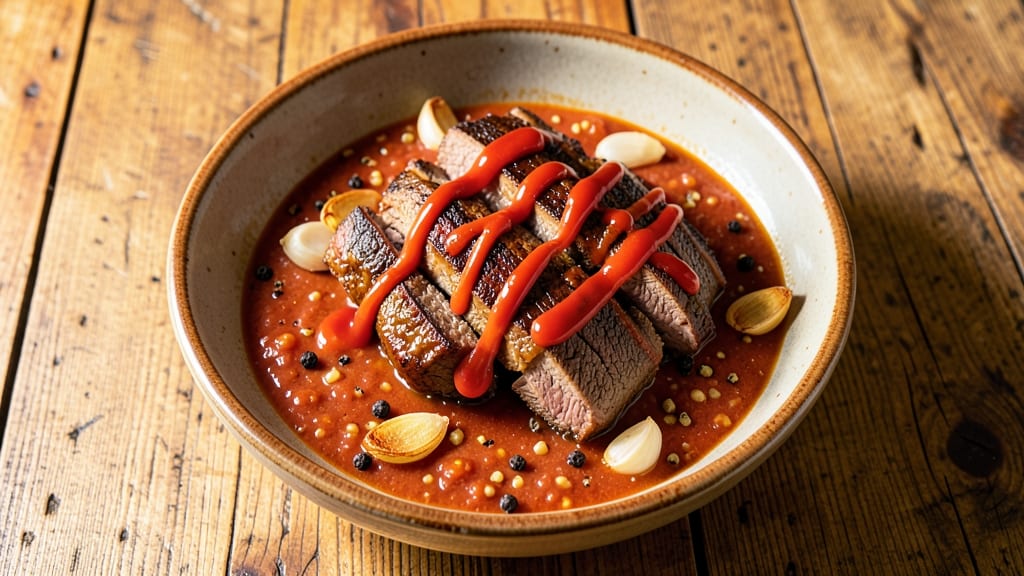
This Filipino beef asado recipe delivers smoky, tender beef with a signature tangy tomato-vinegar marinade that defines Panlasang Pinoy flavor. The secret lies in balancing sweet, sour, and savory notes through a marinade that transforms tough cuts into melt-in-your-mouth perfection, all while keeping the grill's signature char.
What makes this recipe special is its approachability—no fancy techniques, just a well-seasoned cut of beef and the right balance of heat and acidity to create that irresistible Filipino taste.
The marinade is where the magic happens, combining soy sauce, calamansi (or lime), and banana ketchup for a sweet-tangy depth that penetrates every fiber of the beef.
Grilling over charcoal or hardwood imparts that coveted smoky aroma, while the marinade's acidity ensures tender, juicy meat that falls apart with a fork. This isn’t just another grilled beef recipe—it’s a celebration of Filipino flavors that elevates a simple dish into something extraordinary.
By the time you serve this beef asado, you’ll have perfectly charred edges and tender, flavorful meat that pairs beautifully with classic Filipino sides like garlic rice, atchara (pickled papaya), or grilled vegetables.
The tangy marinade’s brightness cuts through the richness of the beef, creating a harmonious balance that’s both comforting and exciting. This is the kind of dish that brings people together—whether for a family gathering or a casual weekend barbecue.
The best part? The leftovers reheat just as well, making this an ideal recipe for meal prep or feeding a crowd. With just a few key ingredients and a little patience, you’ll master a dish that’s as versatile as it is delicious.
Let’s get started on creating this Filipino-inspired grilled beef masterpiece.
Ingredients for beef asado recipe panlasang pinoy
Six core ingredients transform tough beef into melt-in-your-mouth Filipino asado perfection.
| Ingredient | Amount | Notes |
|---|---|---|
| Beef Chuck Roast 🥩 | 3 lb | Tough cut preferred for tenderness |
| Soy Sauce 🍶 | ½ cup | Premium brand for depth of flavor |
| Banana Ketchup 🍌 | ½ cup | Filipino staple for sweet-tangy balance |
| Calamansi Juice 🍋 | ¼ cup | Or lime juice in a pinch |
| Tomato Sauce 🍅 | ½ cup | San Marzano preferred for quality |
| Garlic Cloves 🧄 | 8 cloves | Freshly minced for aromatic punch |
| Ginger Root 🌿 | 1 ½ tbsp | Freshly grated for zesty kick |
| Black Peppercorns 🌶️ | 1 tbsp | Coarsely cracked for texture |
| Bay Leaves 🍃 | 2 whole | Dried for aromatic infusion |
| Olive Oil 🫒 | ¼ cup | Extra-virgin for richness |
| Brown Sugar 🍚 | 2 tbsp | For caramelized depth |
| Hardwood Charcoal 🔥 | 2 lb | For authentic smoky flavor |
| Salt 🧂 | 1 ½ tbsp | Diamond Crystal preferred |
The beef cut is non-negotiable—chuck roast delivers that signature fall-apart texture. Costco or Whole Foods carry it pre-cut, but ask for a whole roast if you want to trim fat yourself. Look for good marbling, which ensures juiciness. For the marinade's soul, banana ketchup is essential—Del Monte or Royal brands are staples in Filipino markets. If unavailable, a mix of ketchup and mango puree works, though it won't be identical. Calamansi juice, the Filipino lime, elevates the dish, but Key lime juice from Trader Joe's is a solid substitute when fresh calamansi isn't accessible.
No banana ketchup? Mango ketchup or a blend of ketchup with mango nectar bridges the flavor gap. Substituting calamansi with lime means you'll need double the amount—citrus acidity is key. The ginger and garlic can be swapped for powdered versions at half the quantity, though fresh is ideal. For a deeper smoky profile, hickory chips can accompany the charcoal. The brown sugar caramelizes beautifully during grilling, but muscovado sugar adds a molasses note that some prefer. Always toast your spices—bay leaves and peppercorns should be dry-roasted in a pan for 30 seconds before grinding.
Marinated beef keeps 3-4 days in the fridge, but flavor deepens after 24 hours. For long-term storage, freeze portions in marinade for up to 3 months. Grilled asado reheats beautifully—450°F oven for 10 minutes restores moisture without drying. Portion into individual servings for easy meal prep. The marinade itself can be made ahead and stored for 1 week, though fresh is always better. Charcoal ash should be disposed of properly—metal containers work best for collection.
Why You'll Love This Recipe
- One-Pot Magic: I swear by the simplicity here—just sear the beef, dump in the sauce (soy, banana ketchup, tomato—hello tangy-sweet combo), and let it slow-cook. No fancy prep, no extra pots, and honestly? The mess stays in one pan.
- Tangy-Sweet Obsession: That calamansi juice cuts through the richness like a citrusy wake-up call, while the banana ketchup adds a caramelized depth. It’s the kind of flavor that makes you pause mid-bite, thinking, "Wait, how is this so good?"
- Leftovers That Win: This beef stays ridiculously tender the next day—perfect for quick lunches or reheating with rice. Between us, I’ve turned day-old slices into adobo-style stir-fries just by adding soy sauce and garlic. Zero waste, all flavor.
- Budget Beef Boost: Chuck roast is cheap, and this recipe stretches it into a meal that feeds four (or five, if you’re like me and sneak extra bites). The sauce costs pennies, and the result? A restaurant-worthy dish without the price tag. My wallet thanks me every time.
Step-by-step instructions for smoky grilled beef with tangy tomato-vinegar marinade
Master this Filipino grilling technique for perfectly tender beef with a deep smoky flavor and vibrant marinade.
Prepare the Marinade and Season the Beef
In a large bowl, combine the 0.5 cup soy sauce, 0.5 cup banana ketchup, 0.25 cup calamansi juice, 0.5 cup tomato sauce, 2 tbsp brown sugar, 1.5 tbsp salt, 1 tbsp coarsely cracked black peppercorns, 2 whole bay leaves, 8 cloves minced garlic, and 1.5 tbsp grated ginger root. Whisk until the sugar dissolves completely and the mixture is smooth.
Place the 3 lb beef chuck roast in a large resealable plastic bag and pour the marinade over it. Seal the bag and massage the marinade into the beef, ensuring it coats all surfaces. Refrigerate for at least 4 hours or overnight—this allows the flavors to deeply penetrate the tough cut, transforming it into tender, flavorful beef. The marinade should smell tangy-sweet with a hint of smokiness from the spices.
Set Up the Charcoal Grill for Indirect Heat
Divide the 2 lb hardwood charcoal evenly between two sections of your grill. Light the charcoal and let it burn until it's covered with a thick layer of white ash. Arrange the coals so that one side of the grill has medium-high heat (for searing) and the other side has medium-low heat (for slow cooking). This two-zone setup ensures you can both sear and smoke the beef properly.
Place a drip pan filled with water on the cooler side of the grill to help maintain moisture and prevent flare-ups. Once the coals are ready, brush the grill grates with 0.25 cup olive oil to prevent sticking. The grill should be hot enough that a drop of water sizzles and evaporates instantly when sprinkled on the grates.
Sear the Beef and Move to Indirect Heat
Remove the beef from the marinade (reserve the marinade for basting) and pat it dry with paper towels. Place the beef on the hotter side of the grill and sear for 5-7 minutes per side until a deep golden-brown crust forms. This step is crucial—it locks in juices and creates that signature caramelized exterior.
Once seared, move the beef to the cooler side of the grill, away from direct heat. Pour the reserved marinade into a small saucepan and bring it to a simmer over medium heat for 3-4 minutes until it thickens slightly. This concentrated marinade will be used to baste the beef during cooking.
Smoke and Baste the Beef Low and Slow
Grill the beef with the lid closed, basting it with the reduced marinade every 20 minutes using a basting brush. Cook for 2 to 2.5 hours total, or until the internal temperature reaches 195-200°F when measured with a meat thermometer. The beef should be fork-tender with a deep, smoky aroma wafting from the grill.
If the beef begins to char excessively, move it back to the cooler side of the grill. The key is patience—low and slow cooking breaks down the tough collagen in the chuck roast, resulting in melt-in-your-mouth tenderness. The smoky flavor from the hardwood charcoal will infuse the beef, creating that authentic asado taste.
Rest and Slice for Maximum Juiciness
Once the beef reaches the target temperature, transfer it to a cutting board and tent loosely with aluminum foil. Let it rest for 15-20 minutes—this allows the juices to redistribute throughout the meat, ensuring each slice is moist and flavorful. The resting beef will continue to rise slightly in temperature, reaching a perfect 203°F internal temperature.
Slice the beef against the grain into ½-inch thick slices for maximum tenderness. Serve immediately with extra basting sauce spooned over the top. The result should be perfectly balanced—smoky, tangy, sweet, and rich—with a texture that's both tender and satisfying. Pair with steamed rice and a simple green salad for a complete meal.
Pro Tips For Making Beef Asado Recipe Panlasang Pinoy
- Sear the Chuck First: High heat for 3-4 minutes per side before adding sauce—this locks in juices and builds flavor. I used to skip this, and the beef always turned out dry, even with all that tomato sauce.
- Dilute the Banana Ketchup: Mix it 1:1 with water or beef broth to thin it out—straight from the jar, it’s too thick and clings like glue. My first batch looked like a failed glaze until I learned this.
- Don’t Overcrowd the Pan: Cook in batches if needed, or the beef will steam instead of sear. I learned this the hard way when my first try turned out soggy and uneven.
- Deglaze with Calamansi: After searing, splash in a little calamansi juice before adding the rest of the sauce—it cuts through the richness and brightens the whole dish. Sounds simple, but it makes a real difference.
Common mistakes when making perfect results
Over-Marinating Risks
Leaving your beef in the marinade for more than 24 hours can break down the muscle fibers too much, resulting in a mushy texture. I’ve seen this happen when people marinate overnight and forget to pull it out in time.
For tough cuts like chuck roast, 12-24 hours is ideal—any longer and you’ll lose that perfect tender-chewy balance. Always check your beef after marinating to ensure it still holds its shape. 🌶️
Skipping the Sear
If you rush the searing step, you’ll miss out on the Maillard reaction that creates deep flavor and locks in juices. I’ve made this mistake by moving the beef to indirect heat too soon, resulting in bland, dry slices.
Sear each side for 5-7 minutes until deeply browned—this crust is non-negotiable for authentic asado flavor. A cast-iron skillet works great if you don’t have a grill.
Ignoring Internal Temp
Using a meat thermometer is critical—195-200°F is your target for perfect tenderness. Without one, you risk undercooking (tough meat) or overcooking (dry meat). I’ve had to salvage undercooked asado by returning it to the grill, but it’s never as juicy as when cooked properly.
Invest in a ThermoWorks Smoke thermometer for accuracy—it’s worth every penny for this dish.
Uneven Charcoal Heat
Uneven heat distribution leads to burnt edges and cold centers. I’ve seen this happen when coals aren’t properly arranged in a two-zone setup. Always maintain medium-high heat on one side for searing and medium-low heat on the other for slow cooking.
Use a drip pan on the cooler side to prevent flare-ups and keep moisture in the meat.
Not Resting the Beef
Skipping the 15-20 minute rest after grilling causes juices to spill out when you slice, leaving you with dry meat. I’ve made this mistake during rushed gatherings, and the results were disappointing.
Tent the beef loosely with foil and let it rest—this step is just as important as marinating or grilling. Patience here ensures every bite is juicy and flavorful. ⏰
Nutrition facts
Frequently asked questions
Can I substitute banana ketchup in this Filipino-style asado?
If you can't find banana ketchup, mix ½ cup regular ketchup with 2 tablespoons mango nectar or 1 tablespoon mango puree to mimic the sweet-tangy profile. For extra depth, add 1 teaspoon soy sauce to the mix. The flavor won't be identical, but it'll still work beautifully in the marinade.
What's the best cut of beef for this recipe?
For authentic asado texture, use chuck roast—it's tougher but becomes fork-tender when slow-cooked. Other good options include brisket or flank steak (cut against the grain). Avoid lean cuts like sirloin, as they'll dry out during the long grilling process. Look for well-marbled beef for maximum juiciness.
How do I adjust this recipe for a pellet grill?
Pellet grills make this even easier! Set your temperature to 225°F for indirect heat, and use hickory or apple wood pellets for authentic smoky flavor. Sear the beef first on the grill's sear zone, then move it to the main cooking area. The cooking time remains similar (2-2.5 hours), but the temperature control makes it foolproof. Just monitor the internal temp closely.
What are the best Filipino sides to serve with asado?
Classic pairings include garlic fried rice, atchara (pickled papaya), and grilled eggplant. For extra flavor, serve with sinigang (sour soup) or adobo sauce for dipping. The tangy marinade works perfectly with the sweetness of banana ketchup, so don't skip the Filipino condiments!
Can I make this asado in an oven?
Yes, but you'll lose some of the smoky flavor. Preheat your oven to 300°F and place the seared beef on a rack over a baking sheet. Roast for 2.5-3 hours until tender, basting every 30 minutes with the reduced marinade. For extra smokiness, add wood chips to your oven or use a smoker box. The texture will be great, but the charcoal grill gives the best results.