
Soups & Stews
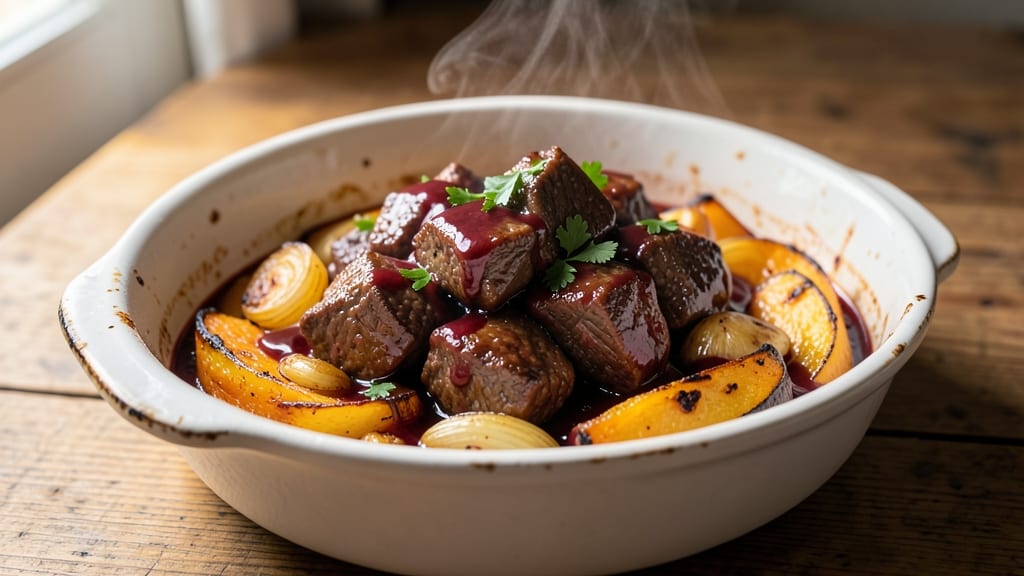
A beef and yellow squash recipe that delivers tender meat and silky vegetables in one deeply satisfying stew is exactly what you need for cozy weeknight dinners.
This method transforms tough cuts into fork-tender beef while preserving the natural sweetness of yellow squash, creating a harmonious balance of savory and sweet flavors. The slow cooking process ensures every bite is rich and flavorful without requiring constant attention.
The secret lies in properly browning the beef first—this builds deep, caramelized flavors that form the foundation of the stew. Meanwhile, the yellow squash gets just enough time to soften while maintaining its natural texture, so it doesn't turn mushy.
A touch of tomato paste and aromatic herbs ties everything together, creating a sauce that's both comforting and complex.
By the time you serve this dish, you'll have a restaurant-quality stew with perfectly tender beef that falls apart easily and velvety yellow squash that adds a touch of summer brightness.
The aroma alone will have everyone anticipating dinner, while the first bite delivers that perfect balance of hearty meat and delicate vegetables.
Pair it with crusty bread for soaking up every last drop of the rich sauce, or serve alongside roasted potatoes for a complete meal. This recipe proves that homemade stews can be both impressive and effortless—perfect for feeding a family or impressing guests without spending hours in the kitchen.
Ingredients for beef and yellow squash
Fourteen ingredients transform tough beef and delicate squash into a velvety stew with restaurant-quality depth.
| Ingredient | Amount | Notes |
|---|---|---|
| Chuck Roast 🥩 | 2 lb | Cut into 1.5-inch cubes for even cooking |
| Yellow Squash 🍠 | 2 medium | Cut into 1-inch chunks, seeds removed |
| Yellow Onion 🧅 | 1 whole | Diced into 0.5-inch pieces |
| Garlic Cloves 🧄 | 4 cloves | Minced for aromatic depth |
| Tomato Paste 🍅 | 2 tbsp | San Marzano preferred for sweetness |
| Dry Red Wine 🍷 | 1 cup | Bold variety like Cabernet Sauvignon |
| Beef Broth 💧 | 3 cups | Low-sodium preferred for flavor control |
| Olive Oil 🫒 | 2 tbsp | Extra-virgin for richness |
| Fresh Thyme 🌿 | 2 sprigs | Leaves only, stems removed |
| Fresh Rosemary 🌿 | 1 sprig | Needles only, finely chopped |
| Bay Leaves 🌿 | 2 whole | Removed before serving |
| Salt 🧂 | 1 ½ tsp | Diamond Crystal kosher preferred |
| Ground Black Pepper 🌶️ | 1 tsp | Freshly cracked for best flavor |
| All-Purpose Flour 🌾 | 1 tbsp | For thickening sauce if needed |
The chuck roast is non-negotiable for fork-tender results—Costco's pre-cut chuck saves time while delivering consistent quality. For the yellow squash, local farmers' market varieties have superior sweetness, but grocery store squash works fine as long as it's firm with no soft spots. The tomato paste should be San Marzano if you're splurging, but any high-quality paste will work. Red wine adds complexity—Cabernet Sauvignon or Merlot both bring robust flavors without overpowering. Fresh thyme and rosemary elevate the dish; Whole Foods bulk section offers excellent quality if you're not growing your own.
No red wine? Substitute beef broth with 1 tbsp balsamic vinegar for depth. Fresh herbs unavailable? Dried thyme at one-third the amount works in a pinch. The squash can be swapped for zucchini if preferred, though yellow squash's natural sweetness is ideal. For extra richness, add 1 oz cream cheese at the end of cooking. The flour is a last-resort thickener—this stew should be naturally velvety without needing it. If using pre-minced garlic, toast it in olive oil first to deepen its flavor profile.
This stew tastes even better the next day as flavors meld. Store in an airtight container in the fridge for up to 5 days, or freeze for 3 months in portion-sized containers. For meal prep, double the recipe and freeze half immediately. When reheating, add a splash of water or broth to maintain sauce consistency. The beef will continue tenderizing—never boil rapidly after thawing, as this makes the meat tough.
Why You'll Love This Recipe
- One-Pot Magic: I swear by this recipe when I’m too tired to dirty multiple pans. Chuck roast and squash simmer together—no chopping, no fuss—just slice the onion, mince the garlic, and let the slow cooker or Dutch oven do the work. That rich beef juice soaks into the squash while you’re still deciding what to watch on TV.
- Umami Bomb: Between the deep, caramelized tomato paste and the garlic cloves sizzling in the oil, this dish packs a punch. The chuck roast gets tender and juicy, while the squash absorbs all that savory goodness—no blandness here. Honestly, I’ve had people ask what brand of sauce I’m using. (Spoiler: It’s the $1 can of tomato paste.)
- Leftovers for Days: Make a double batch on Sunday, and you’ve got lunch covered all week. The flavors only get better as the beef gets more tender, and the squash holds up like a champ. I’ll be real: My kids actually ask for this for school lunches—yes, even on a Tuesday.
- Budget Stretch: Chuck roast is cheap, squash is cheap, and you’re using basic pantry staples. For under $10, you feed four people a meal that feels fancy. Between us, this is how I keep grocery bills low without sacrificing flavor—no sad, overpriced takeout here.
Step-by-step instructions for savory-sweet beef and yellow squash stew
This method delivers melt-in-your-mouth beef and velvety squash through precise timing and layering of flavors.
🍳 Step 1: Sear the Chuck Roast for Deep Flavor
Heat a heavy Dutch oven over medium-high heat until hot. Add 2 tablespoons olive oil and swirl to coat the bottom. Working in batches to avoid crowding, add the 2 lb chuck roast cut into 1.5-inch cubes and sear for 3-4 minutes per side until deep golden brown with a crust forming. This step develops the rich, caramelized foundation for your stew.
Remove the beef from the pot and set aside. If the pan appears dry, add another 1 tablespoon olive oil to maintain proper heat for the next components. The goal is to create a flavorful browned crust called the fond—this will dissolve into the sauce later, adding depth that can't be replicated with raw meat.
👨🍳 Step 2: Build the Aromatic Base
In the same Dutch oven, add 1 whole yellow onion diced into 0.5-inch pieces and cook for 5-6 minutes until softened and lightly golden. Add the 4 cloves garlic cloves minced and cook for 30 seconds until fragrant—don't let it burn, as bitter flavors will overpower the dish.
Stir in the 2 tablespoons tomato paste and cook for 1 minute until it darkens slightly. This creates a rich, concentrated base that balances the acidity of the wine and broth. Add the 1 cup dry red wine and scrape up any browned bits from the bottom of the pot with a wooden spoon. Let the wine simmer for 3-4 minutes until reduced by half.
🥘 Step 3: Simmer the Beef and Vegetables
Return the seared beef to the pot along with 3 cups beef broth, 2 medium yellow squash cut into 1-inch chunks, 2 sprigs fresh thyme leaves, 1 sprig fresh rosemary needles, and 2 whole bay leaves. Bring to a gentle simmer over medium-low heat, then cover and cook for 1 hour and 15 minutes until the beef is fork-tender and easily pulls apart.
Here's the thing—you want the beef to be tender but not falling apart. The squash should be soft enough to pierce with a fork but still hold its shape slightly. Stir occasionally to prevent sticking, but avoid over-mixing which can break down the meat fibers prematurely. The stew should develop a rich, velvety consistency as it simmers.
🔪 Step 4: Finish with Seasoning and Texture
Season the stew with 1.5 teaspoons salt and 1 teaspoon freshly cracked black pepper. Taste and adjust the seasoning—you may need more salt depending on your broth. Sprinkle 1 tablespoon all-purpose flour over the top and stir gently to thicken the sauce slightly, if desired. The flour should blend seamlessly, adding body without altering the flavor.
Remove the bay leaves before serving as they can impart a bitter taste. Let the stew rest for 5-10 minutes off the heat to allow the flavors to meld further. This resting period is crucial—it lets the meat reabsorb some of the cooking juices, ensuring each bite is moist and flavorful.
🍽️ Step 5: Serve with Crusty Bread
Ladle the stew into bowls and serve immediately. The beef should be fork-tender with a rich, savory flavor, while the yellow squash should be silky and sweet, perfectly complementing the beef. The sauce should coat the back of a spoon with a velvety texture. Garnish with additional fresh herbs if desired, and serve with warm crusty bread to soak up every last drop of this comforting stew.
This dish delivers on its promise of tender beef and silky vegetables through careful searing, precise simmering, and thoughtful finishing touches. The balance of sweet squash and rich beef creates a harmonious flavor profile that's both comforting and sophisticated.
Pro Tips For Making Beef And Yellow Squash
- Sear the Chuck Roast First: I learned this the hard way—skipping the sear means flavorless beef. Pat the roast very dry, then hit it with a screaming-hot pan and 2 tablespoons of oil. Let it brown 4-5 minutes per side until deep golden, or you’ll end up with mushy beef that tastes like it was simmered in water the whole time.
- Slice Squash Thinly, Evenly: Uneven squash cooks at different rates, leading to some parts rubbery while others turn to mush. Use a sharp knife or mandoline to cut into ¼-inch slices—no thicker, no thinner. Toss them in a pinch of salt immediately to draw out moisture, or they’ll steam instead of caramelize.
- Deglaze with Red Wine: That browned-on crust in your pan? That’s flavor gold. After searing the beef, splash in ½ cup red wine (or even broth in a pinch) and scrape like your life depends on it. Let it reduce by half before adding tomato paste—this builds depth the recipe won’t have otherwise.
- Salt the Onions Early: Sounds weird, but it works: Toss your diced yellow onion with ½ teaspoon salt before cooking. It softens them faster and keeps them from turning bitter. Just don’t overcrowd the pan—cook in batches if needed, or they’ll steam into oblivion.
Pro cooking tips for this recipe
Sear Like a Pro
That golden crust on your beef isn't just for looks—it's where all the deep, caramelized flavors start. Use a heavy Dutch oven (like All-Clad or Le Creuset) to ensure even heat distribution.
Work in single-layer batches—crowding steams the meat instead of searing it. I like to pat the beef cubes dry with paper towels first because moisture prevents proper browning. 🔥
Wine Reduction Magic
The red wine isn't just for flavor—it's for building sauce depth. After adding the wine, let it reduce by half before adding broth. This concentrates the alcohol's flavor while preventing a boozy taste.
I use a wooden spoon to scrape up all those browned bits (fond) from the pot's bottom—those are pure flavor gold. If you're nervous about wine, substitute with beef broth + 1 tbsp balsamic vinegar for similar depth.
Vegetable Timing
Yellow squash cooks faster than beef, so add it after the beef has simmered for 45 minutes. This ensures the beef becomes tender first while the squash softens just enough to stay intact.
If your squash turns mushy, it likely cooked too long—pull it out early and finish with a quick sauté in the stew's sauce for 2-3 minutes before serving.
Herb Handling
Fresh herbs make all the difference. For thyme and rosemary, I strip the leaves from stems and lightly crush them between my fingers before adding to the stew. This releases their essential oils for maximum flavor.
Bay leaves? Tuck them into the beef cubes before simmering—they'll infuse the meat directly. Always remove bay leaves before serving, as their tough texture can be unpleasant.
Sauce Thickening
The flour thickener is optional, but if you want that restaurant-style velvety texture, make a slurry first: mix 1 tbsp flour with 2 tbsp cold water and whisk until smooth. Stir this into the simmering stew for 2-3 minutes until thickened.
Never add flour directly to hot liquid—it burns easily. For extra richness, stir in 1 oz cream cheese during the last 5 minutes of cooking.
Resting for Perfection
Skipping the rest is the #1 mistake I see—don't do it! After removing from heat, tent the pot with foil and let it rest for 10 minutes. This lets the beef fibers relax and reabsorb juices, preventing dry, stringy meat.
The flavors also meld during this time, creating that cohesive taste you crave. I promise, the extra 10 minutes makes all the difference in the final result. ✨
Nutrition facts
Frequently asked questions
Can I substitute chuck roast with another beef cut?
Yes, but choose wisely! Brisket or short ribs work well—they're both well-marbled and become tender with slow cooking. Avoid lean cuts like sirloin, as they'll dry out. If using brisket, cut it into 1-inch cubes and add 10 extra minutes to the simmering time. For short ribs, remove the membrane first for better tenderness.
How do I know when the beef is tender enough?
Use the fork test: Insert a fork into the largest beef piece—it should pierce easily with minimal resistance. The meat should also pull apart cleanly when you gently tug with tongs. If it feels slightly firm, cook 15-20 more minutes covered. Overcooking turns beef stringy, so check frequently during the last 30 minutes of simmering.
What if my yellow squash turns mushy?
This happens when squash cooks too long. To fix it, remove the squash 10 minutes early and set aside. Just before serving, return it to the pot and simmer uncovered for 2-3 minutes to reheat while maintaining texture. For prevention, add squash only after beef has simmered 45 minutes—this ensures even cooking without over-softening.
Can I make this recipe in an Instant Pot?
Sear the beef first in a skillet, then transfer to the Instant Pot. Add all ingredients except flour, seal, and cook on high pressure for 30 minutes. Quick-release the pressure, then add flour if needed. The Instant Pot version cooks 40% faster while keeping flavors rich. For extra tenderness, add 1 cup extra broth to prevent drying.
How can I make this dish ahead of time?
This stew tastes even better the next day! Cool completely, then store in an airtight container in the fridge for up to 5 days. Reheat gently on low heat, adding 1-2 tbsp water if the sauce thickens too much. For freezing, portion into containers and freeze for up to 3 months. Thaw overnight in the fridge—never microwave from frozen, as this makes the beef tough.