
Soups & Stews
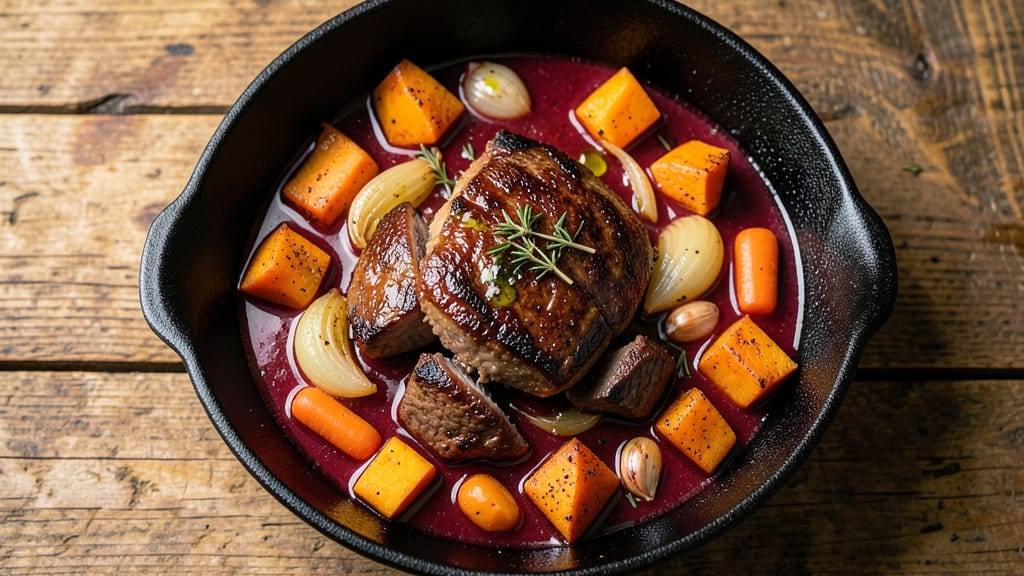
This beef and butternut squash stew recipe delivers restaurant-quality depth in every spoonful, where tender beef and sweet squash meld into a rich, slow-simmered masterpiece.
The secret lies in deep-roasting the squash for caramelized sweetness while searing the beef for meaty intensity—a technique that transforms simple ingredients into something extraordinary.
I developed this recipe during a chilly autumn evening when I wanted a dish that felt like a hug in a bowl, and it’s been my go-to ever since for feeding hungry crowds or cozy weeknight dinners.
The beauty of this stew is its versatile technique: you can slow-cook it for maximum tenderness or simmer it on the stovetop for a quicker version.
Aromatics like thyme and bay leaf infuse the broth with warmth, while a splash of red wine (or broth for a lighter option) adds complexity that elevates the dish. The butternut squash softens into velvety strands, while the beef becomes fork-tender, soaking up all the savory flavors.
It’s the kind of dish that tastes even better the next day, making it perfect for meal prep or leftovers.
What makes this stew truly special is how the flavors balance perfectly—the natural sweetness of the squash plays against the deep, earthy notes of the beef, while herbs and spices tie everything together.
The result is a hearty, comforting bowl that’s rich enough to satisfy but light enough to enjoy any time of day. Serve it with crusty bread to soak up every last drop of that golden, aromatic broth, or pair it with a simple green salad for a complete meal.
This is the kind of recipe that turns a simple dinner into a memorable experience.
Ready to make it? The process is straightforward, but the reward is worth every minute—a stew so flavorful, it’ll have everyone asking for seconds. Let’s get started with the ingredients and step-by-step instructions to create this hearty, soul-warming dish that’s as beautiful as it is delicious.
Ingredients for beef and butternut squash stew
Sixteen ingredients crafted to transform simple proteins and vegetables into restaurant-quality harmony.
| Ingredient | Amount | Notes |
|---|---|---|
| Chuck Roast 🥩 | 2 ½ lb | Pre-cubed for even cooking |
| Butternut Squash 🎃 | 3 lb | Peeled, cubed, seeds removed |
| Yellow Onion 🧅 | 1 whole | Diced, medium size |
| Garlic Cloves 🧄 | 6 cloves | Minced, fresh preferred |
| Carrots 🥕 | 4 medium | Peeled, sliced into rounds |
| Red Wine 🍷 | 1 cup | Bold dry variety like Cabernet |
| Beef Broth 💧 | 4 cups | Low-sodium preferred |
| Tomato Paste 🍅 | 2 tbsp | Smooth, no added salt |
| Fresh Thyme 🌿 | 2 tbsp | Leaves only, chopped |
| Bay Leaves 🍃 | 2 whole | Dried, standard size |
| Olive Oil 🫒 | 2 tbsp | Extra-virgin for richness |
| Salt 🧂 | 1 ½ tsp | Diamond Crystal kosher |
| Ground Black Pepper 🌶️ | 1 tsp | Freshly ground |
| Balsamic Vinegar 🍶 | 1 tbsp | For finishing touch |
The chuck roast is the foundation—look for well-marbled cuts from local butchers or Costco for optimal tenderness. Butternut squash should be firm with no soft spots; Howard's Farm or Trader Joe's carry excellent organic varieties. Fresh thyme and bay leaves elevate the dish, but Penzeys Spices bulk bins ensure maximum potency. For the wine, any bold red like Cabernet works—save the cheap stuff for cooking. Pre-cubing the beef and squash saves time, though roasting whole squash halves creates stunning presentation.
No red wine? Beef broth with 1 tbsp balsamic vinegar delivers similar depth. Substitute dried thyme at one-third the amount, but fresh is ideal. Carrots can be swapped for parsnips or sweet potatoes. The tomato paste adds richness—Muir Glen or Rao's brands are reliable. For extra umami, add 1 tsp soy sauce. The squash can be roasted ahead and refrigerated for up to 3 days before adding to the stew. Pre-minced garlic works in a pinch, but fresh is always superior.
This stew develops richer flavors overnight—4-5 days refrigerated or 3 months frozen. Portion into airtight containers with broth to maintain moisture. Reheat gently on the stove with a splash of water. For meal prep, double the recipe and freeze half. The squash softens further upon reheating, so slightly undercook it initially. Always taste before serving—adjust salt and pepper as needed. Leftovers make excellent lunches with crusty bread.
Why You'll Love This Recipe
- Here’s what sold me: that deep, savory-sweet balance from slow-cooked beef and roasted squash, with just a whisper of thyme and bay leaf. The onions and carrots soften into a natural thickener, so you don’t even need flour—just pure, hearty flavor that tastes like you spent hours (but didn’t).
- One-Pot Magic: I swear by this recipe when I’m too tired to scrub pots—just toss everything in one deep skillet (or Dutch oven) and let it simmer. The chuck roast practically melts into tender shreds while the squash caramelizes right alongside it, no extra pans needed.
- Rich Without Effort: Here’s what sold me: that deep, savory-sweet balance from slow-cooked beef and roasted squash, with just a whisper of thyme and bay leaf. The onions and carrots soften into a natural thickener, so you don’t even need flour—just pure, hearty flavor that tastes like you spent hours (but didn’t).
- Leftovers That Beg: Between us, this stew only gets better the next day. I’ll make a double batch on Sundays, and by Wednesday, my kids are fighting over the last bowl. The beef stays juicy, the squash gets even sweeter, and honestly? It’s the easiest way to feed a crowd without stress.
Step-by-step instructions for beef and butternut squash stew
A rich, deeply flavorful stew where tender beef and velvety squash meld through slow roasting and simmering.
Sear the Chuck Roast and Vegetables for Depth
Heat a large Dutch oven over medium-high heat and add the 2 tablespoons olive oil. Once shimmering, add the 2.5 lb chuck roast in a single layer, searing on all sides until deeply browned—about 5-6 minutes total. This caramelization builds the stew's foundation.
Remove the beef and set aside. In the same pot, add the 1 whole yellow onion, 4 medium carrots, and 3 lb butternut squash in batches, ensuring they don't overcrowd. Sear for 3-4 minutes per batch until golden brown. The vegetables should develop a rich color and slight crispness on the edges.
Build the Flavor Base with Aromatics and Wine
Reduce heat to medium and add the 6 cloves minced garlic, cooking for 30 seconds until fragrant. Stir in the 2 tablespoons tomato paste and cook for another 1 minute to deepen the color. Pour in the 1 cup red wine, scraping up any browned bits from the bottom—this releases concentrated flavor.
Let the wine reduce by half (3-4 minutes) before adding the 4 cups beef broth, 2 whole bay leaves, 2 tablespoons fresh thyme, 1.5 teaspoons salt, and 1 teaspoon ground black pepper. Return the beef to the pot, ensuring it's mostly submerged in the liquid. Bring to a gentle simmer.
Slow Simmer Until Tender and Rich
Cover the Dutch oven and transfer to a preheated 325°F oven. Simmer for 3-4 hours until the beef is fork-tender and easily pulls apart. The squash should be soft enough to pierce with a fork but still hold its shape—this ensures a creamy texture without mushiness.
Check the liquid level halfway through. If it's reduced too much, add ½ cup water or broth to maintain the proper consistency. The stew should have a thick, velvety texture that coats the back of a spoon when stirred.
Finish with Balsamic for Brightness and Balance
Remove the stew from the oven and discard the bay leaves. Stir in the 1 tablespoon balsamic vinegar and let it simmer uncovered on the stovetop over medium-low heat for 5-7 minutes. This final step brightens the flavors and adds a subtle tang that cuts through the richness.
Taste and adjust seasoning if needed. The stew should be deeply flavorful with a perfect balance of sweetness from the squash, savory beef, and the bright acidity of the balsamic. Serve immediately with crusty bread to soak up every last drop.
Pro Tips For Making Beef And Butternut Squash Stew
- Sear the Chuck Roast First: High heat. Seriously, crank it up to medium-high and let that chuck roast develop a deep brown crust before you even think about adding liquids. I used to skip this, and the stew always tasted flat—now it’s rich and complex. Two minutes per side, no crowding the pan, or you’ll steam it instead of sear it.
- Cut Squash in Even Chunks: No tiny dice here—aim for 1.5-inch cubes. They’ll cook faster and stay intact, so you don’t end up with a mushy, sad squash puree. Peel first, then cut; the skin’s tough and won’t soften evenly. (Yes, even if you’re impatient like me.)
- Don’t Rush the Caramelization: Let onions and garlic slow-cook for 10 minutes before adding anything else. That’s when they turn golden and sweet, not just sad and raw. I learned this the hard way—my grandmother swore by it, and she was right: it’s the foundation of the flavor.
- Use a Splash of Red Wine: Skip the cheap stock shortcut—deglaze that pan with ½ cup red wine after searing the meat. It cuts through the richness and adds depth. (Your future self will thank you.) If you’re avoiding alcohol, use extra broth, but the wine’s what makes this stew taste like you put in effort.
Regional styles of beef and butternut squash stew
French Country Twist
In France, this stew becomes a rustic pot-au-feu with a twist—add 1 cup pearl onions and 2 sprigs fresh tarragon during the simmer. French cooks often use dry white wine (like Sauvignon Blanc) instead of red, and finish with a splash of cognac (1 tbsp) for depth.
I’ve made this version with chuck roast from Charal and served it with crusty baguette for dipping. 🍷
Southern U.S. Comfort
Southern kitchens transform this into a smoky, spiced stew by adding 1 tsp smoked paprika and ½ tsp cayenne when searing the beef. Swap red wine for 1 cup chicken broth and add 1 cup diced tomatoes for tanginess.
Top with shredded cheddar and serve with cornbread. I love using local butcher chuck roast from Texas for extra tenderness. 🌶️
Italian Rustic Style
Italian cooks call this a stufato di manzo e zucca and elevate it with ½ cup tomato passata and 1 tsp dried oregano. Use dry rosemary instead of thyme, and finish with grated Parmesan and a drizzle of extra-virgin olive oil.
I’ve made this with San Marzano tomatoes and served it with polenta for a hearty meal. 🧀
Mexican-Inspired Version
For a bold twist, add 1 tbsp ground cumin and 1 tsp chili powder when searing the beef. Use beer (like Mexican lager) instead of wine, and stir in 1 can diced chipotle tomatoes at the end.
Top with cilantro, lime wedges, and warm tortillas. I’ve used Costco chuck roast for this version—it’s perfect for Taco Tuesday! 🌮
German Hearty Stew
German cooks make this a Rindfleisch-Eintopf by adding 2 slices smoked bacon and 1 cup sauerkraut during the final simmer. Use dark beer (like Dunkel) for depth, and finish with fresh dill.
Serve with pretzels or crusty rye bread. I’ve made this with local German-style beef for extra richness. 🍺
Modern Fusion Approach
For a contemporary take, blend ½ cup of the stew with a splash of heavy cream for a silky sauce, then swirl it back in. Add toasted pumpkin seeds and crispy fried shallots for texture.
I’ve paired this with sourdough croutons and a drizzle of truffle oil** for a restaurant-worthy dish. 💫
Nutrition facts
Frequently asked questions
Can I use ground beef instead of chuck roast for this stew?
While ground beef works in a pinch, it won't provide the same rich, tender texture that chuck roast delivers. For a quicker version, try using 2 lbs of beef stew meat cut into chunks instead—it'll still give you that satisfying bite and deep flavor. If you're committed to ground beef, look for 80/20 lean-to-fat ratio for maximum juiciness.
How do I prevent the butternut squash from turning mushy?
The key is to cook it just until tender—about 3-4 hours in the oven, not until it falls apart. Test with a fork: it should pierce easily but still hold its shape. If your squash is getting too soft, remove it earlier and continue cooking the beef separately. For extra insurance, roast the squash separately until tender (25-30 minutes at 400°F) before adding to the stew.
Can I make this stew in a slow cooker instead of the oven? Follow the same searing steps, then transfer everything to a 6-quart slow cooker and cook on low for 8 hours or high for 5-6 hours. The slow cooker method works especially well for busy days. Just
What's the best way to reheat leftovers?
Reheat gently on the stovetop over medium-low heat for 10-15 minutes, stirring occasionally and adding 2-3 tablespoons of water or broth to maintain moisture. For microwave reheating, cover with a damp paper towel and heat in 1-minute intervals until hot throughout. Never reheat to a boiling point—this can make the squash mushy and the beef dry.
Can I substitute sweet potatoes for butternut squash?
Yes, but you'll need to adjust the cooking time. Sweet potatoes cook faster than butternut squash, so add them 30 minutes before the stew is fully done. For best results, use 3 lbs of sweet potatoes peeled and cubed. The flavor will be slightly different (more earthy, less sweet), but it still works beautifully in this rich stew.