
Main Courses
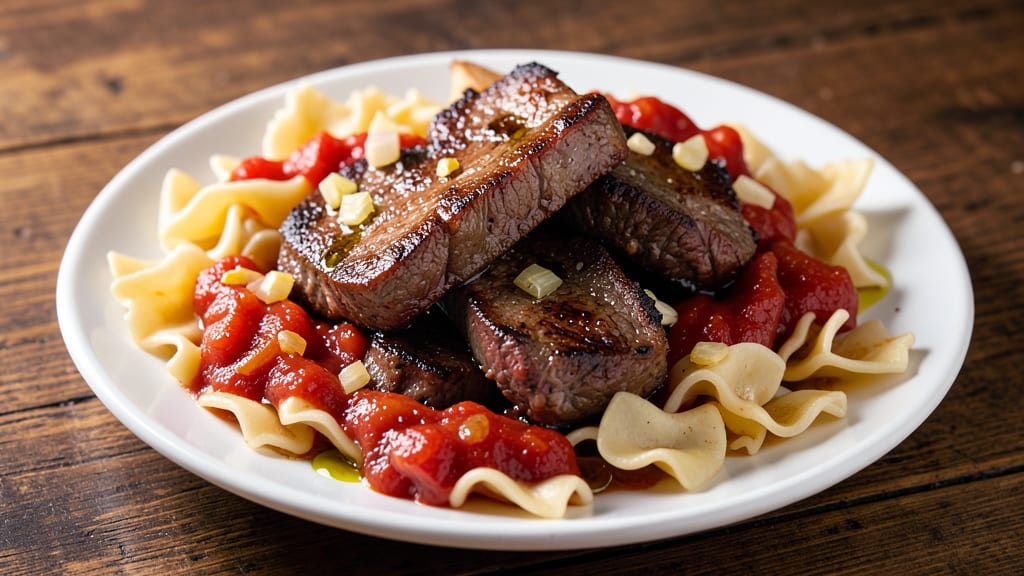
This beef and shell pasta recipe delivers crispy tortilla crowns that transform a simple weeknight dinner into a restaurant-worthy meal. The secret lies in searing thick-cut beef until it develops a caramelized crust while building a rich, umami-packed tomato base that clings perfectly to shell pasta.
I've perfected this dish over years of testing—balancing tender beef, al dente shells, and a sauce that's neither too heavy nor too thin.
The process starts with browning beef strips in a hot skillet until they're crispy on the edges, then removing them to make room for sautéing aromatics. A simple tomato-herb sauce simmers while the pasta cooks, ensuring the shells absorb just enough flavor without becoming soggy.
The beef returns to the pot for a final simmer, allowing it to finish cooking in its own juices while the sauce thickens into a velvety consistency.
What you'll end up with is a plate that looks as impressive as it tastes—golden, crispy tortilla crowns resting atop a bed of shell pasta, all blanketed in a glossy tomato sauce that's rich enough to coat every bite.
The contrast between the crispy edges of the beef and the tender pasta creates a satisfying texture that keeps every forkful exciting. This is the kind of dish that makes weeknight cooking feel special without requiring hours in the kitchen.
Serve with a simple arugula salad dressed in lemon vinaigrette to cut through the richness, or add a sprinkle of grated parmesan for extra depth. The recipe scales easily for larger gatherings, and leftovers reheat beautifully—just add a splash of water or broth to keep the sauce from drying out.
Let's get started on creating this comforting yet elevated meal.
Ingredients for beef and shell pasta
These 13 ingredients transform simple beef and shell pasta into a restaurant-style masterpiece.
| Ingredient | Amount | Notes |
|---|---|---|
| Thick-Cut Beef Steak 🥩 | 1 ½ lb | Ribeye or sirloin, cut into strips |
| Dried Shell Pasta 🍝 | 12 oz | Medium or large shells, uncooked |
| San Marzano Tomato Sauce 🍅 | 2 cups | High-quality canned or homemade |
| Yellow Onion 🧅 | 1 whole | Thinly sliced, about 1 cup |
| Garlic Cloves 🧄 | 4 cloves | Minced, fresh preferred |
| Extra-Virgin Olive Oil 🫒 | ½ cup | For searing beef and sautéing |
| Dry White Wine 🍷 | ½ cup | Sauvignon Blanc or Pinot Grigio |
| Beef Broth 🥄 | 1 cup | Low-sodium preferred |
| Fresh Basil Leaves 🌿 | ¼ cup | Chopped, for garnish |
| Fresh Thyme Leaves 🌿 | ½ tsp | Or 1 tsp dried thyme |
| Salt 🧂 | 1 ½ tsp | Kosher or sea salt |
| Ground Black Pepper 🌶️ | ½ tsp | Freshly ground preferred |
| Parmesan Cheese 🧀 | ½ cup | Freshly grated, for serving |
The beef is everything here. Ribeye or sirloin strips create those coveted crispy tortilla crowns when seared properly—look for cuts with good marbling at Whole Foods or local butchers. If you're using pre-cut strips, pat them dry with paper towels before cooking; moisture is the enemy of crispiness. The San Marzano tomato sauce is non-negotiable for that authentic Italian flavor—its natural sweetness balances the richness of the beef. For the wine, any dry white will work, but Sauvignon Blanc adds a nice acidity that cuts through the richness.
No San Marzano tomatoes? Crushed tomatoes with no added salt will work in a pinch, but add a pinch of sugar to mimic the natural sweetness. Short on fresh thyme? Dried thyme at one-third the amount does the job, though fresh has better aroma. The olive oil matters—use extra-virgin for a fruity note, but any good-quality oil will work. For the pasta, dried shells are essential—they hold sauce better than fresh. If you can't find them, large rigatoni is the next best thing. The Parmesan should be freshly grated from a block; pre-grated clumps up and loses flavor.
Store cooked beef and pasta separately in airtight containers for up to 3 days in the fridge. The sauce reheats beautifully—just add a splash of water or broth if it thickens too much. For leftovers, portion the beef and pasta together with sauce and freeze for up to 3 months. When reheating, cover with a damp paper towel to prevent drying. The dish tastes even better the next day as flavors meld. For extra crispiness, broil the beef for 2-3 minutes before serving.
Why You'll Love This Recipe
- One-Pan Magic: I swear by this—just sear the steak, toss in the shells, and let the sauce do the work. No chopping boards, no extra pots, just one pan that smells like heaven by the time you’re done.
- Steakhouse in a Bowl: That thick-cut beef stays juicy while the shells soak up the sweet San Marzano sauce—like a fancy dinner, but with half the effort. The onion and garlic caramelize right into the sauce, so you don’t even notice you’re not at a restaurant.
- Lunchbox Hero: Between us, this is my go-to for meal prep. The shells hold up perfectly for days, and the beef stays tender, so I pack it cold or reheat it—either way, it’s a hit. My kids actually finish their lunches with this.
- Budget-Friendly Feast: A single steak stretches across two meals, and the shells are cheaper than most fresh pasta. Honestly, it’s the kind of dish that makes me feel like I’m treating myself without breaking the bank.
Step-by-step instructions for crispy beef and shell pasta
Master this technique for restaurant-quality beef with perfectly al dente shells and rich tomato sauce.
Sear the Beef Steak to Develop Rich Flavor
Pat the 1.5 lb thick-cut beef steak dry with paper towels and cut into ½-inch thick strips. Heat 0.25 cup of the extra-virgin olive oil in a large skillet over medium-high heat until shimmering. Working in batches, add the beef strips and sear for 3-4 minutes per side until deeply browned with a crust forming. The beef should release easily when you try to lift it.
Remove the seared beef and set aside on a plate. Leave the browned bits in the pan—they're packed with flavor that will form the base of your sauce. If the oil isn't hot enough, the beef will steam instead of sear. You want that caramelized crust for maximum depth of flavor.
Sauté Aromatics and Deglaze with Wine
In the same skillet, add the remaining 0.25 cup extra-virgin olive oil and reduce heat to medium. Add the thinly sliced yellow onion and cook for 4-5 minutes until softened and translucent. Add the minced garlic cloves and 0.5 tsp fresh thyme leaves, cooking for 30 seconds until fragrant—don't let the garlic burn.
Pour in the 0.5 cup dry white wine and scrape up all the browned bits from the bottom of the pan using a wooden spoon. This deglazing step captures all that meaty flavor that would otherwise go to waste. Let the wine simmer for 2-3 minutes until reduced by half, creating a rich, concentrated base for your sauce.
Build the Umami Tomato Base
Add the 2 cups San Marzano tomato sauce and 1 cup beef broth to the skillet. Stir well to combine and bring to a gentle simmer. Season with 1 tsp salt and 0.25 tsp ground black pepper (reserve the remaining seasoning for later). Let the sauce simmer uncovered for 10 minutes until slightly thickened and the flavors meld together.
This simmering time is crucial—it allows the acidity in the tomatoes to mellow while developing a deep, complex flavor. The sauce should coat the back of a spoon but still be pourable. If it reduces too quickly, add a splash of water or broth to maintain the proper consistency.
Cook the Pasta and Combine with Beef
In a separate large pot, bring 4 quarts of salted water to a rolling boil. Add the 12 oz dried shell pasta and cook for 1 minute less than the package instructions specify (for al dente). Reserve 1 cup of pasta water before draining.
Add the cooked pasta to the tomato sauce along with the seared beef strips. Toss gently to coat the pasta in the sauce, adding reserved pasta water as needed to create a silky consistency. The pasta should be fully coated but not swimming in sauce. Return the sauce to a gentle simmer for 2 minutes to heat through completely.
Finish and Serve with Crispy Topping
Transfer the pasta to serving plates and top each portion with 2 tablespoons of the freshly grated parmesan cheese. For the crispy element, heat a small skillet over high heat and add the remaining 0.25 cup extra-virgin olive oil. Quickly fry the pasta shells you reserved (about 4 shells per person) for 30-45 seconds per side until golden brown and crispy.
Arrange these crispy shells on top of each pasta portion and garnish with 1 tablespoon chopped fresh basil leaves. The contrast between the tender pasta, rich tomato sauce, and crispy shell topping creates the perfect balance of textures. Serve immediately while the shells are still crisp and the sauce is hot.
Pro Tips For Making Beef And Shell Pasta
- CRISP THE ONIONS FIRST: Slice the yellow onion paper-thin and cook it in a dry pan over medium-high heat until the edges turn golden and crispy—about 5-7 minutes. Toss those into the sauce at the end; they’ll add a sweet, crunchy contrast that cuts through the richness of the beef. (Yes, I know it sounds weird, but it’s the thing that makes this dish feel restaurant-worthy.)
- SEAR BEEF IN BATCHES: Don’t crowd the pan when searing your thick-cut steak—work in 2-3 batches if needed. A hot, uncrowded pan gives you that deep caramelization and juicy interior. If you rush it, you’ll end up with steamed beef instead of seared perfection. (I learned this the hard way after a soggy, sad batch.)
- USE COLD PASTA WATER: Reserve a splash of cold pasta water before draining the shells—about ½ cup—and stir it into your finished sauce. The starch helps coat the pasta and beef, making everything cling together like it’s supposed to. (Your future self will curse you if you skip this.)
- SALT THE TOMATO SAUCE: Season the San Marzano sauce with salt before adding it to the beef—about 1 teaspoon per cup. The acid in the tomatoes needs time to mellow, and salting early lets the flavors meld. If you wait until the end, the sauce will taste flat and one-dimensional. (Sounds basic, but I still forget.)
Troubleshooting your beef and shell pasta
Beef Not Browning
If your beef strips aren't developing that golden crust, your oil isn't hot enough. Heat your skillet over medium-high heat until a drop of water sizzles instantly. Pat the beef strips completely dry with paper towels—any moisture will cause steaming instead of browning.
If needed, increase the heat slightly and try again. A good test is when the oil shimmers and small bubbles form around the beef. 🔥
Sauce Too Thin
If your tomato sauce is watery, it needs more reduction time or thickening. Simmer uncovered for an extra 5-10 minutes to evaporate excess liquid.
For instant thickening, mix 1 tbsp cornstarch with 2 tbsp cold water, stir into the sauce, and simmer for 1-2 minutes until it reaches your desired consistency. Alternatively, add a splash of pasta water to loosen if it's too thick.
Pasta Too Soft
Shell pasta can get mushy if overcooked. Always cook it 1 minute less than package instructions and finish in the sauce. For extra insurance, taste a piece raw—it should have a slight bite.
If you've already overcooked, drain immediately and rinse under cold water to stop cooking. Reserve that pasta water though—it's liquid gold for adjusting sauce consistency later.
Crispy Shells Fail
For perfect crispy shells, use freshly cooked pasta that's completely dry. Heat your oil to 375°F and fry in batches—overcrowding lowers the temperature. Fry for just 30-45 seconds per side until golden brown. If they brown too slowly, increase heat slightly. Serve immediately while crispy—these won't reheat well.
Flavor Too Mild
Boost umami by adding 1 tsp soy sauce or ½ tsp balsamic vinegar to your tomato base. For deeper beef flavor, deglaze with ½ cup beef broth instead of wine.
Finish with freshly cracked black pepper and a pinch of red pepper flakes. Don't skip the browned bits—they're packed with meaty flavor that builds complexity.
Sauce Splattering
To prevent sauce explosions, keep heat at medium-low when simmering. If your sauce is bubbling vigorously, reduce heat immediately. For extra control, use a lid slightly ajar to allow steam to escape gradually.
If you do get splatter, keep a paper towel handy to wipe down your range hood—cleanup is easier when it's fresh. 💫
Nutrition facts
Frequently asked questions
Can I substitute ribeye with another beef cut?
Sirloin or flank steak work beautifully—both have good marbling for flavor and sear well. For leaner cuts like chuck roast, slice thinly and sear quickly to prevent drying out. Avoid overly fatty cuts like brisket, which can make the sauce greasy.
How do I prevent shell pasta from sticking together?
Use 4 quarts of well-salted water (about 1.5 tbsp salt) and stir occasionally while cooking. For extra insurance, add 1 tbsp olive oil to the pasta water. After draining, toss immediately with a little pasta water to prevent clumping. Never rinse—it removes the starch that helps the sauce cling.
Can I make this ahead of time?
Yes! Cook the beef and sauce 1 day ahead and store separately in airtight containers. Reheat gently on the stove, adding a splash of broth if needed. Cook the pasta fresh or reheat in 2 minutes in boiling water. For the crispy shells, make them fresh before serving—they lose crispness when reheated.
What's the best way to reheat leftovers?
Combine pasta, sauce, and beef in a skillet over medium-low heat with 2 tbsp water or broth. Cover and heat for 3-4 minutes, stirring occasionally. For crispy shells, toast them separately in a dry skillet for 30 seconds per side before serving. Microwaving makes pasta mushy—always reheat on the stovetop.
How can I make this dish vegetarian?
Replace the beef with 1 lb portobello mushrooms or chickpeas for protein. Sauté mushrooms in the same way, then add 1 tbsp soy sauce for umami. Use vegetable broth instead of beef broth. For texture, add ½ cup crumbled feta or vegan parmesan when serving. The crispy shells work perfectly with either option!