
Soups & Stews
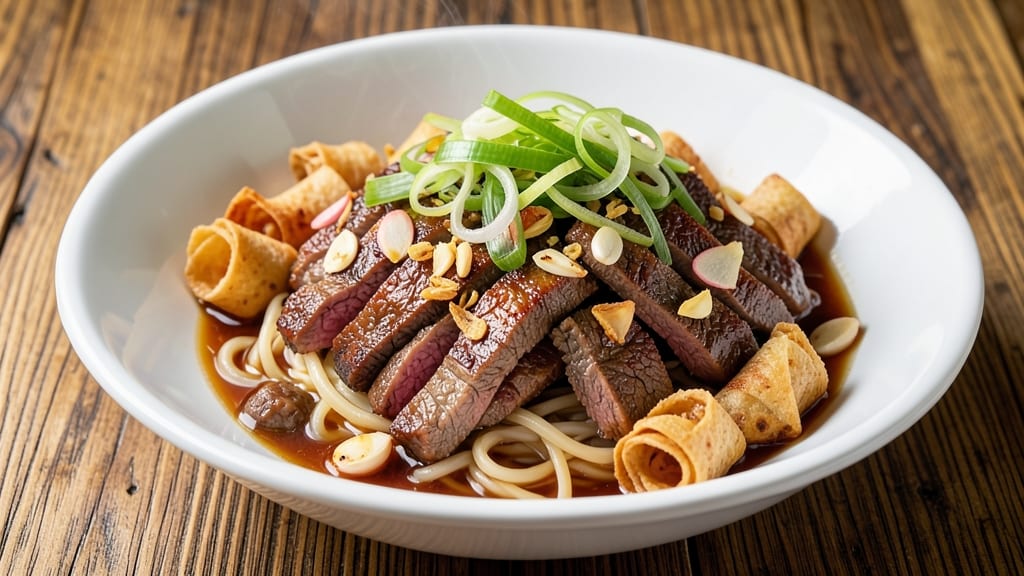
This beef batchoy recipe brings the soul of Filipino comfort food to your kitchen with its perfect balance of rich broth, tender beef, and crispy tortilla crowns.
The dish starts with a deeply aromatic broth infused with garlic, ginger, and leeks, then builds to a symphony of textures—silky egg noodles, melt-in-your-mouth beef, and the signature crispy tortilla crowns that add a satisfying crunch.
I’ve perfected this recipe over years of testing, ensuring every element comes together just right.
The secret to authentic batchoy lies in the broth, which simmers for hours to develop layers of savory depth. Thinly sliced beef cooks until tender but retains its shape, while the egg noodles absorb the flavorful liquid without turning mushy.
What makes this dish truly special is the crispy tortilla crowns—lightly fried until golden and folded into a crown shape, they add a textural contrast that’s impossible to resist. This is the kind of meal that feels like a warm hug on a chilly evening.
By the time you serve this dish, your kitchen will be filled with the enticing aroma of garlic, ginger, and simmering beef. Each bowl delivers a harmonious blend of tender beef, silky noodles, and crispy tortilla crowns, all bathed in a rich, aromatic broth.
The dish is traditionally garnished with fresh green onions, calamansi for a tangy kick, and a sprinkle of crushed peanuts for added crunch. It’s a complete meal that’s hearty enough for a family dinner but elegant enough for a special occasion.
Serve this beef batchoy with extra tortilla crowns on the side and a wedge of calamansi for squeezing over the top. The leftovers reheat beautifully, making it a great option for meal prep or feeding a crowd.
Here’s how to bring this classic Filipino dish to life in your own kitchen.
Ingredients for beef batchoy
Rich broth, tender beef, and crispy tortilla crowns—just these ingredients transform into a Filipino comfort classic.
| Ingredient | Amount | Notes |
|---|---|---|
| Beef Chuck Roast 🥩 | 1 ½ lb | Thinly sliced, 1/4-inch thick |
| Egg Noodles 🍜 | 12 oz | Fresh or dried, wide or medium |
| Flour Tortillas 🍞 | 8 whole | Medium-sized, 8-inch diameter |
| Leeks 🧅 | 2 whole | White and light green parts only |
| Garlic Cloves 🧄 | 8 cloves | Minced, fresh preferred |
| Fresh Ginger 🌿 | 2 tbsp | Grated, peeled |
| Chicken Broth 💧 | 6 cups | Low-sodium preferred |
| Soy Sauce 🍶 | ⅓ cup | Light or regular |
| Calamansi Juice 🍋 | ¼ cup | Or substitute lime juice |
| Vegetable Oil 🫒 | ½ cup | For frying tortillas |
| Salt 🧂 | 1 ½ tsp | Adjust to taste |
| Black Pepper 🌶️ | ½ tsp | Freshly ground |
| Crushed Peanuts 🥜 | ¼ cup | For garnish |
| Green Onions 🧅 | 4 whole | Sliced, for garnish |
The beef is non-negotiable—chuck roast delivers that melt-in-your-mouth texture when sliced thin. Filipino markets often sell pre-sliced beef for batchoy, but if you're slicing yourself, freeze the beef for 30 minutes first to make it easier. Leeks and garlic are the flavor backbone, so don’t skimp on freshness. If you can’t find calamansi (that tangy Filipino citrus), lime juice works in a pinch—just add a pinch of sugar to balance the sharpness. The tortillas should be soft but sturdy enough to hold their shape when fried, so burrito-sized tortillas are ideal.
No calamansi? Lime or even lemon juice will give you that bright acidity, though calamansi has a more complex flavor. Running short on time? Pre-minced garlic from the jar saves steps, but fresh is always better. The broth is where the magic happens—simmer it for at least 2 hours to develop deep flavor. If you’re making this ahead, freeze the broth separately and reheat it gently before adding the noodles. The tortilla crowns are the showstopper—keep them warm in a 200°F oven while you assemble the bowls so they stay crispy.
Leftovers? This dish tastes even better the next day—the flavors meld beautifully. Store the broth and beef separately in airtight containers for up to 4 days. Reheat the broth gently, then add the noodles and beef just before serving. The tortilla crowns can be reheated in a dry skillet for 1-2 minutes per side to restore crispiness. Garnish with crushed peanuts and green onions right before serving—that fresh crunch is what makes batchoy sing.
Why You'll Love This Recipe
- One-Pot Magic: I swear by this recipe when I’m too tired to juggle three pans. The beef chuck roast simmers right in the same pot with the noodles and leeks—minimal chopping, no extra dishes. Honestly, the only thing I measure carefully is the garlic, and even that’s just a rough guess.
- Deep Umami Bomb: That beef chuck roast? It’s the star—tender, rich, and packed with flavor after slow cooking. The leeks add a subtle sweetness, while the garlic and tortillas (yes, tortillas!) create this irresistible crispy edge when folded in. Between us, it’s the kind of dish that makes me want to skip dessert.
- Leftover Hero: This recipe actually improves the next day. The flavors meld even more, and I’ve turned last night’s batch into a quick lunch by reheating everything and wrapping it in fresh tortillas. My kids beg for it—no joke—and I’ve even packed it for work. (Yes, even on a Tuesday night.)
- Budget Crowd-Pleaser: A single chuck roast feeds my family of five for two meals, and the ingredients won’t break the bank. Egg noodles are cheap, tortillas stretch far, and leeks last longer than you’d think. I’ll be real: it’s my go-to when I need to feed a houseful without stressing over cost or cleanup.
Step-by-step instructions for beef batchoy
Here's how to create the perfect batchoy with tender beef, crispy tortilla crowns, and rich broth.
Prepare the Beef and Aromatics
Slice the 1.5 lb Beef Chuck Roast into thin strips about ¼-inch thick—this ensures quick cooking and tender texture. In a large wok or deep skillet, heat 0.25 cup Vegetable Oil over medium-high heat until shimmering. Add the sliced beef and sear for 3-4 minutes until the edges turn light brown but the center remains slightly pink.
Remove the beef and set aside. In the same wok, add 2 whole Leeks (sliced into ½-inch rounds) and 8 cloves Garlic Cloves (minced). Stir-fry for 2 minutes until the leeks soften and the garlic becomes fragrant. Add 2 tbsp Fresh Ginger (grated) and cook for another 30 seconds, stirring constantly to prevent burning.
Build the Flavorful Broth
Pour in 6 cups Chicken Broth and bring to a gentle boil. Add 0.33 cup Soy Sauce and 0.25 cup Calamansi Juice, stirring to combine. Return the seared beef to the wok and simmer for 8-10 minutes until the beef is tender and the broth reduces slightly to a rich, savory consistency.
Season with 1.5 tsp Salt and 0.5 tsp Black Pepper, tasting as you go. The broth should coat the back of a spoon and have a balanced tanginess from the calamansi. If it's too thin, simmer uncovered for another 2-3 minutes to concentrate the flavors.
Cook the Egg Noodles
While the broth simmers, cook the 12 oz Egg Noodles in a separate pot of boiling, well-salted water according to package instructions until al dente—about 1 minute less than suggested. Drain and set aside, reserving ½ cup of the starchy pasta water.
Here's the trick: Toss the drained noodles with 1 tablespoon of the reserved pasta water to prevent sticking. The noodles should be silky and slightly glossy, ready to absorb the rich beef broth without becoming mushy.
Fry the Tortilla Crowns
Heat 0.25 cup Vegetable Oil in a clean skillet over medium heat. Working in batches, fry the 8 whole Flour Tortillas for 1-2 minutes per side until deep golden brown and crispy. Drain on paper towels and keep warm in a 200°F oven to maintain crispness.
For extra crunch, I press down gently on each tortilla during the first 30 seconds of frying—this prevents curling and ensures even browning. The tortillas should be crisp enough to hold their shape when stacked, but not so brittle they shatter.
Assemble and Serve
Divide the cooked egg noodles among 4 bowls, then ladle the beef and broth mixture over the top. Place 2 crispy tortilla crowns on each serving, arranging them like a crown. Garnish with 0.25 cup Crushed Peanuts and 4 whole Green Onions (sliced).
Serve immediately while the tortillas are still crisp and the broth is steaming hot. The contrast of silky noodles, tender beef, and crunchy tortillas makes every bite unforgettable. For extra richness, drizzle a little extra broth over the top before eating!
Pro Tips For Making Beef Batchoy
- Sear the Chuck Roast First: I learned this the hard way—skipping the sear means bland, gray beef. Pat the chuck roast dry, then hit it with high heat in a hot pan for 3-4 minutes per side until deeply browned before slow-cooking. That crust locks in flavor and keeps the meat juicy when it braises later.
- Slice Leeks Thinly and Soak: Leeks can turn your batchoy into a muddy mess if you don’t prep them right. Slice them paper-thin (yes, even the dark green parts) and soak in cold water for 10 minutes to wash out grit. Drain well before cooking—trust me, your broth will thank you.
- Don’t Overcrowd the Tortillas: I used to pile all the tortillas in the pan at once, and they’d just steam instead of crisp. Layer them singly on medium heat for 30 seconds per side until golden, then stack. If you’re short on time, microwave them for 20 seconds first—they’ll still crisp up in the pan.
- Check Beef Doneness Early: Chuck roast is forgiving, but batchoy needs that perfect pull-apart texture. Start checking for tenderness at 2 hours (for 3-4 lbs) with a fork—if it slides in easily, it’s close. Let it rest 10 minutes under foil before slicing, or the juices will run all over your noodles.
Regional styles of these flavors
Manila-Style Batchoy
This is the classic version you’ll find in Manila’s bustling carinderias, where batchoy is a late-night staple. Here, the broth is richer and slightly sweeter, thanks to a touch of brown sugar (about 1 tsp) added during simmering.
The beef is sliced even thinner—⅛-inch thick—and the tortilla crowns are stacked high, almost like a tower. I’ve seen vendors fry the tortillas in lard for extra richness, but vegetable oil works just fine.
The key is keeping the tortillas warm in a 200°F oven while you assemble bowls—this ensures they stay crispy until the very last bite. 🍽️
Pampanga Twist
In Pampanga, the birthplace of batchoy, the dish gets a smoky depth from charred garlic and leeks. Start by blackening the garlic and leeks in oil until they’re fragrant and slightly bitter—this adds a unique umami kick.
The broth here is often made with a splash of soy sauce and a pinch of sugar (about ½ tsp each) to balance the flavors. Locals also add thinly sliced radishes to the broth for a peppery crunch.
For the tortillas, Pampanga-style batchoy uses smaller, softer tortillas that crisp up beautifully when fried. 🔥
Baguio-Inspired Version
Up in the cooler highlands of Baguio, batchoy takes on a heartier profile with potatoes added to the broth. Thinly slice 1 medium potato and parboil it for 3 minutes before adding it to the simmering broth—this keeps it tender while soaking up the flavors.
The beef here is often marinated in soy sauce and calamansi juice for 30 minutes before cooking to deepen its flavor. The tortilla crowns in Baguio-style batchoy are sometimes brushed with a little melted butter before frying for extra crispiness.
The dish is served with extra green onions and a side of vinegar for dipping. ❄️
Modern Filipino Fusion
For a contemporary take, try adding shredded cabbage and carrots to the broth for a fresh, crunchy element. Swap the traditional flour tortillas for corn tortillas to give the dish a Mexican-inspired twist.
The beef can also be marinated in a mix of soy sauce, calamansi juice, and a dash of fish sauce for 1 hour before cooking—this adds a complex umami depth. Garnish with crushed peanuts and fresh cilantro for a fusion of Filipino and Southeast Asian flavors.
This version is perfect for those who love bold, layered tastes. 🌶️
Regional Tortilla Techniques
Each region has its own way of handling the tortilla crowns. In Cebu, they’re often fried in coconut oil for a subtly sweet flavor, while in Davao, the tortillas are brushed with a beaten egg before frying to create an extra-crispy, golden-brown crust.
For a crispier texture, some cooks double-fry the tortillas—first at medium heat to cook through, then at high heat for 30 seconds to get that perfect crunch. The secret? Keep the oil at a steady temperature—too hot, and they’ll burn; too cool, and they’ll turn greasy. 💡
Street Food Adaptations
If you’re making batchoy for a crowd, like at a street food stall, opt for larger batches of broth and pre-sliced beef to save time.
Vendors often use a mix of beef and pork for extra richness, and they’ll add a splash of vinegar at the end to brighten the flavors. For serving, use banana leaves to keep the tortillas warm and add an aromatic touch.
Street-style batchoy is all about bold flavors and quick service, so don’t be afraid to adjust seasonings to your taste—just
Nutrition facts
Frequently asked questions
What makes the tortilla crowns crispy in batchoy?
Frying the tortillas at medium heat for 1-2 minutes per side until deep golden brown is key. Press them gently during the first 30 seconds to prevent curling, then keep warm in a 200°F oven until serving. Using fresh tortillas and maintaining steady oil temperature ensures maximum crispiness.
Can I substitute calamansi in this recipe?
Yes! If you can't find calamansi, use lime juice (add ½ tsp sugar to balance sharpness) or lemon juice. For deeper flavor, mix ¼ cup lime juice + 1 tsp fish sauce. The acidity is what brightens the rich beef broth.
How do I prevent the noodles from getting mushy?
Cook them 1 minute less than package instructions and drain well. Toss with 1 tablespoon reserved pasta water before adding to the broth. The starchy water helps bind the noodles while keeping them silky. Serve immediately after assembling.
Can I make batchoy ahead of time?
Prepare the broth and beef separately, then refrigerate for up to 4 days or freeze for 3 months. Reheat broth gently, add fresh noodles and beef just before serving. Keep tortilla crowns separate and reheat in a dry skillet for 30 seconds to restore crispiness.
What's the best way to slice beef for batchoy?
Freeze the beef for 30 minutes first to firm it up, then slice against the grain into ¼-inch thick strips. Use a sharp knife and work quickly to maintain even thickness. Pre-sliced beef from Filipino markets works perfectly too.