
Sauces & Condiments
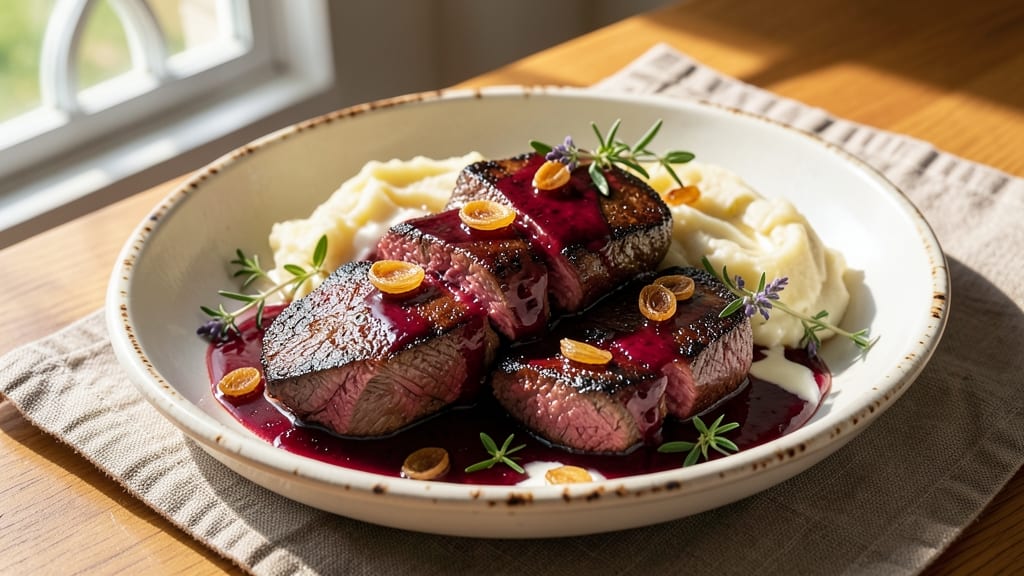
This beef and red wine sauce recipe transforms simple ingredients into a velvety, deeply flavorful sauce that elevates any beef dish in just 20 minutes.
The secret lies in proper reduction—letting the wine and beef stock simmer until rich and concentrated, while aromatics like shallots and garlic build layers of complexity. I’ve perfected this sauce over years of testing, ensuring it’s foolproof for home cooks yet impressive enough for dinner guests.
The beauty of this sauce is its versatility—it pairs perfectly with steak, roasted beef, pasta, or even mashed potatoes. A touch of butter at the end creates a luxurious finish, while a splash of cream adds richness without overpowering the wine’s bold flavor.
No special techniques are required, just patience as the sauce reduces to its full potential.
What you’ll end up with is a sauce that’s deep red, glossy, and packed with umami—the kind that makes every bite of your main course taste like a restaurant-quality meal.
The wine’s acidity cuts through the richness, while the beef stock ensures depth. This isn’t just a sauce; it’s the centerpiece of your dish.
Ready in 20 minutes, this sauce requires minimal effort but delivers maximum impact. Whether you’re serving it over a Sunday roast or drizzling it over a hearty pasta, it’s a game-changer for weeknight dinners. Let’s get started!
Ingredients for beef and red wine sauce
Nine ingredients, one luxurious sauce that transforms simple beef dishes into restaurant-worthy meals.
| Ingredient | Amount | Notes |
|---|---|---|
| Dry Red Wine 🍷 | 1 cup | Bold, dry variety like Cabernet Sauvignon |
| Beef Stock 🥩 | 2 cups | Homemade or quality store-bought |
| Shallots 🧅 | 2 whole | Finely minced, about 0.25 cup |
| Garlic Cloves 🧄 | 4 cloves | Minced, not pressed |
| Unsalted Butter 🧈 | 4 tbsp | Cold, cubed for finishing |
| Heavy Cream 🥛 | ½ cup | Full-fat for richness |
| Tomato Paste 🍅 | 1 tbsp | Smooth, not chunky |
| Fresh Thyme Leaves 🌿 | 1 tbsp | Or 1 tsp dried thyme |
| Diamond Crystal Kosher Salt 🧂 | 1 tsp | Adjust to taste |
| Freshly Ground Black Pepper 🌶️ | ½ tsp | Cracked peppercorns preferred |
The red wine is non-negotiable here—Cabernet Sauvignon or Merlot work best, but any bold, dry variety will do. Trader Joe's and Total Wine often have affordable bottles perfect for cooking. If you're using store-bought beef stock, Kitchen Basics or Pacific Foods are my go-tos—they've got that deep, rich flavor without artificial additives. Shallots add subtle sweetness that garlic can't match, so don't skip them. For the butter, Plugrá is my secret weapon—it's European-style and melts beautifully for that glossy finish. The heavy cream should be full-fat; Hormel or Organic Valley are reliable brands that won't break the bank.
No red wine? Substitute with beef broth plus 1 tbsp balsamic vinegar—it'll mimic that winey depth. Fresh thyme is ideal, but dried works at one-third the amount. If tomato paste feels like overkill, Trader Joe's squeeze tubes are perfect—they're concentrated and last months in the fridge. For the aromatics, if you're short on shallots, double the garlic and add 1/4 tsp onion powder. The butter at the end is crucial—it emulsifies the sauce and gives that velvety texture. If you're avoiding dairy, coconut cream works but changes the flavor profile.
This sauce tastes even better the next day as the flavors meld. Store it in an airtight container in the fridge for up to 5 days. For longer storage, freeze in ice cube trays—thaw just what you need. The sauce thickens as it cools, so you can thin it with a splash of warm water or beef stock if needed. I always make extra because it disappears fast—perfect for drizzling over steak, pasta, or even mashed potatoes. If you're prepping ahead, reduce the sauce slightly before storing to prevent a skin from forming.
Why You'll Love This Recipe
- Pantry Stash Magic: I swear by this recipe on days when I’ve forgotten to grocery shop. Shallots and garlic sit in my fridge forever, red wine’s always lurking in the cabinet, and butter? Always. Toss in beef stock, simmer, and—boom—restaurant-worthy sauce without the takeout run.
- Rich Without Effort: That wine reduction? It’s where the magic happens. The shallots caramelize into sweetness while the garlic deepens into savory warmth, all wrapped in a velvety butter finish. Honestly, I’ve made this sauce for people who “don’t like wine,” and they still ask for seconds.
- Leftovers That Shine: This sauce improves overnight—yes, really. The flavors meld into something deeper, richer, and way more impressive than what you started with. I’ve turned day-old portions into quick pasta dinners, slathered it over grilled chicken, or even drizzled it on mashed potatoes. Versatile? Absolutely.
- Weeknight Hero: Between us, this is my go-to when I’m staring at a half-empty fridge and a hungry family. Thirty minutes max, minimal chopping (shallots take two minutes if you pulse them), and it turns whatever protein you’ve got into something special. No stress, all satisfaction.
Step-by-step instructions for beef and red wine sauce
Here's how to create a velvety, wine-infused sauce that elevates any beef dish.
Sauté Shallots and Garlic Until Fragrant
Melt 2 tablespoons of the unsalted butter in a large, heavy-bottomed saucepan over medium heat. Add the 2 whole shallots, minced finely, and cook for 5 minutes until they become translucent and just beginning to soften. Here's the thing—don't rush this step. You want the shallots to caramelize slightly, which builds deep flavor.
Add the 4 cloves garlic cloves, minced, and cook for another 30 seconds until the raw garlic aroma disappears and you can smell the sweet, nutty aroma of cooked garlic. Watch the pan carefully—garlic burns faster than you might expect. If the mixture starts to brown too quickly, reduce the heat slightly. This aromatic base is the foundation of your sauce, so take your time.
Deglaze with Red Wine and Tomato Paste
Pour in the 1 cup dry red wine and scrape up all the browned bits from the bottom of the pan with a wooden spoon. This deglazing step captures all the concentrated flavor that would otherwise go to waste. Let the wine simmer for 3-4 minutes until it reduces by about half and the alcohol smell dissipates—you'll notice the aroma becomes richer and more complex.
Stir in the 1 tablespoon tomato paste and cook for another 1 minute until it darkens slightly and blends completely with the wine mixture. This step adds depth and a subtle sweetness that balances the acidity of the wine. The sauce should now have a thick, syrupy consistency and a deep, inviting color. If it looks too thin at this point, don't worry—the stock will thicken it up as it cooks.
Build the Sauce with Stock and Herbs
Pour in the 2 cups beef stock and bring the mixture to a gentle simmer. Add the 1 tablespoon fresh thyme leaves, 1 teaspoon diamond crystal kosher salt, and ½ teaspoon freshly ground black pepper. Let it simmer uncovered for 8-10 minutes until the liquid reduces by about one-third and the sauce thickens slightly. You're looking for a consistency that coats the back of a spoon but isn't gluey.
Here's where it gets interesting—taste the sauce and adjust the seasoning if needed. The wine and stock might need a touch more salt, or perhaps a splash of lemon juice to brighten the flavors. This is your chance to fine-tune the sauce to your exact taste. The thyme should be fragrant but not overpowering, and the pepper should add a subtle heat that lingers.
Finish with Cream and Butter
Reduce the heat to low and stir in the ½ cup heavy cream. Let the sauce simmer gently for 3-4 minutes until it thickens slightly and the cream is fully incorporated. The sauce should now be rich, velvety, and deeply flavorful. If it's still too thin, simmer for another minute or two to reduce it further.
Remove the pan from heat and stir in the remaining 2 tablespoons unsalted butter, cubed. Let it melt completely into the sauce, which will give it a luxurious finish and help balance the acidity of the wine. The sauce should now be glossy, with a beautiful deep red color and a complex aroma that combines the earthiness of the wine, the richness of the cream, and the herbal notes of the thyme. Taste once more and adjust seasoning if needed—this is your final chance to perfect it.
Use Immediately or Store Properly
Serve the sauce immediately over your choice of beef dishes—steak, roast, or pasta—where it will cling beautifully and infuse every bite with its rich, wine-infused flavor. If you need to store it, let the sauce cool to room temperature, then transfer it to an airtight container. It will keep in the refrigerator for up to 3 days or in the freezer for up to 3 months. When reheating, do so gently over low heat to prevent the sauce from curdling or separating.
Real talk: This sauce is even better the second day, as the flavors continue to meld and deepen. The wine reduces further, and the cream integrates completely, resulting in a sauce that's even more complex and satisfying. Just be sure to reheat it slowly and stir frequently to maintain its silky texture. Enjoy it over your favorite beef dish—it's the perfect way to elevate a simple meal into something truly special.
Pro Tips For Making Beef And Red Wine Sauce
- DEGLAZE WITH HEAT: Start your wine reduction on medium-high—low heat means you’ll be waiting 20 minutes for the alcohol to burn off. The moment you add wine, keep the pan moving and let it bubble vigorously until it’s cut in half. (Yes, even if you’re impatient like me.)
- MINCE SHALLOTS FINELY: Slice those shallots paper-thin first, then chop crosswise into tiny dice—anything bigger and you’ll taste them instead of the wine’s bright acidity. I learned this the hard way after serving a sauce where the shallots were just “background noise.”
- STOP THE BOIL: When reducing the wine, watch for a hard boil—it’ll turn your sauce bitter and sharp. Pull the pan off heat for 30 seconds if it gets too aggressive, then return to low. (Your future self will thank you.)
- BUTTER IN LAYERS: Add your butter in two batches: first when the shallots are soft but not browned, then again at the very end to gloss the sauce. Cold butter at the end makes it silky, while too much too soon will steam the wine right out of the pan.
Serving suggestions for this recipe
Steak Pairing Perfection
This sauce is tailor-made for ribeye or New York strip steak, where its rich depth complements the beef's natural flavors. I like to serve it with medium-rare steak (about 145°F internal temperature) for that perfect balance of tenderness and sauce absorption.
For extra drama, sear the steak in a cast-iron skillet with 2 tbsp butter and 2 cloves garlic, then spoon the warm sauce over the top right before serving. 🥩
Pasta Elevation
Toss this sauce with fettuccine or pappardelle for an instant restaurant-quality dish. I recommend cooking the pasta al dente (1 minute less than package instructions) so it doesn't turn mushy when mixed with the sauce.
For a luxurious touch, add ¼ cup grated Parmigiano-Reggiano and 2 tbsp chopped parsley just before serving. The wine's acidity cuts through the pasta's starchiness beautifully.
Mashed Potato Upgrade
Transform creamy mashed potatoes into a gourmet side by folding in ½ cup of the warm sauce per 4 cups potatoes. The sauce's richness adds depth without making the potatoes heavy.
For extra elegance, top with crispy fried shallots (sauté ¼ cup sliced shallots in 2 tbsp butter until golden) and a sprinkle of fresh thyme. This combo is perfect for holiday dinners.
Grilled or Roasted Beef
Use this sauce to glaze grilled beef tenderloin or herb-crusted beef roast during the last 10 minutes of cooking. Brush it on generously and let it caramelize slightly in the heat.
The wine's acidity helps tenderize the meat while adding a glossy finish. For roasted beef, I like to make a double batch—one for glazing and one for serving on the side.
Bread or Dumplings
Don't let leftovers go to waste! Use extra sauce to make beef and wine bread pudding by soaking 4 cups day-old crusty bread in 1 cup sauce, then baking with 1 cup shredded Gruyère until golden.
For a quicker option, drop spoonfuls of sauce into simmering beef broth to create rich wine dumplings—simmer for 15 minutes until they float and thicken.
Garnish Game-Changers
Elevate any dish with these simple garnishes: toasted pine nuts (sauté ¼ cup in 1 tbsp butter for 2 minutes) add crunch, while crispy prosciutto chips (bake 2 oz thinly sliced prosciutto at 350°F for 8 minutes) bring salty sophistication.
A final drizzle of high-quality olive oil (like California Extra Virgin) adds shine and balance. 💫
Nutrition facts
Frequently asked questions
Can I substitute white wine for red wine in this sauce?
The recipe calls for red wine because its bold, dry profile creates the rich, deep flavor this sauce is known for. White wine lacks the tannins and body needed for that signature taste. If you must substitute, use 1 cup beef broth plus 1 tbsp balsamic vinegar—it mimics the acidity and depth. The sauce will still be delicious but will taste more like a classic demi-glace than a wine reduction.
Why does my sauce turn out too thin? How can I fix it?
Sauce thinning often happens when it doesn’t reduce enough during simmering. To fix it, simmer uncovered for 5-10 more minutes to evaporate excess liquid. For a quick fix, mix 1 tbsp cornstarch with 2 tbsp cold water, stir into the sauce, and simmer for 2 minutes until thickened. If the sauce separates, whisk in 1 tbsp cold butter to re-emulsify it.
How do I prevent the sauce from getting bitter?
Bitterness usually comes from over-reducing the wine or burning the aromatics. To avoid it, never let the wine boil—simmer gently until reduced by half (3-4 minutes). For the shallots and garlic, cook them just until fragrant (5 minutes total)—don’t let them brown. If the sauce tastes bitter, balance it with a splash of lemon juice or a pinch of sugar to brighten the flavors.
Can I make this sauce ahead of time?
This sauce tastes even better the next day as flavors meld. Store it in an airtight container in the fridge for up to 5 days. For longer storage, freeze in ice cube trays—thaw just what you need. Reheat gently over low heat, stirring frequently to maintain its silky texture. If it thickens too much, thin with a splash of warm beef stock or water.
What’s the best way to reheat leftovers without curdling?
Reheat the sauce slowly over low heat in a saucepan, stirring constantly. Avoid high heat, which can cause the cream to separate. For extra insurance, whisk in 1 tbsp cold butter or cream at the end to re-emulsify. If the sauce looks too thick, add a splash of warm water or beef stock. Never microwave—it breaks the sauce’s velvety texture.