
Soups & Stews
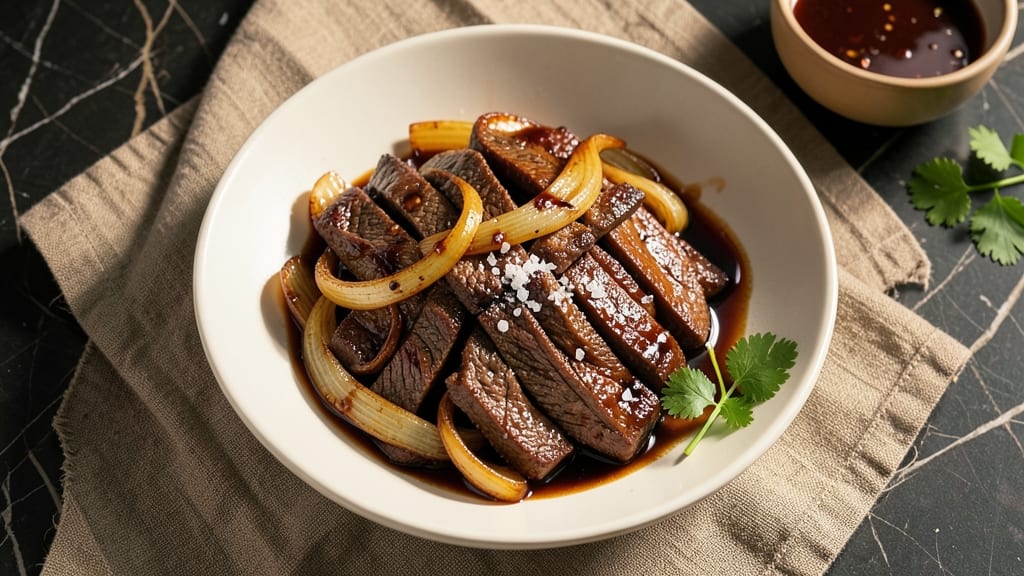
This beef and onion Chinese recipe delivers the wok-fired richness and caramelized depth that define classic Chinese home cooking. The secret lies in high-heat stir-frying that creates wok hei—that signature smoky aroma—while balancing sweet, savory, and umami flavors through precise seasoning.
I developed this version after years of testing, ensuring every bite delivers tender beef, sweet onions, and a glossy sauce that clings perfectly to the ingredients.
The process begins with properly prepping the beef—thinly sliced, marinated, and seared quickly over high heat to lock in juices. Meanwhile, the onions caramelize beautifully, adding natural sweetness that deepens as they cook.
A touch of soy sauce, Shaoxing wine, and a hint of sugar create the perfect umami-sweet balance that defines authentic Chinese stir-fries.
What you'll end up with is a dish that's restaurant-quality at home—golden-brown beef with tender edges, perfectly caramelized onions, and a sauce that's rich yet not overpowering.
The aroma alone will have everyone gathering around the table, and the flavors build with each bite, making this a weeknight favorite that feels like a celebration.
Serve it over steamed jasmine rice or with fluffy mantou buns to soak up every last drop of that delicious sauce. The technique is straightforward, but the result is anything but ordinary—this is the kind of dish that transforms a simple meal into something truly memorable.
Ingredients for beef and onion chinese
High-quality ingredients transform simple beef and onions into restaurant-worthy Chinese stir-fry.
| Ingredient | Amount | Notes |
|---|---|---|
| Flank Steak 🥩 | 1 ¼ lb | Thinly sliced against grain |
| Yellow Onions 🧅 | 2 large | Sliced into 1/4-inch strips |
| Dark Soy Sauce 🥄 | 2 tbsp | For deep umami flavor |
| Light Soy Sauce 🥄 | 1 tbsp | Balances the richness |
| Shaoxing Wine 🍷 | 2 tbsp | Authentic Chinese flavor |
| Granulated Sugar 🍚 | 1 tbsp | Enhances caramelization |
| Cornstarch 🌾 | 1 tbsp | For tenderizing beef |
| Sesame Oil 🫒 | 1 tsp | Toasted for aroma |
| Garlic Cloves 🧄 | 4 cloves | Minced for depth |
| Fresh Ginger 🌿 | 1 inch | Julienned for zing |
| Vegetable Oil 🫒 | 3 tbsp | High smoke point |
| Green Onions 🧅 | 3 whole | Sliced for garnish |
| Jasmine Rice 🍚 | 1 ½ cups | Uncooked for serving |
| Salt 🧂 | 1 tsp | Kosher preferred |
| Black Pepper 🌶️ | ½ tsp | Freshly ground |
The flank steak is non-negotiable—look for well-marbled cuts at Whole Foods or your local Asian market. Thinly slicing against the grain ensures tender bites. For Shaoxing wine, King's Vinegar brand delivers authentic flavor, though any dry sherry works in a pinch. Yellow onions should be firm with no soft spots—Vidalia or sweet varieties caramelize beautifully. The cornstarch isn't just for thickening; it tenderizes the beef during marinating. Buy sesame oil in small bottles to preserve its delicate aroma, as it loses potency quickly once opened.
No Shaoxing wine? Dry sherry or even white wine vinegar adds similar depth, though the flavor profile shifts slightly. Substitute dark soy sauce with hoisin plus a dash of molasses for a sweeter profile. Ginger too fibrous? Ground ginger at half the amount works, but fresh julienned pieces deliver that signature zing. The onions can be swapped for shallots, though they'll caramelize faster. For a quicker prep, use pre-sliced onions from the Asian produce section—they're often more consistent in size. The beef marinade (soy, Shaoxing, sugar) can be prepped hours ahead, letting flavors meld.
Store prepped beef marinade in an airtight container for up to 12 hours in the fridge. Onions keep 1 week wrapped in paper towels, while garlic and ginger last 2 weeks in a sealed container. The cooked dish reheats beautifully—simmer in a splash of water for 2-3 minutes to restore moisture. Portion into containers with rice for meal prep; flavors intensify overnight. Freeze for up to 3 months if using the cornstarch marinade—it prevents freezer burn remarkably well.
Why You'll Love This Recipe
- Steak in Minutes: I swear, the flank steak slices in half the time of a full roast—just quick sear, then simmer. No fancy prep, no waiting hours.
- Umami Bomb: That combo of dark soy for depth and Shaoxing wine? It’s like a flavor explosion. The onions caramelize just enough to make every bite sing.
- Lunchbox Hero: Pack it cold for work or reheat it for dinner—same great taste. My kids actually ask for leftovers, which never happens.
- Budget Win: Flank steak stretches further than you’d think, and onions are dirt cheap. One pan, minimal ingredients, maximum satisfaction.
Step-by-step instructions for wok-fired beef and onions
This method delivers restaurant-quality caramelized onions and tender beef with perfect umami balance.
Prepare the Flank Steak for Maximum Tenderness
Begin by slicing the 1.25 lb flank steak thinly against the grain using a sharp knife. This ensures each bite will be tender rather than chewy. Place the sliced beef in a bowl and add 1 tbsp cornstarch, 1 tbsp light soy sauce, and 0.5 tsp black pepper. Toss gently to coat evenly—this creates a velvety texture while tenderizing the meat.
Let the marinated beef rest for 15 minutes at room temperature. This resting period allows the cornstarch to begin breaking down the muscle fibers, resulting in more tender beef. While it rests, slice the 2 large yellow onions into ¼-inch strips and set aside. The onions will caramelize beautifully, adding sweet depth to the dish.
Cook the Jasmine Rice to Perfection
Rinse the 1.5 cups jasmine rice thoroughly under cold water until the water runs clear. This removes excess starch, preventing gummy rice. Combine the rice with 2 cups water and 1 tsp salt in a pot, then bring to a boil over high heat. Once boiling, reduce to low heat, cover, and simmer for 15 minutes. Remove from heat and let it steam, covered, for another 10 minutes. The rice should be fluffy and separate—this forms the ideal base for your dish.
While the rice cooks, heat 1 tbsp vegetable oil in a small skillet over medium heat. Add the 4 minced garlic cloves and 1-inch julienned fresh ginger, cooking for 30 seconds until fragrant. Remove from heat and set aside—these aromatics will infuse the dish with depth when added later.
Caramelize the Onions for Sweet Richness
Heat 2 tbsp vegetable oil in a wok or large skillet over medium heat. Add the sliced yellow onions and cook, stirring occasionally, for 8-10 minutes until they begin to soften and release moisture. Reduce heat to medium-low and continue cooking for another 10-12 minutes, stirring frequently, until the onions are deep golden brown and caramelized. This slow cooking process develops their natural sweetness, creating the signature flavor of this dish.
In the last 2 minutes of cooking, add 1 tbsp granulated sugar to the onions. This enhances the caramelization, giving them a glossy, sweet-savory finish. Remove the onions from the wok and set aside, keeping them warm. The residual heat will maintain their texture while you cook the beef.
Sear the Beef to Juicy Perfection
Increase the heat to high and add the remaining 1 tbsp vegetable oil to the wok. Working in batches if necessary, add the marinated beef and cook for 1-2 minutes until the edges are lightly browned and the beef is just cooked through—it should still be slightly pink in the center. Remove the beef from the wok and set aside.
Deglaze the wok immediately by adding 2 tbsp shaoxing wine and scraping up any browned bits from the bottom. This step captures all the concentrated flavors that have built up during cooking. Stir in the 2 tbsp dark soy sauce and the reserved garlic-ginger mixture, simmering for 1 minute until the sauce thickens slightly. Return the beef to the wok and toss gently to coat in the sauce.
Finish and Serve with Garnish
Reduce heat to low and stir in 1 tsp toasted sesame oil. This adds a nutty aroma that elevates the dish. Taste and adjust seasoning if needed—you may need a touch more soy sauce or a pinch of sugar to balance the flavors. The beef should be tender, the onions caramelized, and the sauce glossy with depth.
Serve the beef and onions over the jasmine rice, garnished with 3 sliced green onions. The contrast of the fluffy rice with the rich, caramelized beef and onions creates a harmonious balance of textures and flavors. Each bite should deliver tender beef, sweet onions, and a savory-sweet sauce that lingers on the palate.
Pro Tips For Making Beef And Onion Chinese
- Slice Against the Grain: Flank steak’s fibers run long, and if you cut them with the grain, you’ll end up with chewy, rubbery slices. Turn the steak 45 degrees on your cutting board and slice diagonally against the grain—this shortens the fibers and keeps every bite tender. (Yes, it looks weird, but trust me on this.)
- Char the Onions First: Skip the slow cook and start with high heat. Sear the onions in a dry pan for 3-4 minutes until deep golden brown on the edges—this builds flavor before they even hit the sauce. I used to soften them first, and the dish always tasted flat until I learned this.
- Deglaze Aggressively: After searing the steak, don’t just splash in the soy sauce and wine—scrape every last bit of browned bits from the pan with a wooden spoon. Those bits are pure flavor, and skipping this step means losing half the depth of taste. (I know, it’s annoying, but it’s worth it.)
- Balance the Soy Sauces: Dark soy adds color, light soy adds saltiness—but use them in a 2:1 ratio (light:dark). Too much dark soy makes the dish look murky, and too much light soy can overpower the beef. Start with 1 tablespoon light and ½ tablespoon dark, then adjust to taste. (Taste as you go, or you’ll regret it later.)
Make-ahead tips for beef and onion chinese
Prep Ahead Essentials
Start your marinade the night before—I mix 1 tbsp cornstarch, 1 tbsp light soy sauce, and 0.5 tsp black pepper with the sliced beef in an airtight container.
This gives the beef time to absorb flavors deeply, making it incredibly tender. Store it in the fridge for up to 12 hours before cooking. 💫
Onion Prep Shortcut
Slice the 2 large yellow onions into ¼-inch strips and store them in a sealed container with a paper towel to absorb moisture. They'll keep in the fridge for 5 days, and you can caramelize them straight from the fridge—just add 2 extra minutes to the cooking time.
This saves you from last-minute prep chaos.
Sauce Components Ready
Combine the sauce ingredients—2 tbsp dark soy sauce, 2 tbsp Shaoxing wine, and 1 tbsp sugar—in a small bowl with a splash of water. Store this mixture in the fridge for up to 3 days.
When you're ready to cook, simply heat it in the wok for 1 minute before adding the beef. This keeps your cooking process efficient and flavorful.
Rice Prep Strategy
Cook the 1.5 cups jasmine rice a day ahead and store it in an airtight container at room temperature. Reheat portions in the microwave with a damp paper towel for 2 minutes to restore moisture.
Alternatively, store cooked rice in the fridge for up to 3 days and reheat with a splash of water on the stovetop for 3-5 minutes. This ensures your rice stays fluffy and ready to serve.
Freezer-Friendly Packaging
For long-term storage, portion the cooked beef and onions into airtight containers with a layer of rice. Seal tightly and freeze for up to 3 months. When reheating, thaw overnight in the fridge, then warm in the microwave for 3-4 minutes with a splash of water to restore moisture.
The cornstarch marinade helps prevent freezer burn, keeping the beef tender and flavorful. ✨
Garnish Prep
Slice the 3 green onions and store them in a sealed container with a damp paper towel in the fridge for up to 5 days.
Toast the 1 tsp sesame oil in a small pan over low heat for 1 minute and store it in a dark bottle in the fridge for up to 2 weeks. These fresh garnishes will add vibrant color and aroma to your dish whenever you're ready to serve.
Nutrition facts
Frequently asked questions
Can I substitute flank steak with another cut of beef?
For this dish, look for thinly sliced cuts like sirloin, ribeye, or even pre-sliced beef for stir-fry from the Asian market. The key is thin slicing against the grain—this ensures tenderness regardless of the cut. Flank steak is ideal because of its lean texture, but ribeye adds more marbling for extra richness. Just adjust cooking time by 30 seconds if using thicker slices.
What's the secret to getting perfectly caramelized onions?
Low and slow is the name of the game! Cook the onions on medium-low heat for 10-12 minutes after they soften, stirring frequently. The sugar you add in the last 2 minutes enhances the caramelization, but don't rush—patience creates that deep golden color and sweet flavor. A splash of water can help if they stick too much, but keep the heat gentle to avoid burning.
Can I make this dish in a regular skillet instead of a wok?
Yes, but you'll need to work in batches. A 12-inch cast iron skillet works well—just use high heat and reduce the oil slightly. The key is to maintain that wok hei (smoky aroma) by keeping the heat high and cooking quickly. If your skillet isn't wide enough, cook the onions first, then remove them and sear the beef in the same pan before combining everything.
How do I fix beef that's still tough after cooking?
If your beef turns out chewy, it likely wasn't sliced thinly enough or didn't rest properly before cooking. For next time, slice against the grain and marinate for at least 15 minutes with cornstarch. If it's already cooked, try slicing it thinner or serving it with extra sauce to help tenderize. The cornstarch marinade should prevent this, but even restaurant-quality beef needs proper prep!
What are good sides to serve with this dish?
This rich beef and onion stir-fry pairs beautifully with light, fresh sides. Try steamed bok choy, cucumber salad with sesame dressing, or hot mantou buns to soak up the sauce. For a complete meal, serve with jasmine rice (as in the recipe) and a simple green tea to cleanse the palate. The contrast of textures and temperatures makes every bite more satisfying.