
Soups & Stews
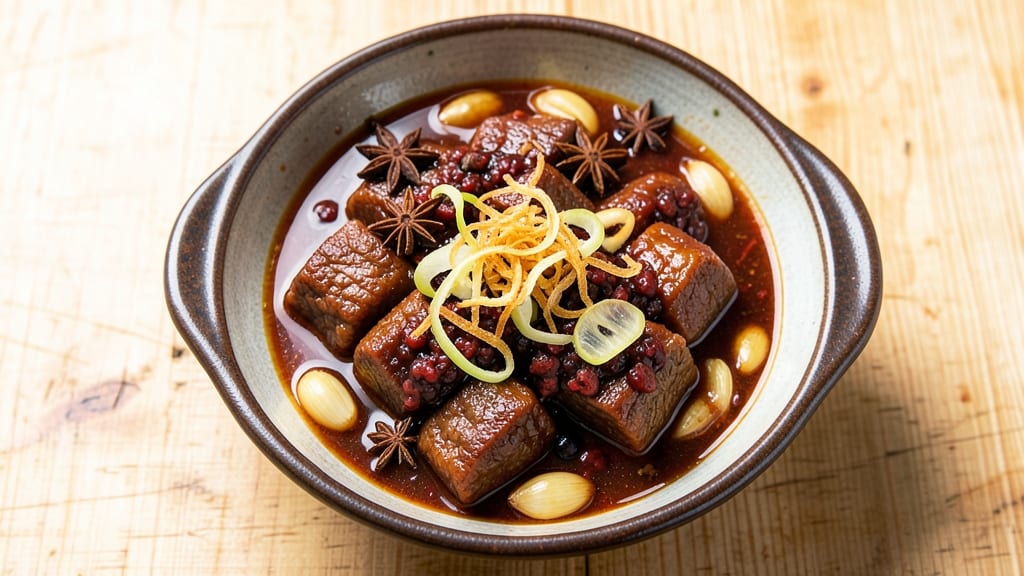
This authentic Chinese beef stew recipe transforms tough cuts into melt-in-your-mouth tenderness through slow simmering and aromatic spices. The secret lies in star anise, soy sauce, and fermented bean paste working together to create a deeply flavorful broth that's rich yet balanced.
I've perfected this technique over years of testing, ensuring every bite delivers that restaurant-quality depth you crave.
The beauty of this dish is its simplicity combined with authenticity. With just a few key ingredients—beef chuck, soy sauce, star anise, and ginger—you'll create a stew that's both comforting and impressive.
The long braising time (about 3 hours) breaks down the meat beautifully while developing complex flavors in the broth.
What you'll end up with is a steaming bowl of tender beef swimming in a velvety sauce infused with warm spices. The aroma alone will have everyone gathering around the table, and each bite delivers that perfect balance of savory, sweet, and umami.
This is the kind of dish that tastes even better the next day.
Serve it with steamed jasmine rice and a side of dumplings for the complete experience. The leftovers reheat beautifully, making this an ideal meal prep option too. Let's get cooking!
Ingredients for authentic chinese beef stew
Just 15 ingredients transform tough beef into restaurant-quality stew with star anise and soy.
| Ingredient | Amount | Notes |
|---|---|---|
| Beef Chuck Roast 🥩 | 2 lb | Pre-cubed for even cooking |
| Light Soy Sauce 🥄 | ½ cup | Kikkoman or similar |
| Star Anise Pods 🌿 | 3 whole | Whole pods for infusion |
| Fermented Black Bean Paste 🍶 | 2 tbsp | Doubanjiang or substitute |
| Fresh Ginger Root 🧅 | 2 tbsp | Grated, not sliced |
| Garlic Cloves 🧄 | 6 cloves | Crushed for aroma |
| Dried Red Chili Peppers 🌶️ | 2 whole | Optional for heat |
| Cinnamon Sticks 🌿 | 2 whole | For depth of flavor |
| Brown Sugar 🍯 | 2 tbsp | Light or dark |
| Shaoxing Wine 🍷 | ¼ cup | Substitute dry sherry |
| Water 💧 | 4 cups | Or beef broth |
| Cornstarch 🌾 | 1 tbsp | For thickening |
| Sesame Oil 🫒 | 1 tbsp | For finishing |
| Green Onions 🧅 | ¼ cup | Sliced for garnish |
| Salt 🧂 | 1 tsp | Adjust to taste |
The beef chuck is your secret weapon—its tough fibers melt into tenderness over hours. Costco or Trader Joe's carry pre-cubed chuck, saving you time. Look for cuts with good marbling for extra flavor. Star anise and fermented black bean paste are non-negotiable for that authentic umami punch. Asian markets usually have both, but if you can't find fermented black bean paste, a mix of hoisin and a dash of chili flakes works in a pinch. Fresh ginger and garlic are freshest at the grocery store's produce section—pick firm, aromatic roots.
No star anise? Anise seeds or fennel seeds work at double the amount. Shaoxing wine hard to find? Dry sherry or even a splash of red wine does the trick. The brown sugar balances the soy's saltiness—don't skip it. For extra depth, add a bay leaf or two. The cornstarch thickening? Use it sparingly—just enough to make the sauce cling to the beef. And if you're feeling adventurous, add a dried tangerine peel for citrusy brightness (found in Asian markets).
This stew gets better with time—3 hours minimum for maximum tenderness. Store leftovers in the fridge for 5 days or freeze for 3 months. I always double the recipe because it reheats beautifully and tastes even richer the next day. For meal prep, portion into containers with rice—just microwave and enjoy. The sauce thickens as it cools, so add a splash of water when reheating if needed.
Why You'll Love This Recipe
- One-Pot Magic: I swear by this—just toss the beef, aromatics, and broth into one pot, then let it work its own spell. No chopping mountains of veggies or fussing with multiple pans. That star anise and ginger root? They infuse the whole thing with warmth while you sip tea and scroll through your phone.
- Deep Umami Bomb: The fermented black bean paste and light soy sauce team up like old friends, creating layers of savory that stick with you. That slow-cooked beef? It’s tender enough to fall apart, but with just enough bite to keep things interesting. Honestly, the first bite makes me forget I’m not at a dim sum spot.
- Leftovers That Beg: This stew tastes better the next day—yes, really. I make a double batch on Sundays and freeze half; reheating it for lunch is like getting a free hug from my kitchen. The flavors meld into something even richer, and it’s the kind of meal that makes you want to take seconds without guilt.
- Budget-Friendly Powerhouse: A chuck roast stretches for miles, and these pantry staples (star anise, black bean paste) don’t break the bank. Between us, I’ve fed six people for under $20 with this—plus, the leftovers stretch into stir-fries or noodle dishes. It’s my go-to when I need to eat well without overspending.
Step-by-step instructions for authentic Chinese beef stew
Here's how to create a rich, aromatic stew that captures the essence of Chinese home cooking.
Prepare the Aromatics and Seasoning Base
In a large, heavy-bottomed pot, combine the 2 lb Beef Chuck Roast (pre-cubed), 0.5 cup Light Soy Sauce, 2 tbsp Fermented Black Bean Paste, 2 tbsp grated Fresh Ginger Root, 6 crushed Garlic Cloves, 2 whole Star Anise Pods, 2 whole Cinnamon Sticks, 2 whole Dried Red Chili Peppers, 2 tbsp Brown Sugar, and 1 tsp Salt. Stir everything together until the beef is evenly coated in the marinade.
This step is all about flavor infusion. The fermented black bean paste and star anise will give your stew that distinctive umami depth, while the ginger and garlic lay the aromatic foundation. Don't skip the stirring - you want every piece of beef to absorb these flavors before the cooking begins.
Simmer the Beef with Shaoxing Wine
Add 0.25 cup Shaoxing Wine and 4 cups Water to the pot. Bring the mixture to a gentle boil over medium-high heat, then immediately reduce to a low simmer. Cover the pot with a lid and let it cook for 1 hour, stirring occasionally to prevent sticking.
Here's where the magic happens. The Shaoxing wine adds complexity while helping to tenderize the beef. Keep the heat low and maintain a gentle simmer - you're looking for small bubbles breaking the surface, not a rolling boil. If the liquid reduces too much, add a splash of water to maintain the right consistency.
Develop the Flavor and Thicken the Stew
After the initial hour, remove the lid and increase the heat to medium. Let the stew simmer uncovered for another 1 hour to 1.5 hours until the beef is fork-tender and the sauce has thickened slightly. The cooking time depends on your beef's tenderness - test with a fork when you're close to the end.
This second simmering phase allows the flavors to meld and intensify. You'll notice the aroma becoming more complex as the spices infuse. The beef should pull apart easily when pierced with a fork. If the stew is too thin at this point, that's okay - we'll fix that next.
Thicken and Finish the Stew
In a small bowl, whisk together 1 tbsp Cornstarch with 2 tablespoons of the stew liquid until smooth. Pour this mixture back into the pot and stir well. Let the stew simmer for an additional 5-10 minutes until it reaches your desired thickness - it should coat the back of a spoon but still be spoonable.
This thickening step is crucial for achieving that perfect Chinese stew consistency. The cornstarch slurry will create a glossy, velvety sauce that clings beautifully to the beef. Taste and adjust seasoning if needed - you might want to add a bit more soy sauce or salt to balance the flavors.
Garnish and Serve with Authentic Touches
Remove the Star Anise Pods and Cinnamon Sticks (they've done their job). Stir in 1 tbsp Sesame Oil and 0.25 cup sliced Green Onions. Let the stew rest for 10 minutes before serving to allow the flavors to fully meld together.
For an authentic presentation, serve the beef stew in deep bowls with steamed jasmine rice. The sesame oil adds a final aromatic punch, while the green onions provide a fresh contrast to the rich, savory broth. This dish tastes even better the next day as the flavors continue to develop - perfect for meal prep!
Pro Tips For Making Authentic Chinese Beef Stew
- Brown the Meat First: I learned this the hard way—skipping the sear means your stew will taste bland no matter how much soy sauce you add. Get that beef chuck roast screaming hot in the pot with a little oil, and let it develop a deep crust before adding anything else. The Maillard reaction is what turns this from "meat in broth" to "deep, savory magic."
- Toast the Star Anise: Sounds weird, but it works: dry-toast those star anise pods in your pot for 30 seconds before adding liquid. The nutty aroma intensifies, and you’ll taste it in every bite. Just don’t burn them—you want fragrance, not smoke.
- Simmer Slow and Low: After burning three batches, I finally figured out the non-negotiable: keep this stew at a gentle simmer, not a rolling boil. Cover the pot and let it bubble softly for at least 2.5 hours—yes, even if you’re impatient like me. The collagen will melt into the broth, and the beef will fall apart like it’s been cooking all day.
- Bloom the Black Bean Paste: My grandmother swore by this, and she was right: cook the fermented black bean paste in the pot for 2-3 minutes before adding any liquid. It releases its deep, funky flavor into the oil first, so every spoonful of stew carries that umami punch. Skip this, and you’ll miss half the soul of the dish.
Flavor customization for this dish
Spicy Sichuan Style
For a fiery Sichuan twist, add 1 tbsp Sichuan peppercorns and 1 tsp chili crisp to the stew during the final 10 minutes of simmering. The numbing heat from Sichuan peppercorns pairs perfectly with the rich beef.
I also recommend swapping 2 tbsp of the soy sauce for hoisin sauce to enhance the sweet-spicy balance. Garnish with extra chili oil and crushed peanuts for texture and crunch. 🌶️
Sweet and Tangy Cantonese
Transform this into a Cantonese-style stew by adding 1 tbsp rock sugar (instead of brown sugar) and 2 tbsp preserved plum paste during the initial marinade. The sweetness complements the umami beautifully.
Finish with a splash of 1 tsp Shaoxing wine at the end for brightness. Serve with steamed buns or congee for a true Cantonese experience. 🍯
Herbal and Earthy Northern Chinese
For a more rustic Northern Chinese flavor, incorporate 1 tbsp dried shiitake mushrooms (soaked and chopped) and 1 tsp goji berries during the simmering process. The earthy mushrooms add depth while the goji berries introduce a subtle sweetness.
I also like adding 1 tsp dried coriander seeds for a warm, citrusy note. This version pairs wonderfully with hand-pulled noodles. 🌿
Mild and Comforting Home-Style
If you prefer a gentler flavor, reduce the star anise to 1 pod and omit the chili peppers entirely. Add 1 tbsp honey during the final 5 minutes of cooking to mellow the flavors.
This version is perfect for families or those sensitive to spice. The honey adds a comforting sweetness that balances the savory beef beautifully. 💛
Umami Bomb with Mushrooms
For an extra umami kick, stir in ½ cup finely chopped shiitake mushrooms (fresh or rehydrated) during the initial 30 minutes of simmering. The mushrooms absorb the flavors and add a meaty texture.
I also recommend adding 1 tbsp fish sauce for an added depth of umami. This variation is especially satisfying for mushroom lovers. 🍄
Quick One-Pot Adaptation
For a faster version, use pre-cut beef stew meat (about 2.5 lbs) and reduce cooking time to 2 hours. Add 1 cup beef broth at the start to help tenderize the meat quicker.
This version still delivers rich flavors but in half the time. It’s perfect for busy weeknights when you still want that restaurant-quality taste. ⏰
Nutrition facts
Frequently asked questions
Can I use a different cut of beef for this stew?
While beef chuck is ideal for its marbling and tenderness, you can substitute with brisket or short ribs—just increase cooking time by 30-45 minutes to ensure full tenderness. Avoid lean cuts like sirloin, as they won't develop the same rich texture. For extra flavor, trim any excess fat before cooking.
How do I make this stew less salty?
If the soy sauce makes the stew too salty, balance it by adding 1 cup water or beef broth during the final 10 minutes of simmering. You can also stir in 1 tbsp honey or brown sugar to mellow the saltiness. For a more authentic approach, reduce the soy sauce to 0.3 cup and add 1 tsp sugar instead. Taste as you go!
Why does my stew taste bitter?
Bitterness often comes from overcooking the spices (especially star anise) or using old ingredients. Remove the star anise and cinnamon sticks early if needed, and add 1 tbsp Shaoxing wine or a splash of vinegar to cut bitterness. Fresh ginger and garlic should be aromatic, not dried out—replace them if they smell stale.
Can I prepare this stew in a slow cooker?
Yes! Combine all ingredients in your slow cooker and cook on low for 6-8 hours or high for 4-5 hours. The slow cooker's gentle heat mimics traditional braising. For extra richness, add 1 cup beef broth halfway through. Stir in sesame oil and green onions at the end. The texture will be slightly softer but equally flavorful.
What's the best way to reheat leftovers?
Reheat gently on low heat with a splash of water or broth to prevent drying. For best results, cover the pot and warm for 10-15 minutes until steaming. Microwave in 1-minute intervals, stirring between each, to maintain sauce consistency. Leftovers taste even better the next day!