
Soups & Stews
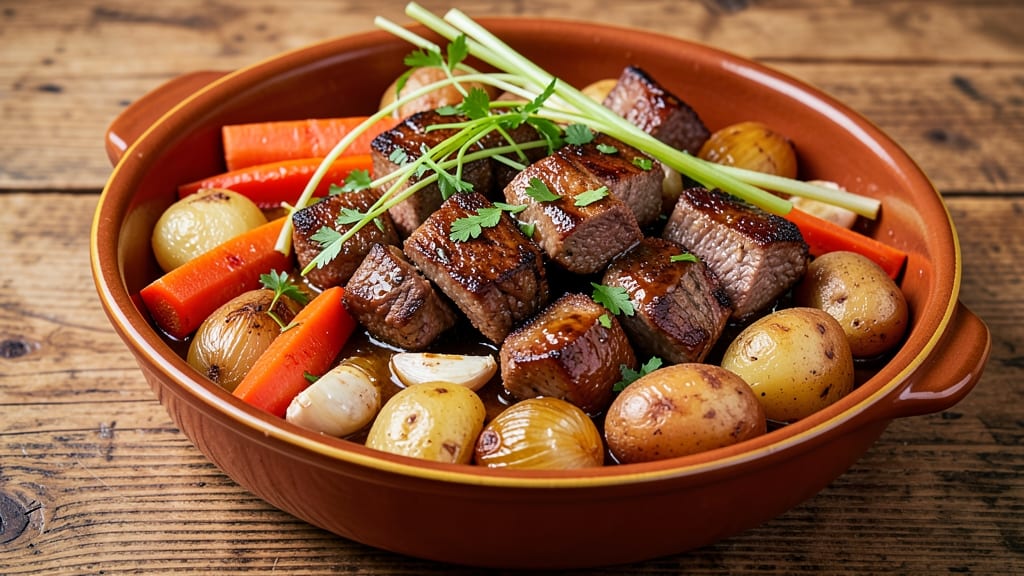
This beef and mixed vegetables recipe delivers a one-pan masterpiece that balances rich protein with vibrant vegetables in under an hour. The secret lies in searing the beef first to develop deep flavor, then braising it with aromatic vegetables until everything is tender and infused with savory notes.
I've perfected this technique to ensure the beef stays juicy while the vegetables achieve that perfect tender-crisp texture.
The beauty of this dish is its simplicity—just a handful of ingredients work together to create a restaurant-quality meal without the fuss. You'll start with a quick sear in a heavy pot, then add vegetables that roast and caramelize alongside the beef as they simmer.
The result is a dish that's hearty enough for a family dinner but easy enough for a weeknight, with layers of flavor that keep everyone coming back for seconds.
What makes this recipe truly special is how the flavors develop as everything cooks together. The beef becomes fork-tender, the vegetables soften just enough to absorb the rich sauce, and the aromatics create a depth that transforms simple ingredients into something extraordinary.
The sauce thickens naturally as it simmers, coating every bite with a savory, slightly sweet glaze that ties everything together.
Serve this dish with crusty bread to soak up every last bit of the flavorful sauce, or pair it with a simple green salad for a complete meal. The versatility of this recipe means it works equally well as a main course or a side dish for larger gatherings.
Let's create a dish that's as satisfying as it is delicious.
Ingredients for beef and mixed vegetables
This one-pan beef and vegetable masterpiece combines rich protein with aromatic vegetables for a restaurant-quality meal.
| Ingredient | Amount | Notes |
|---|---|---|
| Beef Chuck Roast 🥩 | 1 ½ lb | Cut into 1.5-inch cubes |
| Yellow Onion 🧅 | 1 whole | Chopped into wedges |
| Carrots 🥕 | 4 medium | Peeled, cut into chunks |
| Russet Potatoes 🥔 | 2 medium | Cut into 1.5-inch chunks |
| Garlic Cloves 🧄 | 4 cloves | Minced for depth |
| Celery Stalks 🧅 | 2 whole | Chopped into bite-sized pieces |
| Beef Broth 💧 | 2 cups | Low-sodium preferred |
| Red Wine 🍷 | ½ cup | Dry variety like Cabernet |
| Tomato Paste 🍅 | 2 tbsp | For rich depth |
| Olive Oil 🫒 | 2 tbsp | Extra-virgin for searing |
| Salt 🧂 | 1 ½ tsp | Kosher or sea salt |
| Black Pepper 🌶️ | 1 tsp | Freshly ground |
| Fresh Thyme 🌿 | ¼ cup | Leaves only, chopped |
| Fresh Rosemary 🌿 | 1 tbsp | Chopped sprigs |
The beef is the foundation here. Chuck roast delivers that melt-in-your-mouth texture when cut properly—1.5-inch cubes ensure even cooking. Most grocery stores carry pre-cut chuck, but if you're buying a whole roast, ask the butcher to cube it for you. Costco and Walmart often have great deals on bulk beef, and the quality holds up well for this braising method. Look for pieces with good marbling—the fat renders beautifully during cooking. For the vegetables, organic carrots and potatoes from the store's produce section stay fresher longer, but conventional will work fine if you're cooking within a day or two.
No red wine? Beef broth with a splash of balsamic vinegar works perfectly—just add an extra tablespoon of tomato paste to compensate. Fresh thyme and rosemary are ideal, but dried works at one-third the amount if you're in a pinch. The carrots and potatoes can be swapped for other root vegetables like parsnips or sweet potatoes if you prefer. For the tomato paste, Trader Joe's squeeze tubes are perfect—they're convenient and last longer than cans. If you're short on time, baby carrots and pre-cut potatoes from the store's fresh-cut section save chopping time, though they're slightly more expensive. The celery adds subtle sweetness—don't skip it, but if you're really pressed, a pinch of sugar will mimic that flavor.
This dish tastes even better the next day as the flavors meld together. Store leftovers in an airtight container in the fridge for up to 5 days, or freeze for 3 months. I like to portion mine into individual containers so I can grab a serving for lunch without reheating the whole pan. The sauce thickens as it cools, so you might want to add a splash of water or broth when reheating. For best results, bring it to a simmer on the stove rather than microwaving—keeps everything tender and the sauce glossy.
Why You'll Love This Recipe
- One-Pan Magic: I swear by this—just toss everything on a sheet pan, season it right, and let the oven do the work. No chopping boards, no pots, no stress. The beef, potatoes, and carrots all cook together, so tender they fall apart.
- Garlic-Glazed Goodness: Between us, the roasted garlic cloves and caramelized onions turn this into something special. That deep, savory-sweet flavor? It’s the kind of taste that makes you pause mid-bite and go, “Damn, that’s good.”
- Meal Prep MVP: Here’s what sold me—this keeps like a dream. Make a big batch on Sunday, and you’ve got hearty lunches all week. The beef stays juicy, the veggies hold their bite, and reheating takes two minutes. No sad desk salads here.
- Budget-Friendly Feast: A chuck roast stretches farther than you’d think, and potatoes and carrots are pantry staples. I’ve fed six people for under $20, and everyone leaves happy. Plus, leftovers taste even better the next day—if there are any.
Step-by-step instructions for one-pan beef and vegetables
This method delivers deep flavor and tender textures in a single pan—no complicated techniques required.
Sear the Beef and Vegetables for Depth
Heat the 2 tablespoons olive oil in a large Dutch oven over medium-high heat until shimmering. Working in batches to avoid crowding, add the 1.5 lb beef chuck roast cut into 1.5-inch cubes and sear for 3-4 minutes per side until deep golden brown. This step develops the rich, caramelized flavor that carries through the dish.
Once the beef is browned, remove it and set aside. In the same pot, add the 1 whole yellow onion, 4 medium carrots, 2 medium russet potatoes, 2 whole celery stalks, and 4 cloves garlic cloves. Sear the vegetables for 5-6 minutes, stirring occasionally, until they begin to soften and develop color. The onions should turn translucent while the potatoes and carrots take on a slight golden hue.
Deglaze and Build the Flavor Base
Reduce the heat to medium and pour in the 0.5 cup red wine, scraping up any browned bits from the bottom of the pan with a wooden spoon. These bits, called fond, are packed with flavor and will form the foundation of your sauce. Let the wine simmer for 3-4 minutes until it reduces by about half and the alcohol aroma dissipates.
Next, stir in the 2 tablespoons tomato paste and cook for 1 minute until it darkens slightly. This step adds a deep, umami-rich base that balances the acidity of the wine. Sprinkle in the 1.5 teaspoons salt and 1 teaspoon black pepper, then add the 0.25 cup fresh thyme and 1 tablespoon fresh rosemary. Stir everything together and let the herbs infuse for 1 minute to release their aromatic oils.
Simmer Until Tender and Flavorful
Return the seared beef to the pot and pour in the 2 cups beef broth. Bring the mixture to a gentle simmer, then reduce the heat to low. Cover the Dutch oven with a lid and let it cook for 1.5 hours, stirring occasionally. The beef and vegetables should cook slowly and evenly, allowing the flavors to meld together. You'll know it's done when the beef is fork-tender and the vegetables are soft but still hold their shape.
If the liquid reduces too much before the beef is tender, add ¼ cup water at a time to maintain enough moisture. The goal is to create a rich, savory sauce that coats the beef and vegetables perfectly. The dish should have a deep, aromatic scent with notes of thyme, rosemary, and the wine.
Rest and Serve for Maximum Satisfaction
Once the beef is fork-tender and the vegetables are cooked through, remove the lid and let the dish simmer uncovered for an additional 5 minutes. This final step allows any remaining liquid to reduce slightly, intensifying the flavors and creating a thicker sauce. Taste and adjust the seasoning if needed—you may need a touch more salt or pepper to balance the dish.
Let the beef and vegetables rest for 5 minutes before serving. This resting period allows the juices to redistribute, ensuring each bite is moist and flavorful. Serve directly from the Dutch oven for a hearty, one-pan meal that's perfect for family dinners or meal prep. The combination of tender beef, caramelized vegetables, and rich sauce makes this dish a standout for any occasion.
Pro Tips For Making Beef And Mixed Vegetables
- Sear the Chuck First: Walk away from the pan after the first sear—you’re not done until the beef releases from the bottom like it’s auditioning for a blockbuster. High heat for 3-4 minutes per side builds flavor, but rushing this step means bland, gray meat instead of caramelized crust. (Yes, even if you’re impatient like me.)
- Cut Potatoes Evenly: Grab a knife and slice those russets into 1-inch chunks, not random shapes. Uniform size means they cook at the same rate—no mushy potatoes while the carrots stay crunchy. I learned this the hard way after serving a plate with a "potato soup" side effect.
- Don’t Overcrowd the Pan: If your skillet looks like a vegetable buffet, back off. Cook onions and carrots in batches until they soften, then add the beef back in. Crowding steams the veggies instead of browning them, and nobody wants sad, waterlogged carrots. (Your future self will thank you.)
- Deglaze with Garlic Wine: After searing the beef, splash in ½ cup dry white wine or broth—then toss in those minced garlic cloves. Let it bubble for 30 seconds until the garlic smells like heaven, not like burnt regret. This isn’t just flavor; it’s the sauce foundation. (Skip the wine? Use beef broth, but don’t skip the garlic.)
Perfect pairings for this beef and mixed vegetables
Bread Pairings
Crusty sourdough bread is my go-to pairing because its tangy flavor cuts through the rich beef sauce beautifully. I like to serve warm slices straight from the oven with a generous drizzle of garlic butter—the buttery richness complements the savory beef perfectly.
For a lighter option, baguette slices work well too, especially if you toast them lightly to add crunch. 🥖
Wine Complements
A bold Cabernet Sauvignon from Napa Valley elevates this dish with its dark fruit notes and smooth tannins. The wine's acidity balances the richness of the beef while enhancing the earthy flavors of thyme and rosemary.
For something lighter, a Pinot Noir offers red fruit flavors that won’t overpower the vegetables. Avoid heavy, oaky whites—they’ll clash with the dish’s depth.
Salad Contrast
A simple arugula salad with lemon vinaigrette provides the perfect fresh contrast. Toss 4 cups arugula with 2 tbsp olive oil, 1 tbsp lemon juice, and a pinch of flaky sea salt.
The peppery bite cleanses your palate between rich bites of beef. For extra texture, add 1 tbsp toasted pine nuts or crumbled feta cheese—both add a nice crunch.
Cheese Pairings
If you love cheese, serve this dish with aged cheddar cubes or Gruyère slices on the side. The sharpness of cheddar cuts through the sauce’s richness, while Gruyère’s nutty notes harmonize with the thyme and rosemary.
For a vegetarian-friendly option, roasted butternut squash with a sprinkle of pecorino cheese adds a sweet, creamy contrast to the hearty beef.
Dessert Balance
End the meal with something light to balance the richness—dark chocolate-dipped strawberries or a lemon sorbet work beautifully. The tartness of the sorbet or the sweetness of the strawberries refreshes your palate after the savory main.
For a more indulgent option, crème brûlée with its caramelized sugar crust adds a luxurious finish. 🍓
Nutrition facts
Frequently asked questions
Can I substitute chuck roast with another beef cut?
Yes! For a quicker cook time, use sirloin tips or stew meat—they'll be ready in about 45 minutes instead of 1.5 hours. For extra tenderness, try short ribs, but increase cooking time to 2 hours. Ground beef works too (brown first), but the texture will be different. Always cut into 1.5-inch pieces for even cooking.
What vegetables can I swap in for the carrots and potatoes?