
Main Courses
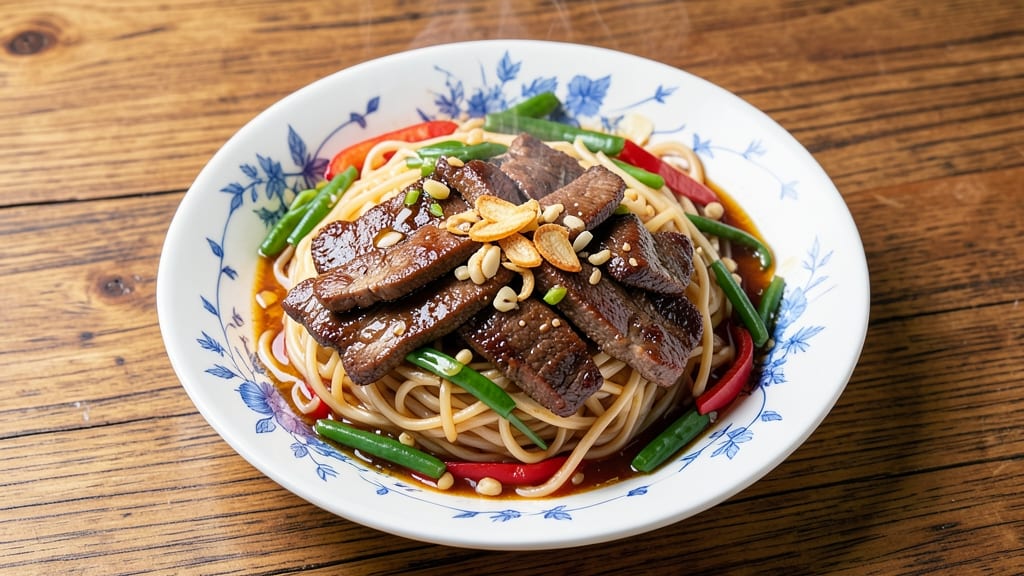
This authentic Chinese beef lo mein recipe delivers the restaurant-quality wok-fried noodles you crave, with tender beef, silky sauce, and perfectly chewy wheat noodles. The secret lies in high-heat stir-frying and balancing five key flavors—sweet, sour, salty, bitter, and umami—just like in Shanghai street kitchens.
I’ve simplified the process without sacrificing authenticity, so you can recreate this classic dish at home with confidence.
The foundation of great lo mein is the sauce—a velvety blend of soy sauce, Shaoxing wine, and a touch of sugar that caramelizes beautifully during cooking. Thinly sliced beef cooks quickly over high heat to stay tender, while fresh chives and garlic add aromatic depth.
The noodles absorb the sauce perfectly when tossed at the right moment, creating that signature silky texture.
What sets this recipe apart is the balance of textures: crisp-tender beef, chewy noodles, and bright green chives that add freshness to every bite. The dish is ready in under 30 minutes, making it perfect for weeknights while still feeling special enough for company.
The aroma alone—smoky wok, garlic, and soy—will have everyone gathering around the table.
Serve it with a side of steamed bok choy or a simple cucumber salad to complete the meal. The leftovers reheat beautifully, so you can enjoy this authentic taste of China all week long. Let’s get cooking!
Ingredients for authentic chinese beef lo mein
Pantry staples meet wok-fired authenticity—just 14 ingredients for restaurant-quality beef lo mein.
| Ingredient | Amount | Notes |
|---|---|---|
| Flank Steak 🥩 | 1 lb | Thinly sliced against grain |
| Fresh Egg Noodles 🍜 | 12 oz | Wheat-based, chewy texture |
| Light Soy Sauce 🍶 | ½ cup | Kikkoman preferred |
| Dark Soy Sauce 🍶 | 1 tbsp | For color depth |
| Shaoxing Wine 🍷 | 2 tbsp | Substitute dry sherry |
| Granulated Sugar 🍚 | 1 tbsp | White sugar preferred |
| Garlic Cloves 🧄 | 6 cloves | Minced finely |
| Fresh Ginger 🌿 | 1 tbsp | Grated finely |
| Green Onions 🧅 | 4 whole | White and green parts |
| Sesame Oil 🫒 | 1 tbsp | Toasted sesame oil |
| Neutral Oil 🫒 | 2 tbsp | Peanut or vegetable oil |
| Cornstarch 🌾 | 1 tbsp | For tenderizing beef |
| Salt 🧂 | 1 tsp | Kosher or sea salt |
| Black Pepper 🌶️ | ½ tsp | Freshly ground |
The beef is non-negotiable here—flank steak gives you that signature tender bite when sliced against the grain. Grab it at Whole Foods or your local Asian market if you want the best marbling. Costco often has it pre-sliced, but I prefer slicing it myself for maximum tenderness. Look for bright red meat with visible fat marbling—this ensures juiciness. If you can't find flank steak, sirloin or ribeye work in a pinch, but slice them thinner. The noodles? Fresh egg noodles are key—dry ones just won't give that authentic chewy texture. Martins or King Noodle brands are my go-tos, but any fresh egg noodles will do.
No Shaoxing wine? Dry sherry or rice wine vinegar works in a bind, but the flavor won't be identical. The soy sauces are where authenticity shines—Kikkoman light soy sauce is the gold standard, but any quality brand will work. For the garlic and ginger, fresh is non-negotiable—dried just won't cut it. If you're short on time, pre-minced garlic from the freezer section is better than nothing, but fresh is always better. The sesame oil should be toasted, not regular—it adds that nutty depth. And if you're feeling fancy, add a dash of white pepper at the end for that restaurant touch.
This dish reheats like a dream—steam it gently with a splash of water to keep the noodles tender. Keeps for 3-4 days in the fridge, though I rarely have leftovers that long. For freezing, portion it into airtight containers with a thin layer of oil on top to prevent drying. Thaw overnight in the fridge—microwaving makes the noodles soggy. Double the recipe if you're feeding a crowd, but use a wok or large skillet—crowding the pan steams the beef instead of searing it.
Why You'll Love This Recipe
- No-Fuss Protein Prep: I swear by flank steak for this—it’s lean, affordable, and slices thin after a quick marinade in Shaoxing wine and soy. No fancy cuts, no butchering skills needed; just slice against the grain and let the sauce do the work.
- Umami Bomb Combo: That dark soy sauce? It’s the secret weapon—caramelized richness that clings to the noodles while keeping them tender. Light soy adds brightness, and the wine? Oh, it’s the little detail that makes it taste like a dim sum stall, not a weeknight hack.
- Lunchbox Hero: Between us, this is my go-to for meal prep—stays fresh for days in the fridge. Pack it cold or reheat with a splash of water to revive the noodles. Honestly, I’ve sent this to work twice and still had leftovers for breakfast (yes, really).
- Budget-Friendly Feast: Flank steak stretches far here, and the noodles? Cheaper than takeout, guaranteed. A single batch feeds four for under $15, and the leftovers? Even better the next day when the flavors meld. Not the prettiest, but the taste makes up for it every time.
Step-by-step instructions for authentic Chinese beef lo mein
Here's how to create restaurant-quality lo mein with perfectly tender beef and a glossy, savory sauce.
Prepare the Beef for Maximum Tenderization
Slice the 1 lb flank steak thinly against the grain into ¼-inch strips. This is crucial—thin slices ensure the beef cooks quickly and remains tender. Place the sliced beef in a bowl and sprinkle with 1 tablespoon cornstarch, 1 teaspoon salt, and ½ teaspoon black pepper. Toss gently to coat evenly, then let it marinate for 15 minutes at room temperature. The cornstarch creates a delicate barrier that prevents the beef from drying out during the high-heat wok cooking.
While the beef marinates, mince the 6 cloves garlic and grate the 1 tablespoon fresh ginger using a microplane. Finely minced garlic and grated ginger release their flavors more effectively during cooking. Set these aside—they'll form the aromatic base of your sauce. This prep work ensures every bite delivers authentic umami depth without overpowering the dish.
Cook the Beef Until Just Done
Heat a wok or large skillet over high heat until it's smoking hot. Add 2 tablespoons neutral oil and swirl to coat the surface. Working in batches if needed (to avoid overcrowding), add the marinated beef and cook for 1-2 minutes until the edges turn lightly brown and the beef is just cooked through. The high heat is essential—it sears the exterior while keeping the interior tender. Transfer the cooked beef to a plate and set aside, reserving any rendered juices in the wok.
Real talk: The beef should still have a faint pink center when removed. It'll finish cooking in the sauce, and overcooking here makes it tough. If your wok isn't hot enough, the beef will steam instead of sear. You'll know it's ready when it releases easily from the pan and the oil shimmers around the edges.
Build the Signature Lo Mein Sauce
Return the wok to high heat and add the minced garlic and grated ginger. Stir-fry for 30 seconds until fragrant—this is where the foundation of your sauce begins. Add ½ cup light soy sauce, 1 tablespoon dark soy sauce, 2 tablespoons Shaoxing wine, and 1 tablespoon granulated sugar. The dark soy sauce adds that signature mahogany color while balancing the saltiness of the light soy sauce.
Bring the mixture to a gentle simmer and let it reduce for 2-3 minutes until slightly thickened. This reduction concentrates the flavors and creates that glossy, clinging sauce characteristic of authentic lo mein. Taste and adjust seasoning—you want a balance of sweet, salty, and umami. The sauce should coat the back of a spoon but still be pourable. Here's the thing—this sauce is the soul of your dish, so don't rush this step.
Wok-Fry the Egg Noodles
While the sauce simmers, cook the 12 oz fresh egg noodles according to package instructions until al dente—about 2-3 minutes less than the suggested time. Fresh egg noodles have a chewy texture that holds up beautifully to stir-frying. Drain the noodles but reserve ½ cup of the starchy pasta water—this liquid is liquid gold for creating the perfect sauce consistency.
Return the wok to high heat and add the cooked noodles along with the reserved beef and any juices from the plate. Toss everything together for 1-2 minutes until the noodles are heated through and coated with the sauce. If the mixture seems dry, add 1-2 tablespoons of the reserved pasta water to loosen it. The noodles should be well-coated but still retain their individual strands—this is the hallmark of proper lo mein technique.
Finish and Garnish for Authentic Presentation
Remove the wok from heat and stir in 1 tablespoon sesame oil. This adds a nutty aroma and rich flavor that elevates the dish. Divide the lo mein among serving plates and garnish with 4 whole green onions, sliced diagonally into ½-inch pieces (white and green parts separated). The green onions add freshness and visual contrast to the rich, savory noodles.
Serve immediately with extra green onions on the side for garnish. The dish should be hot and vibrant, with each bite delivering perfectly tender beef, chewy egg noodles, and a glossy sauce that clings to every strand. This is where home cooking meets restaurant quality—every technique in these steps was designed to deliver that authentic Chinese restaurant experience.
Pro Tips For Making Authentic Chinese Beef Lo Mein
- Slice Against the Grain: Flank steak’s stubborn fibers need a knife, not brute force. Angle your cuts at 45 degrees across the grain—thin, even slices that’ll melt in your mouth instead of turning to chewy rubber. (Yes, it takes patience, but that’s how you get the real deal.)
- Marinate for 30 Minutes: Skip the 2-hour soak—it’s overkill for lo mein. Toss the flank steak in 1 tablespoon Shaoxing wine, 1 teaspoon light soy, and a pinch of sugar for 30 minutes max. The alcohol penetrates fast, and the meat stays tender without turning mushy. (Pro move: cover and let it sit at room temp while prepping noodles.)
- Blister the Noodles First: Fresh egg noodles need texture, not mush. Toss them in a dry, screaming-hot wok for 30 seconds until they develop a faint golden crust—this is your flavor anchor. Then add 1/4 cup water and stir-fry until just tender. (Trust me, raw noodles in sauce = sad lo mein.)
- Save the Dark Soy: That glossy, deep-brown sauce isn’t just for show—it’s the umami bomb. Mix 1 teaspoon dark soy with 2 tablespoons light soy after the beef is cooked, then toss everything together. The dark soy caramelizes instantly, giving your dish that signature restaurant shine. (Yes, it’s worth the extra splash.)
Best sauces and condiments for authentic chinese beef lo mein
Classic Lo Mein Sauce
The heart of this dish is the silky, glossy sauce that coats every noodle perfectly. Start with ½ cup light soy sauce and 1 tbsp dark soy sauce—the dark variety adds that signature mahogany color while keeping the balance of sweet, salty, and umami.
A splash of 2 tbsp Shaoxing wine (or dry sherry) deepens the flavor, while 1 tbsp sugar caramelizes beautifully during cooking. Let it reduce for 2-3 minutes until slightly thickened—this creates that restaurant-quality cling. 🍶
Sesame Oil Finish
Never skip the sesame oil—it’s the secret to that nutty aroma and rich finish. Stir in 1 tbsp toasted sesame oil just before serving to elevate the dish instantly. For extra depth, I sometimes add a ¼ tsp white pepper at the end, but black pepper works too.
The oil should be toasted, not regular—it makes all the difference in that final flavor pop. 🫒
Homemade Sauce Boost
For a restaurant-style upgrade, blend 1 tbsp hoisin sauce and 1 tsp chili bean paste into your sauce base. This adds a slightly sweet, spicy depth that mimics the bold flavors of Shanghai street kitchens.
If you don’t have these, a pinch of MSG (½ tsp) enhances the umami without altering the taste—just don’t tell anyone I said that! 🌶️
Pasta Water Secret
Here’s a pro trick: Reserve ½ cup of starchy pasta water when draining your noodles. This liquid is liquid gold—it helps the sauce cling to the noodles without making them soggy. Add it 1 tbsp at a time while tossing everything together in the wok.
The starch in the water binds the sauce to the noodles, creating that signature silky texture you crave. 💫
Garnish Like a Pro
Fresh green onions are non-negotiable—they add brightness and crunch to each bite. Slice 4 whole green onions diagonally into ½-inch pieces, separating the white and green parts.
Scatter them over the top just before serving for that restaurant-quality presentation. For extra flair, a sprinkle of toasted sesame seeds adds texture and visual appeal. 🧅
Make-Ahead Sauce
Prep the sauce ahead of time—it actually tastes better after resting! Store it in an airtight container in the fridge for up to 3 days. When ready to cook, simply reheat it gently and toss with your noodles.
For freezing, portion the sauce into ice cube trays, freeze, then transfer to a bag. Thaw overnight in the fridge—this keeps the texture perfect when reheating. ❄️
Nutrition facts
Frequently asked questions
Can I use regular dried noodles instead of fresh egg noodles?
Fresh egg noodles are essential for authentic texture, but you can use udon or ramen noodles in a pinch. For best results, boil them 1 minute less than package instructions to maintain chewiness. Avoid thin spaghetti-style noodles—they'll turn mushy when tossed. The egg yolk in fresh noodles adds richness that dried varieties can't replicate.
What's the best way to slice beef for lo mein?
Slice against the grain into ¼-inch thick strips for maximum tenderness. Use a sharp knife and freeze the beef for 15 minutes first—this makes slicing easier. For extra marbling, trim excess fat but leave some for flavor. If you can't find flank steak, sirloin or ribeye work, but slice them thinner (⅛-inch) to prevent toughness.
Why does my sauce turn out too salty?
Dark soy sauce is saltier than light—use ½ tbsp less if needed. Taste as you go! The sugar helps balance saltiness, so reduce sugar by ½ tsp if your sauce is too sweet. For extra depth without salt, add 1 tsp hoisin sauce or ½ tsp MSG (if you're brave enough to try it!).
Can I make this vegetarian?
Swap beef for thinly sliced mushrooms (shiitake or oyster) or tofu pressed to remove excess water. For texture, add 1 tbsp vegetable oil when stir-frying. Keep all other ingredients the same—the sauce and noodles work perfectly with plant-based proteins. Try bok choy or bell peppers for extra veggie crunch.
How do I get that restaurant-style glossy sauce?
The secret is reducing the sauce properly and using pasta water. Simmer for 2-3 minutes until slightly thickened, then add 1 tbsp reserved noodle water at the end. For extra shine, stir in ½ tsp cornstarch mixed with 1 tsp water at the very end. The high heat from the wok also helps create that signature gloss.