
Soups & Stews
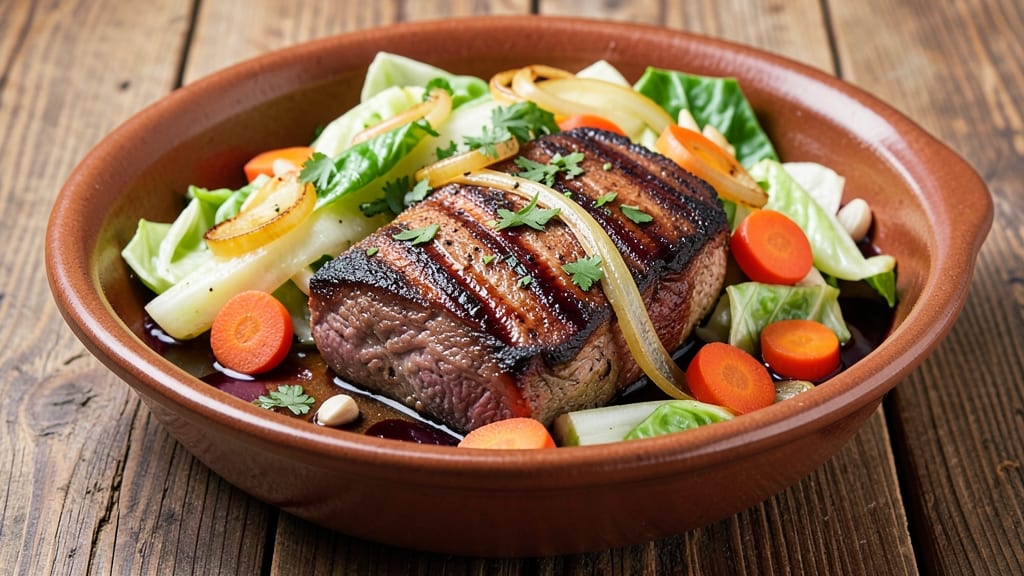
This beef and green cabbage recipe delivers tender, melt-in-your-mouth beef paired with crisp-tender cabbage in a rich herbed gravy that brings every bite together. The secret lies in slow-braising the beef until fork-tender while preserving the cabbage's satisfying crunch, creating a dish that's both hearty and balanced.
This method transforms tough cuts into succulent pieces while letting the cabbage develop a perfect texture—no mushy leaves here.
The beauty of this recipe is its versatility—whether you're serving it as a comforting weeknight dinner or a centerpiece for a family gathering, the flavors shine through. We start with a simple sear to build depth, then braise everything together in a fragrant broth infused with aromatic herbs.
The result? A dish where every component plays its part without overpowering the others.
What you'll end up with is a restaurant-quality braise where the beef falls apart at the touch of a fork, the cabbage holds its shape with just the right bite, and the gravy clings to everything.
The herbed notes add complexity, making this more than just a basic stew—it's a flavorful, satisfying meal that feels special without requiring hours in the kitchen.
Perfect for feeding a crowd or meal prepping for the week, this recipe scales beautifully while maintaining its depth of flavor. The technique is straightforward, but the results are anything but ordinary. Let's get started on creating this comforting, flavorful masterpiece.
Ingredients for beef and green cabbage
Sixteen ingredients transform tough beef and crisp cabbage into a restaurant-quality braise with herbed gravy.
| Ingredient | Amount | Notes |
|---|---|---|
| Beef Chuck Roast 🥩 | 3 lb | Trimmed of excess fat, cut into 1.5-inch cubes |
| Green Cabbage 🥬 | 1 whole | Heads cut into 8 wedges, core removed |
| Yellow Onion 🧅 | 1 whole | Medium size, thinly sliced |
| Garlic Cloves 🧄 | 6 cloves | Peeled, smashed for aromatic depth |
| Carrots 🥕 | 4 whole | Medium size, cut into 2-inch chunks |
| Dry Red Wine 🍷 | 1 cup | Bold variety like Cabernet Sauvignon |
| Beef Broth 💧 | 3 cups | Low-sodium preferred, homemade or high-quality |
| Tomato Paste 🍅 | 2 tbsp | Smooth texture, no sugar added |
| Fresh Thyme 🌿 | 2 sprigs | Stems removed, leaves finely chopped |
| Fresh Rosemary 🌿 | 1 sprig | Needles finely chopped, stems discarded |
| Fresh Bay Leaves 🌿 | 2 whole | Dried if fresh unavailable |
| All-Purpose Flour 🌾 | 2 tbsp | For gravy thickening |
| Cold Water 💧 | ½ cup | For gravy consistency |
| Kosher Salt 🧂 | 1 ½ tsp | Diamond Crystal preferred |
| Ground Black Pepper 🌶️ | 1 tsp | Freshly ground for optimal flavor |
| Unsalted Butter 🧈 | 2 tbsp | Cold, for gravy finishing |
The beef cut is non-negotiable here—chuck roast delivers that signature fall-apart texture when braised properly. Most grocery stores carry it pre-cut, but if you're buying a whole roast, ask the butcher to cube it for you. Costco and Whole Foods typically have it in stock, though regular supermarkets often do too. For the cabbage, look for heads with tightly packed, vibrant green leaves—those green cabbages at the market's perimeter section are ideal. The carrots and onions can be any standard variety, but avoid anything with soft spots. Fresh herbs are worth seeking out: Trader Joe's often has excellent thyme and rosemary bundles, or check your local farmers market for even fresher options. The red wine should be dry and bold—Caymus or Apothic are reliable choices, but any bold red will work.
No red wine on hand? Substitute with extra beef broth—just add an extra ½ cup to maintain liquid balance. Fresh herbs unavailable? Dried thyme and rosemary work at one-third the amount, though the flavor will be more muted. The tomato paste can be omitted entirely if you prefer, though it adds a subtle sweetness that complements the beef. For the cabbage, if you only have red cabbage, use half green and half red for a visual contrast. The flour for the gravy should be all-purpose, not self-rising—the baking powder can interfere with thickening. And if you're concerned about sodium, reduce the kosher salt to 1 teaspoon and adjust to taste at the end.
This braise develops deeper flavor over time, so plan for at least 3 hours of cooking for optimal tenderness. The cabbage wedges should be added in the last 30 minutes to maintain their crisp texture. For meal prep, this reheats beautifully—simply warm the gravy and beef together on the stove, adding a splash of water if needed. Stores for 5 days in the fridge or 3 months in the freezer, though the cabbage may soften slightly when reheated. To serve, spoon the beef and cabbage over mashed potatoes or crusty bread, ensuring each portion gets a generous ladle of that rich herbed gravy. The leftovers make excellent lunches—simply reheat and enjoy.
Why You'll Love This Recipe
- One-Pan Magic: I swear by this recipe because it’s all in one pot—no fussing with multiple dishes. The beef and cabbage caramelize together while you chop a single onion and a few carrots, and by the time the garlic’s sizzling, dinner’s practically done.
- Deep, Savory Bite: That chuck roast? It gets tender and develops this rich, almost melt-in-your-mouth texture, while the cabbage stays crisp enough to bite into. Honestly, the balance of caramelized onions and garlic makes every forkful feel like a hug in food form.
- Leftovers That Don’t Suck: Between us, most beef and veggie leftovers turn into sad, dry meals. Not this—it reheats like a dream, even better the next day. I meal prep this all the time because it’s hearty enough for lunch, but still exciting enough to bring to potlucks.
- Budget Beef Boost: A chuck roast is one of the most affordable cuts, and the cabbage stretches it into a full meal without breaking the bank. I’ll be real: I’ve made this for date nights, family dinners, and even as a cheap but impressive work lunch. It’s my go-to for stretching a protein into something substantial.
Step-by-step instructions for crisp-tender beef and green cabbage braise
This method delivers perfectly tender beef with crisp-tender cabbage and a rich herbed gravy.
Sear the Beef Chuck Roast for Maximum Flavor
Heat a large Dutch oven over medium-high heat until hot. Pat the 3 lb beef chuck roast dry with paper towels and season generously with 1.5 tsp kosher salt and 1 tsp ground black pepper on all sides. Working in batches if needed, sear the beef for 3-4 minutes per side until deeply browned and crust forms. This step develops the deep, caramelized flavors that carry through the braise.
Remove the beef from the pot and set aside. The seared beef will release its rendered juices into the pot, creating the foundation for your gravy. Don't wipe out the browned bits—these are packed with flavor that will dissolve into the sauce later.
Build the Aromatic Vegetable Base
In the same Dutch oven, add 1 whole yellow onion (thinly sliced) and cook for 5 minutes until softened and slightly golden. Add 6 cloves garlic cloves (smashed) and 4 whole carrots (cut into 2-inch chunks), cooking for another 3 minutes until fragrant. Stir in 2 tbsp tomato paste and cook for 1 minute to deepen the flavor.
Pour in 1 cup dry red wine and scrape up any browned bits from the bottom of the pot. Let the wine simmer for 3-4 minutes until reduced by half. This reduction intensifies the wine's flavor and creates a rich base for the braise. The alcohol will cook off completely during the braising process.
Layer Vegetables and Braise the Beef
Return the seared beef to the Dutch oven. Add 1 whole green cabbage (cut into 8 wedges with core removed), 3 cups beef broth, 2 sprigs fresh thyme (leaves chopped), 1 sprig fresh rosemary (needles chopped), and 2 whole fresh bay leaves. Bring to a simmer over medium heat, then reduce heat to low and cover with a tight-fitting lid.
Braise for 2.5-3 hours until the beef is fork-tender and the cabbage is crisp-tender. The cabbage should still have some bite—overcooking will make it mushy. Check periodically and add ½ cup hot water if the liquid reduces too much. The beef is ready when it easily pulls apart with two forks.
Thicken the Gravy for Rich Flavor
Once the beef is tender, remove it from the pot and set aside. Strain the braising liquid through a fine-mesh sieve into a clean saucepan to remove any herb stems or bay leaves. Return the liquid to the Dutch oven over medium heat and whisk in 2 tbsp all-purpose flour to create a roux.
Cook for 2-3 minutes until the flour is fully incorporated and the gravy begins to thicken. Gradually whisk in ½ cup cold water until the gravy reaches your desired consistency—it should coat the back of a spoon but still be pourable. Stir in 2 tbsp cold unsalted butter for a silky finish and adjust seasoning with additional salt and pepper if needed.
Serve with Herbed Gravy
Slice the beef against the grain into ¼-inch thick slices and arrange on a platter. Spoon the herbed gravy over the top and serve immediately with the crisp-tender cabbage wedges. The contrast between the tender beef, crisp cabbage, and rich gravy creates a perfectly balanced meal that highlights each component's texture and flavor.
This dish pairs beautifully with crusty bread or roasted potatoes to soak up the delicious gravy. The combination of red wine and fresh herbs in the braising liquid creates a complex, aromatic flavor profile that elevates the simple ingredients to restaurant-quality results.
Pro Tips For Making Beef And Green Cabbage
- Sear the Chuck First: I learned this the hard way—skipping the sear means flavorless beef. Heat your pan until it’s smoking, pat the chuck dry, and let it brown 3-4 minutes per side before adding anything else. That crust locks in juices and builds depth that slow cooking alone can’t match.
- Shred the Cabbage Like Coleslaw: Thin, even slices cook faster and stay crisp. Cut the cabbage into ¼-inch strips—no need to core it first, just slice from the base outward. Thick chunks turn mushy; this method guarantees tender bites without sogginess.
- Don’t Crowd the Pot: I used to dump everything in at once, and the beef ended up steaming instead of caramelizing. Brown the onions and garlic first, then remove half before adding the beef. This keeps the pan hot enough to develop real flavor.
- Save the Carrot Water: Sounds weird, but it works: After peeling and chopping carrots, save the water in a small bowl. Add it to the pot in the last 10 minutes of cooking—it adds natural sweetness and keeps the cabbage from drying out. (Yes, even if you’re impatient like me.)
Common mistakes when making perfect results
Overcooking the Cabbage
Adding the cabbage too early is the fastest way to ruin its texture. Since cabbage needs just 30 minutes to reach crisp-tender perfection, I always add it during the final stage.
If you add it with the beef, it'll turn mushy and lose that satisfying bite. The key is patience—wait until the beef is nearly done before introducing the cabbage. 🥬
Skipping the Sear
Some cooks rush straight to braising, but that's a huge flavor mistake. The 3-4 minute sear on each side creates a deep, caramelized crust that forms the foundation for your gravy.
Without it, your dish will taste flat and one-dimensional. I've tried it both ways, and the difference is night and day.
Ignoring the Wine Reduction
Many recipes call for simply pouring in the wine and moving on, but that's where you lose depth. Let that 1 cup red wine reduce by half—about 3-4 minutes
This step intensifies the wine's aroma and removes the harsh alcohol notes. Trust me, your taste buds will notice the difference. Store-bought broth with high sodium content will make your dish taste bland or overly salty. I always use low-sodium beef broth—either homemade or a high-quality brand like Pacific Foods. The flavor difference is dramatic, and you'll have better control over seasoning. If you must use regular broth, reduce the added salt by half. Tasting as you go is crucial, but many cooks forget to check seasoning after everything's braised. The flavors meld during cooking, so you might need to add more salt or pepper at the end. I always taste the gravy separately before serving—it's the best way to ensure perfect balance. A pinch of freshly ground black pepper at the end can elevate the dish. Trying to speed up the process by increasing heat will result in tough beef and watery cabbage. The 2.5-3 hour low-and-slow braise at 300°F is non-negotiable for tender beef. I've learned this the hard way—rushing leads to disappointing textures. The slow cooking breaks down the collagen in the beef, transforming tough cuts into melt-in-your-mouth perfection. ⏱️Using Low-Quality Broth
Not Adjusting Seasoning at the End
Rushing the Braising Time
Nutrition facts
Frequently asked questions
Can I substitute red cabbage for green cabbage in this recipe?
You can use red cabbage, but the flavor and appearance will differ slightly. For best results, mix half green and half red cabbage to maintain the crisp texture while adding visual contrast. Red cabbage has a milder, slightly sweeter taste and will stain the gravy pinkish. If using only red, add it 10 minutes earlier than green cabbage since it softens faster.
How do I make this recipe with a slow cooker?
Transfer the seared beef, onions, carrots, garlic, tomato paste, and wine reduction to your slow cooker. Add the broth, herbs, and bay leaves, then cook on low for 7-8 hours or high for 4-5 hours. Add the cabbage wedges during the last 30 minutes of cooking. The slow cooker method works well but requires more liquid—add ½ cup extra broth to prevent drying out.
What's the best way to reheat leftovers?
Reheat leftovers gently on the stove over medium-low heat for 10-15 minutes, adding a splash of beef broth if the gravy thickens too much. For microwave reheating, cover with a damp paper towel and heat in 1-minute intervals until warmed through. The cabbage may soften further, so add fresh cabbage wedges when serving if you prefer more crunch.
Can I use a different cut of beef?
While chuck roast is ideal for its marbling and tenderness, you can substitute with brisket or short ribs. For leaner cuts like sirloin, increase braising time to 4 hours and add 1 tbsp olive oil to the pot to prevent drying. Avoid tender cuts like filet mignon—they'll turn mushy during long cooking. Always cut the beef into 1.5-inch cubes for even cooking.
How can I make this dish vegetarian?
Replace the beef with firm tofu or tempeh (pressed and cubed) or mushrooms (like portobello or cremini). Increase braising time to 45-60 minutes for tofu and 1.5 hours for mushrooms. Add 1 tbsp soy sauce or 1 tsp smoked paprika to enhance umami flavor. The cabbage and gravy preparation remain the same, creating a hearty vegetarian version with similar textures.