
Soups & Stews
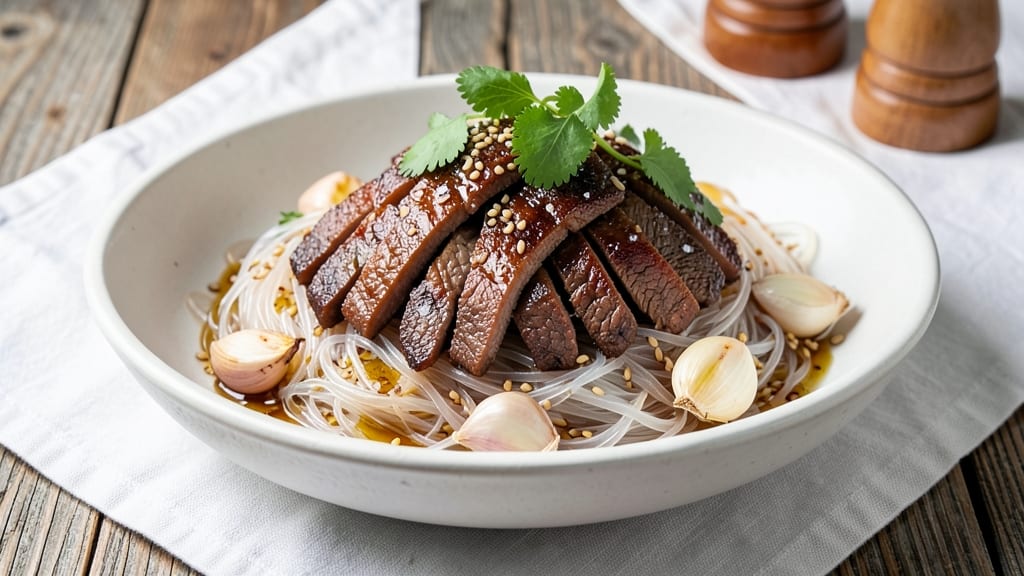
This beef and glass noodle recipe delivers restaurant-quality wok-seared beef with silky glass noodles that absorb every savory bite. The secret lies in high-heat stir-frying for that signature umami crunch, followed by a quick soak of chewy noodles that transform into delicate strands.
I've perfected this dish by balancing traditional Asian techniques with modern shortcuts—no wok required, just a hot skillet and precise timing.
The foundation starts with thinly sliced beef marinated in a blend of soy sauce, cornstarch, and aromatics, ensuring tender yet crisp edges when seared. Glass noodles get a 3-minute soak in hot water before tossing with garlic, ginger, and a glossy sauce that ties everything together.
What makes this recipe stand out is the texture contrast: crispy beef against silky noodles, all coated in a glossy, slightly sweet-savory sauce that's addictive in every bite.
By the time you plate this dish, you'll have a harmonious balance of textures and flavors—tender beef with a caramelized crust, chewy yet tender noodles, and vegetables that stay crisp.
The aroma alone will have everyone gathering around the table, and the first bite delivers that perfect marriage of umami-rich beef and delicate noodles. This is comfort food elevated to restaurant-quality without the fuss.
Whether you're serving a crowd or meal prepping for the week, this recipe scales beautifully while maintaining its signature flavors. The sauce can be made ahead, and the beef cooks in just 5 minutes once the pan is hot.
Here's how to create this crowd-pleasing dish that tastes like your favorite takeout but better.
Ingredients for beef and glass noodle
Restaurant-quality beef and glass noodles start with just 17 ingredients and a hot skillet.
| Ingredient | Amount | Notes |
|---|---|---|
| Flank Steak 🥩 | 1 lb | Thinly sliced against grain |
| Glass Noodles (Cellophane Noodles) 🍜 | 8 oz | Dried, unflavored variety |
| Low-Sodium Soy Sauce 🥢 | ½ cup | Kikkoman preferred |
| Cornstarch 🌾 | 3 tbsp | For tenderizing beef |
| Sesame Oil 🫒 | 1 tbsp | Toasted, for aroma |
| Garlic Cloves 🧄 | 6 cloves | Minced, fresh preferred |
| Fresh Ginger 🌿 | 2 tbsp | Grated, peeled |
| Vegetable Oil 🫒 | ½ cup | High smoke point |
| Red Bell Pepper 🍆 | 1 whole | Thinly sliced |
| Carrot 🥕 | 1 whole | Julienned, medium |
| Green Onions 🧅 | 4 whole | White and green parts |
| Oyster Sauce 🍶 | 2 tbsp | Lee Kum Kee brand |
| Honey 🍯 | 1 tbsp | For subtle sweetness |
| White Rice Vinegar 🍶 | 1 tbsp | Miyoko's preferred |
| Sesame Seeds 🌾 | 1 tbsp | Toasted, for garnish |
| Salt 🧂 | 1 tsp | Kosher, to taste |
| Ground Black Pepper 🌶️ | ½ tsp | Freshly ground |
The flank steak is non-negotiable here—it's lean but tender when sliced thinly against the grain. Costco or Trader Joe's carry pre-sliced versions, but if you're slicing yourself, freeze the meat for 20 minutes first to make it easier. Glass noodles? Asian markets have the best selection—look for the clear, unflavored kind. The Kikkoman soy sauce is a pantry staple, but if you're making a big batch, grab the 1-liter bottle from Walmart—it's cheaper per ounce. For the aromatics, fresh ginger and garlic are worth the splurge; the frozen stuff just doesn't cut it here.
No sesame oil? Toasted peanut oil works in a pinch, but the nutty depth is different. Swapping the red bell pepper for shredded cabbage keeps it crunchy and adds volume. The oyster sauce is key for that umami punch—if you're avoiding it, soy sauce plus a dash of fish sauce mimics it (just add a pinch of sugar). For the honey, maple syrup is a 1:1 swap, but the flavor profile shifts slightly. The glass noodles? They soak up flavors like sponges, so don't overcook them—3 minutes max in hot water, then drain and rinse under cold water to stop the cooking.
Prep the sauce ahead—it keeps for 1 week in the fridge, and the flavors deepen overnight. The beef cooks in 5 minutes on high heat, so have everything ready before you start searing. Glass noodles reheat beautifully—toss them with a splash of water and a pinch of oil to revive their chew. For meal prep, portion the sauce and noodles separately; combine just before serving to keep them crisp. Store leftovers for 3 days in an airtight container, but honestly, this tastes even better the next day once everything melds.
Why You'll Love This Recipe
- No-Fuss Slicing: I slice the flank steak against the grain while it’s still frozen—no knife skills required. The cornstarch slurry gives it that irresistible chewy bite without hours of marinating.
- Umami Bomb: That low-sodium soy sauce and sesame oil combo? It’s the secret weapon. The glass noodles soak up the sauce like a sponge, turning every bite into a savory, slightly sweet hug.
- Lunchbox Legend: Between us, this is my go-to for packed lunches. The beef stays tender for days, and the noodles hold up perfectly—just reheat with a splash of water and a drizzle of soy sauce.
- Budget Powerhouse: Flank steak stretches far, and glass noodles cost a fraction of regular pasta. Honestly, I make this twice a month because it’s the only way I can justify eating beef without guilt.
Step-by-step instructions for beef and glass noodles
Master this wok technique for tender beef and silky noodles with perfect umami balance.
Prepare the Flank Steak for Maximum Tenderness
Place the 1 lb flank steak between two sheets of plastic wrap. Using a meat mallet, pound it to an even ¼-inch thickness while keeping it intact. This ensures even cooking and prevents tough, chewy bites. Cut the steak against the grain into ¼-inch thick slices—this is crucial for tenderness.
In a small bowl, whisk together the 3 tbsp cornstarch, 1 tsp salt, and ½ tsp ground black pepper. Toss the sliced steak in this mixture until fully coated. Let it sit for 10 minutes while you prep the remaining ingredients. The cornstarch creates a delicate crust that locks in juices during the quick sear.
Sear the Beef for Deep Flavor and Crispy Edges
Heat ½ cup vegetable oil in a wok or large skillet over high heat until it shimmers. Add half of the steak slices in a single layer, leaving space between each piece. Cook undisturbed for 1-2 minutes until the edges turn golden brown and crispy. Flip and sear the other side for another 1-2 minutes—don't overcrowd the pan or the steak will steam instead of sear.
Remove the beef and set it aside on a plate. Repeat with the remaining steak, adding more oil if needed. The high heat is essential here—it creates that signature wok-seared texture while keeping the interior juicy. If any browned bits remain in the pan, don't scrape them out yet; they'll become part of your sauce.
Stir-Fry Vegetables for Vibrant Texture
In the same wok, add 1 tbsp vegetable oil and increase heat to medium-high. Add the 6 cloves minced garlic and 2 tbsp grated ginger, cooking for 30 seconds until fragrant. Add the 1 whole red bell pepper (sliced) and 1 whole carrot (julienned), stir-frying for 3-4 minutes until just tender but still crisp.
Add the 4 whole green onions (white and green parts separated), cooking the whites for 1 minute first, then adding the greens for the final 30 seconds. The vegetables should retain their vibrant colors and slight crunch—overcooking will turn them mushy. Remove them from the wok and set aside with the beef.
Create the Silky Sauce with Perfect Umami Balance
Return the wok to high heat and add 1 tbsp sesame oil, swirling to coat the pan. Pour in the ½ cup low-sodium soy sauce and 2 tbsp oyster sauce, scraping up any browned bits with a wooden spoon. Let it simmer for 1 minute until slightly reduced.
Add the 1 tbsp honey and 1 tbsp white rice vinegar, stirring constantly for 30 seconds until the sauce thickens slightly and becomes glossy. Taste and adjust seasoning—you want a balance of sweet, salty, and tangy. The sauce should coat the back of a spoon but remain silky, not thick.
Combine and Finish with Toasted Sesame Seeds
Add the 8 oz glass noodles to the wok, tossing gently to coat them in the sauce. Cook for 1-2 minutes until the noodles are heated through and slightly softened. Add the beef and vegetables back to the wok, tossing everything together for 30 seconds to combine.
Remove from heat and drizzle with the 1 tbsp sesame oil. Sprinkle with 1 tbsp toasted sesame seeds and toss one final time. Serve immediately while the noodles are still silky and the beef retains its crispy edges. The dish should have layers of texture—crispy beef, tender vegetables, and delicate noodles—all bound together by the umami-rich sauce.
Pro Tips For Making Beef And Glass Noodle
- Slice Against the Grain: I learned this the hard way—flank steak stays chewy if you cut with the grain. Slice thinly against the muscle fibers after cooking, and those noodles will glide through tender beef instead of fighting for every bite.
- Soak Noodles in Cold Water: Glass noodles expand like magic when soaked, but they also turn mushy if left too long. Drop them in cold water for 15-20 minutes, then drain and rinse—just enough to soften without turning them to paste. (Yes, even if you’re impatient like me.)
- Marinate Steak for 30 Minutes: Cornstarch alone won’t save a dry flank steak. Toss it with soy sauce and sesame oil at least 30 minutes ahead—longer if you can spare it. The acid and oil break down fibers, so the beef stays juicy even after high-heat searing.
- Sear on High Heat: Low and slow turns flank steak into shoe leather. Crank the heat to medium-high, sear the steak 2-3 minutes per side until deeply browned, then finish with a splash of soy sauce. That crust locks in flavor and keeps the center tender. (Your future self will thank you.)
Flavor customization for this recipe
Spicy Kick
Add 1-2 tsp chili crisp or ½ tsp gochujang to the sauce for instant heat. For a smoky twist, swap 1 tbsp honey for 1 tbsp sriracha—this balances sweetness with fiery depth.
I find Lao Gan Ma chili crisp (from Asian markets) adds a perfect balance of spice and umami without overpowering the dish. 🌶️
Sweet & Tangy
Boost the sauce’s brightness with 1 tbsp hoisin sauce and ½ tsp white pepper—this adds a molasses-like richness. For extra depth, replace ½ cup soy sauce with ¼ cup soy sauce + ¼ cup coconut aminos (great for gluten-free versions). The tangy contrast makes every bite more vibrant.
Nutty Crunch
Toast 1 tbsp sliced almonds or peanuts in the wok alongside the garlic and ginger. Toss them into the finished dish for a satisfying crunch. For a richer texture, add 1 tbsp peanut butter to the sauce—it blends surprisingly well and adds a creamy element. 🌰
Herb-Infused
Stir 1 tbsp chopped cilantro or Thai basil into the sauce during the final toss for a fresh, aromatic finish. For a more robust flavor, add ½ tsp five-spice powder to the marinade—it layers warmth and complexity. Fresh herbs elevate the dish without overpowering the beef’s umami.
Creamy Finish
Stir 1 tbsp coconut milk or ½ cup bean sprouts into the sauce for a lighter, creamy texture. The bean sprouts add freshness and a satisfying crunch. For a richer option, swap 1 tbsp sesame oil for 1 tbsp toasted peanut oil—it deepens the nutty flavor profile. 🥥
Smoky Depth
Add ½ tsp smoked paprika or 1 tsp liquid smoke to the sauce for a subtle smoky aroma. For a bolder taste, char 1 clove garlic and 1 tbsp ginger directly in the wok before mincing—this imparts a smoky depth that pairs beautifully with the beef.
The smoky notes complement the umami perfectly. 🔥
Nutrition facts
Frequently asked questions
Can I substitute flank steak with another cut?
For this recipe, sirloin or ribeye work beautifully—just slice them ¼-inch thick against the grain. Chuck roast is another great option if you prefer a more budget-friendly cut, but it requires longer marinating (2+ hours) to tenderize. Avoid tougher cuts like flank steak's shoulder—it won't yield the same silky texture.
How do I prevent glass noodles from turning mushy?
Glass noodles only need a 3-minute soak in hot water—any longer and they'll lose their delicate texture. After soaking, rinse them under cold water immediately to stop the cooking process. For extra insurance, toss them with 1 tsp oil before adding to the wok. Pro tip: If reheating leftovers, just toss with a splash of water and heat gently.
Can I make this recipe gluten-free?
Yes! Replace the soy sauce with tamari or coconut aminos, and use gluten-free oyster sauce (or sub with ½ cup soy sauce + 1 tbsp fish sauce). The glass noodles are naturally gluten-free, but always check the package label. For extra flavor, add 1 tsp gluten-free five-spice powder to the marinade.
Why does my beef turn out chewy instead of tender?
This usually happens when the beef isn't sliced thinly enough or cooked at high enough heat. Always slice against the grain to ¼-inch thickness, and use a very hot wok/skillet (oil should shimmer). Another common mistake is overcrowding the pan—cook in batches if needed. The cornstarch coating should be light, not heavy.
How can I make this dish ahead of time?
Prepare the sauce and marinate the beef up to 1 day ahead—store separately in the fridge. For the noodles, cook them just before serving (they don't reheat well). Assemble everything 10 minutes before eating—toss the hot noodles with sauce, then add the beef and vegetables. The flavors actually improve overnight in the fridge!